Are you wondering if sports binoculars and opera glasses are the same thing? It’s a question many people have when choosing the right gear for watching a game or enjoying a live performance.
You might think they look alike, but using the wrong one can change your entire experience. Keep reading to discover the key differences that will help you pick the perfect pair for your needs—and never miss a moment again.

Credit: www.amazon.com
Key Features Of Sports Binoculars
Sports binoculars differ from opera glasses in many ways. They are built for outdoor use and active viewing. Understanding their key features helps you choose the right pair for sports events or nature watching.
These binoculars offer better clarity, durability, and ease of use. Below are the main features that make sports binoculars stand out.
Magnification And Lens Size
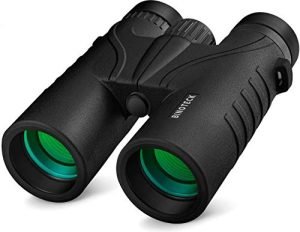
Sports binoculars usually have higher magnification than opera glasses. Their lens size is also larger to gather more light. This improves image brightness and detail in outdoor settings.
Durability And Weather Resistance
These binoculars are made to last in tough conditions. Many models have waterproof and fog-proof features. The outer shell is often rubber-coated to protect against shocks and drops.
- Waterproof seals keep moisture out
- Rubber armor prevents damage from impacts
- Fog-proof lenses avoid internal condensation
- Durable materials resist wear and tear
Field Of View And Focus
Sports binoculars offer a wide field of view. This helps you see more of the action without moving the binoculars. They also have quick and smooth focus mechanisms for fast adjustments.
| Feature | Sports Binoculars | Opera Glasses |
| Field of View | Wide | Narrow |
| Focus Type | Center or Individual | Simple Fixed |
| Adjustment Speed | Fast | Slow |
Weight And Portability
Sports binoculars balance weight and size for easy carrying. They are lighter than some large models but heavier than opera glasses. Many come with straps or cases for convenience.
Characteristics Of Opera Glasses
Opera glasses are small binoculars made for indoor use. They help viewers see details on stage clearly.
These glasses differ from sports binoculars in design and function. Let’s look at their key features.
Compact Design And Style
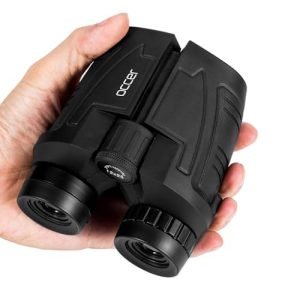
Opera glasses are very small and lightweight. They often have an elegant, classic look.
Many have decorative details and come in colors like gold, silver, or black. Their size makes them easy to hold and carry.
Magnification Levels
Opera glasses usually have low magnification. This level is enough to see stage details without losing image stability.
- Common magnification is 3x to 5x
- Higher magnification is rare and can cause shaky images
- Low power helps keep the field of view wide
Lens Quality And Clarity
Lens quality in opera glasses focuses on clear images at close to medium distances.
| Lens Type | Effect |
| Multicoated lenses | Better brightness and color |
| Plastic lenses | Lightweight but less sharp |
| Glass lenses | Sharper images but heavier |
Typical Usage Scenarios
People use opera glasses mainly inside theaters or concert halls. They help see actors or musicians better.
- Theater performances
- Opera shows
- Ballet and dance events
- Indoor concerts
Comparing Performance And Use
Sports binoculars and opera glasses both help you see distant objects clearly. They look similar but work differently. This guide explains how they compare in performance and use.
We will look at four key points: image quality, activity suitability, comfort, and price. This will help you understand which to choose for your needs.
Image Quality Differences
Sports binoculars offer better image quality than opera glasses. They have stronger lenses and better zoom features. Opera glasses have simple lenses and low magnification.
| Feature | Sports Binoculars | Opera Glasses |
| Magnification | 8x to 12x | 2x to 4x |
| Lens Size | Large (30mm+) | Small (20mm or less) |
| Field of View | Wide | Narrow |
| Clarity | High | Moderate |
Suitability For Various Activities
Sports binoculars work well for outdoor activities. They are good for bird watching, hiking, and sports events. Opera glasses are best for indoor use.
- Sports binoculars: outdoor sports, wildlife, sightseeing
- Opera glasses: theater, concerts, opera houses
- Sports binoculars: better for long distances
- Opera glasses: designed for short distances
Comfort And Handling
Opera glasses are small and light. They are easy to hold for a short time. Sports binoculars can be heavier but have grips and straps for comfort.
Sports binoculars often have adjustable focus and eyecups. These features help during long use. Opera glasses usually have fixed focus and simple design.
Price And Accessibility
Opera glasses are usually cheaper and easy to find. Sports binoculars cost more because of better lenses and features.
- Opera glasses: low cost, simple technology
- Sports binoculars: higher cost, advanced optics
- Opera glasses: good for casual use
- Sports binoculars: investment for serious users

Credit: www.ebay.ca
Choosing Between Sports Binoculars And Opera Glasses
Sports binoculars and opera glasses both help you see things far away. They look similar but serve different uses.
Knowing their differences can help you pick the right one for your needs.
Purpose And Environment
Sports binoculars are made for outdoor activities like birdwatching or sports events. They work well in bright light and wide areas.
Opera glasses are designed for indoor use, like theaters or concerts. They focus on short distances and low light settings.
- Sports binoculars: outdoor, long distance, bright light
- Opera glasses: indoor, short distance, low light
Budget Considerations
Sports binoculars often cost more because they have better lenses and features. They offer clearer views and stronger zoom.
Opera glasses are usually cheaper. They provide enough magnification for theater seats but lack advanced features.
- Sports binoculars: higher price, better optics
- Opera glasses: lower price, basic use
Portability Needs
Sports binoculars can be bulky and heavier. They may come with straps or cases for easy carrying.
Opera glasses are small and light. You can easily hold them in one hand or keep them in a pocket.
- Sports binoculars: larger, heavier, often with accessories
- Opera glasses: compact, light, easy to carry
Personal Preferences
Some people want powerful zoom and clear images for sports or nature. Others prefer simple, stylish glasses for theater.
Your choice depends on what you watch and how you want to carry your glasses.
- Choose sports binoculars for detailed, distant views
- Pick opera glasses for close, indoor viewing
- Consider style and ease of use

Credit: www.ebay.ca
Frequently Asked Questions
What Are The Main Differences Between Sports Binoculars And Opera Glasses?
Sports binoculars offer higher magnification and wider fields of view. Opera glasses are compact, low magnification, and designed for indoor use. They serve different purposes; sports binoculars suit outdoor activities, while opera glasses enhance indoor performances.
Can Sports Binoculars Be Used At The Opera?
While sports binoculars can be used at the opera, they are bulkier and offer more magnification than needed. Opera glasses are specifically designed for close-range viewing and are more convenient for indoor use.
Are Opera Glasses Suitable For Outdoor Sports Events?
Opera glasses are not ideal for outdoor sports due to limited magnification and narrow fields of view. Sports binoculars provide better clarity and zoom for watching outdoor events comfortably.
Do Sports Binoculars Have Better Image Quality Than Opera Glasses?
Yes, sports binoculars generally have better lenses and higher magnification, resulting in clearer, sharper images. Opera glasses focus on portability and ease of use rather than advanced optics.
Conclusion
Sports binoculars and opera glasses serve different purposes and needs. Sports binoculars offer higher magnification and better clarity for outdoor events. Opera glasses provide lower magnification and a compact design for indoor use. Choosing the right one depends on where and how you plan to use them.
Both tools help you see distant objects clearly but in different ways. Knowing these differences makes your choice easier and more satisfying. Choose what fits your activity and enjoy the view fully.