You’re about to invest in surveillance binoculars, but how can you be sure they’ll meet your needs? Choosing the right pair isn’t just about picking the most expensive model or the flashiest design.
Testing them properly before buying can save you time, money, and frustration. You’ll discover simple, effective ways to test surveillance binoculars so you can feel confident in your purchase. Keep reading, and you’ll learn exactly what to look for to make the best choice for your eyes and your budget.

Credit: www.allaboutbirds.org
Key Features To Check
Testing surveillance binoculars before buying is important. You want to make sure they fit your needs. Focus on key features to get the best value.
Check how well the binoculars perform in different conditions. This helps you choose a reliable and effective product.
Magnification And Clarity
Magnification shows how close objects appear. Clarity means how sharp the image looks. Test binoculars by looking at distant objects and small details.
High magnification is good but can reduce image stability. Check if the binoculars keep images clear and steady at your desired zoom level.
Field Of View
The field of view shows how wide the area you can see is. A wider field helps to track moving objects easily. Try scanning open spaces to test this feature.
- Look through the binoculars and note the width of visible area.
- Compare this with the product specifications.
- Choose binoculars with enough field of view for your purpose.
Low Light Performance
Good binoculars work well in low light, like dawn or dusk. Check brightness and detail clarity in dim conditions. Lens coating and size affect this feature.
| Feature | Effect on Low Light | What to Test |
| Lens Size | Larger lenses gather more light | Compare brightness in dark areas |
| Lens Coating | Reduces glare, improves clarity | Check image sharpness and color |
| Prism Type | Affects light transmission | Look for clear images at night |
Durability And Build Quality
Binoculars should resist rough use and weather. Check the materials and feel of the body. Rubber coatings add grip and shock resistance.
- Test the binoculars for weight and balance in your hands.
- Check if the focusing mechanism moves smoothly.
- Inspect seals for waterproof and fog-proof features.
- Look for scratch-resistant lenses and sturdy housing.

Credit: www.yahoo.com
Testing Optics Quality
Good optics are very important for surveillance binoculars. Clear and sharp images help you see details from far away.
Testing optics quality means checking how well the binoculars show the image. Look for clarity, color, and any image problems.
Lens Coating And Sharpness
Lens coating reduces glare and improves light transmission. This makes the image brighter and clearer.
Check sharpness by focusing on fine details. Look through the binoculars at a distant object with small features.
- Make sure the image is sharp in the center and edges
- Look for clear details without blur or fuzziness
- Test in different lighting conditions to see coating effects
Color Accuracy
Colors should look natural and not washed out. Good binoculars show true colors even at long distances.
Compare the colors seen through binoculars with the real scene. Check for any color tint or dullness.
- Look at green leaves and blue sky for natural color
- Avoid binoculars that make colors look too dark or too bright
- Test in daylight and low light to check color consistency
Distortion And Aberration
Distortion makes straight lines look curved or bent. Aberrations cause color fringes around objects.
Check for distortion by looking at objects with straight edges. Look for any bending or warping.
- Observe edges of the view for warping or bending
- Look for color fringing on high-contrast objects
- Good binoculars have minimal distortion and clear edges
Evaluating Comfort And Usability
Testing surveillance binoculars before buying ensures they fit your needs. Comfort and usability affect how well you can use them for long periods.
Check how the binoculars feel in your hands and how easy they are to adjust. These factors help you decide if they are right for you.
Ergonomics And Grip
Hold the binoculars to see if they fit your hands well. Look for rubber grips or textured surfaces that prevent slipping. Consider the size and shape to avoid hand strain.
- Check if the binoculars feel balanced in your hands
- Look for comfortable grip materials like rubber or foam
- Test how easy it is to hold them steady for a long time
- Make sure buttons and controls are easy to reach and use
Focus Mechanism Smoothness
Try turning the focus wheel or knobs. They should move smoothly without sticking or feeling too loose. Smooth focus helps you find clear images quickly.
| Focus Feature | What to Check | Why It Matters |
| Focus Wheel | Turns smoothly without resistance | Easy to adjust focus quickly |
| Diopter Adjustment | Adjusts without jerking | Helps sharpen image for each eye |
| Locking Mechanism | Holds focus steady | Prevents focus from changing accidentally |
Weight And Portability
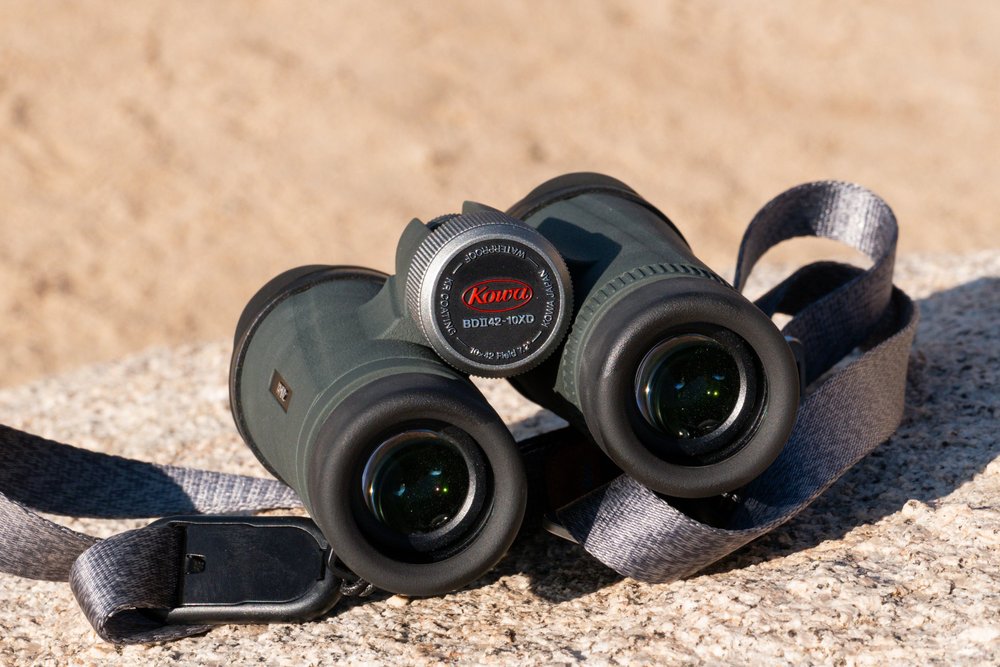
Consider how heavy the binoculars feel when holding them. Lightweight binoculars are easier to carry on long trips. Also, check if they come with a case or strap for easy transport.
- Weigh the binoculars to see if you can carry them comfortably
- Look for compact designs that fit in your bag
- Check if a carrying case or strap is included
- Try walking with them to test comfort and balance
Credit: andrealikesbirds.com
Assessing Weather Resistance
Surveillance binoculars often face tough weather conditions. Checking their weather resistance is key. This helps ensure they work well outdoors.
Look at how binoculars handle water, fog, and temperature changes. These factors affect their performance and durability.
Waterproofing Tests
Waterproof binoculars keep moisture out during rain or wet use. Test this by gently spraying water on the binoculars. Check if any water enters the lenses or housing.
- Spray water evenly over the binoculars for a few minutes
- Inspect lens edges and seals for leaks
- Use a dry cloth to wipe off excess water
- Look through lenses to ensure no fogging or water drops inside
Fog Resistance
Fog inside binoculars can blur your view. Many models use special gas fills to stop fogging. You can test fog resistance by breathing near the lenses and watching for condensation.
| Test Method | Expected Result |
|---|---|
| Breathe on lenses | No fog or moisture inside |
| Move binoculars from cold to warm place | Lenses stay clear without fogging |
| Shake binoculars gently after fog test | No moisture inside or damage |
Temperature Tolerance
Temperature changes can affect binoculars. Test by using them in cold and hot environments. Check for any cracks or loss of focus.
- Place binoculars in a cold place (below freezing) for 30 minutes
- Check for cracks or lens fogging
- Move binoculars to a warm place (above 30°C) quickly
- Look through lenses for image clarity
- Repeat cycle twice to ensure durability
Practical Field Tests
Testing surveillance binoculars in real conditions helps you see their true value. You can check clarity, comfort, and usability before buying.
Focus on how the binoculars perform in different lighting and distance situations. This ensures you pick the right tool for your needs.
Daytime Surveillance Scenarios
During the day, check the binoculars for sharpness and color accuracy. Look for clear images without distortion or blurring.
- Test focus speed by shifting between near and far objects.
- Observe contrast in bright sunlight and shaded areas.
- Check the field of view for how much area you can see at once.
- Hold the binoculars for a few minutes to see if they feel comfortable.
Nighttime Observation
At night, evaluate how well the binoculars gather light. This affects how clear objects appear in low light.
| Test Aspect | What to Check | Expected Result |
| Light Gathering | Look at a dim object | Image is bright and visible |
| Image Clarity | Focus on a distant light source | Light appears sharp, not blurry |
| Eye Relief | Wear glasses and observe | Comfortable viewing without dark edges |
Long-distance Tracking
Test binoculars on distant moving targets. This shows how well you can follow objects far away.
Use this checklist when tracking long distances:
- Check image stability while moving or holding steady.
- Test the focus ring for smooth and fast adjustments.
- Assess the zoom range and clarity at maximum zoom.
- Note if the binoculars feel balanced and easy to hold.
Comparing With Manufacturer Specs
Testing surveillance binoculars before buying helps confirm their quality. Comparing your experience with the manufacturer’s specs ensures you get what you expect.
Check the details carefully. This way, you avoid surprises and choose binoculars that meet your needs.
Verifying Claimed Magnification
Magnification shows how much closer objects appear through the binoculars. Test this by viewing a distant object and comparing it to the naked eye view.
- Choose a fixed distant object like a sign or building.
- Look at the object with your naked eyes.
- Look again through the binoculars.
- Estimate how much closer the object appears.
- Compare your estimate to the manufacturer’s magnification claim.
Magnification that matches the specs means the binoculars perform as promised. If it feels weaker or stronger, there may be an issue.
Checking Warranty And Support
Warranty and support protect your purchase. Check the details before buying to know what is covered and for how long.
| Warranty Type | Details |
| Manufacturer Warranty | Covers defects for a set time period. |
| Customer Support | Helps with troubleshooting and repairs. |
| Return Policy | Allows returns if the product is faulty. |
Ask the seller about warranty length and what it covers. Good support means you can fix issues without extra costs.
Frequently Asked Questions
How To Check Binoculars’ Image Clarity Before Purchase?
Test binoculars by viewing distant objects for sharpness and color accuracy. Ensure the image is clear without blurriness or distortion. This confirms good lens quality and proper alignment, crucial for effective surveillance.
What Is The Best Way To Test Binoculars’ Field Of View?
Look through the binoculars at a wide scene like a landscape. Check how much area you can see without moving your eyes. A wider field of view helps track moving subjects during surveillance.
How To Evaluate Binoculars’ Low-light Performance?
Test binoculars at dawn, dusk, or indoors with limited light. Check if you can clearly see objects without graininess or dark spots. Good low-light performance is essential for surveillance in dim conditions.
Why Test Binoculars’ Comfort And Grip Before Buying?
Hold binoculars for several minutes to assess weight and ergonomics. Comfortable grip reduces hand fatigue during long surveillance sessions. Proper fit ensures steady viewing and better image stability.
Conclusion
Testing surveillance binoculars before buying saves time and money. Check the clarity of the lenses carefully. Test the focus to see if it adjusts smoothly. Make sure the binoculars are comfortable to hold. Look through them in different lighting conditions.
Verify the durability by handling the binoculars gently. Consider the weight and size for easy use. These steps help you choose the best binoculars. Buy with confidence and enjoy clear, sharp views.