Are you getting blurry or misaligned images through your surveillance binoculars? If so, your equipment might need proper calibration.
Knowing how to calibrate surveillance binoculars correctly can make a huge difference in what you see and how clearly you see it. In this guide, you’ll discover simple, step-by-step methods to adjust your binoculars so every detail comes into sharp focus.
Keep reading, and you’ll learn easy tricks that save you time and frustration while boosting your observation skills. Don’t miss out on maximizing your binoculars’ full potential!
Credit: www.fujifilm.com
Choosing The Right Binoculars
Choosing the right binoculars is important for clear and accurate surveillance. The right pair helps you see distant objects well.
Binoculars come in many types with different features. Knowing these helps you pick the best one for your needs.
Types Of Surveillance Binoculars
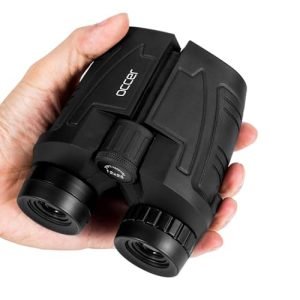
Surveillance binoculars vary by size, design, and purpose. Some are compact and easy to carry.
Others have higher magnification and better light gathering for clear images in the dark.
- Compact binoculars: Light and portable for quick use.
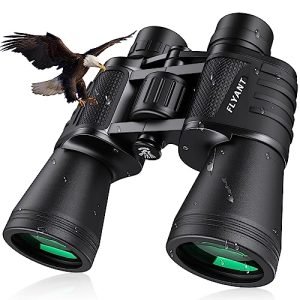
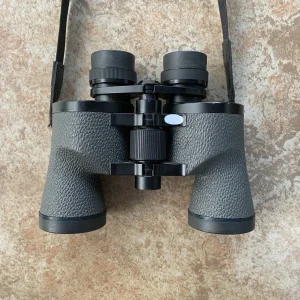
- Full-size binoculars: Larger lenses for brighter views.
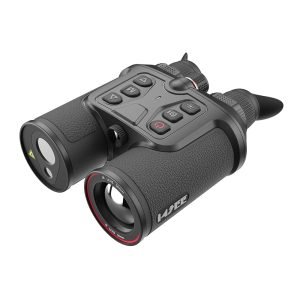
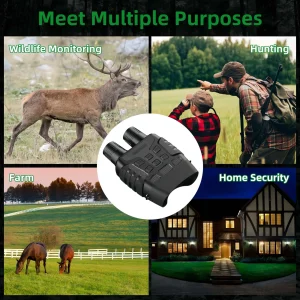
- Night vision binoculars: Use infrared to see in low light.
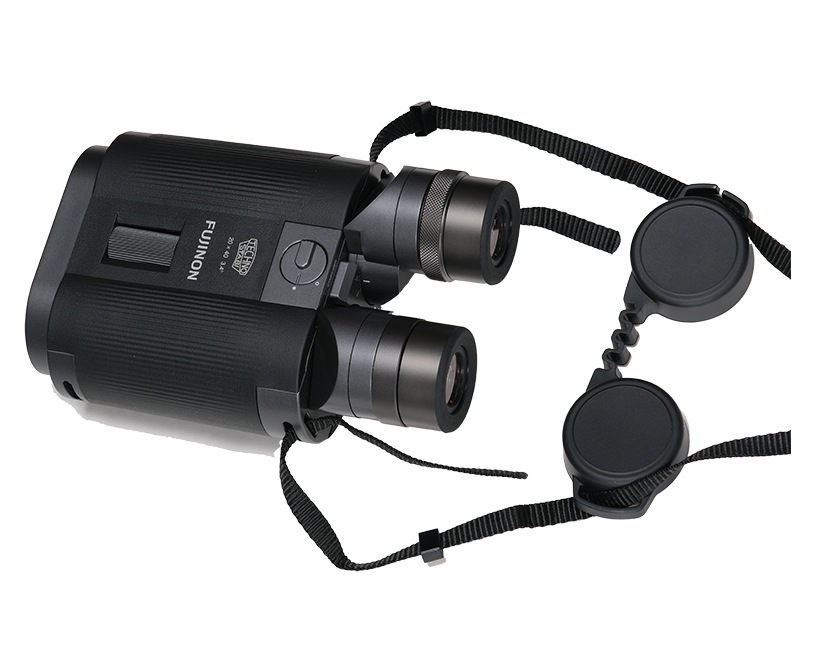
- Rangefinder binoculars: Measure distance to objects.
Key Features To Consider
Look for features that improve image quality and ease of use. These make surveillance easier and more effective.
Consider the weight, size, and durability. Also check the lens coating and field of view for better clarity.
- Magnification power: Higher means closer view but less stability.
- Objective lens size: Bigger lenses let in more light.
- Lens coatings: Reduce glare and improve brightness.
- Field of view: Wide view helps track moving targets.
- Waterproof and fog-proof: Useful in harsh weather.
- Eye relief: Comfort for users who wear glasses.
Preparing For Calibration
Calibrating your surveillance binoculars is important for clear and accurate viewing. Proper preparation helps you get the best results during calibration.
Before starting, make sure you have a quiet and stable place. This will reduce errors and improve your calibration process.
Setting Up A Stable Platform
Choose a flat and steady surface to place your binoculars. A solid platform prevents shaking and keeps the binoculars still.
Use a tripod or a stable table to hold the binoculars during calibration. This helps you focus better and get accurate settings.
- Pick a level surface without vibrations
- Use a tripod for steady support
- Avoid windy or unstable areas
- Keep the platform at a comfortable height
Gathering Necessary Tools
Collect all tools needed before you start calibration. Having everything ready saves time and avoids interruptions.
Tools may include a calibration chart, cleaning cloth, and adjustment tools. Make sure these items are clean and in good condition.
- Calibration chart or target
- Soft cleaning cloth
- Small screwdrivers or adjustment tools
- Notebook to record settings
- Flashlight for better visibility
Adjusting Focus And Alignment
Proper calibration of surveillance binoculars is key for clear images. Adjusting focus and alignment helps improve viewing accuracy.
This guide explains how to center the reticle and align the optics for better performance.
Centering The Reticle
The reticle is the crosshair you use to aim. It must be centered to avoid mistakes in targeting.
Look through the binoculars and focus on a distant object. Adjust the reticle so it sits exactly in the middle.
- Use the reticle adjustment knobs to move it left, right, up, or down
- Ensure the reticle does not shift when you move your eye
- Check centering by aiming at a fixed point and confirming the reticle stays on target
Aligning The Optics
Optics alignment means adjusting lenses to produce a clear, single image. Misalignment causes double or blurry views.
Adjust each eyepiece focus separately, then align the barrels so both eyes see the same image.
- Close your right eye and adjust the left focus ring until the image is sharp
- Close your left eye and adjust the right focus ring for sharpness
- Use the central hinge to bring the barrels closer or farther apart for proper eye spacing
- Look through both eyes and verify the image is clear and single

Credit: astrotelescopium.com
Calibrating The Rangefinder
Calibrating the rangefinder on your surveillance binoculars improves distance accuracy. It helps you get precise readings during observation.
This guide covers how to measure known distances and adjust the scale for proper calibration.
Measuring Known Distances
Start by selecting a clear area with marked distances you know exactly. These points help verify the rangefinder’s accuracy.
- Find objects or markers at set distances, such as 50, 100, and 150 meters.
- Use a tape measure or survey map to confirm each distance.
- Look through the binoculars and note the distance reading shown by the rangefinder.
- Record any differences between the actual and displayed distances.
- Repeat measurements to ensure consistency and accuracy.
Adjusting The Scale
After measuring, adjust the rangefinder scale to match the real distances. This calibration aligns the binoculars for accurate readings.
| Adjustment Type | When to Use | How to Adjust |
| Scale Offset | Rangefinder shows consistent error | Turn the scale ring until readings match known distances |
| Focus Calibration | Image appears blurry at set distances | Adjust focus knobs while observing objects at known points |
| Reticle Alignment | Range marks do not line up with targets | Use screws or dials to align reticle with target center |
Testing Accuracy In Real Conditions
Calibrating surveillance binoculars means making sure they show correct measurements. Testing in real conditions gives the best accuracy check.
Outdoor testing helps find errors that lab tests might miss. It shows how binoculars perform in real-life situations.
Field Calibration Tips
Choose a clear day and a stable location to test your binoculars. Avoid windy or rainy weather for better results.
Use known distance markers like buildings or landmarks. Compare your binocular readings with actual distances.
- Set up on a flat surface to keep binoculars steady
- Check focus and zoom before measuring
- Record measurements several times for accuracy
- Adjust settings if readings differ from known distances
Common Calibration Errors
Errors happen if binoculars are not steady or if the focus is wrong. This leads to wrong distance readings.
Ignoring weather effects like heat or light can also cause errors. These affect the binocular lenses and accuracy.
- Shaky hands or unstable mounts cause measurement errors
- Incorrect focus blurs objects and misleads distance
- Dirty lenses reduce image clarity and accuracy
- Not calibrating regularly leads to outdated settings
Maintenance For Long-term Accuracy
Proper care helps keep your surveillance binoculars accurate over time. Regular maintenance prevents damage and ensures clear vision.
Two key parts of maintenance are cleaning lenses and storing the binoculars safely. Both protect the device from wear and tear.
Cleaning Lenses Properly
Clean lenses gently to avoid scratches and dirt buildup. Use the right tools and follow safe steps to keep lenses clear.
- Use a soft brush to remove dust before wiping.
- Apply lens cleaning fluid to a microfiber cloth, not directly on the lens.
- Wipe lenses in a circular motion with light pressure.
- Avoid using paper towels or rough fabrics.
- Clean lenses only when necessary to reduce wear.
Storing Binoculars Safely
Store binoculars in a dry, cool place to prevent damage from moisture and heat. Use protective cases for added safety.
| Storage Tip | Reason |
| Use a padded case | Prevents shocks and scratches |
| Keep away from direct sunlight | Avoids lens and body damage |
| Store in low humidity | Prevents mold and corrosion |
| Remove batteries if stored long | Stops battery leaks and damage |
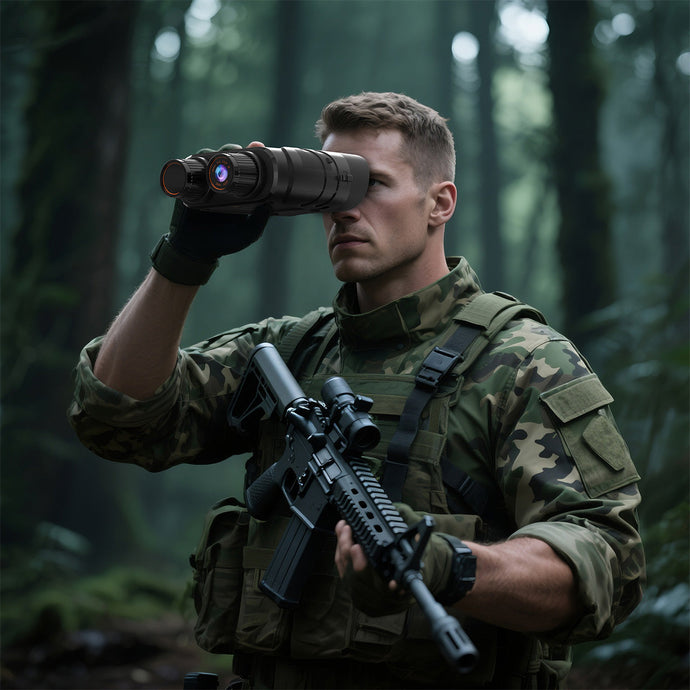
Credit: gtguardhunt.com
Frequently Asked Questions
How Do I Start Calibrating Surveillance Binoculars?
Begin by setting the binoculars on a stable surface. Adjust the focus and alignment using a distant target. Use the manufacturer’s instructions for precise calibration steps. Proper setup ensures clear, accurate surveillance images.
Why Is Calibration Important For Binocular Accuracy?
Calibration ensures the binoculars provide sharp, reliable images. It corrects any alignment or focus issues. This improves target identification and distance estimation during surveillance. Regular calibration maintains optimal performance and user confidence.
How Often Should Surveillance Binoculars Be Calibrated?
Calibrate binoculars every few months or after any impact. Frequent use or rough handling may require more regular checks. Consistent calibration keeps the device functioning accurately and prolongs its lifespan.
Can I Calibrate Binoculars Without Professional Tools?
Yes, basic calibration can be done with simple tools like a distant target. However, professional tools provide more precise alignment. Use manufacturer guidelines to decide when expert calibration is needed.
Conclusion
Proper calibration keeps your surveillance binoculars clear and sharp. It helps you see details from far away without strain. Regular checks ensure your binoculars work well every time. Small adjustments can make a big difference in viewing quality. Take time to follow simple steps carefully.
This way, you get the best experience and reliable results. Keep practicing calibration to stay confident with your equipment. Clear vision matters for safety and observation tasks. Stay patient and focused for the best outcome.