Have you ever tried to get a closer look at tiny details with your binoculars, only to find the image blurry and frustrating? If you’re wondering whether close-focus binoculars can deliver sharp, clear views at very short distances, you’re not alone.
You want to see every small detail without straining your eyes or carrying extra gear. You’ll discover how close-focus binoculars perform at macro distances and whether they can truly bring the tiny world into sharp focus for you. Keep reading to find out what really works and what doesn’t.

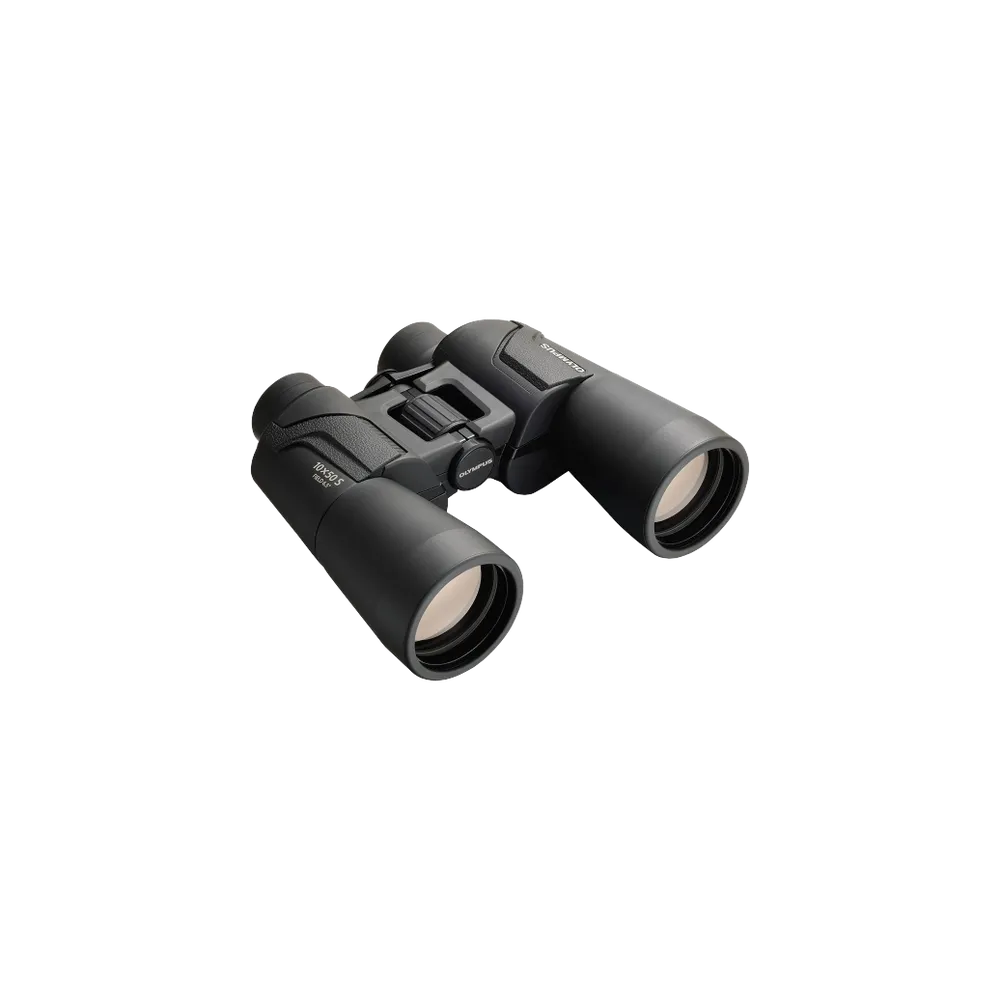
Credit: www.amazon.com.be
Close-focus Binoculars Basics
Close-focus binoculars are designed to view objects up close. They let you see details that normal binoculars miss.
These binoculars work well for observing flowers, insects, and other small things. They help with macro viewing outdoors.
What Are Close-focus Binoculars
Close-focus binoculars can focus on objects very near to you. They usually focus as close as 6 to 10 feet.
Regular binoculars focus on far away objects but cannot see sharp details up close. Close-focus binoculars fill this gap.
Key Features For Macro Viewing
Close-focus binoculars have special features that help with seeing small things sharply. These features improve macro viewing.
- Short minimum focus distance for clear close views
- High-quality lenses for sharp, detailed images
- Good eye relief for comfortable viewing
- Lightweight design to hold steady near small subjects
- Wide field of view to spot tiny objects easily
Sharpness At Close Range
Close-focus binoculars allow you to see objects very near. Sharpness at close range depends on many factors. Understanding these helps choose the right binoculars for macro views.
Not all binoculars keep images clear when you look very close. Some designs work better for sharp images near the lens.
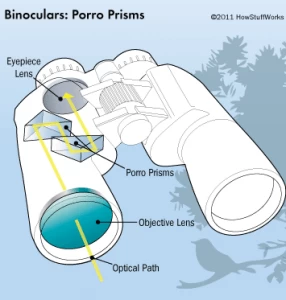
Optical Design And Image Clarity
Binoculars use lenses and prisms to focus light. The design affects how sharp the image looks at close distances. Close-focus binoculars often have special lens setups.
- Extra-low dispersion glass reduces color blur.
- Multi-coated lenses improve light transmission.
- Adjustable focus rings help fine-tune sharpness.
- Shorter minimum focus distance allows closer viewing.
Factors Affecting Sharpness
| Factor | Effect on Sharpness |
|---|---|
| Lens Quality | Higher quality glass gives clearer images. |
| Coatings | Reduce glare and improve contrast. |
| Focus Mechanism | Precise focus improves detail at close range. |
| Eye Relief | Comfortable viewing affects perceived sharpness. |
| Prism Type | Porro prisms often give better depth and clarity. |
Comparing Binocular Types
Binoculars come in many types for different uses. One key difference is how close you can focus with them.
Close-focus binoculars let you see objects near you clearly. Standard binoculars work well for distant views.
Close-focus Vs Standard Binoculars
Close-focus binoculars focus on objects as close as 6 feet or less. This helps in seeing small details up close.
Standard binoculars usually focus at 10 feet or more. They are better for bird watching or sports events.
- Close-focus binoculars show sharp images at short distances.
- Standard binoculars have less sharpness close up.
- Both types work well for distant objects.
Specialized Macro Optics
Special macro optics are made for very close viewing. They give sharp images of tiny objects like insects.
These optics use special lenses and adjustments. They focus much closer than typical binoculars.
- Macro optics focus at just a few inches away.
- They provide extra detail on very small subjects.
- Best for nature study and close inspection.
Practical Uses For Macro Observation
Close-focus binoculars allow you to see objects very near. This helps with detailed views of small subjects. People use these binoculars for many activities.
Seeing sharp images at short distances is key. It helps to study tiny details in nature and hobbies. Let’s explore where close-focus binoculars work well.
Nature And Wildlife Viewing
Close-focus binoculars show insects, flowers, and leaves clearly. Bird watchers use them to watch small birds up close. You can spot details like feather patterns and colors.
These binoculars also help with observing reptiles and amphibians. Seeing close lets you notice skin texture and movements. This makes nature watching more exciting and detailed.
- Watch butterflies and bees on flowers
- See tiny birds and their behaviors
- Observe frogs, lizards, and other small animals
- Study leaf shapes and flower parts
Hobby And Scientific Applications
Close-focus binoculars help hobbyists who study plants and insects. They allow clear views without touching the subject. Scientists use them to observe small details in the field.
These binoculars are great for collecting data and identifying species. They help keep subjects safe and undisturbed. People who paint or photograph nature use them for better detail.
- Identify insects and plants in gardens
- Monitor small animal habits without disturbance
- Assist artists with detailed nature sketches
- Support field research and data collection
Tips For Choosing Close-focus Binoculars
Close-focus binoculars let you see small objects clearly. They work well for watching insects or flowers up close.
Choosing the right pair depends on features like magnification, field of view, durability, and ease of carrying.
Magnification And Field Of View
Magnification shows how much bigger objects appear. A higher number means closer views but a smaller field of view.
- Look for moderate magnification around 8x to 10x for sharp images at close range.
- A wide field of view helps you see more area without moving the binoculars.
- Check the close focus distance to ensure it matches your needs, usually under 6 feet is good.
Durability And Portability
Close-focus binoculars should be tough and easy to carry. You might take them outdoors often.
| Feature | What to Look For |
| Body Material | Rubber coating for grip and shock resistance |
| Waterproof | Protects lenses during rain or wet conditions |
| Weight | Lightweight models reduce hand strain over time |
| Size | Compact size fits easily in bags or pockets |

Credit: www.reddit.com
Enhancing Macro Viewing Experience
Close-focus binoculars let you see small objects up close. They help explore details not seen with normal binoculars.
Sharp images at short distances make macro viewing enjoyable. Using the right tools improves clarity and comfort.
Using Tripods And Stabilizers
Holding binoculars steady is hard at close range. Small movements blur the image and reduce sharpness.
Tripods and stabilizers keep binoculars still. This helps maintain clear focus on tiny details during viewing.
- Tripods support binoculars for hands-free use
- Stabilizers reduce shaking when holding by hand
- Use adjustable mounts for precise positioning
- Combine with close-focus binoculars for best results
Lighting And Environmental Considerations
Good lighting improves the sharpness of close images. Bright, even light reveals more detail on small objects.
Outdoor conditions affect how well you see. Avoid harsh shadows and glare to keep images clear and easy to view.
- Use natural light during morning or late afternoon
- Avoid direct sunlight that causes reflections
- Choose calm weather to reduce movement of objects
- Use diffused light sources for indoor macro viewing
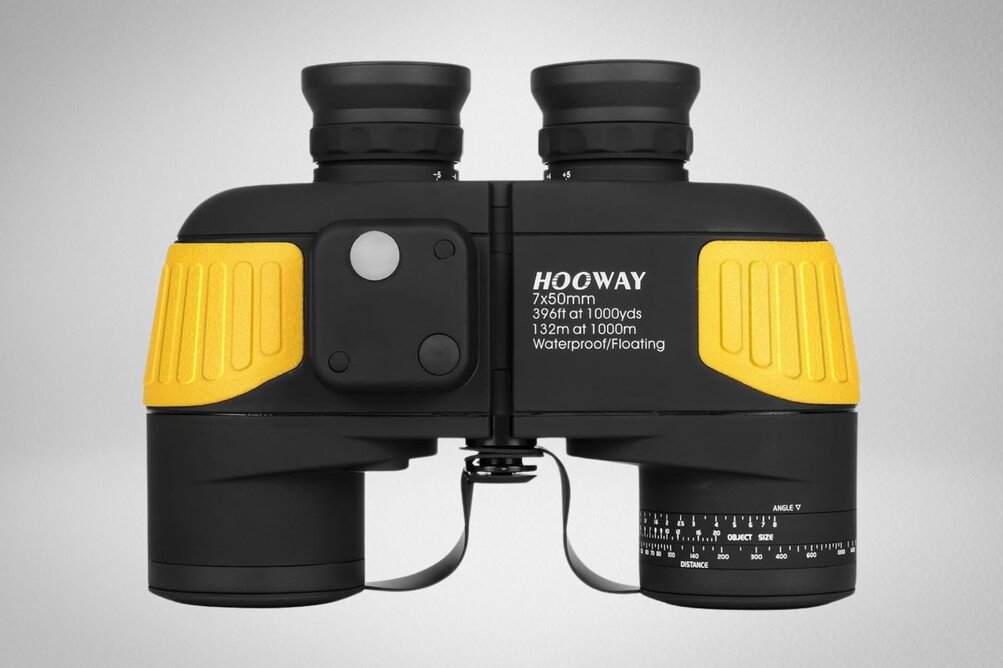
Credit: www.boatsailmag.com
Frequently Asked Questions
What Are Close-focus Binoculars?
Close-focus binoculars are designed to focus on objects very near. They allow clear, sharp viewing at short distances, ideal for observing insects, flowers, or other small details.
Are Close-focus Binoculars Good For Macro Viewing?
Yes, close-focus binoculars provide sharp images at macro distances. Their short minimum focus distance enhances clarity for detailed, close-up observation of small subjects.
How Do Close-focus Binoculars Differ From Regular Ones?
Close-focus binoculars have a much shorter minimum focus distance. This allows them to focus sharply on objects just a few feet away, unlike regular binoculars.
Can Close-focus Binoculars Replace A Macro Lens?
No, binoculars offer 3D viewing but less magnification than macro lenses. They complement macro lenses by providing natural depth and wider field views.
Conclusion
Close-focus binoculars can provide sharp views at close distances. Their design helps you see small details clearly. Not all binoculars perform well up close, so choose carefully. Testing them yourself is the best way to know. Sharp images make observing insects, flowers, and objects easier.
Remember, quality and focus range affect clarity a lot. Close-focus binoculars add fun to nature watching. They bring tiny worlds into clear view.