When you’re choosing roof prism binoculars, you want to be sure they perform well no matter the weather. Have you ever wondered if these binoculars are argon-purged?
This little detail can make a huge difference in how clear your view stays and how long your binoculars last. If you want to protect your investment and enjoy crystal-clear images every time, understanding argon-purging is key. Keep reading to discover what argon-purged means and why it matters for your roof prism binoculars.

Credit: www.amazon.com
Roof Prism Binoculars Basics
Roof prism binoculars are a popular choice for many users. They have a straight body that is easy to hold and carry.
This design helps make the binoculars compact and lightweight. Many people ask if roof prism binoculars are argon-purged.
Key Features
Roof prism binoculars have several important features that affect their use and durability.
- Compact and slim design
- Straight barrel shape
- Durable and often waterproof
- High-quality image clarity
- May include argon or nitrogen purging to prevent fogging
How They Work
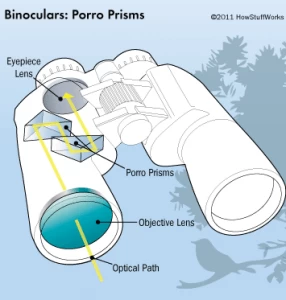
These binoculars use roof prisms to bend light inside the body. The prisms align the image so you see it correctly.
| Component | Function |
| Objective Lens | Collects light from the object |
| Roof Prisms | Bends and flips the light path |
| Eyepiece Lens | Magnifies the image for viewing |
| Gas Purging (Argon/Nitrogen) | Prevents internal fogging by removing moisture |
Argon Purging Explained
Argon purging is a process used in some binoculars. It fills the inside with argon gas instead of air. This helps protect the lenses and other parts.
Many roof prism binoculars use argon purging to improve their durability. This makes them better for outdoor use and changing weather.
Purpose Of Argon Gas
Argon gas replaces air inside the binoculars. Air contains moisture and oxygen that can cause damage. Argon is dry and does not react with the lenses.
The gas helps stop fogging inside the lenses. It also prevents rust and corrosion on metal parts. This keeps the binoculars working well for a long time.
Benefits For Optics
Argon purging improves the view through the binoculars. It keeps the lenses clear and free from fog. This makes the image sharp and easy to see.
The gas also protects the optical coatings. These coatings help reduce glare and improve color. Argon gas keeps these coatings safe from damage.
Argon Purging In Roof Prism Binoculars
Argon purging is a method used to protect roof prism binoculars from moisture and fogging inside the lenses. This process fills the binoculars with argon gas to keep them dry and clear in different weather conditions.
Many users want to know if their roof prism binoculars are argon-purged. This depends on the brand and model, as not all manufacturers use this feature.
Common Practices
Most roof prism binocular makers use some type of gas purging to prevent fogging. Argon gas is popular because it is heavier than air and stops moisture well. Some brands also use nitrogen gas, which works similarly.
- Argon purging helps block moisture inside the binoculars.
- It improves the lifetime of lenses by stopping fungus growth.
- Manufacturers seal the binoculars tightly after purging.
- Some use nitrogen gas instead of argon.
- Not all budget binoculars have gas purging.
Manufacturers That Use Argon
Several well-known manufacturers add argon purging in their roof prism binoculars. This is often part of their mid to high-end models to ensure better performance in wet or cold conditions.
| Manufacturer | Argon Purging Used? | Notes |
| Zeiss | Yes | Common in most roof prism binoculars |
| Leica | Yes | Used in premium models |
| Nikon | Yes | Selected models only |
| Vortex | No | Uses nitrogen purging instead |
| Bushnell | No | Limited or no gas purging |

Credit: www.leoalmanac.org
Advantages Of Argon-purged Binoculars
Argon-purged binoculars use argon gas inside their tubes. This gas helps keep moisture away.
These binoculars are popular for outdoor use. They work better in wet or cold weather.
Fog Resistance
Argon gas stops fog from forming inside binocular lenses. Fog can block your view.
When binoculars are sealed and filled with argon, moisture cannot enter. This keeps lenses clear.
- Prevents internal fogging in cold weather
- Improves visibility during rapid temperature changes
- Keeps lenses clear for longer viewing sessions
Enhanced Durability
Argon gas helps stop corrosion inside binoculars. Moisture can cause rust and damage parts.
Sealed argon-purged binoculars last longer. They handle rough use and bad weather better.
- Protects internal parts from moisture damage
- Increases lifespan of binoculars
- Makes binoculars more reliable outdoors
Identifying Argon-purged Models
Roof prism binoculars often use argon gas inside their tubes. This gas helps keep moisture out and stops fogging. Knowing if a model is argon-purged helps you pick binoculars that last longer.
Not all roof prism binoculars use argon purging. You need to check their details to be sure. This guide helps you find argon-purged models easily.
Labeling And Specs
Binocular makers usually note if their product is argon-purged. This info is on the box or in the specs sheet. Look for words like “argon purged,” “argon gas filled,” or “nitrogen/argon filled.”
Some specs also mention fog proof or waterproof features. These often mean the binoculars use argon or nitrogen gas inside to stop moisture. Check the details carefully.
- Look for “Argon Purged” or “Argon Filled” in product details.
- Check for fog proof or waterproof claims.
- Read the user manual or product description.
- Ask the seller if the gas type is not clear.
What To Ask When Buying
When buying roof prism binoculars, ask if they are argon-purged. This helps protect the lenses from fog and dust. Knowing this can save money on repairs.
Also ask about the warranty and how the binoculars handle moisture. Some brands use nitrogen instead of argon. Both gases work well but ask to confirm.
- Are these binoculars argon-purged or filled with another gas?
- Do they have fog proof and waterproof features?
- How long is the warranty on moisture damage?
- Can I see the product specs or manual before buying?
Alternatives To Argon Purging
Argon purging is common in roof prism binoculars to prevent fogging. It fills the inside with argon gas to keep moisture out. Some manufacturers use other methods to stop fog and keep lenses clear.
Two main alternatives are nitrogen purging and improved sealing techniques. These help protect the binoculars from moisture and dust.
Nitrogen Purging
Nitrogen purging replaces air inside the binoculars with dry nitrogen gas. Nitrogen stops moisture from building up and causing fog on the lenses. It is lighter and cheaper than argon.
Nitrogen is often used in many optics because it is easy to handle. It also keeps the inside dry and clear for better viewing.
- Prevents internal fogging
- Keeps lenses clear
- Less costly than argon
- Widely available gas
Sealing Techniques
Sealing techniques block moisture and dust from entering the binoculars. Manufacturers use strong rubber or silicone seals around the edges and joints. This keeps the inside dry without adding gas.
Good sealing also protects the binoculars from water damage. This is important for outdoor use in wet or humid places.
- Rubber or silicone O-rings
- Tight-fitting lens mounts
- Water-resistant coatings
- Durable outer shells
Maintenance Tips For Argon-purged Binoculars
Argon-purged binoculars have gas inside to keep moisture out. This helps stop fog and fungus from forming inside the lenses.
To keep them working well, you need to clean and store them properly. This guide will help you care for your binoculars.
Cleaning
Use a soft brush or air blower to remove dust from the lenses. Avoid touching the glass with your fingers.
Use a microfiber cloth to gently wipe the lenses. If needed, use lens cleaning solution made for optics.
- Do not use household cleaners or paper towels.
- Clean the body with a damp cloth only.
- Check for any dirt inside the eyecups and clean carefully.
Storage
Keep your binoculars in a dry, cool place when not in use. Avoid leaving them in direct sunlight or hot areas.
Store them in their case to protect from dust and damage. Make sure the case is clean and dry before storing.
- Remove batteries if your binoculars have electronic parts.
- Do not store binoculars with wet lenses or body.
- Use silica gel packs in the case to absorb moisture.

Credit: www.amazon.ca
Frequently Asked Questions
Are All Roof Prism Binoculars Argon-purged?
Not all roof prism binoculars are argon-purged. However, many high-quality models use argon gas to prevent internal fogging and moisture buildup. Argon purging improves durability and image clarity, especially in harsh weather conditions.
Why Is Argon Purging Important In Binoculars?
Argon purging helps stop fog and moisture inside binoculars. It extends the lifespan of the optics and maintains clear, sharp images. This feature is crucial for outdoor activities where temperature and humidity change frequently.
How Does Argon Purging Benefit Roof Prism Binoculars?
Argon purging protects internal lenses from fogging and corrosion. It ensures better image quality and enhances the binoculars’ durability. This makes roof prism binoculars more reliable for birdwatching, hunting, and hiking.
Can I Identify Argon-purged Binoculars Easily?
Many manufacturers label binoculars as argon-purged or nitrogen-purged. Look for product descriptions or specifications mentioning gas purging. If unsure, check customer reviews or contact the manufacturer for confirmation.
Conclusion
Roof prism binoculars often come argon-purged to prevent fogging inside. This gas keeps moisture out and protects lenses from damage. Many top brands use argon purging for better durability. Not all models have it, so check product details carefully. Argon-purged binoculars work well in wet or cold weather.
They help keep your view clear and sharp. Choosing argon-purged roof prism binoculars means better performance outdoors. This small feature can make a big difference. Consider it when buying binoculars for hiking or birdwatching. Clear vision matters.