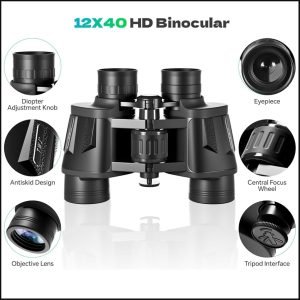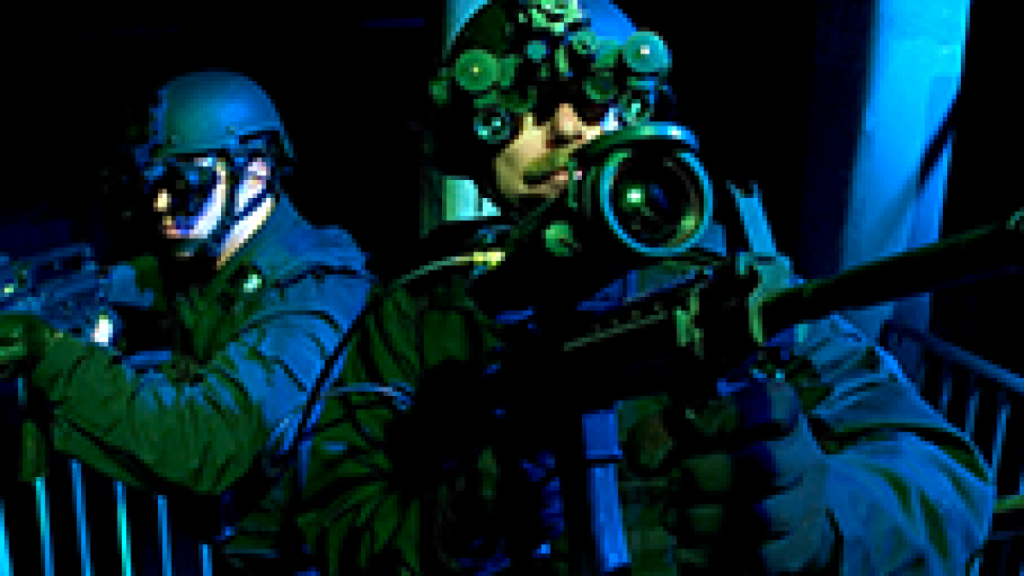
Have you ever wondered if binoculars can truly make a difference during a night patrol? When the darkness sets in, your vision becomes limited, and every detail matters.
Imagine having a tool that sharpens your sight, helping you spot potential threats before they get too close. You’ll discover how binoculars can boost your awareness, improve safety, and make your night patrols more effective. Keep reading to find out if binoculars should be part of your essential gear.
Credit: www.officer.com
Benefits Of Binoculars For Night Patrol
Night patrol officers face many challenges in the dark. Binoculars help them see better at night. They improve vision and make patrols safer.
Using binoculars can increase the effectiveness of night patrols. Officers can spot danger earlier and respond faster. This tool supports better decision-making in low light.
Enhanced Vision In Low Light
Binoculars designed for night use gather more light. This helps officers see objects far away in the dark. They can identify shapes and movements clearly.
Better vision reduces the chance of missing important details. Officers can watch areas without using bright lights that reveal their position.
- Magnifies distant objects in low light
- Improves clarity and detail at night
- Allows quiet observation without flashlights
Increased Situational Awareness
Binoculars help officers see a wider area from one spot. They can spot potential threats or suspicious activity early. This gives more time to act.
Having a better view helps officers stay alert to changes around them. They can monitor surroundings without moving too much and drawing attention.
- Wider field of view at night
- Early detection of threats or changes
- Supports quiet and steady observation
Improved Safety And Response Time
Seeing clearly at night helps officers avoid dangers. They can plan their moves better and stay safe. Quick spotting reduces reaction time in emergencies.
Binoculars allow officers to assess situations before approaching. This leads to faster and safer responses to incidents.
- Reduces surprise encounters
- Speeds up decision making
- Helps plan safer approaches
Types Of Binoculars Suitable For Night Use
Night patrol officers need tools to see clearly in the dark. Binoculars help them spot things far away at night.
Different binocular types work better in low light. Some use special technology to improve vision in the dark.
Night Vision Binoculars
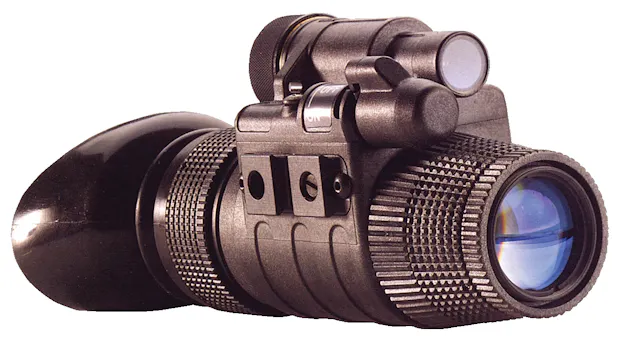
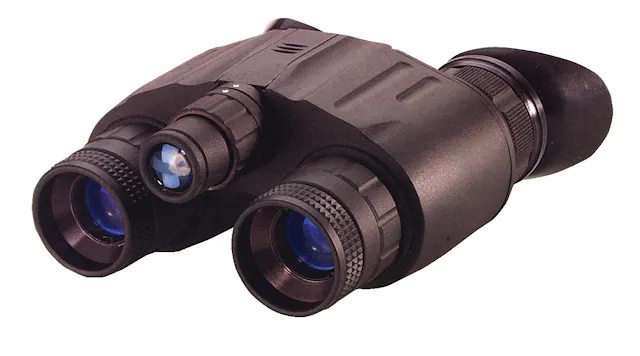
Night vision binoculars let officers see in total darkness. They use a special tube to brighten tiny light.
These binoculars show images in green or black and white. They help detect people or animals at night.
- Use image intensifier tubes
- Work best with some ambient light
- Can see up to several hundred yards
Infrared Binoculars
Infrared binoculars use invisible infrared light to help see in the dark. They have an infrared light source built in.
This light bounces off objects and returns to the binoculars. Officers can see a clear image even in no light.
- Include an infrared illuminator
- Good for complete darkness
- Images usually black and white
Low-light Amplification Binoculars
Low-light amplification binoculars boost small amounts of light. They help see in dim places like dusk or dawn.
They do not work in total darkness. These binoculars improve natural light to make images clearer.
- Amplify ambient light like moonlight
- Provide clearer images in low light
- Less expensive than night vision types
Key Features To Consider
Binoculars can help night patrol officers see better in low light. Choosing the right binoculars makes a big difference. It is important to know what features to look for.
This guide covers key features like magnification, durability, and weight. These help officers pick binoculars that work well at night.
Magnification And Lens Size
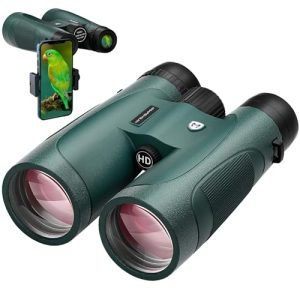
Magnification shows how much closer objects appear. Lens size affects how much light comes in. Bigger lenses gather more light, which helps at night.
- Higher magnification gives more detail but can be harder to hold steady.
- Larger lens diameter improves brightness in dark conditions.
- A balance between magnification and lens size is best for night use.
Durability And Weather Resistance
Night patrol officers need binoculars that last in tough conditions. Water and fog can damage optics. Sturdy cases help protect the device.
| Feature | Importance for Night Patrol |
| Waterproof | Keeps binoculars working in rain or wet areas |
| Fogproof | Prevents lens fogging in cold or humid weather |
| Shock Resistant | Protects from drops and bumps during duty |
| Rubber Armor | Improves grip and absorbs impacts |
Weight And Portability
Light binoculars reduce fatigue during long patrols. Compact models fit easily in pockets or bags. Officers should consider how often they carry binoculars.
- Lighter binoculars are easier to carry for hours.
- Smaller size fits better in limited gear space.
- Check for comfortable straps or cases for quick access.
Credit: www.officer.com
Practical Applications During Night Patrols
Binoculars help night patrol officers see far away in low light. They improve vision in dark areas and help officers stay alert.
Officers use binoculars to watch surroundings and keep safe during night shifts. These tools make many patrol tasks easier.
Surveillance And Monitoring
Binoculars let officers watch places from a distance without being seen. This helps keep eyes on suspects or unusual activity.
They provide a clear view of dark areas like alleys, parking lots, or parks. Officers can spot problems early and act fast.
Identifying Threats From A Distance
Night patrol officers use binoculars to see threats before they get close. This gives time to prepare and respond safely.
Binoculars help recognize weapons, suspicious objects, or people acting strangely. Clear sight helps officers decide next steps.
- Spot hidden dangers early
- Assess situations from afar
- Keep a safe distance from threats
Navigating Difficult Terrain
Binoculars help officers see paths or obstacles in dark or rough areas. This reduces risk of tripping or getting lost.
They can check hills, forests, or uneven ground ahead. Clear vision guides safe movement during patrols at night.
Limitations And Challenges
Binoculars can help night patrol officers see far away. Still, they have some limits. Officers face challenges when using binoculars at night.
Understanding these challenges can help officers use binoculars better. Here are some key issues to consider.
Battery Life And Maintenance
Many night binoculars need batteries to work well. Battery life can be short during long patrols. Officers must carry extra batteries or chargers.
Maintenance is also important. Dirt, moisture, or rough use can damage binoculars. Regular cleaning and checks keep them working.
- Carry spare batteries for long shifts
- Clean lenses to avoid blurry views
- Store binoculars safely to prevent damage
- Check battery levels before patrol
Potential For Misuse Or Overreliance
Officers might depend too much on binoculars. This can reduce their attention to other senses. Night vision alone can miss nearby dangers.
Misuse can happen if officers do not know how to use binoculars well. It might cause false alarms or missed threats. Training is key for correct use.
- Use binoculars as a support tool, not only tool
- Keep alert to sounds and movements nearby
- Get training on proper binocular use
Cost Considerations
Night binoculars can be expensive. High-quality models cost more but work better in darkness. Budget limits may affect which binoculars officers get.
Officers or departments must balance cost and quality. Cheaper binoculars might not last long or show clear images. This affects patrol safety.
- High-quality binoculars have clearer images
- Lower-cost models may have poor durability
- Consider total cost: purchase, batteries, repairs
- Plan budget for long-term use
Training And Best Practices
Binoculars help night patrol officers see far in low light. Training ensures officers use them well. Best practices keep equipment ready and safe.
Proper use improves patrol safety and effectiveness. Officers learn skills to handle binoculars and combine them with other tools.
Proper Handling Techniques
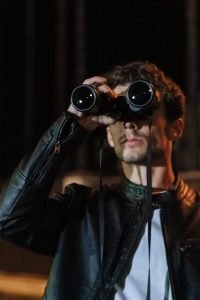
Officers must hold binoculars steady to get a clear view. Using both hands reduces shaking. Adjusting the focus and eye distance helps see better.
Training covers how to hold binoculars safely. Officers learn to avoid eye strain and keep their balance while watching.
- Hold binoculars with both hands
- Adjust focus slowly and carefully
- Keep binoculars close to eyes
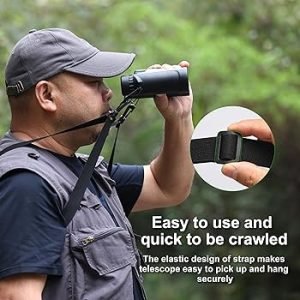
- Use a neck strap to prevent drops
- Take breaks to avoid eye fatigue
Regular Equipment Checks
Officers must check binoculars before each shift. Look for scratches, dirt, or loose parts. Clean lenses gently with a soft cloth.
Regular checks prevent equipment failure during patrols. Training includes how to spot problems and report damage quickly.
- Inspect lenses for scratches or dirt
- Test focus and zoom functions
- Check straps and hinges for wear
- Clean lenses with proper materials
- Report any damage to supervisors
Integration With Other Patrol Tools
Binoculars work best when used with flashlights and radios. Officers learn to use them all together. This helps in communication and spotting threats.
Training teaches how to switch between tools quickly. Officers practice coordinating binoculars with other gear to stay alert and safe.
- Use binoculars to scan while holding a flashlight
- Keep radios ready for quick calls
- Coordinate with team members using all tools
- Practice multitasking during drills
- Stay aware of surroundings at all times
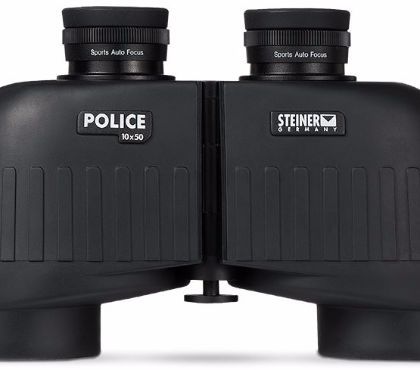
Credit: www.police1.com
Frequently Asked Questions
Are Binoculars Effective For Night Patrol Officers?
Yes, binoculars with night vision enhance visibility in low light. They help officers spot distant objects and potential threats clearly at night.
What Features Should Night Patrol Binoculars Have?
Night patrol binoculars should have infrared capabilities, good magnification, and durability. These features ensure clear vision and reliable use during night shifts.
Can Binoculars Replace Flashlights For Night Patrol?
Binoculars complement flashlights but don’t replace them. Flashlights illuminate close areas, while binoculars help observe distant scenes without drawing attention.
How Do Night Vision Binoculars Improve Officer Safety?
Night vision binoculars increase situational awareness by revealing hidden dangers. They allow officers to detect threats early, enhancing safety during nighttime patrols.
Conclusion
Binoculars help night patrol officers see far and stay alert. They improve safety and make it easier to spot dangers. Officers can watch wide areas without moving too much. Using binoculars also helps in quick decision-making. Night vision models work best in low light.
Choosing the right binoculars depends on the patrol needs. Simple tools can boost an officer’s effectiveness at night. Patrol work becomes safer and more efficient with good equipment. Clear vision matters most during night patrols.