Have you ever tried holding binoculars steady for a long time and felt your arms start to shake? If you’re using binoculars for surveillance, keeping them stable is crucial to seeing every important detail clearly.
But can binoculars be tripod-mounted to make this easier? Imagine having a steady, hands-free view that lets you focus on what really matters without fatigue or blur. You’ll discover how mounting your binoculars on a tripod can transform your surveillance experience, making your observations sharper and more comfortable.
Keep reading to find out if this setup is right for you and how to get started.
Benefits Of Tripod-mounted Binoculars
Using binoculars with a tripod can improve your viewing experience. It helps keep the binoculars steady for a longer time. This is useful for surveillance or detailed observation.
Tripod mounting is common for activities needing clear and stable images. It allows users to watch without holding the binoculars all the time.
Enhanced Stability
A tripod holds the binoculars steady. This stops shaking that happens when holding them by hand. Stability is important for long viewing sessions or distant targets.
- Prevents hand tremors
- Keeps view fixed on one spot
- Allows for smooth panning
- Supports heavier binocular models
Reduced Fatigue
Holding binoculars for a long time can cause arm and neck tiredness. A tripod removes this strain by supporting the weight. This makes watching more comfortable and longer.
| Without Tripod | With Tripod |
|---|---|
| Arms get tired quickly | Arms stay relaxed |
| Neck strain can occur | Neck remains comfortable |
| Shorter viewing time | Longer, more relaxed sessions |
Improved Image Clarity
A tripod reduces movement and vibration. This helps the binocular lenses focus better. Clear images make it easier to see details during surveillance or nature watching.
- Sharper focus on distant objects
- Reduced blur from hand shake
- Better use of high-magnification binoculars

Credit: www.amazon.ca
Types Of Binoculars Suitable For Tripods
Binoculars come in many shapes and sizes. Some work better on a tripod than others. Using a tripod helps keep the image steady during long viewing sessions.
Choosing the right binoculars for a tripod makes your surveillance easier. This guide covers the main types that fit well with tripods.
Standard Binoculars
Standard binoculars are light and easy to carry. They usually have a fixed focus and a wide field of view. Many models include tripod adapters.
These binoculars work well for casual surveillance. The tripod keeps them steady for clearer images. They are good for daytime use and quick setup.
- Usually 7x to 10x magnification
- Small to medium size and weight
- Tripod adapter often included or available
- Good for general outdoor use
Large-aperture Binoculars
Large-aperture binoculars have wide lenses to collect more light. This makes them better for low-light conditions. They are heavier and need a tripod for steady use.
These binoculars show brighter and clearer images at night or in fog. The tripod helps hold their weight and reduces shaking during long observation.
- Lens size usually 50mm or larger
- Higher magnification, often 15x or more
- Heavier and bulkier than standard models
- Designed for night or low-light viewing
Specialized Surveillance Models
Some binoculars are made for professional surveillance. They may have features like image stabilization or night vision. Tripod mounting is often built-in or easily added.
These models provide clear, steady views over long distances. They are ideal for security or wildlife watching at night.
- Image stabilization to reduce shake
- Infrared or night vision options
- Strong tripod compatibility or built-in mounts
- Designed for long-term observation
Choosing The Right Tripod
Using binoculars with a tripod improves stability. It helps you see distant objects clearly. Choosing the right tripod is important for good results.
The right tripod supports your binoculars well. It should fit your needs for surveillance use. Consider weight, height, and durability when selecting one.
Weight And Portability
Choose a tripod that is light enough to carry easily. You may need to move it to different spots. A heavy tripod can slow you down.
Look for tripods made from lightweight materials. Aluminum and carbon fiber are good choices. Portability helps during long surveillance sessions.
- Lightweight tripods are easy to carry
- Carbon fiber is strong and light
- Aluminum offers good balance of weight and cost
Height And Adjustability
Pick a tripod that adjusts to your needed height. It should let you set the binoculars at eye level. This reduces neck strain and improves comfort.
Adjustable legs and a tilting head help you aim easily. You can change angles smoothly for better views. Check the tripod’s range before buying.
- Height should match your standing or sitting position
- Adjustable legs suit uneven ground
- Tilting and panning heads allow easy aiming
Durability And Material
Durable tripods last longer and hold binoculars steady. Look for corrosion-resistant materials if you work outdoors. A strong tripod handles rough use well.
Materials like carbon fiber resist weather and wear. Steel tripods are very strong but heavier. Choose one that fits your environment and usage.
- Carbon fiber is weather-resistant and strong
- Aluminum resists rust and is affordable
- Steel is heavy but very durable
Mounting Techniques
Binoculars can be mounted on a tripod to improve stability during surveillance. This helps reduce hand shake and allows long viewing sessions without fatigue.
There are different ways to mount binoculars depending on the model and available accessories. Below are common techniques used for tripod mounting.
Using Built-in Tripod Adapters
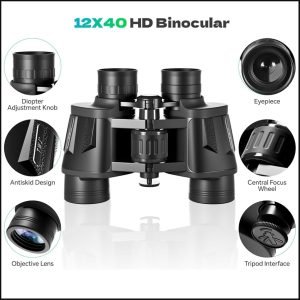
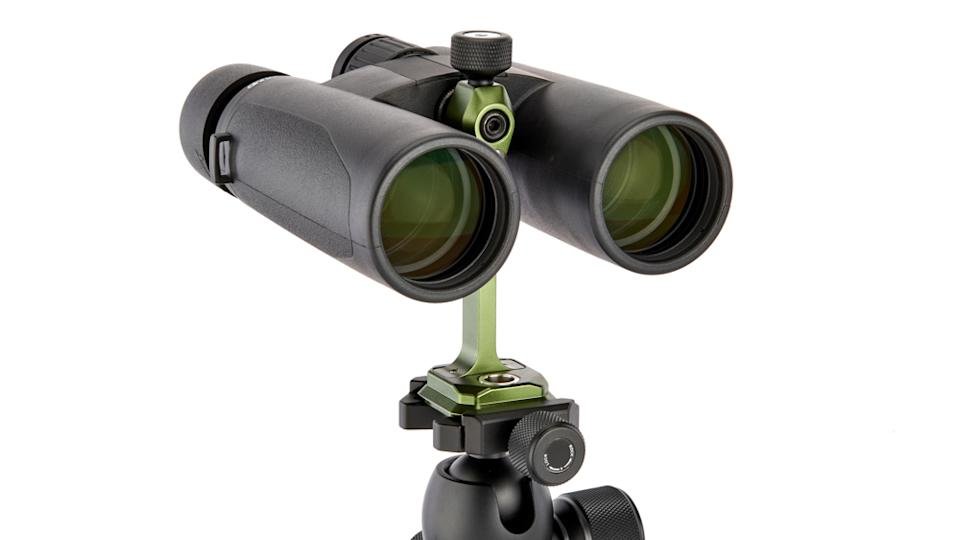
Many binoculars come with a built-in tripod adapter socket. This allows direct attachment to standard tripod heads. The adapter is usually a threaded hole under the center hinge.
- Locate the tripod adapter socket on your binoculars.
- Attach the tripod’s mounting screw into the socket carefully.
- Tighten the screw to secure the binoculars without over-tightening.
- Adjust the tripod head for smooth panning and tilting.
Attaching Via Adapter Plates
Some binoculars lack built-in adapter sockets. Adapter plates can solve this by providing a flat base with a tripod screw mount. The plate attaches to the binoculars using clamps or straps.
| Adapter Plate Type | Attachment Method | Best For |
| Clamp Plate | Clamps around binocular body | Large binoculars |
| Strap Plate | Straps tightly around barrels | Medium-sized binoculars |
| Custom Molded Plate | Fits specific binocular shape | Specific models |
Custom Mounting Solutions
For unique binoculars or special needs, custom mounts may be required. These can be made from metal or plastic parts tailored to fit and hold the binoculars securely.
Common custom mounting approaches include:
- 3D printed brackets matching binocular contours
- Metal frames welded or screwed to adapters
- Foam padding for shock absorption
- Quick-release mechanisms for easy removal
Tips For Effective Surveillance
Using binoculars on a tripod can improve your surveillance. It helps keep the view steady and clear.
To get the best results, focus on positioning, reducing movement, and good lighting.
Positioning And Angle
Place your binoculars at a height that matches your target. This helps avoid strain and gives a better view.
Adjust the angle carefully to cover the area you want to watch. Small changes can make a big difference.
- Set the tripod on stable ground
- Use a swivel head for smooth angle changes
- Check your view before starting surveillance
Minimizing Vibrations
Vibrations blur the image and make it hard to see details. Use a sturdy tripod to reduce shaking.
Avoid touching the binoculars directly after setting them up. Use remote controls if possible.
- Use a heavy tripod for more stability
- Place the tripod on a solid surface
- Use vibration dampeners or pads under legs
- Stay still while observing
Optimal Lighting Conditions
Good lighting helps you see better through binoculars. Try to observe in natural light when possible.
Low light can reduce visibility. Use binoculars with good lenses or night vision if needed.
- Choose times when light is even, like early morning or late afternoon
- Avoid pointing towards bright light sources
- Use lens covers to reduce glare
- Clean lenses regularly for clearer images

Credit: www.amazon.com
Common Challenges And Solutions
Using binoculars with a tripod can improve stability for surveillance. Still, some problems can make it hard to get clear views. This guide covers common issues and how to fix them.
Knowing these challenges helps users set up and use their equipment better. It also improves the quality of observations and keeps the process smooth.
Dealing With Wind And Movement
Wind can shake the tripod and blur the view. Movement from the ground or nearby sources also causes problems. To reduce these effects, use sturdy tripods and avoid loose parts.
- Choose heavy, solid tripods for better stability.
- Use tripod leg weights or sandbags to add mass.
- Set up in sheltered spots to block wind.
- Check and tighten all tripod screws before use.
- Apply vibration dampeners if available.
Managing Weight Balance
Binoculars can be heavy and unbalanced on a tripod. This causes the setup to tip or sway. Balancing the weight keeps the view steady and safe.
| Issue | Solution |
| Heavy binoculars tilt the tripod | Use a tripod with a higher weight capacity |
| Uneven weight distribution | Adjust the mounting plate or add counterweights |
| Tripod legs not spread wide enough | Extend legs fully for a wider base |
| Loose mounting hardware | Tighten all screws and clamps |
Maintaining Discretion
Surveillance needs to stay unnoticed. Large tripods or bright equipment can attract attention. Keeping low profile helps avoid detection.
- Use compact, foldable tripods for easy concealment.
- Cover tripods with camouflage fabric or natural materials.
- Choose binoculars and tripods in neutral colors.
- Set up in shaded or hidden areas.
- Limit equipment noise by using soft materials on contact points.

Credit: www.yahoo.com
Frequently Asked Questions
Can Binoculars Be Mounted On A Tripod For Surveillance?
Yes, binoculars can be mounted on a tripod for stable and clear surveillance. Tripods reduce hand shake, improving image quality over long periods.
What Types Of Binoculars Work Best With Tripods?
Binoculars with tripod adapters or threaded sockets work best. Larger models often include tripod mounts for enhanced stability during surveillance.
How Does Tripod Mounting Improve Binocular Surveillance?
Tripod mounting stabilizes binoculars, reduces fatigue, and allows hands-free use. This leads to sharper images and more accurate long-term observations.
Are There Specific Tripods Recommended For Binocular Use?
Lightweight, adjustable tripods with a sturdy head are ideal. They provide stability and ease of positioning for effective surveillance tasks.
Conclusion
Using a tripod with binoculars improves stability and viewing comfort. It helps keep the image steady for longer periods. This setup suits surveillance tasks well, especially in low light. Tripod mounting reduces hand shake and eye strain. It makes watching distant objects easier and clearer.
Choosing the right tripod and mount is important for best results. Overall, tripod-mounted binoculars offer practical benefits for serious observers. They make watching more comfortable and effective. Consider this option for any long-term viewing needs.