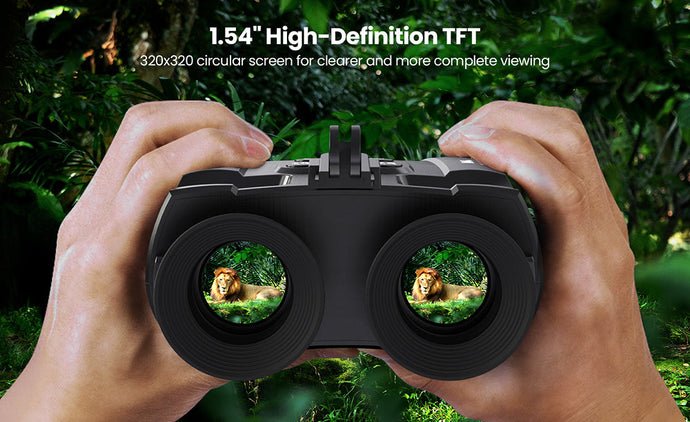
When you’re out on an anti-poaching patrol, every second counts. Spotting a threat early can mean the difference between protecting wildlife and losing it forever.
That’s why having the right binoculars is not just helpful—it’s essential. But with so many options on the market, how do you choose the binoculars that will keep you alert, focused, and ready? You’ll discover exactly what features matter most and which binoculars can give you the clear, reliable vision you need to make a real impact on the ground.
Keep reading to find out how to equip yourself for success.

Credit: www.amazon.ca
Key Features For Anti-poaching Binoculars
Choosing the right binoculars helps patrols detect threats early. Binoculars must work well in tough outdoor conditions. They need clear views at different distances and in low light.
This guide covers important features for binoculars used in anti-poaching patrols. Focus on durability, view quality, light performance, and comfort.
Durability And Weather Resistance
Binoculars must resist rain, dust, and shocks. Rugged builds protect lenses and mechanisms. Waterproof seals keep moisture out. Rubber armor offers a good grip and extra protection.
- Waterproof and fog-proof design
- Shock-resistant body
- Rubber coating for grip and protection
- Sealed lenses to prevent dust entry
Magnification And Field Of View
Magnification shows distant objects clearly. A wide field of view helps scan large areas fast. High magnification can narrow the view and make holding steady harder.
| Feature | Recommended Range | Benefit |
|---|---|---|
| Magnification | 7x to 10x | Clear view without too much shake |
| Field of View | 300 to 400 feet at 1000 yards | See wide areas quickly |
Low-light Performance
Patrols often work at dawn, dusk, or night. Binoculars must gather enough light for clear images. Large objective lenses and quality prisms help. Lens coatings reduce glare and improve brightness.
- Objective lens size: 40mm or more
- High-quality prism glass
- Anti-reflective lens coatings
Weight And Ergonomics
Lightweight binoculars reduce arm fatigue on long patrols. Comfortable grips and easy focus knobs improve use. A balanced design helps steady viewing for long periods.
- Weight under 30 ounces (850 grams)
- Rubberized grips for secure hold
- Large, smooth focus wheel
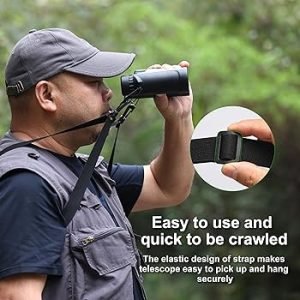
- Neck strap or harness compatibility
Recommended Binocular Types
Choosing the right binoculars is vital for anti-poaching patrols. The right tools help spot threats from far away.
This guide covers key types of binoculars to consider for effective surveillance and safety.
Roof Prism Vs Porro Prism
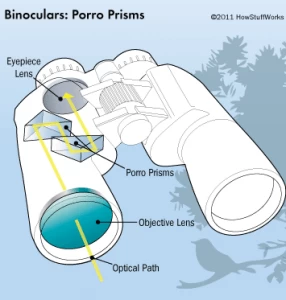
Roof prism binoculars are compact and easy to carry. Porro prism binoculars offer better depth perception and wider views.
- Roof Prism:Slim design, waterproof, good for quick use.
- Porro Prism:Bulkier, better image quality, usually cheaper.
- Durability:Roof prisms often handle rough use better.
- Image Brightness:Porro prisms give brighter images in low light.
Night Vision And Thermal Options
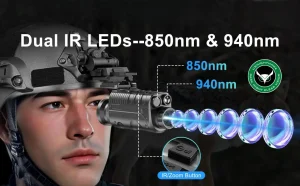
Night vision binoculars use infrared light to show images in the dark. Thermal binoculars detect heat from animals or humans.
| Type | How It Works | Best Use |
| Night Vision | Amplifies light in dark areas | Clear night viewing |
| Thermal | Detects heat signatures | Seeing through smoke or fog |
Rangefinder Binoculars
Rangefinder binoculars measure the distance to an object. This helps estimate how far animals or threats are.
- Use laser beams to calculate distance accurately.
- Help patrols plan safe approaches or retreats.
- Combine with GPS for better tracking.
Top Brands And Models
Binoculars are key tools for anti-poaching patrols. They help spot wildlife and detect threats from far away. Choosing the right binoculars improves safety and effectiveness in the field.
Different binoculars suit different needs. Some offer top-level optics and durability. Others balance quality with price. Specialized models add features for night vision or camouflage.
High-end Professional Binoculars
Professional binoculars offer clear images and strong build quality. They have wide lenses and good zoom. These models work well in tough environments and long patrols.
- Leica Ultravid HD-Plus: sharp optics and waterproof design
- Zeiss Victory SF: wide field of view and excellent clarity
- Swarovski EL Range: includes rangefinder for distance measurement
Affordable And Reliable Choices
Affordable binoculars offer good quality without high cost. They are lighter and easier to carry. These models suit shorter patrols and teams with limited budgets.
- Nikon Prostaff 3S: clear images with waterproof features
- Bushnell H2O: durable and fog proof for wet conditions
- Celestron Outland X: lightweight with multi-coated lenses
Specialized Anti-poaching Gear
Some binoculars include special features for anti-poaching work. Night vision helps patrols see in darkness. Camouflage colors reduce visibility to poachers.
- ATN BinoX 4K: night vision and video recording capabilities
- Steiner Nighthunter Xtreme: designed for low light and rough use
- Vortex Optics Diamondback HD: camo finish and waterproof
Maintenance And Care Tips
Binoculars used in anti-poaching patrols must stay reliable and clear. Proper care helps keep them ready for tough outdoor work.
Regular maintenance extends the life of binoculars and ensures good performance in the field.
Cleaning And Storage
Keep your binocular lenses clean and free from dust or smudges. Proper storage protects binoculars from damage and dirt.
- Use a soft brush or air blower to remove loose dirt.
- Clean lenses gently with a microfiber cloth and lens cleaner.
- Never use rough materials or household cleaners on lenses.
- Store binoculars in a dry, cool place inside a protective case.
- Keep silica gel packs in the storage case to prevent moisture.
Handling In Harsh Environments
Anti-poaching patrols face rain, dust, and rough terrain. Proper handling reduces the risk of damage.
Avoid dropping binoculars and keep them secured with a neck strap. Use waterproof covers if possible. Wipe off mud and dirt after each patrol.
Regular Inspection And Repairs
| Check | What to Look For | Action |
| Lens | Scratches or dirt | Clean or replace if damaged |
| Focus mechanism | Smooth operation | Lubricate or repair if stiff |
| Seals | Cracks or leaks | Replace to keep waterproof |
| Body | Cracks or dents | Repair or avoid heavy impact |
Check binoculars before and after patrols. Fix small issues early to avoid bigger problems later.
Training And Usage Strategies
Using binoculars well is key for anti-poaching patrols. Training helps patrol members spot animals and poachers from afar.
Good usage strategies improve safety and success. Teams learn to scan areas quickly and share information fast.
Effective Scanning Techniques
Scanning means looking carefully over wide areas. Patrol members should move their binoculars slowly and steadily.
Focus on edges of clearings and places with less cover. Poachers often hide in these spots.
- Use a zigzag pattern to cover wide spaces
- Stop and scan every few seconds to avoid missing details
- Adjust focus to see both close and far objects clearly
- Look for movement and unusual shapes
Coordinating With Patrol Teams
Patrol members must share what they see through binoculars. Clear communication helps the whole team act fast.
Use radios or hand signals to report sightings. Team leaders guide the group based on this information.
- Assign zones for each member to scan
- Report any signs of poachers immediately
- Confirm sightings with others before moving
- Keep backup teams ready to respond
Integrating Binoculars With Other Tools
Binoculars work best with other patrol tools. Combining them improves tracking and safety.
Use maps, GPS devices, and night vision gear along with binoculars. This helps patrols cover all conditions.
- Maps help mark areas seen through binoculars
- GPS tracks patrol routes and sighting points
- Night vision aids scanning in low light
- Two-way radios keep teams connected

Credit: cstactical.com

Credit: www.amazon.ca
Frequently Asked Questions
What Features Make Binoculars Ideal For Anti-poaching Patrols?
Ideal binoculars have high magnification, wide field of view, and excellent low-light performance. Durability and waterproofing are crucial for harsh environments. Lightweight design helps patrols stay agile during long hours.
How Important Is Night Vision In Anti-poaching Binoculars?
Night vision is vital for spotting poachers in low light. It enhances visibility during dawn, dusk, and nighttime patrols. This feature improves safety and increases the chances of detecting illegal activities.
What Magnification Level Suits Anti-poaching Binoculars Best?
A magnification between 8x and 10x is optimal. It balances zoom power with image stability. Higher magnification can cause shakiness, making it harder to track moving targets.
Are Waterproof Binoculars Necessary For Anti-poaching Patrols?
Yes, waterproof binoculars protect against rain and humidity. They ensure clear vision in wet conditions and prevent internal damage. This durability extends the binoculars’ lifespan in challenging environments.
Conclusion
Choosing the right binoculars helps protect wildlife effectively. Clear vision and durability matter most. Night vision and waterproof features add great value. Lightweight models reduce fatigue during long patrols. Reliable binoculars support quick response to threats. Every patrol benefits from good optical tools.
Protecting animals starts with sharp, steady sight. Equip your team with binoculars built for the task. Stay alert. Stay ready. Save lives.