Have you ever been excited to use your binoculars, only to find the lenses fogged up and your view completely blocked? It’s frustrating when your gear doesn’t perform just when you need it most.
If you spend time outdoors, you might wonder: are close-focus binoculars fog-proof? Understanding this can make a huge difference in your experience. You’ll discover how fog affects your binoculars and what features keep your vision clear, so you never miss a moment again.
Keep reading to find out how to protect your view, no matter the weather.
Close-focus Binoculars Basics
Close-focus binoculars let you see objects very near clearly. They are different from regular binoculars that focus on distant things.
These binoculars help you look at small details up close. They are useful for many activities that need clear near vision.
What Close-focus Means
Close-focus means a binocular can focus on objects that are very close to you. Usually, most binoculars focus on things far away.
- Close-focus distance can be as low as 2 to 3 meters.
- This allows seeing details of small objects nearby.
- Regular binoculars often have a minimum focus of 6 meters or more.
- Close-focus helps when observing things like insects or flowers.
Common Uses For Close-focus Binoculars
People use close-focus binoculars for many outdoor and indoor activities. These binoculars show clear images of nearby subjects.
| Use | Why Close-Focus Helps |
|---|---|
| Bird watching | Focus on small birds and nests close by |
| Insect observation | See details of small insects without touching |
| Botany | Look closely at leaves and flowers |
| Sports events | View players or objects near the field |
| Theater and concerts | See performers clearly from seats near the stage |

Credit: www.amazon.ca
Fogging Issues In Binoculars
Binoculars are useful for seeing distant objects clearly. But fogging can make viewing hard. This happens when moisture builds up inside or outside the lenses.
Fog can appear as a thin mist or water droplets. It reduces the sharpness and brightness of what you see. Understanding why fog forms helps prevent it.
Causes Of Fogging
Fog forms on binocular lenses mainly because of temperature changes and moisture. When warm, moist air touches a cold lens, water vapor turns into tiny droplets. These droplets block light and blur vision.
- Sudden changes in temperature between your hands and the air
- High humidity in the environment
- Breathing near the lenses during cold weather
- Improper sealing inside the binoculars allowing moisture in
- Using binoculars in rainy or foggy weather without protection
Effects On Viewing Experience
| Effect | Description |
| Blurry Image | Fog scatters light, making the image unclear. |
| Reduced Brightness | Less light passes through the lenses, dimming the view. |
| Eye Strain | Trying to see through fog can tire your eyes quickly. |
| Short Viewing Time | Fog forces you to stop using binoculars often. |
Fog-proof Features
Fog can blur the view through binoculars and make them hard to use. Some binoculars have special features to stop fog from forming inside the lenses. These features keep the view clear in different weather conditions.
Two common fog-proof features are nitrogen or argon purging and sealed O-ring construction. These help stop moisture from entering the binoculars and prevent fogging.
Nitrogen And Argon Purging
Manufacturers fill binoculars with dry nitrogen or argon gas. This process removes moisture and air inside the binoculars. It also stops internal fog from forming when the temperature changes.
- Nitrogen is a dry gas that does not cause fog.
- Argon is heavier than air and blocks moisture well.
- Both gases keep the inside of binoculars dry.
- This purging helps maintain clear views in cold or humid places.
Sealed O-ring Construction
O-rings are rubber seals placed where parts of binoculars join. They stop water, dust, and air from getting inside. The sealing keeps gas inside and prevents moisture from entering.
| Feature | Purpose |
| O-Ring Seals | Keep moisture and dust out |
| Waterproof Design | Protect binoculars in rain or wet places |
| Shock Resistance | Keep seals tight even if dropped |
| Durable Materials | Maintain seal integrity over time |
Are Close-focus Binoculars Fog-proof?
Close-focus binoculars allow you to see objects near to you clearly. Many users wonder if these binoculars can resist fogging. Fog-proof binoculars keep the lenses clear in cold or wet weather.
Not all close-focus models come with fog-proof features. It depends on the design and materials used by the manufacturer. Understanding the challenges helps explain why fog-proofing is not always present.
Design Challenges For Close-focus Models
Close-focus binoculars need special lens arrangements to view objects up close. This design can make it harder to seal the inside of the binoculars tightly. Any small opening lets moisture enter and cause fogging.
The lenses often move more in close-focus binoculars. This movement can break seals that keep air and moisture out. It is a challenge to balance close focus ability with good fog-proof protection.
- Lens movement can break seals
- More complex lens design
- Tight sealing is harder to maintain
- Risk of moisture entering inside
Available Fog-proof Options
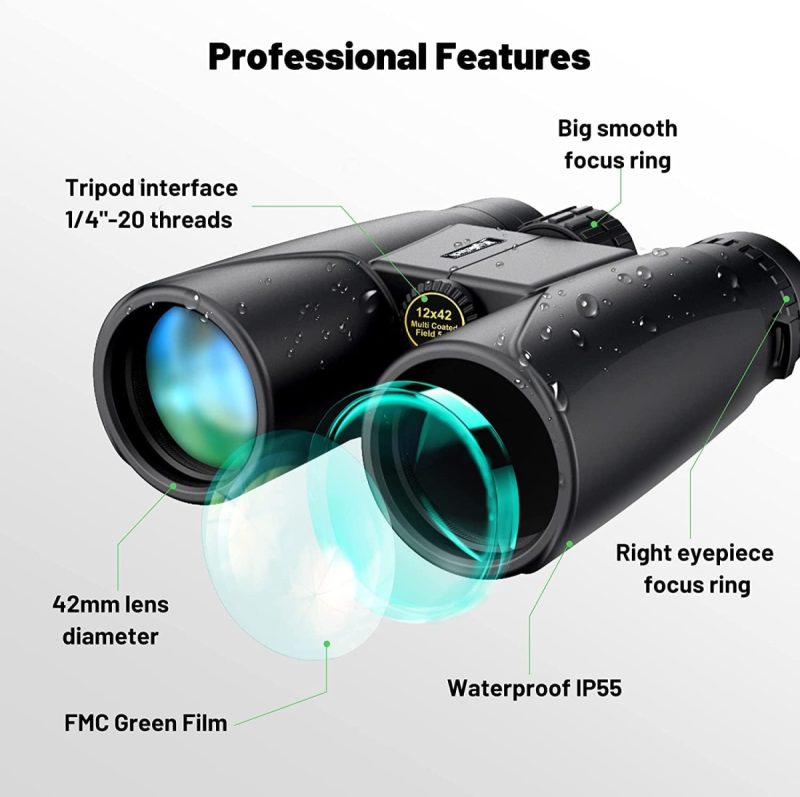
Many binoculars use nitrogen or argon gas to prevent fog inside the lenses. This gas fills the binoculars and stops moisture build-up. Some close-focus models have this feature, but not all.
Another option is a strong rubber or silicone seal. This seal blocks water and air from entering. Some close-focus binoculars combine gas filling and good seals to be fog-proof.
- Nitrogen or argon gas filling
- Waterproof and airtight seals
- Protective coatings on lenses
- Rubber armor to prevent damage
Maintenance Tips To Prevent Fogging
Close-focus binoculars often fog up due to moisture inside or outside the lenses. Proper care helps keep your view clear and sharp. Regular maintenance stops fog from building up during use.
Below are key tips on how to store and clean your binoculars to avoid fogging. These simple steps protect your investment and improve your experience.
Proper Storage
Store your binoculars in a dry, cool place away from direct sunlight. Moisture and heat can cause fog to form inside the lenses. Use a protective case to keep dust and humidity out.
- Keep binoculars in a sealed case with silica gel packs to absorb moisture.
- Avoid storing them in damp areas like basements or near windows.
- Remove batteries if you do not use the binoculars for long periods to prevent leaks.
- Leave lens covers on when not in use to prevent dust and moisture buildup.
Cleaning Techniques
Cleaning your binocular lenses properly helps prevent fog and keeps the view clear. Use gentle methods to avoid scratching or damaging the coatings.
| Cleaning Step | What to Use | Tips |
| Remove Dust | Soft brush or air blower | Blow off dust before wiping to avoid scratches |
| Clean Lenses | Microfiber cloth and lens cleaner | Use a circular motion, do not press hard |
| Dry Binoculars | Soft, dry cloth | Dry all surfaces to remove moisture |

Credit: www.amazon.ca
Choosing The Right Binoculars
Binoculars are handy for nature watching, sports, and travel. Picking the right pair means thinking about what you need most.
Close-focus binoculars let you see objects nearby very clearly. But fog-proof models keep your view clear in wet or cold weather.
Balancing Close-focus Capability And Fog Resistance
Close-focus binoculars focus on objects as close as a few feet away. This is great for observing flowers or insects. Fog-proof binoculars resist moisture inside the lenses. This helps prevent fogging when the temperature changes or on humid days.
- Look for binoculars with nitrogen or argon gas filling. These gases stop moisture from entering.
- Check if the lenses have special coatings to reduce fog and glare.
- Consider the minimum focusing distance. Close-focus models usually focus within 6 feet or less.
- Balance your need for close focus with fog resistance by choosing binoculars that offer both features.
Recommended Brands And Models
| Brand | Model | Close-Focus Distance | Fog-Proof Feature |
|---|---|---|---|
| Nikon | Prostaff 3S 8×42 | 6.5 feet | Nitrogen-filled, waterproof |
| Vortex | Diamondback 8×32 | 5 feet | Argon gas purged, fog-proof |
| Bushnell | Legend Ultra HD 10×42 | 8 feet | Waterproof, fog-resistant coatings |
Credit: www.discountdelights.co.uk
Frequently Asked Questions
Are Close-focus Binoculars Naturally Fog-proof?
Close-focus binoculars are not naturally fog-proof. They require special sealing and nitrogen or argon purging to prevent internal fogging. Without these features, moisture can accumulate inside, causing fog. Always check the specifications for fog-proof or waterproof labeling before purchase.
How Do Manufacturers Make Binoculars Fog-proof?
Manufacturers fill binoculars with nitrogen or argon gas and seal them tightly. This process prevents moisture from entering and condensing inside. Additionally, special coatings on lenses reduce fogging on the surface. These steps ensure clear views in humid or cold conditions.
Can Fog-proof Binoculars Fog Externally?
Fog-proof binoculars may still fog externally due to temperature changes. However, anti-reflective coatings help reduce surface fogging. External fog can be wiped off easily. Internal fog is what fog-proof technology primarily prevents for clearer vision.
Are All Close-focus Binoculars Waterproof And Fog-proof?
Not all close-focus binoculars are waterproof and fog-proof. These features depend on the model and manufacturer. Look for specific labels like “waterproof” and “fog-proof” when buying. This ensures durability and clear views in harsh weather conditions.
Conclusion
Close-focus binoculars often include fog-proof features to keep lenses clear. These features help prevent moisture from building inside the binoculars. This means you can use them in different weather without losing sight. Fog-proof binoculars work well for outdoor activities like birdwatching or hiking.
Choosing the right pair depends on your needs and budget. Always check product details to ensure they have fog-proof seals. Clear vision matters most for enjoying nature up close. Quality fog-proof binoculars make close viewing easier and more fun.