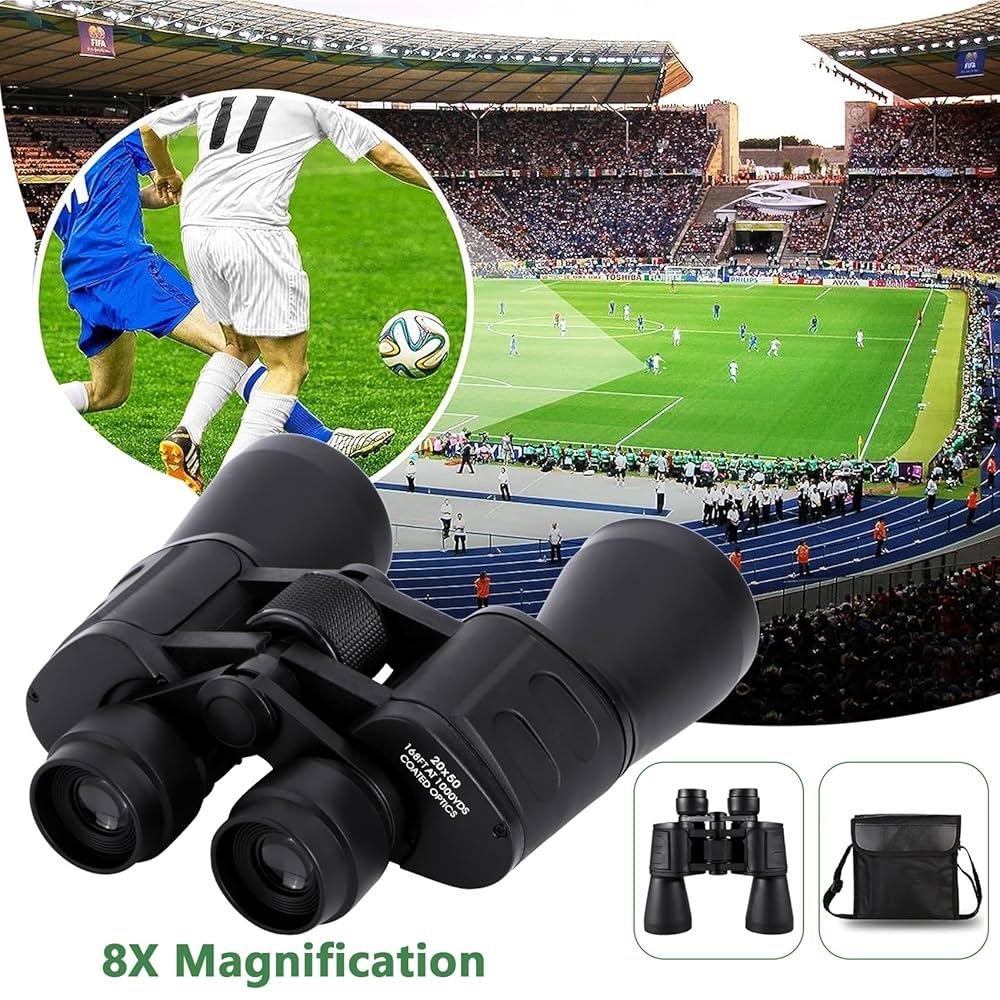
When you’re at a stadium, every moment counts. You want to catch every detail, every play, every expression—but sometimes the seats feel too far from the action.
That’s where the right binoculars come in. But how do you know what magnification is best for stadium binoculars? Choosing the wrong one can leave you with shaky, blurry views or miss out on the full experience. You’ll discover exactly what magnification suits your needs, so you can enjoy every game, concert, or event like you’re right on the field.
Keep reading, and never miss a moment again.

Credit: www.sunnysports.com
Choosing The Right Magnification
Picking the best magnification for stadium binoculars helps you see the action clearly. It also affects how easy the binoculars are to use.
You want a balance between zooming in close and keeping the image steady. Let’s look at common magnification options and how they work.
Common Magnification Ranges
Stadium binoculars usually have magnifications between 6x and 12x. Lower numbers show a wider view. Higher numbers zoom in more but can be harder to hold steady.
- 6x to 8x: Wider view, easier to hold steady
- 10x to 12x: Closer view, more detail, needs steady hands
- Above 12x: Rare for stadium use, often too shaky
Impact On Image Clarity
Higher magnification can make details clearer but may reduce brightness. Low light can make images look dim or blurry at high zoom levels.
| Magnification | Image Brightness | Image Stability |
| 6x to 8x | Bright and clear | Very stable |
| 10x to 12x | Moderate brightness | Less stable |
| Above 12x | Dim and blurry | Often shaky |
Balancing Magnification And Stability
High magnification can cause shaky images if you hold binoculars by hand. Lower magnification is easier to keep steady during fast movements.
Tips to balance magnification and stability:
- Choose 8x or 10x for a good mix of zoom and steadiness
- Use binoculars with grip-friendly designs
- Consider tripod mounts if you want very high magnification
- Practice holding binoculars steady before the event

Credit: www.discountdelights.co.uk
Field Of View Considerations
Choosing the right magnification for stadium binoculars depends on the field of view. Field of view means how much area you can see through the binoculars.
A wider field of view helps you see more of the action at once. Narrow views show less area but with more detail.
Wide Vs Narrow Views
Wide views let you see a larger part of the stadium. This is useful for tracking fast plays and multiple players. Narrow views focus on a smaller area, making details clearer but limiting what you see.
- Wide views show more of the field or court.
- Narrow views give a zoomed-in image.
- Wide views help you follow the game better.
- Narrow views help see fine details.
Effect On Tracking Moving Objects
Tracking moving objects like players is easier with a wider field of view. Narrow views make it hard to keep the object in sight because the view moves quickly out of frame.
| Magnification | Field of View | Tracking Ease |
| 6x | Wide | Easy |
| 8x | Moderate | Moderate |
| 10x | Narrow | Hard |
Portability And Weight Factors
Choosing the right magnification for stadium binoculars depends a lot on how easy they are to carry. Portability and weight affect how long you can use them comfortably.
Heavier binoculars with higher magnification can be tiring to hold. Lighter models with moderate magnification suit long events better.
How Magnification Affects Size
Higher magnification means larger lenses and heavier binoculars. This size increase can make carrying them for hours difficult.
| Magnification | Typical Weight | Portability |
|---|---|---|
| 6x | 300-400 grams | Very easy to carry |
| 8x | 400-600 grams | Moderately easy to carry |
| 10x | 600-900 grams | Less portable, heavier |
| 12x and above | 900+ grams | Least portable, heavy |
Comfort For Long Viewing Sessions
Comfort depends on weight and how steady you can hold the binoculars. Heavy binoculars strain your arms and neck.
- Choose binoculars under 600 grams for long use
- Use straps or harnesses to ease weight
- Look for ergonomic designs with padded grips
- Consider image stabilization if weight is high
Lighting Conditions And Optics
Choosing the best magnification for stadium binoculars depends on the light around you. Good optics help you see clearly at a distance.
Lighting conditions affect how well you can see details. The right magnification works with the light and lens quality.
Low Light Performance
Low light can make it hard to see distant objects. Stadiums often have shadows or night games where light is less.
Binoculars with moderate magnification (around 7x to 10x) work best. They let in more light and keep images bright.
- Higher magnification reduces brightness
- Lower magnification improves light intake
- Choose 7x to 10x for clear low light views
Lens Coatings And Brightness
Lens coatings help reduce glare and improve brightness. They make images sharper and clearer in all light conditions.
Look for binoculars with fully multi-coated lenses. These coatings increase light transmission and give a brighter view.
- Coated lenses reduce reflections
- Fully multi-coated lenses offer best brightness
- Bright lenses improve color and contrast
Popular Magnification Models
Choosing the right magnification for stadium binoculars is key to a good viewing experience.
Magnification affects how close and clear you see the action on the field or court.
Best 7x Binoculars
7x binoculars offer a wide field of view and steady images. They are great for fast-moving sports.
- Provide clear images with less shake
- Easy to hold without support
- Good for most stadium seating distances
- Lightweight and comfortable for long use
Top 8x And 10x Options
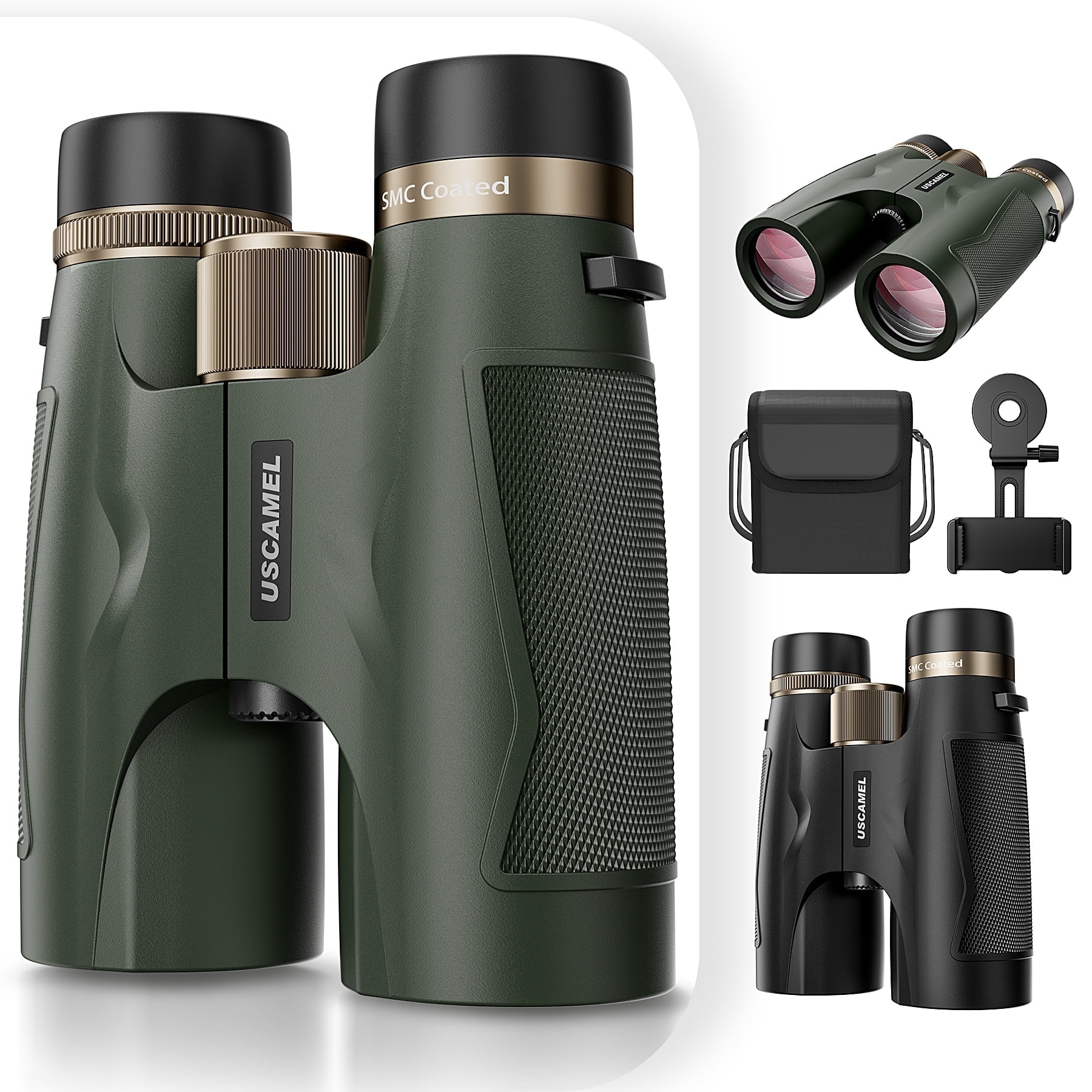
8x and 10x binoculars bring the action closer but can be harder to keep steady.
| Magnification | Pros | Cons |
| 8x | Good balance of zoom and stability | Heavier than 7x models |
| 10x | Closer view of details | More image shake, needs support |
Credit: www.walmart.com
Tips For Using Stadium Binoculars
Using stadium binoculars can help you see the action clearly. Choosing the right magnification is important. It affects how close and stable the image looks.
Here are some tips to get the best view at sports events. Focus on adjusting your binoculars and keeping them steady.
Adjusting For Focus And Zoom
Start by setting the focus to match your eyes. Use the central focus wheel to sharpen the image. If your binoculars have a zoom feature, adjust it carefully.
- Look through the binoculars with both eyes open.
- Turn the central focus wheel slowly until the image is clear.
- If needed, use the diopter adjustment for each eye.
- Change the zoom level only after you have a clear focus.
- Avoid zooming too much; it may blur the view.
Maintaining Stability
Keeping your binoculars steady is key for a clear image. Small movements can cause the picture to shake and strain your eyes.
| Tip | How to Do It |
|---|---|
| Use Both Hands | Hold binoculars firmly with both hands close to your body. |
| Lean on Support | Rest elbows on a stable surface like a railing or chair arm. |
| Use a Neck Strap | Wear the strap to reduce hand shaking and keep binoculars secure. |
| Breathe Slowly | Take slow breaths to calm your body and reduce shaking. |
Frequently Asked Questions
What Is The Ideal Magnification For Stadium Binoculars?
The ideal magnification for stadium binoculars is between 7x and 10x. This range offers clear, stable views without excessive shaking or limited field of view. It balances detail and comfort, making it perfect for watching sports or events from your seat.
Why Not Use Higher Magnification At Stadiums?
Higher magnifications, like 15x or more, reduce the field of view and cause image shakiness. They also make it harder to focus on fast-moving action. Stadium binoculars with moderate magnification provide better stability and a wider, clearer view of the entire game.
How Does Magnification Affect Binocular Size And Weight?
Higher magnification binoculars tend to be larger and heavier due to bigger lenses and complex optics. This can make them less comfortable to hold for long periods. Stadium binoculars with 7x to 10x magnification remain lightweight and easy to handle.
Can Lower Magnification Binoculars Work Well In Stadiums?
Yes, lower magnification binoculars (around 5x to 7x) offer a wide field of view and bright images. However, they provide less detail on distant players. They are good for casual viewing but might miss finer action details compared to 8x or 10x models.
Conclusion
Choosing the right magnification for stadium binoculars matters a lot. Too much zoom can make the view shaky and hard to follow. A medium level, like 8x to 10x, usually works best. It gives a clear and steady picture of the action.
Remember, comfort and ease of use are just as important. Pick binoculars that feel good in your hands and eyes. This way, you enjoy every moment of the game without strain or blur. Simple and steady wins the day.