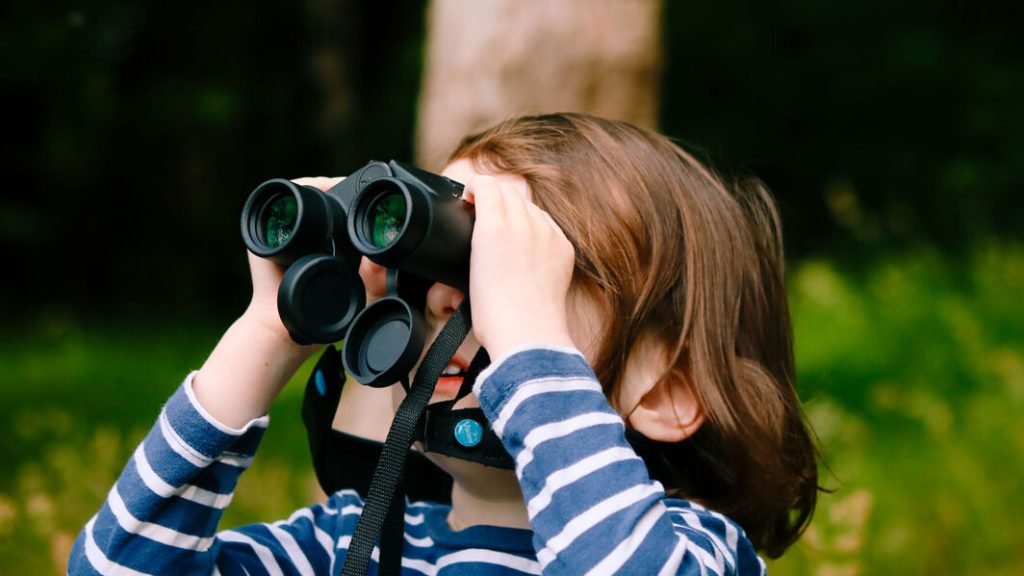
Are you thinking about giving your preschooler a pair of binoculars? It’s natural to wonder if they are safe for little hands and curious eyes.
You want to encourage your child’s sense of wonder and exploration, but you also want to keep them protected. What should you know before letting your preschooler use binoculars? This article will help you understand the risks, benefits, and important safety tips.
Keep reading to make sure your child’s adventure stays fun and safe.
Benefits Of Binoculars For Preschoolers
Binoculars can be a great tool for preschoolers. They help children see things that are far away clearly.
Using binoculars can support learning and make outdoor time more fun and educational.
Enhancing Curiosity And Exploration
Binoculars encourage kids to look closely at nature and their surroundings. This helps them ask questions and learn more.
When children explore with binoculars, they feel like little scientists discovering new things.
Developing Visual Skills
Using binoculars trains children to focus and track moving objects. This improves their hand-eye coordination.
Binoculars also help kids notice details, which sharpens their observation and concentration skills.
Encouraging Outdoor Activities
Binoculars motivate children to spend more time outside. They enjoy watching birds, animals, and plants.
Being outdoors with binoculars promotes healthy exercise and a love for nature.

Credit: www.reddit.com
Potential Risks For Young Children
Binoculars can be fun for preschoolers to explore the world. Still, there are risks parents should know. Young children may face dangers if they use binoculars without care.
Understanding these risks helps adults keep kids safe. Let’s look at the main concerns with binoculars and young children.
Eye Safety Concerns
Preschoolers might press binoculars too close to their eyes. This can cause eye strain or discomfort. Also, if the binoculars have strong lenses, bright light may hurt their eyes.
Young children may not know how to use binoculars properly. They might look at the sun by accident, which can damage their eyesight.
Physical Hazards
Binoculars often have small parts that can break off. These pieces can be choking hazards for young kids. Heavy or large binoculars may also be hard for preschoolers to hold safely.
- Small parts can cause choking
- Hard edges may cause bumps or cuts
- Heavy binoculars can be dropped on feet or hands
Kids may also trip or fall if they walk around while looking through binoculars. This can lead to injuries.
Proper Supervision Needs
Adults must watch preschoolers using binoculars. Supervision helps prevent accidents and misuse. Kids should learn how to use binoculars carefully and safely.
- Guide children on how to hold binoculars
- Stop kids from looking at bright lights
- Check binoculars for any broken parts
- Keep binoculars away when not in use
Supervised play ensures binoculars remain a fun and safe tool for young children to explore.
Choosing Safe Binoculars
Binoculars can be fun for preschoolers to explore the world. It is important to pick binoculars that are safe and easy for young children to use.
Parents should look for models made just for little hands and with features that protect children during play.
Age-appropriate Designs
Binoculars for preschoolers should have simple designs. They must be easy to hold and use without help. The focus and zoom controls should be simple to avoid frustration.
- Size fits small hands
- Easy-to-turn focus knob
- No small parts that can break off
- Bright colors to attract kids
- Soft eyepieces for comfort
Durable And Lightweight Materials
Young children can be rough with toys. Binoculars should be made from strong, impact-resistant plastic. The lenses need to be safe and not easily scratched.
| Material | Benefit |
| Polycarbonate | Strong and shatterproof |
| Rubber Coating | Protects from drops and slips |
| Lightweight Plastic | Easy for kids to carry |
| Plastic Lenses | Safe and less breakable than glass |
Non-toxic And Child-friendly Features
Binoculars made for preschoolers should use safe, non-toxic materials. Paints and plastics must be free from harmful chemicals. Soft edges keep kids from getting hurt.
- Non-toxic paint and plastics
- Rounded edges to avoid cuts
- Straps to keep binoculars secure
- Easy-to-clean surfaces
- Large eyecups to prevent eye strain

Credit: www.ebay.com
Safety Tips For Parents
Binoculars can be fun and educational for preschoolers. Parents should guide their children to use them safely.
Knowing how to set rules and check equipment helps keep kids safe while exploring with binoculars.
Setting Usage Guidelines
Make clear rules about when and where your child can use binoculars. Limit outdoor use to safe areas, like your yard or park.
- Only use binoculars under adult supervision.
- Do not look directly at the sun or bright lights.
- Keep usage times short to avoid eye strain.
- Store binoculars safely after use to prevent damage.
Teaching Correct Handling
Show your preschooler how to hold and carry binoculars properly. Teach them to use both hands and avoid dropping the device.
- Hold binoculars with two hands for stability.
- Use the neck strap to prevent falls.
- Do not touch the lenses with fingers.
- Keep binoculars clean and dry.
Regularly Inspecting The Binoculars
Check binoculars often to make sure they are safe and working well. Look for loose parts or sharp edges that may hurt your child.
| What to Check | Why It Matters |
| Loose screws | Can cause parts to fall off and create hazards |
| Scratched or dirty lenses | Affect vision and may cause eye strain |
| Damaged straps | Increase risk of dropping binoculars |
| Sharp edges | Can cause cuts or injuries |
Fun Activities With Binoculars
Binoculars are great tools to explore the world around us. They help kids see things far away clearly and make outdoor time more exciting.
Preschoolers enjoy using binoculars for many fun activities. These activities also teach them about nature and encourage curiosity.
Nature Watching
Look at trees, flowers, and animals in the park or backyard. Binoculars help kids notice small details from a distance.
- Spot different types of leaves and flowers.
- Watch insects like butterflies and bees up close.
- Observe animals without scaring them away.
Bird Spotting
Bird watching is a fun way to use binoculars. Kids can learn to identify birds by their colors and shapes.
| Bird Type | Color | Common Location |
| Robin | Red breast | Gardens and parks |
| Blue Jay | Blue and white | Wooded areas |
| Cardinal | Bright red | Backyards and forests |
Outdoor Treasure Hunts
Binoculars make treasure hunts more fun. Kids look for hidden objects far away and feel like explorers.
- Pick a list of things to find, like a red leaf or a bird’s nest.
- Use binoculars to scan the area carefully.
- Check off each item found on the list.
- Celebrate the finds with a small prize or cheer.

Credit: www.amazon.com
Frequently Asked Questions
Are Binoculars Safe For Preschoolers To Use?
Yes, binoculars can be safe for preschoolers with adult supervision. Choose child-friendly models with soft edges and low magnification to protect their eyes.
What Features Make Binoculars Safe For Young Children?
Safe binoculars for kids have rubber grips, lightweight design, and low magnification (around 4x). These features prevent eye strain and ensure easy handling.
How Can Parents Ensure Safe Binocular Use?
Parents should supervise use, teach proper handling, and avoid direct sunlight exposure. Regular breaks help prevent eye fatigue and accidents.
Can Binoculars Cause Eye Damage In Preschoolers?
Improper use may strain eyes but binoculars don’t cause permanent damage. Using child-appropriate models and guidance minimizes risks significantly.
Conclusion
Binoculars can be safe for preschoolers with close adult supervision. Choose models made for kids with soft edges and easy focus. Teach children how to use them gently and never point at bright lights. Keep playtime short to avoid eye strain.
Safety and fun go hand in hand. Watching nature up close can spark curiosity and learning. Always check for small parts that might be a choking hazard. With care, binoculars become a great tool for young explorers. Safety first, then adventure.