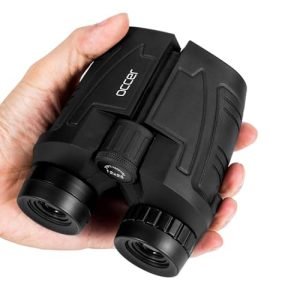
Are you worried about your binoculars getting scratched during your outdoor adventures? You want gear that lasts and stays clear no matter where you take it.
When it comes to ED binoculars, many ask: are they really scratch-resistant? Knowing the answer can save you money and frustration. You’ll discover how tough ED binocular lenses really are and what you can do to protect your investment. Keep reading to find out if your binoculars can handle the rough and tumble of your next trip.

Credit: www.amazon.com
What Are Ed Binoculars?
ED binoculars use extra-low dispersion glass. This glass reduces color blur. It helps create clear and sharp images.
These binoculars are popular for bird watching and outdoor use. They offer better color and contrast than regular binoculars.
Definition Of Ed Glass
ED stands for Extra-low Dispersion. This type of glass controls how light bends inside the lens. It reduces chromatic aberration, which causes color fringing around objects.
Benefits Of Ed Binoculars
- Sharper images with less color blur
- Improved contrast and brightness
- Better viewing experience for nature and sports
- Clearer details at long distances
How Ed Glass Works
ED glass has special properties that slow down light rays. This helps all colors focus on the same point. Without ED glass, colors may separate and cause blurry edges.
| Type of Glass | Effect on Image |
| Standard Glass | More color fringing, less sharpness |
| ED Glass | Less color fringing, sharper details |
Materials Behind Scratch Resistance
Scratch resistance in ED binoculars depends on the materials used. The lenses and coatings protect the glass from damage. Good materials help keep the binoculars clear and durable.
Choosing the right materials improves how well the binoculars resist scratches. This extends the life of the lenses and keeps the view sharp.
Lens Coatings Explained
Lens coatings add a thin layer to the glass surface. This layer helps prevent scratches and reduces glare. It also improves light transmission for clearer images.
Different coatings protect the lenses in different ways. Some coatings are harder, making the glass less likely to scratch. Others repel dust and water, which can damage lenses over time.
- Hard coatings increase scratch resistance
- Anti-reflective coatings improve image clarity
- Water-repellent coatings protect against moisture
- Dust-resistant coatings keep lenses clean longer
Role Of Glass Quality
High-quality glass is less likely to scratch than cheaper glass. It is made with purer materials and has a smoother surface. This makes it more durable and clearer.
Extra-low dispersion (ED) glass reduces color blur and improves sharpness. This glass often has better scratch resistance because of its quality and coating compatibility.
- Pure glass has fewer impurities
- Smoother glass surface resists damage
- ED glass improves image sharpness
- Better glass pairs well with protective coatings
How Scratch-resistant Are Ed Binoculars?
ED binoculars are known for clear images and sharp views. Many people wonder if their lenses are scratch-resistant. Scratch resistance is important to keep the binoculars working well.
This article looks at how scratch-resistant ED binoculars are. It explains common features and the limits of scratch protection.
Common Scratch-resistant Features
ED binoculars often have special coatings on their lenses. These coatings help protect the glass from small scratches. The coatings also reduce glare and improve image quality.
Manufacturers use hard materials on the lens surface. These materials make the lens tougher against light damage. The outer body of the binoculars is also made to resist scratches.
- Hard coating on lenses to prevent scratches
- Protective outer body material
- Water and dust resistance that limits damage
- Rubber armor to absorb impacts
Limitations To Scratch Protection
Scratch-resistant does not mean scratch-proof. Strong impacts or rough handling can still cause scratches. Using binoculars without a case can increase damage risk.
Some materials are softer than others. Over time, even hard coatings may wear down. Sand, dirt, and sharp objects can create marks on lenses or body.
- Not fully protected from deep or sharp impacts
- Coatings can wear off with heavy use
- Improper cleaning may cause scratches
- Exposure to dirt and sand increases risks
Comparing Ed Binoculars With Other Types
ED binoculars use special glass to reduce color blur. This makes images clearer and sharper than regular binoculars.
Scratch resistance is important to keep lenses clear for a long time. Let’s compare ED binoculars with other types.
Ed Binoculars
ED binoculars have extra-low dispersion glass that improves image quality. This glass is often coated to resist scratches.
Coatings help protect lenses, but ED glass itself is not fully scratch-proof. Care is still needed to avoid damage.
Standard Binoculars
Standard binoculars use regular optical glass. They often lack special coatings for scratch resistance.
This makes their lenses more vulnerable to scratches from dust or rough handling.
Waterproof And Fogproof Binoculars
These binoculars focus on sealing and moisture protection. They may have coatings that add scratch resistance.
While they protect against water and fog, their scratch resistance depends on the lens coating quality.
Porro Prism Binoculars
Porro prism binoculars use a different lens design for better depth perception. Scratch resistance varies by model.
Some have coated lenses, but many use standard glass that can scratch easily.
Roof Prism Binoculars
Roof prism binoculars are compact and often have multi-coated lenses. These coatings can add scratch resistance.
High-end models tend to have better scratch protection than budget versions.
Tips To Maintain Scratch-free Lenses
Ed binoculars have delicate lenses. Keeping them free from scratches helps you see clearly.
Simple care steps can protect your lenses and extend the life of your binoculars.
Proper Cleaning Techniques
Cleaning lenses the right way removes dirt without causing scratches. Use soft materials and gentle methods.
- Blow off dust with a soft brush or air blower.
- Use a microfiber cloth to wipe lenses gently.
- Apply lens cleaning solution designed for optics.
- Do not use paper towels or rough fabrics.
- Clean in a circular motion, not back and forth.
Storage And Handling Advice
Proper storage and careful handling prevent lens damage and keep binoculars ready to use.
| Storage Tip | Reason |
| Keep binoculars in a padded case | Protects lenses from scratches and impacts |
| Store in a dry, cool place | Prevents moisture and mold on lenses |
| Always cover lenses with caps | Blocks dust and dirt from settling |
| Handle with clean, dry hands | Avoids transferring oils and dirt |
Credit: www.krale.shop
When To Replace Or Repair Binocular Lenses
Binocular lenses are key to clear and sharp viewing. Scratches or damage can affect your experience. Knowing when to fix or replace them saves time and money.
In this guide, we explain signs of lens damage. We also cover repair options and when replacement is necessary.
Signs Your Binocular Lenses Need Attention
Look for visible scratches, cracks, or dirt that cleaning can’t remove. These flaws reduce image quality and can strain your eyes.
- Blurry or distorted images
- Scratches that catch light or blur vision
- Cracks or chips on the lens surface
- Persistent dirt or smudges
When To Repair Binocular Lenses
Minor scratches and dirt can often be fixed. Small damages may be polished or cleaned professionally. Repairs keep costs low and extend lens life.
Choose repair if:
- Scratches are shallow and few
- The lens coating is intact
- Damage does not affect lens alignment
- Cost of repair is less than replacement
When To Replace Binocular Lenses
Replace lenses if damage is severe. Deep scratches, cracks, or coating loss require lens replacement. This restores viewing quality and protects your eyes.
| Condition | Recommended Action |
| Deep scratches or cracks | Replace lenses |
| Lens coating peeling or worn off | Replace lenses |
| Misaligned lenses or focus issues | Repair or replace depending on cost |
| Minor scratches or dirt | Repair lenses |
Tips To Prevent Lens Damage
Protect your binocular lenses by following these tips:
- Always use lens caps when not in use
- Store binoculars in a padded case
- Clean lenses with a microfiber cloth only
- Avoid touching lenses with fingers
- Keep binoculars away from harsh environments

Credit: www.amazon.com
Frequently Asked Questions
Are Ed Binoculars Equipped With Scratch-resistant Lenses?
Yes, many ED binoculars feature scratch-resistant coatings. These coatings protect lenses from minor abrasions, extending durability. However, the level of scratch resistance varies by brand and model. Proper care and storage further enhance lens longevity and clarity.
How Does Scratch Resistance Improve Ed Binoculars’ Performance?
Scratch resistance maintains clear and sharp images. Scratches can distort light and reduce image quality. Coatings help preserve the optical clarity needed for detailed viewing. This ensures consistent performance during outdoor activities.
Can I Apply Additional Scratch Protection To Ed Binoculars?
Yes, you can use lens protectors or covers. These accessories add an extra protective layer. Regular cleaning with microfiber cloths also prevents scratches. Avoid abrasive materials to maintain the lens coating integrity.
Do All Ed Binoculars Have The Same Scratch Resistance?
No, scratch resistance varies among different ED binocular models. Higher-end models usually have better coatings. Always check product specifications for scratch-resistant features before purchasing.
Conclusion
ED binoculars offer some scratch resistance but are not fully scratch-proof. Their coatings help protect lenses from minor scratches during regular use. Still, rough handling or sharp objects can damage the lenses. Regular care and proper storage keep your binoculars in good shape.
Remember, no lens coating can completely stop all scratches. Choose ED binoculars if you want better image quality and decent scratch protection. Treat them gently to enjoy clear views for a long time.