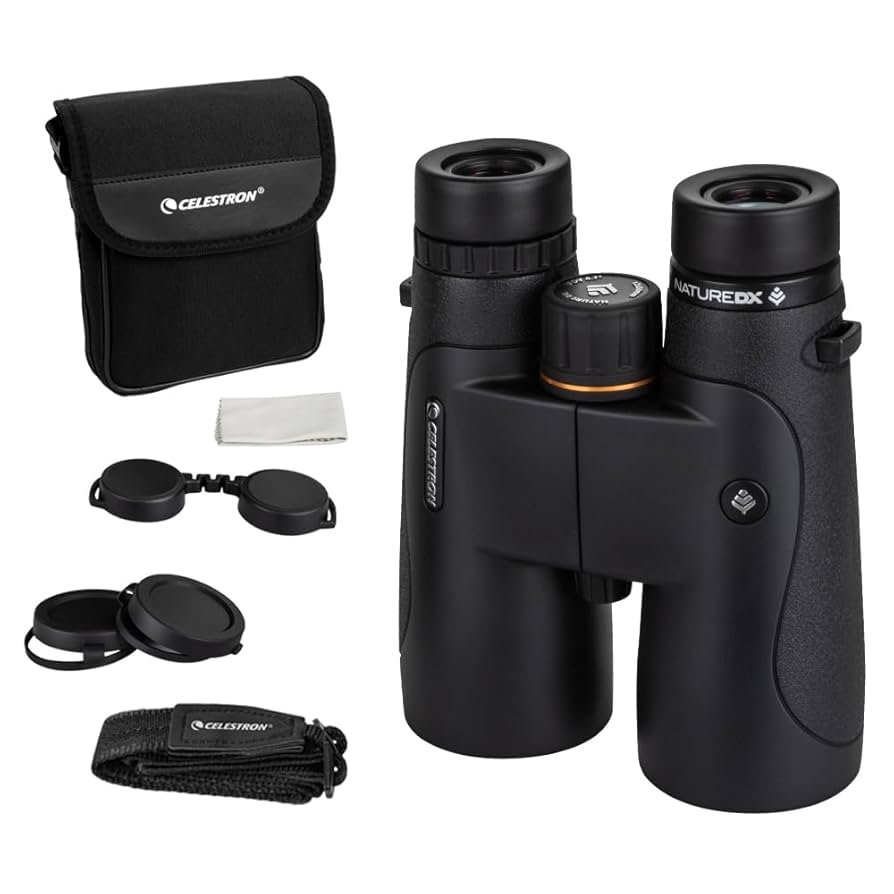
Are you wondering if close-focus binoculars come with protective armor? If you spend time exploring nature or watching wildlife up close, you know how important it is to keep your gear safe.
But not all binoculars are built the same. You might be asking yourself: will my close-focus binoculars stand up to bumps, drops, or rough handling? You’ll discover the truth about their durability and what features to look for to protect your investment.
Keep reading to make sure your binoculars are ready for every adventure.

Credit: www.optics-trade.eu
Close-focus Binoculars Basics
Close-focus binoculars let you see objects very near to you. They are perfect for watching small things up close. These binoculars bring close details into sharp view.
They are different from regular binoculars because they focus on nearby subjects. This makes them great for nature lovers and hobbyists alike.
Features Of Close-focus Binoculars
Close-focus binoculars have unique features that support near viewing. They often have a short minimum focusing distance. This means you can see objects just a few feet away clearly.
- Short minimum focus distance, usually under 6 feet
- High-quality optics for sharp images
- Wide field of view for better close-up observation
- Compact and lightweight designs
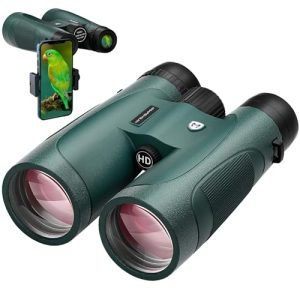
- Often include protective armor for durability
Common Uses
People use close-focus binoculars in many ways. They work well for observing flowers, insects, and small animals. They are handy for bird watchers who want to see nests and details.
| Activity | Why Use Close-Focus Binoculars |
| Bird Watching | See birds and nests nearby |
| Flower Observation | View petals and details clearly |
| Insect Study | Watch insects without disturbing them |
| Hiking | Spot small objects on trails |
| Sports Events | Focus on close action details |
Types Of Protective Armor
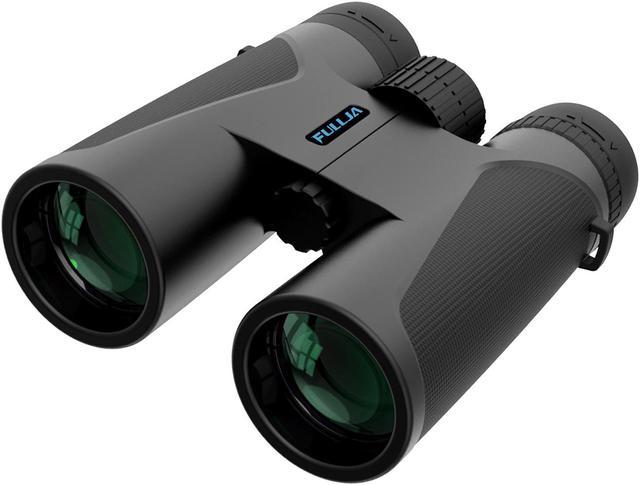
Close-focus binoculars often have protective armor to keep them safe. This armor helps protect against drops and rough use. It also makes the binoculars easier to hold.
There are different types of protective armor. Each type offers unique benefits to protect the binoculars in various conditions.
Rubber Coating
Rubber coating covers the outside of binoculars. It provides a soft, grippy surface. This helps prevent slipping from your hands.
Rubber also absorbs shocks. It protects the binoculars from small bumps and drops. This coating is common on many models.
- Improves grip in wet or dry conditions
- Absorbs impact from minor drops
- Protects against scratches and dents
Armored Housing
Armored housing means the binoculars have a strong outer shell. This shell is usually made of tough plastic or metal. It protects the internal parts well.
This type of armor is good for rough environments. It keeps dirt and moisture away. It also helps the binoculars last longer.
- Strong outer shell for extra durability
- Protects against dust and water
- Built to withstand rough handling
Lens Covers
Lens covers protect the glass parts of binoculars. They stop dust, scratches, and dirt from damaging the lenses. Covers are often made of plastic or rubber.
Many binoculars come with attached or removable lens covers. Using them keeps the lenses clear and safe during travel or storage.
- Prevents scratches on lens surfaces
- Keeps dust and dirt away
- Can be attached or removable
Armor In Close-focus Binoculars
Close-focus binoculars let you see objects very near. They are great for bird watching and nature viewing. Protection is important to keep them safe.
Armor on binoculars helps protect against drops and rough use. Not all close-focus binoculars have the same level of armor.
Standard Protection Levels
Most close-focus binoculars come with basic rubber armor. This rubber covers the body and adds grip. It helps prevent scratches and small bumps.
The rubber armor also makes the binoculars easier to hold. It absorbs light impacts and protects the glass slightly. This level is enough for casual outdoor use.
- Rubber coating for grip and minor impact protection
- Lightweight and easy to carry
- Protects against scratches and dirt
Models With Enhanced Armor
Some close-focus binoculars have stronger armor for tough conditions. They use thick rubber or hard plastic shells. This armor can handle drops and rough handling.
Enhanced armor often covers more of the binocular. It may also be waterproof and dustproof. These models are ideal for harsh outdoor activities and professional use.
- Thick rubber or hard plastic outer shell
- Shockproof and drop-resistant design
- Waterproof and dustproof features
- Better grip in wet or slippery conditions
Benefits Of Protective Armor
Protective armor on close-focus binoculars helps keep them safe. It improves their strength and shields them from damage. This feature is important for anyone using binoculars outdoors.
Binoculars with armor last longer and work better in tough conditions. They offer users peace of mind by reducing the risk of damage during use.
Durability And Impact Resistance
Protective armor makes binoculars strong and resistant to shocks. It helps protect the lenses and internal parts from drops or bumps. This makes the binoculars last longer and perform well over time.
- Absorbs shocks from accidental drops
- Prevents scratches on the body
- Protects lenses from impacts
- Improves grip, reducing slips
Weatherproofing Advantages
| Weather Condition | Benefit of Protective Armor |
| Rain | Keeps water out, prevents damage |
| Snow | Stops moisture from entering |
| Dust | Blocks dust and dirt particles |
| Humidity | Reduces fogging inside lenses |
Protective armor helps binoculars handle different weather conditions. It seals the device against water, dust, and fog. This keeps the view clear and the binoculars working well outdoors.
Choosing Binoculars With Armor
Close-focus binoculars often come with protective armor. This armor helps protect them from drops and scratches. Choosing binoculars with good armor is important for durability.
Armor also helps improve grip. It makes holding the binoculars easier, especially in wet or cold conditions. Let’s explore how to choose binoculars with the right armor.
Factors To Consider
Look at the type of armor used on the binoculars. Rubber coatings are common and provide good shock absorption. Some models use harder plastic or metal parts for extra protection.
Check how the armor covers the binoculars. Full coverage protects more areas. Partial armor may leave some parts exposed to damage. Also, consider the weight armor adds to the binoculars.
- Material: rubber, plastic, or metal
- Coverage: full or partial protection
- Grip quality and comfort
- Added weight from armor
- Water and dust resistance features
Price Vs. Protection
Binoculars with strong armor usually cost more. The price reflects the quality of materials and protection level. Cheaper models may have less durable armor.
Decide how much protection you need. If you use binoculars outdoors a lot, spend more on armor. For light use, a basic protective cover might be enough.
- Higher price often means better armor
- Good armor helps avoid repair costs
- Consider your usage environment
- Balance cost with durability needs

Credit: store.theshootingcentre.com
Maintaining Armor On Binoculars
Close-focus binoculars often come with protective armor to guard against drops and scratches. Keeping this armor in good shape helps protect your binoculars for a long time. Simple care and attention make a big difference in maintaining their durability.
This guide explains how to clean and repair the armor on your binoculars. Following these tips will keep your gear safe and ready for use.
Cleaning Tips
Cleaning the armor regularly removes dirt and oils that can wear down the surface. Use gentle methods to avoid damage.
- Use a soft cloth to wipe off dust and dirt.
- Dampen the cloth slightly with water if needed, but avoid soaking the armor.
- Do not use harsh chemicals or solvents on the armor.
- Clean the binocular lenses with lens-safe wipes only.
- Dry the armor fully before storing the binoculars.
Repair And Replacement
If the armor cracks or peels, it may need repair or replacement. Small fixes can extend the life of the binoculars.
| Problem | Repair Tip | Replacement Advice |
| Small cracks | Use flexible adhesive designed for rubber or plastic. | Replace armor if cracks worsen. |
| Peeling sections | Apply rubber glue to reattach loose parts. | Remove and replace armor if peeling spreads. |
| Deep cuts or holes | Patch with a rubber repair kit. | Contact manufacturer for replacement armor. |
Credit: www.newegg.com
Frequently Asked Questions
Do Close-focus Binoculars Have Built-in Protective Armor?
Most close-focus binoculars include rubber armor for shock resistance. This armor protects the device from drops and rough handling. It also improves grip and comfort during use. However, not all models have the same level of protection, so check product details before buying.
Why Is Protective Armor Important For Binoculars?
Protective armor shields binoculars from impacts, scratches, and weather damage. It ensures durability and longevity, especially during outdoor activities. Armor also enhances grip, reducing the risk of accidental drops. This makes it essential for rugged use in hiking, birdwatching, or sports.
Can I Add Protective Armor To My Binoculars?
Yes, you can add aftermarket rubber or silicone covers to binoculars. These covers offer extra shock absorption and weather protection. They are affordable and easy to install. However, factory-built armor usually fits better and provides more reliable protection.
Are Armored Binoculars Heavier Than Non-armored Ones?
Armored binoculars are slightly heavier due to added rubber or silicone layers. The weight increase is minimal and often worth the extra protection. Modern materials keep the weight low while enhancing durability. This slight weight difference rarely affects usability.
Conclusion
Close-focus binoculars often come with some form of protective armor. This armor helps protect the lenses and body from scratches and bumps. It also makes the binoculars easier to grip. Not all models have the same level of protection, so check before buying.
Durable armor means the binoculars last longer in rough conditions. This feature adds value without making the device heavy. Choosing binoculars with good protection keeps your gear safe during use. Simple armor can make a big difference in everyday handling.