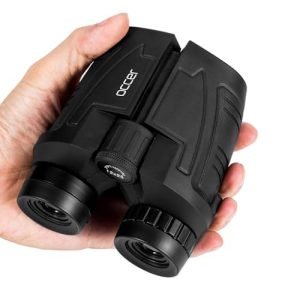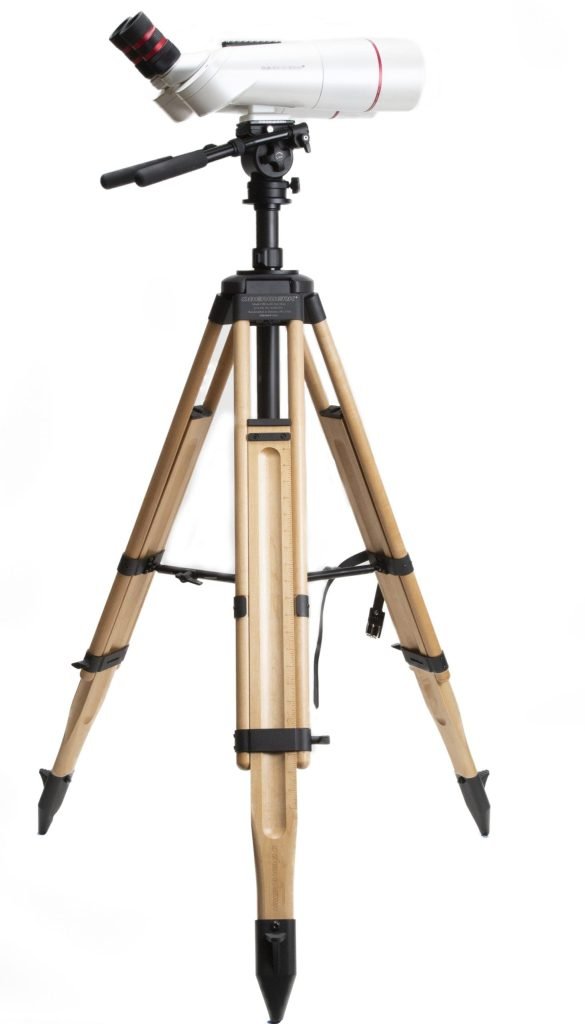
Have you ever struggled to keep your binoculars steady while trying to get a clear view? If you use ED binoculars, you might be wondering if there’s a way to mount them on a tripod for better stability and sharper images.
Imagine being able to enjoy long, comfortable viewing sessions without the shake or fatigue from holding your binoculars by hand. You’ll discover whether your ED binoculars can be tripod-mounted, how to do it, and the benefits you can expect. Keep reading to unlock the full potential of your binoculars and take your viewing experience to the next level.
Credit: oberwerk.com
Benefits Of Using A Tripod
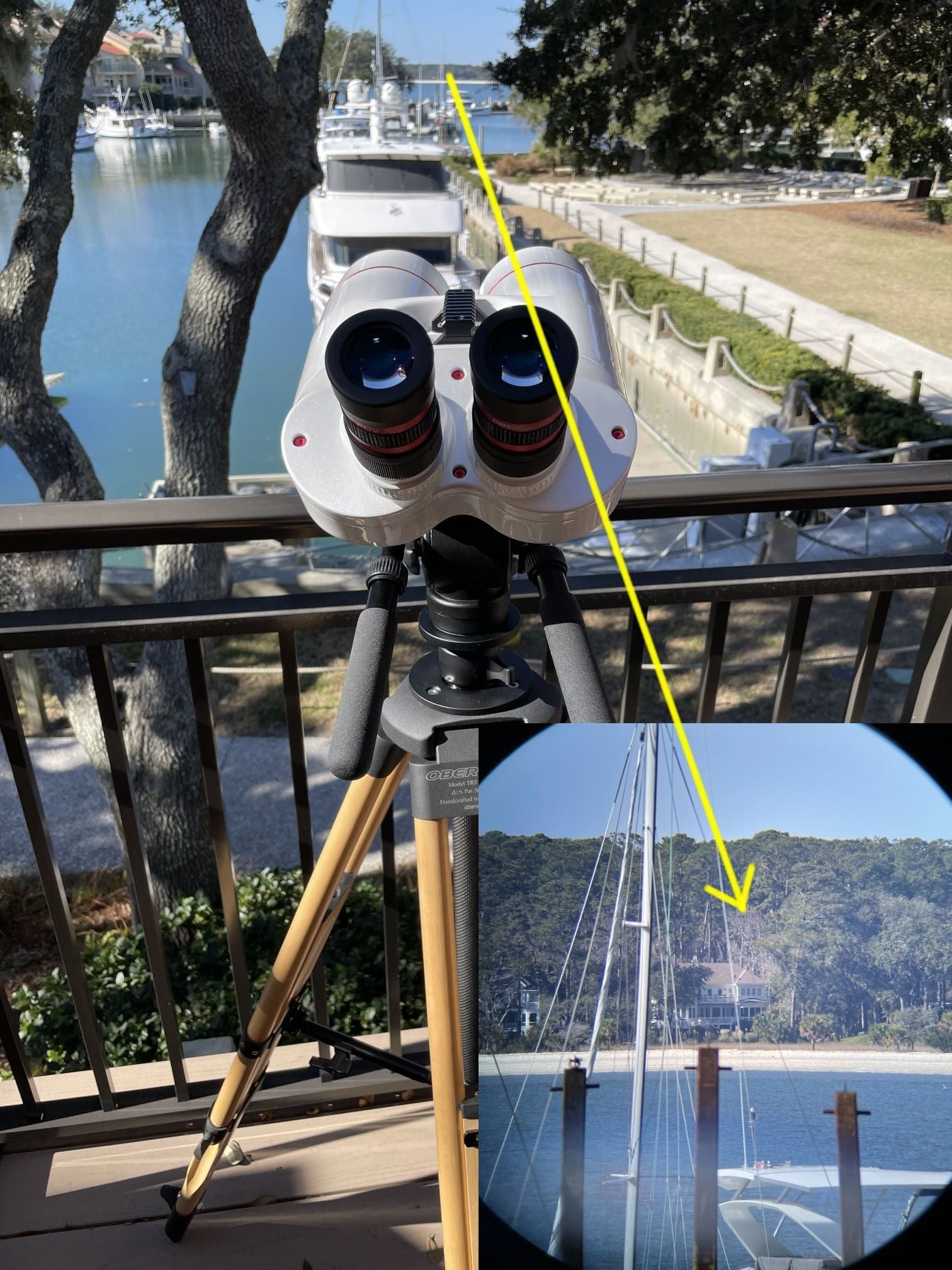
Ed binoculars can be mounted on a tripod for better use. A tripod helps hold the binoculars steady. This makes viewing clearer and more comfortable.
Using a tripod with your binoculars gives you many benefits. It improves your experience by making it easier to see distant objects without shaking.
Enhanced Stability
A tripod keeps your binoculars stable and still. This prevents movement that can blur the image. Stability is very important for sharp views.
Holding binoculars by hand can cause small movements. A tripod holds them firmly in one place. This helps you focus on objects clearly.
Reduced Handshake
Hand shaking is common when holding binoculars. It makes the view jump and can be tiring. A tripod stops this problem by supporting the weight.
Reducing handshake helps you see details better. It also lowers eye strain during long viewing sessions. Tripods are useful for steady images.
Improved Viewing Comfort
Using a tripod lets you relax your arms and hands. You do not have to hold the binoculars all the time. This makes watching more comfortable and less tiring.
You can adjust the tripod height to suit your position. This helps you find the best angle for viewing. Comfort is important for long observation periods.
Types Of Ed Binoculars
ED binoculars use special glass to give clear images with less color blur. They come in different types based on size and use.
Knowing the types helps you choose the best model for your needs and if they can be mounted on a tripod.
Compact Models
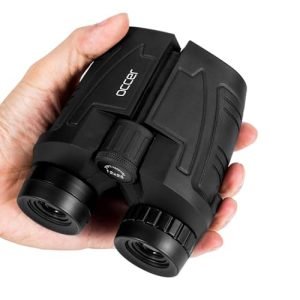
Compact ED binoculars are small and light. You can carry them easily for quick use outdoors.
These models usually do not have a tripod mount, but some come with adapters to fit a tripod.
- Easy to hold with hands
- Good for hiking and travel
- Limited tripod support
Full-size Models
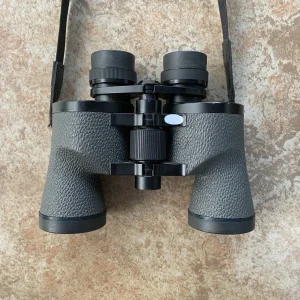
Full-size ED binoculars are larger and heavier. They provide better image quality and brightness.
Most full-size models have built-in tripod mounts or adapters for steady viewing over long periods.
- Heavier but clearer images
- Good for bird watching and astronomy
- Often tripod compatible
Specialized Designs
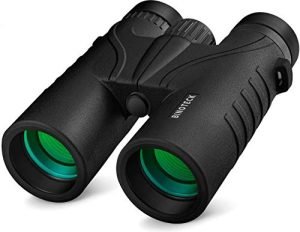
Specialized ED binoculars include waterproof, night vision, or zoom models. They serve specific needs.
Many specialized designs come with tripod mounts to support their extra weight or enhance stability.
- Waterproof and rugged for harsh use
- Night vision for low light conditions
- Zoom models may need tripods for stability
Tripod Mounting Options
Many binoculars can be attached to a tripod for stable viewing. This helps reduce hand shake and improves image clarity. There are several ways to mount binoculars on a tripod.
Choosing the right mounting option depends on your binocular type and tripod. Let’s explore common tripod mounting options for binoculars.
Built-in Tripod Adaptors
Some binoculars come with built-in tripod adaptors. These adaptors are usually a threaded socket at the center hinge. You can screw the binoculars directly onto a tripod head.
Built-in adaptors are easy to use and provide good stability. You do not need extra parts or tools to mount binoculars this way.
- Threaded socket located on the binocular’s center hinge
- Directly attach to standard tripod screws
- Quick and secure mounting option
Universal Tripod Adapters
Universal tripod adapters work with many binoculars that lack built-in mounting options. They clamp around the binocular body and provide a tripod screw hole.
These adapters fit different binocular sizes. They allow mounting on most tripods without needing custom parts.
- Adjustable clamps fit various binocular models
- Provide standard tripod screw thread
- Often include quick-release features
Custom Mount Solutions
For large or specialty binoculars, custom mounts may be needed. These mounts are designed to fit specific binocular shapes and sizes.
Custom mounts can be made from metal or plastic. They offer a secure fit and improved balance on the tripod.
- Made for oversized or unusual binoculars
- Provide tailored fit and support
- May include extra padding to protect equipment
Credit: oberwerk.com
Step-by-step Mounting Guide
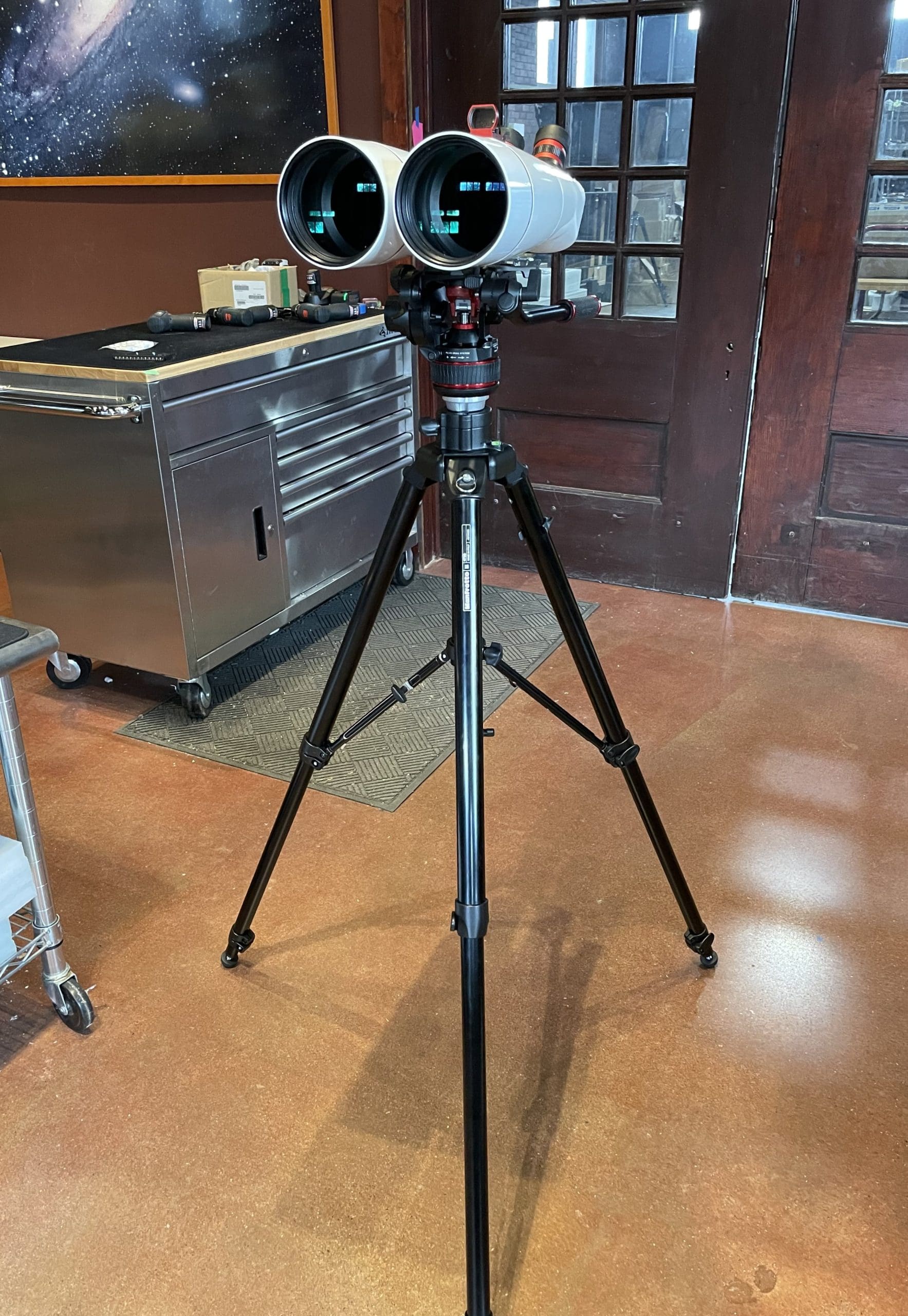
Mounting ED binoculars on a tripod helps stabilize your view. It reduces hand shake and makes long viewing easier. Follow these steps to attach your binoculars safely.
This guide covers attaching the adapter, securing the binoculars, and adjusting for the best view.
Attaching The Adapter
Most ED binoculars need an adapter to connect to a tripod. This adapter fits on the binocular’s center hinge or focus wheel area.
- Locate the tripod adapter socket on the binoculars.
- Align the adapter with the socket carefully.
- Press or screw the adapter into place as designed.
- Check that the adapter is firmly attached before moving on.
Securing To The Tripod
Once the adapter is attached, you can mount the binoculars on the tripod head. Secure them tightly to avoid slipping.
| Action | Details |
| Place binoculars | Set adapter plate on tripod head plate |
| Tighten screw | Turn tripod screw clockwise to lock adapter |
| Check stability | Gently move binoculars to test firmness |
| Adjust tripod legs | Set tripod height and angle for comfort |
Adjusting For Optimal Viewing
After mounting, adjust the binoculars for a clear and comfortable view. This step ensures the best experience.
- Use the tripod’s pan and tilt controls to aim binoculars.
- Focus the binoculars on your target using the center wheel.
- Adjust the eyecups to match your eye distance.
- Lock all tripod knobs to keep the position steady.
- Make fine adjustments as needed during use.
Common Challenges And Fixes
Mounting binoculars on a tripod can improve viewing comfort. It also helps with steady images during long observation sessions.
Users face some common challenges when mounting binoculars. These include compatibility, weight, and vibration issues. Each challenge has simple fixes to improve the experience.
Compatibility Issues
Not all binoculars fit easily on tripods. Some models lack a tripod adapter or mounting thread. This makes attaching them difficult or impossible.
- Check if your binoculars have a tripod adapter socket.
- Use an adapter plate if your binoculars do not have a thread.
- Look for universal tripod mounts designed for binoculars.
- Verify the tripod head can securely hold binoculars.
Weight And Balance Concerns
Heavy binoculars can unbalance a tripod. This causes tipping or shaking. Proper balance and support are essential for steady viewing.
| Issue | Fix |
| Binoculars too heavy for tripod | Use a tripod with higher weight capacity |
| Unbalanced setup | Adjust tripod head and position for better balance |
| Tripod legs unstable | Extend tripod legs fully and secure locks |
| Adapter slipping | Tighten mounting screws and use rubber pads |
Vibration Minimization
Vibrations can blur the view through binoculars. Minimizing shake is important for clear images. Several techniques reduce vibration effectively.
- Use a tripod with a sturdy, heavy base.
- Place the tripod on a firm, level surface.
- Use a remote shutter or timer to avoid touching.
- Add vibration dampening pads or materials.
- Keep the setup away from wind or moving objects.

Credit: oberwerk.com
Recommended Tripods For Ed Binoculars
ED binoculars often need a stable base for clear viewing. Using a tripod helps reduce hand shake. It also allows longer observation sessions without fatigue.
Choosing the right tripod depends on how and where you use your binoculars. Some tripods are light for travel. Others are strong for rough conditions. Some are affordable and still work well.
Lightweight Models
Lightweight tripods are easy to carry. They suit bird watchers and travelers who move a lot. These models usually fold small and weigh less than 3 pounds.
- Aluminum legs with quick-release locks
- Compact size for backpacks
- Adjustable height up to 50 inches
- Compatible with standard tripod mounts
Heavy-duty Options
Heavy-duty tripods provide extra stability. They are good for use on uneven ground or in windy areas. These tripods can hold heavier binoculars without shaking.
| Feature | Benefit |
| Thicker legs | Strong support for heavy binoculars |
| Steel or carbon fiber build | Durability and weather resistance |
| Ball head mount | Easy and smooth angle adjustment |
| Height range | Up to 60 inches or more for comfort |
Budget-friendly Choices
Budget tripods are good for beginners or occasional use. They balance price with basic features. You can find stable tripods at low cost without extra bells and whistles.
- Simple aluminum frame
- Manual leg locks
- Standard mounting screw
- Height range around 40-50 inches
Frequently Asked Questions
Can Ed Binoculars Be Mounted On A Tripod?
Yes, many Ed binoculars have a tripod adapter socket. This allows stable viewing, especially for extended use or high magnification.
Why Mount Ed Binoculars On A Tripod?
Mounting reduces hand shake and improves image stability. It enhances comfort during long observation sessions and provides clearer views.
What Tripod Adapter Fits Ed Binoculars?
Most Ed binoculars use standard 1/4-inch tripod screws. Check your model’s specs to ensure compatibility with common tripod adapters.
Are All Ed Binoculars Tripod Compatible?
Not all models have tripod sockets. Verify your binocular’s features before buying a tripod or adapter for mounting.
Conclusion
ED binoculars can often be mounted on a tripod for steady viewing. This setup helps reduce hand shake and improves image clarity. Always check if your binoculars have a tripod adapter thread. Using a tripod makes long observation sessions more comfortable.
It suits bird watchers, stargazers, and nature lovers alike. Tripod mounting enhances your overall viewing experience. Choose a stable tripod that fits your needs. This simple addition can make a big difference. Enjoy clearer and sharper views with your ED binoculars.