Have you ever wondered if your binoculars can survive the toughest, most demanding tactical missions? When you’re out in the field, every piece of gear matters—especially your binoculars.
They need to be sharp, reliable, and tough enough to handle rough conditions without letting you down. You’ll discover what makes binoculars strong enough for intense use and how to choose the right pair that won’t fail when you need them most.
Keep reading to ensure your gear is as ready as you are.
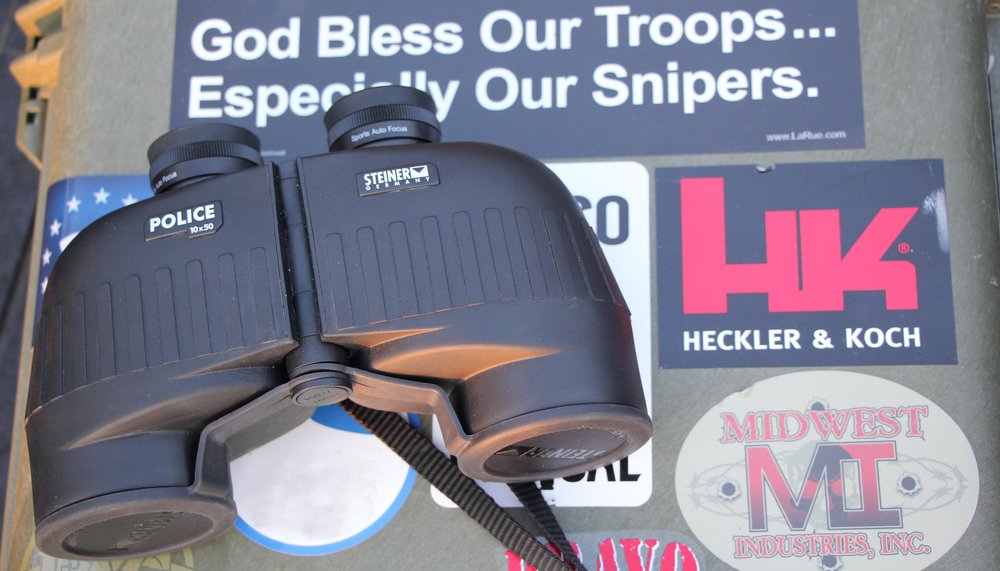
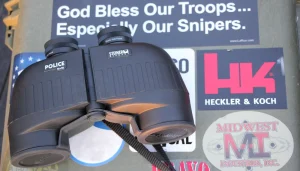
Credit: www.transientoutdoorsman.com
Durability Features Of Tactical Binoculars
Tactical binoculars face tough conditions during missions. They need to be strong and reliable.
This article explains how durability helps binoculars work well in rough situations.
Materials And Build Quality
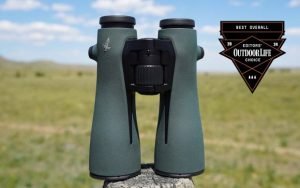
Tactical binoculars use strong materials like aluminum and rubber. These materials protect the binoculars from damage.
- Aluminum or magnesium alloy body for light weight and strength
- Rubber coating for better grip and extra shock absorption
- Sealed parts to keep dirt and dust out
- Quality lenses with tough coatings to avoid scratches
Water And Fog Resistance
Water and fog can ruin binoculars. Tactical models use special features to stop this.
| Feature | Purpose |
| O-ring seals | Keep water and dust out |
| Nitrogen or argon gas filling | Prevent internal fogging |
| Waterproof rating (IPX7 or higher) | Handle heavy rain and brief water submersion |
Shock And Impact Protection
Tactical binoculars must survive drops and bumps. Their design reduces damage from impacts.
- Rubber armor absorbs shock and prevents slipping
- Reinforced hinges and eyepiece mounts add strength
- Internal lens mounts protect optics from shocks
- Compact and sturdy design lowers risk of breakage

Credit: modernsurvivalblog.com
Performance In Harsh Environments
Binoculars used in tactical missions face tough conditions. They must work well despite dirt, water, and shocks.
Durability and clear vision are key for success in rough environments. This helps users see targets clearly and act fast.
Visibility In Low Light And Harsh Weather
Good binoculars give clear images in low light like dawn or dusk. They also help in fog, rain, or snow.
Bright lenses and wide fields of view improve visibility. This allows users to spot objects quickly under tough conditions.
- Large objective lenses gather more light
- Wide field of view shows more area
- Waterproof seals keep out moisture
- Fog proofing prevents internal fogging
Lens Coatings And Optical Clarity
Lens coatings reduce glare and reflections. This gives sharper and brighter images.
High-quality coatings protect lenses from scratches and dirt. Clear optics help users focus on details during missions.
- Multi-coated lenses increase light transmission
- Anti-reflective coatings reduce glare
- Scratch-resistant coatings improve durability
- Water-repellent coatings keep lenses clear
Range And Magnification Stability
Binoculars need steady magnification to avoid blurry images. This is vital in rough movements during missions.
Strong build and secure focus help keep images clear. Stable range and zoom prevent losing sight of targets.
- Fixed or smooth zoom lenses prevent shaking
- Robust body withstands drops and bumps
- Precise focusing mechanisms hold settings
- Shock-absorbing materials protect optics
Design Elements For Tactical Use
Binoculars used in tactical missions need to be tough and reliable. Their design must handle harsh conditions and rough handling.
Several design features focus on making binoculars fit for tactical use. These features help users perform better in the field.
Ergonomics And Handling
Tactical binoculars must be easy to hold and use under stress. Good ergonomics reduce hand fatigue during long missions.
They often have rubber coatings for a secure grip. Buttons and focus wheels are designed to work with gloves.
- Non-slip rubber armor for firm grip
- Large, textured focus wheels for quick adjustment
- Lightweight body to reduce arm strain
- Compact size for easy carrying
Mounting And Compatibility Options
Tactical binoculars often need to attach to gear or vehicles. Mounting options add versatility and hands-free use.
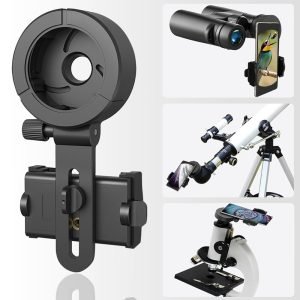
They can fit standard mounts or adapters. This allows connection to helmets, tripods, or weapons.
- Standard tripod threads for stability
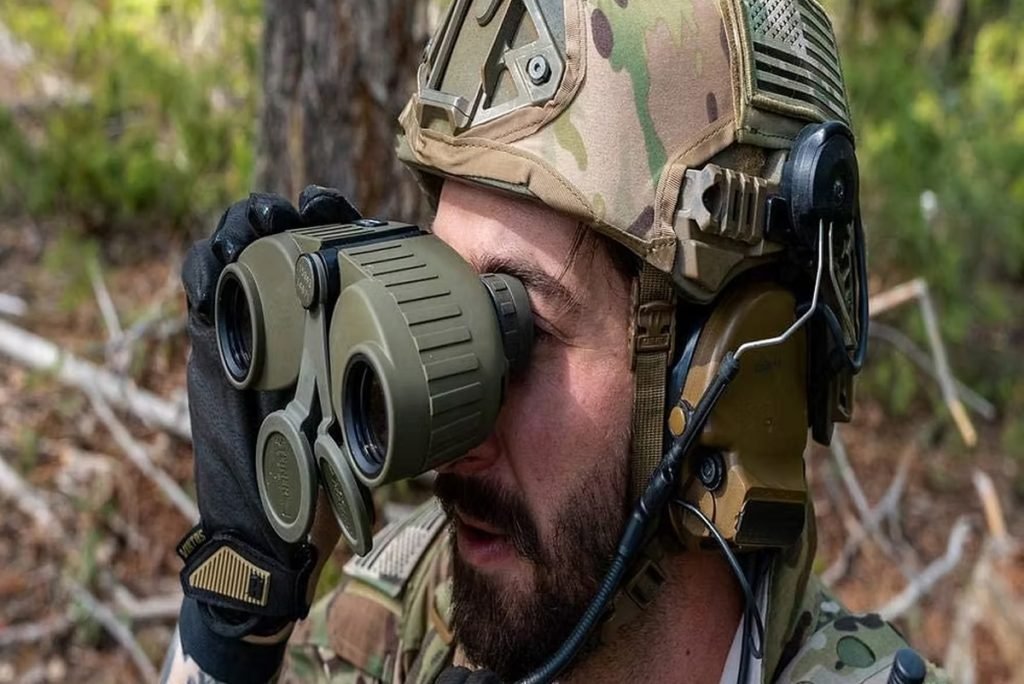
- Helmet mount compatibility for hands-free viewing
- Adapter slots for weapon mounts
- Strap loops for secure carrying
Camouflage And Stealth Features
Stealth is key in tactical missions. Binoculars should blend in with the environment to avoid detection.
Colors and finishes reduce shine and visibility. Some models have noise-free parts to avoid giving away the user’s position.
- Matte, non-reflective coatings
- Earth-tone or camouflage colors
- Quiet focus mechanisms
- Low-profile shapes to reduce visibility
User Experiences And Field Tests
Binoculars are often used in tough situations by soldiers, police, and outdoor experts. They need to work well even in rough conditions. Field tests and real user experiences help us know if these binoculars can handle hard tasks.
This article looks at feedback from military and law enforcement users, tests in extreme weather, and common problems or successes found during use.
Military And Law Enforcement Feedback
Military and police officers use binoculars for spotting targets and watching from a distance. They need tools that last and give clear views.
Many users say durable build and water resistance are very important. They also want binoculars that work well in low light and rough handling.
- Strong materials help avoid damage during missions
- Fog-proof lenses improve vision in cold or humid places
- Compact size is preferred for easy carrying
- Some models fail after repeated heavy use
Extreme Condition Trials
Field tests put binoculars through rain, dust, heat, and cold. These trials show if binoculars can survive real-world challenges.
Tests include dropping binoculars, exposing them to water, and using them in freezing temperatures. Models that pass these tests are more trusted.
- Waterproof seals prevent water damage
- Rubber coatings protect from shocks and drops
- Anti-fog coatings keep lenses clear in cold weather
- Some binoculars lose focus after heavy impacts
Common Failures And Successes
Users report some binoculars fail at lens fogging or mechanical issues like stuck focus rings. Others last for years with no trouble.
Success depends on good design and quality parts. Proper care also helps binoculars last longer in tough missions.
- Failures: lens fog, loose parts, cracked lenses
- Successes: clear image, strong frame, water resistance
- Regular cleaning improves performance
- Protective cases reduce damage risks
Maintenance And Longevity Tips
Binoculars used in rough tactical missions face tough conditions. Proper care helps them last longer and work well.
Knowing how to clean, store, and repair your binoculars keeps them ready for action. Follow simple steps to protect your gear.
Cleaning And Care Practices
Clean binocular lenses gently to avoid scratches. Use a soft brush or air blower to remove dust first.
Use lens cleaning cloth or solution made for optics. Avoid harsh chemicals or rough materials.
- Remove dirt with a soft brush or air blower
- Use lens cleaning cloth or approved solution
- Do not use household cleaners or paper towels
- Dry binoculars with a soft, lint-free cloth
Storage Recommendations
Store binoculars in a dry, cool place to prevent damage. Avoid places with extreme heat or moisture.
Keep binoculars in their case when not in use. Use silica gel packs to reduce moisture inside the case.
- Store in protective case after each use
- Keep away from direct sunlight and heat
- Use silica gel packs to absorb moisture
- Do not leave binoculars in damp or dusty areas
Repair And Warranty Considerations
Check your binoculars regularly for damage or loose parts. Early repair prevents bigger problems.
Use authorized service centers for repairs. Keep warranty papers safe in case you need support.
- Inspect binoculars after missions for damage
- Do not try to fix complex issues yourself
- Use authorized service for repairs and parts
- Keep warranty documents for future claims

Credit: modernsurvivalblog.com
Frequently Asked Questions
Can Binoculars Survive Extreme Tactical Environments?
Yes, tactical binoculars are built with durable materials like rubber armor and waterproof seals. They resist shocks, water, and dust, ensuring functionality in harsh conditions.
Are Tactical Binoculars Fog-resistant During Missions?
Most tactical binoculars feature nitrogen or argon purging to prevent internal fogging. This ensures clear vision despite rapid temperature changes or high humidity.
How Important Is Durability In Tactical Binoculars?
Durability is critical for tactical use. It ensures the binoculars withstand drops, impacts, and rough handling without losing optical clarity or alignment.
Do Tactical Binoculars Offer Camouflage For Missions?
Many tactical binoculars come in matte finishes or camo colors. This reduces glare and visibility, helping users stay concealed during operations.
Conclusion
Binoculars built for tactical missions can handle tough conditions well. They resist shocks, water, and dust to keep working. Strong materials and good design help them last long. Choosing the right pair means checking durability and clarity. Trustworthy binoculars support your mission without failing.
They stay reliable when you need them most. Tough gear makes a big difference in rough environments. Keep these points in mind for your next tactical task. Quality and strength matter above all.