Have you ever struggled to see tiny details up close? Whether you’re examining stamps, reading fine print, or exploring nature, having the right tool makes all the difference.
You might wonder if close-focus binoculars are better than magnifying glasses for these tasks. Choosing the right device can change how easily and clearly you view small objects. You’ll discover which option fits your needs best and why. Keep reading to find out how to make your close-up viewing sharper and more enjoyable.

Credit: www.amazon.com
Close-focus Binoculars Basics
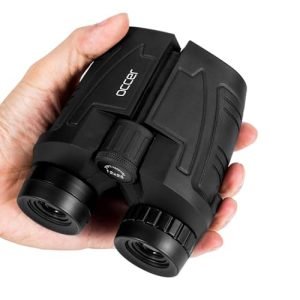
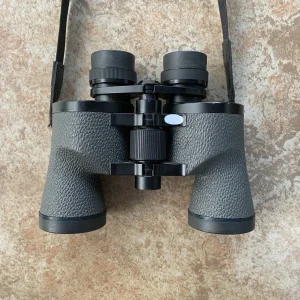
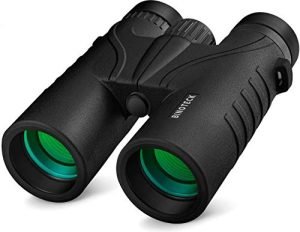
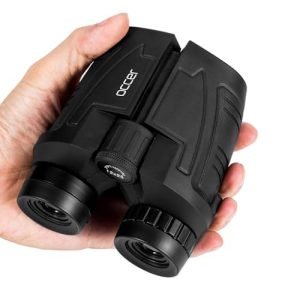
Close-focus binoculars let you see objects that are very near clearly. They work differently from regular binoculars.
These binoculars are great for viewing small things up close, like flowers or insects. They help bring tiny details into focus.
What Are Close-focus Binoculars
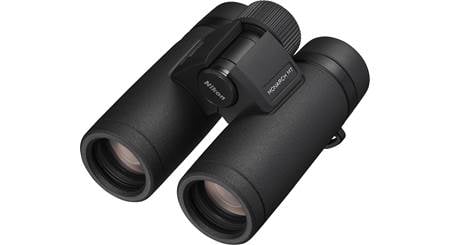
Close-focus binoculars are special binoculars that focus on nearby objects. They have a shorter minimum focusing distance than regular binoculars.
This means you can see things clearly just a few feet away. They are useful for nature watching, crafts, and other close-up activities.
Key Features And Benefits
Close-focus binoculars have features that help you see details up close. They give a wider view and sharper image of small objects.
They are easy to use and more comfortable than holding a magnifying glass for a long time. You can keep both eyes open while using them.
- Short minimum focus distance (often 3 to 6 feet)
- Wide field of view for better image context
- Both eyes used for viewing, reducing eye strain
- Good for bird watching, insect study, and flower observation
- More stable image than handheld magnifying glasses

Credit: www.amazon.com
Magnifying Glasses Essentials
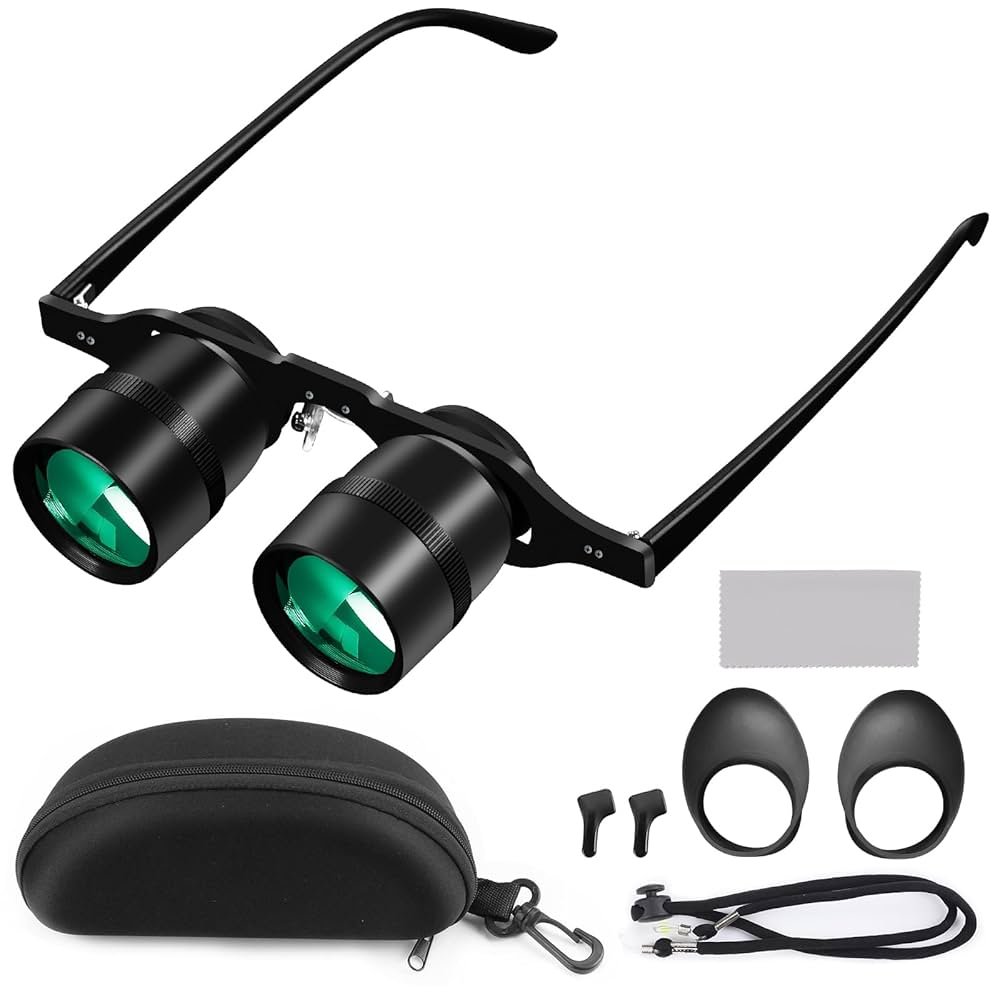
Magnifying glasses help you see small details clearly. They come in many types for different uses. Knowing the basics helps you choose the right one.
Close-focus binoculars and magnifying glasses both enlarge objects. This article focuses on magnifying glasses and their key features.
Types Of Magnifying Glasses
Magnifying glasses vary by shape, size, and use. Each type serves a special purpose for close-up viewing.
- Handheld Magnifiers:These are simple and portable. You hold them close to the object.
- Stand Magnifiers:These rest on the surface and free your hands. Good for reading or crafts.
- Folding Magnifiers:These fold into a compact case. Easy to carry and protect the lens.
- Magnifying Lamps:Combine light and magnification. Ideal for detailed work in low light.
- Jeweler’s Loupes:Small and strong magnifiers used for inspecting gems or small parts.
Advantages And Limitations
| Advantages | Limitations |
|---|---|
| Easy to use for quick close-up viewing | Can cause eye strain if used too long |
| Portable and lightweight | Limited magnification compared to electronic devices |
| Affordable and widely available | Image can be blurry at edges on cheap models |
| Good for reading, hobbies, and inspection | Not hands-free unless on a stand |
Comparing Image Quality
Close-focus binoculars and magnifying glasses both help you see small objects up close. They show details that the naked eye might miss.
Image quality matters a lot when choosing between these two tools. This section compares their clarity, detail, and field of view.
Clarity And Detail
Close-focus binoculars usually give sharper images. Their lenses are designed to reduce blur and improve focus.
Magnifying glasses often show less detail. The image can look distorted or blurry around the edges.
- Binoculars offer clearer images with less distortion
- Magnifying glasses may cause edge blurring
- Binoculars keep objects in focus at different distances
Field Of View Differences
Close-focus binoculars have a wider field of view. You can see more of the object or scene at once.
Magnifying glasses show a smaller area. You need to move them to see different parts.
- Binoculars cover a larger viewing area
- Magnifying glasses focus on a small spot
- Wider view helps with quick scanning
Ease Of Use And Portability
Choosing between close-focus binoculars and magnifying glasses depends on how easy they are to use and carry. Both tools help you see small details up close.
Portability and comfort matter a lot if you use these tools often or outdoors. Let’s look at how each option performs in these areas.
Handling And Comfort
Close-focus binoculars usually have two eyepieces and a grip, which can feel natural to hold. They allow both eyes to see clearly, reducing eye strain.
Magnifying glasses are simpler. You hold one lens with one hand. This can tire your hand faster during long use.
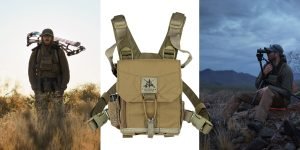
- Binoculars allow hands-free use with a neck strap
- Magnifying glasses need to be held all the time
- Binoculars reduce eye fatigue by using both eyes
- Magnifying glasses may cause eye strain after long use
Size And Weight Considerations
Close-focus binoculars tend to be larger and heavier than magnifying glasses. This can make them less convenient to carry in small bags or pockets.
Magnifying glasses are usually small and very light. They easily fit in a pocket or small case, making them more portable for quick use.
- Binoculars can weigh from 300 to 700 grams
- Magnifying glasses often weigh less than 100 grams
- Binoculars need more space in bags or cases
- Magnifying glasses are compact and fit easily in pockets
Applications And Use Cases
Close-focus binoculars and magnifying glasses both help people see small or nearby objects clearly. Each tool works well for certain tasks.
Understanding where to use each can help you choose the right one for your needs.
Outdoor Activities
Close-focus binoculars work great for outdoor hobbies. They let you see details of plants, animals, and small objects at a short distance.
Magnifying glasses are less useful outdoors because they need very close objects. Binoculars give a wider view and better focus from a few feet away.
- Bird watching to see feathers and colors
- Nature study to observe insects or flowers
- Hiking to spot trail markers or small signs
- Fishing to check bait or fish details
Reading And Inspection Tasks
Magnifying glasses excel for reading small print or inspecting tiny parts. They are easy to hold close to the object or page.
Close-focus binoculars also help with reading or inspection but from a bit farther away. They keep both eyes open and offer a 3D view.
- Reading fine print on labels or documents
- Examining jewelry or small mechanical parts
- Checking stamps or coins for details
- Inspecting artwork or craft projects
Credit: www.crutchfield.com
Cost And Durability Factors
Choosing between close-focus binoculars and magnifying glasses often depends on cost and durability. Both tools serve different purposes, but their price and build quality can influence your choice.
Understanding these factors helps you pick a tool that lasts long and fits your budget.
Price Range Comparison
Close-focus binoculars usually cost more than magnifying glasses. This is due to their complex lenses and construction. Magnifying glasses are simpler and often cheaper.
- Magnifying glasses typically range from $5 to $50.
- Close-focus binoculars range from $50 to $300 or more.
- Higher-priced binoculars offer better image quality and features.
- Magnifying glasses have fewer features but are affordable.
Build Quality And Longevity
Build quality affects how long your tool lasts. Close-focus binoculars often use metal and glass parts. This can make them durable but sometimes heavy. Magnifying glasses use plastic or glass lenses with plastic or metal handles. They are usually lighter but may break more easily.
| Feature | Close-Focus Binoculars | Magnifying Glasses |
| Material | Metal and glass | Plastic or glass lens, plastic/metal handle |
| Weight | Heavier | Lighter |
| Durability | High, with careful use | Moderate, can break if dropped |
| Maintenance | Requires cleaning and protection | Easy to clean and maintain |
Choosing The Right Tool
Close-focus binoculars and magnifying glasses both help you see small details. Picking the right tool depends on what you need to look at and how you want to use it.
Understanding your needs will guide you to choose between binoculars or magnifiers for clear and comfortable viewing.
User Needs And Preferences
Think about what you want to see and where you will use your tool. Binoculars work well for viewing things from a distance and still seeing close details. Magnifying glasses are good for very close objects and fine work.
- If you want to watch birds or insects from a few feet away, close-focus binoculars are better.
- If you need to read small text or inspect tiny objects like stamps, a magnifying glass is easier to use.
- Binoculars can give you a wider view, but magnifying glasses are lighter and simpler.
- Consider comfort. Binoculars need both hands and can be heavy, while magnifiers are often handheld and lighter.
When To Pick Binoculars Or Magnifiers
| Scenario | Best Tool | Reason |
| Watching wildlife at close range | Close-focus binoculars | See animals without disturbing them |
| Reading small print on labels or maps | Magnifying glass | Easy to hold and focus on text |
| Inspecting small objects like jewelry | Magnifying glass | Allows very close, detailed view |
| Outdoor sports or events viewing | Binoculars | Offers a wide field of view from a distance |
Frequently Asked Questions
What Are Close-focus Binoculars?
Close-focus binoculars are binoculars designed to focus on objects very near, often within a few feet. They allow detailed viewing of small objects or close scenes, combining magnification and binocular vision for depth and clarity.
How Do Close-focus Binoculars Compare To Magnifying Glasses?
Close-focus binoculars offer magnification with depth perception and wider viewing angles. Magnifying glasses provide simple, single-lens magnification, ideal for very close-up detail but lack depth and field of view.
Are Close-focus Binoculars Better For Nature Observation?
Yes, close-focus binoculars are excellent for observing insects, flowers, and birds at close range. They provide depth, magnification, and comfort for prolonged outdoor use, unlike magnifying glasses.
Can Magnifying Glasses Replace Binoculars For Detailed Viewing?
No, magnifying glasses are limited to single-lens close-up viewing. Binoculars provide better magnification, 3D vision, and a broader field, making them superior for many detailed observations.
Conclusion
Close-focus binoculars and magnifying glasses serve different needs. Binoculars offer better depth and wider views nearby. Magnifying glasses work well for quick, close details. Your choice depends on what you want to see and how you want to use it.
Both tools help you explore small objects clearly. Think about comfort, ease, and how much detail you need. Either way, both can make close-up viewing easier and more fun. Choose the one that fits your tasks best.