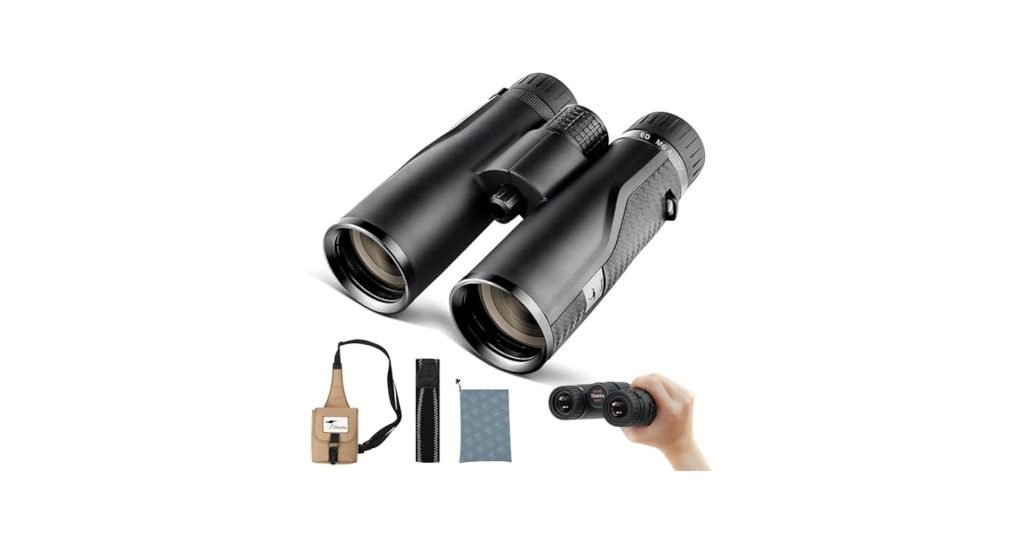
Have you ever wondered if your ED binoculars need special cleaning? You probably want to keep your gear in top shape, but cleaning delicate lenses can feel tricky.
Using the wrong method might damage your expensive equipment or blur your view. Don’t worry—this article will guide you step-by-step on how to clean your ED binoculars safely and effectively. By the end, you’ll know exactly what to do to protect your investment and enjoy crystal-clear vision every time.
Keep reading to learn simple tips that can save your binoculars and enhance your experience.
What Are Ed Binoculars
ED binoculars use special glass to improve image quality. ED stands for Extra-low Dispersion glass.
This type of glass helps reduce color fringing and sharpens views. It is popular with bird watchers and nature lovers.
How Ed Glass Works
ED glass reduces the light scattering inside lenses. This limits color blur around objects.
- Improves color accuracy
- Increases sharpness and contrast
- Enhances clarity in low light
Benefits Of Ed Binoculars
ED binoculars provide clearer and brighter images. They help users see fine details at long distances.
| Feature | ED Binoculars | Standard Binoculars |
| Color Fringing | Low | High |
| Sharpness | High | Medium |
| Light Transmission | Better | Standard |
Common Uses Of Ed Binoculars
Many use ED binoculars for outdoor activities. They work well for:
- Bird watching
- Hiking
- Hunting
- Sports events
- Nature observation
Why Cleaning Matters
Ed binoculars help you see distant objects clearly. Keeping them clean keeps your views sharp and clear.
Dirt, dust, and smudges can blur your vision. Regular cleaning protects your binoculars and improves their use.
Protecting The Lenses
The lenses are the most important parts of your binoculars. Scratches or dirt can damage them and reduce image quality.
Cleaning gently helps keep the lenses safe. Using the right tools prevents scratches and maintains clear vision.
Preventing Damage To Coatings
Many binocular lenses have special coatings to improve brightness. Harsh cleaning chemicals can harm these coatings.
Use soft cloths and mild cleaning solutions to protect the coatings. This keeps your binoculars working well for a long time.
Avoiding Internal Fog And Dirt
Moisture and dirt can get inside binoculars if you are not careful. This causes fogging and can damage internal parts.
Clean the outside carefully and store binoculars in dry places. This helps stop dirt and moisture from entering.
Improving Your Viewing Experience
Clear lenses let you see sharp, bright images. Cleaning your binoculars regularly gives you the best views every time.
Dirty lenses make viewing hard and tiring for your eyes. Clean binoculars help you enjoy nature or events better.
Common Cleaning Challenges
Ed binoculars need cleaning to keep them working well. Cleaning them can be tricky because of their design.
Some parts are hard to reach. Special care is needed to avoid damage during cleaning.
Delicate Lenses
Binocular lenses are delicate and can scratch easily. Using rough cloth or strong chemicals can harm them.
Cleaning with a soft, lint-free cloth is best. Special lens cleaning solutions help remove smudges safely.
Dust And Dirt In Small Spaces
Dust and dirt can get stuck in tiny gaps and joints. Removing these particles without damage is a challenge.
Use a soft brush or air blower to clear dust. Avoid using sharp tools that can scratch surfaces.
Moisture And Fogging
Moisture can build up inside the binoculars and cause fogging. Water can also damage internal parts.
Keep binoculars dry and store them in a case with silica gel. Wipe off moisture carefully after use.
Avoiding Damage To Coatings
Many binocular lenses have special coatings for better vision. Harsh cleaning can wear off these coatings.
Use only recommended cleaning products. Gentle wiping protects the coatings and extends binocular life.
Credit: oberwerk.com
Safe Cleaning Tools
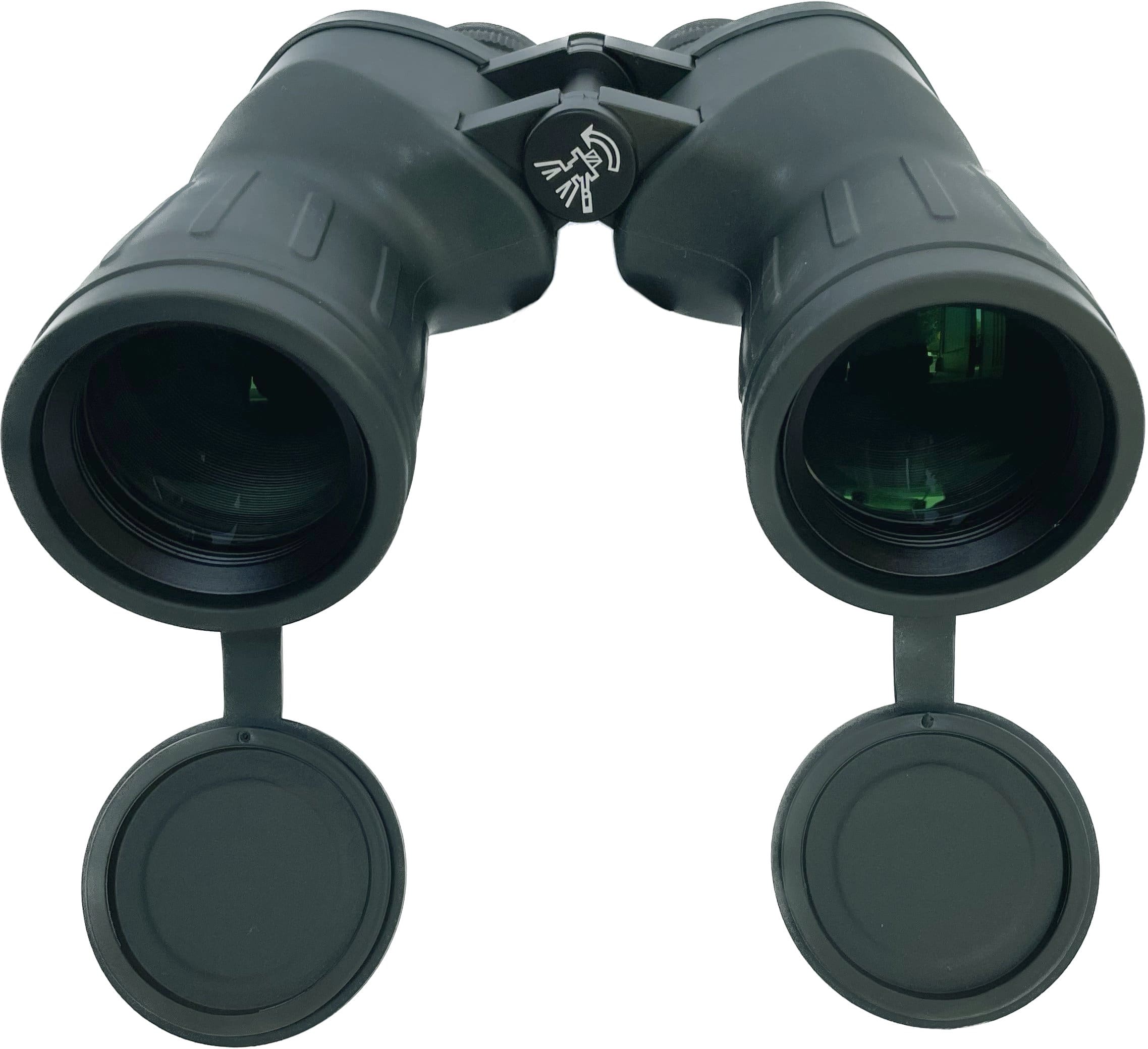
Ed binoculars have delicate lenses and coatings. Using the right cleaning tools keeps them safe.
Bad tools can scratch lenses or remove coatings. Choose tools made for optics cleaning.
Lens Cleaning Cloths
Soft microfiber cloths clean lenses without scratching them. Avoid rough or dirty cloths.
Use gentle wiping motions. Do not press hard on the lenses to prevent damage.
Lens Cleaning Solution
Use special lens cleaning fluid made for optics. Regular household cleaners can harm coatings.
Apply the solution to the cloth, not directly on the lenses. This avoids liquid entering the binoculars.
Air Blowers And Brushes
Use air blowers to remove dust without touching the lenses. Small brushes help clean edges carefully.
Do not use canned air sprays as they may damage the lenses. Use only soft bristle brushes made for optics.
Avoiding Harmful Tools
Do not use paper towels, tissues, or clothing to clean lenses. These can scratch the glass.
Avoid household cleaners, alcohol, or solvents. They can remove lens coatings and cause damage.
Step-by-step Cleaning Guide
Ed binoculars need proper cleaning to keep them clear and working well. Dust and dirt can build up on the lenses and body. Cleaning them carefully helps you see better and lasts longer.
This guide shows how to clean your binoculars safely. Follow each step to avoid damage and keep your binoculars in good shape.
Cleaning The Lenses
Clean the lenses gently to avoid scratches. Use a soft brush or air blower first to remove dust. Then, use a microfiber cloth for wiping.
- Blow off loose dust with an air blower
- Use a soft brush for stuck particles
- Wipe gently with a clean microfiber cloth
- Use lens cleaning solution if needed
Cleaning The Body
Use a damp cloth to clean the binocular body. Avoid getting water near the lens edges or moving parts. Dry the body with a soft towel.
- Use a lightly damp cloth for the surface
- Do not soak or submerge the binoculars
- Wipe off any dirt or fingerprints
- Dry with a soft, dry cloth
Avoiding Internal Damage
Do not open the binoculars or try to clean inside. Moisture or dust inside can harm the lenses and mechanics. Store binoculars in a dry case to protect them.
- Never open the binocular housing
- Keep them away from water and dust
- Store in a dry, padded case
- Use silica gel packs to reduce moisture
Frequency Of Cleaning
Cleaning your binoculars regularly keeps them in good shape. It helps maintain clear views and protects the lenses.
The cleaning frequency depends on how often you use them and the environment you use them in.
Daily Use
If you use binoculars daily, wipe the lenses lightly after each use. This removes dust and fingerprints that can build up quickly.
Occasional Use
For occasional users, clean the binoculars once every few weeks. Check for dust or smudges before each use and clean if needed.
After Outdoor Activities
Outdoor use exposes binoculars to dirt, moisture, and grime. Clean them after every outdoor trip to prevent damage.
- Remove dust with a soft brush
- Use a lens cleaning cloth for smudges
- Avoid harsh chemicals or rough materials
- Store in a dry case after cleaning
Storage Periods
When not using binoculars for long, clean them before storage. This stops dust and oils from settling on lenses and parts.
| Condition | Recommended Cleaning Frequency |
| Daily Use | Light cleaning after each use |
| Occasional Use | Every few weeks or before use |
| Outdoor Use | After every outdoor activity |
| Long Storage | Clean before storing |
Storage Tips To Keep Them Clean
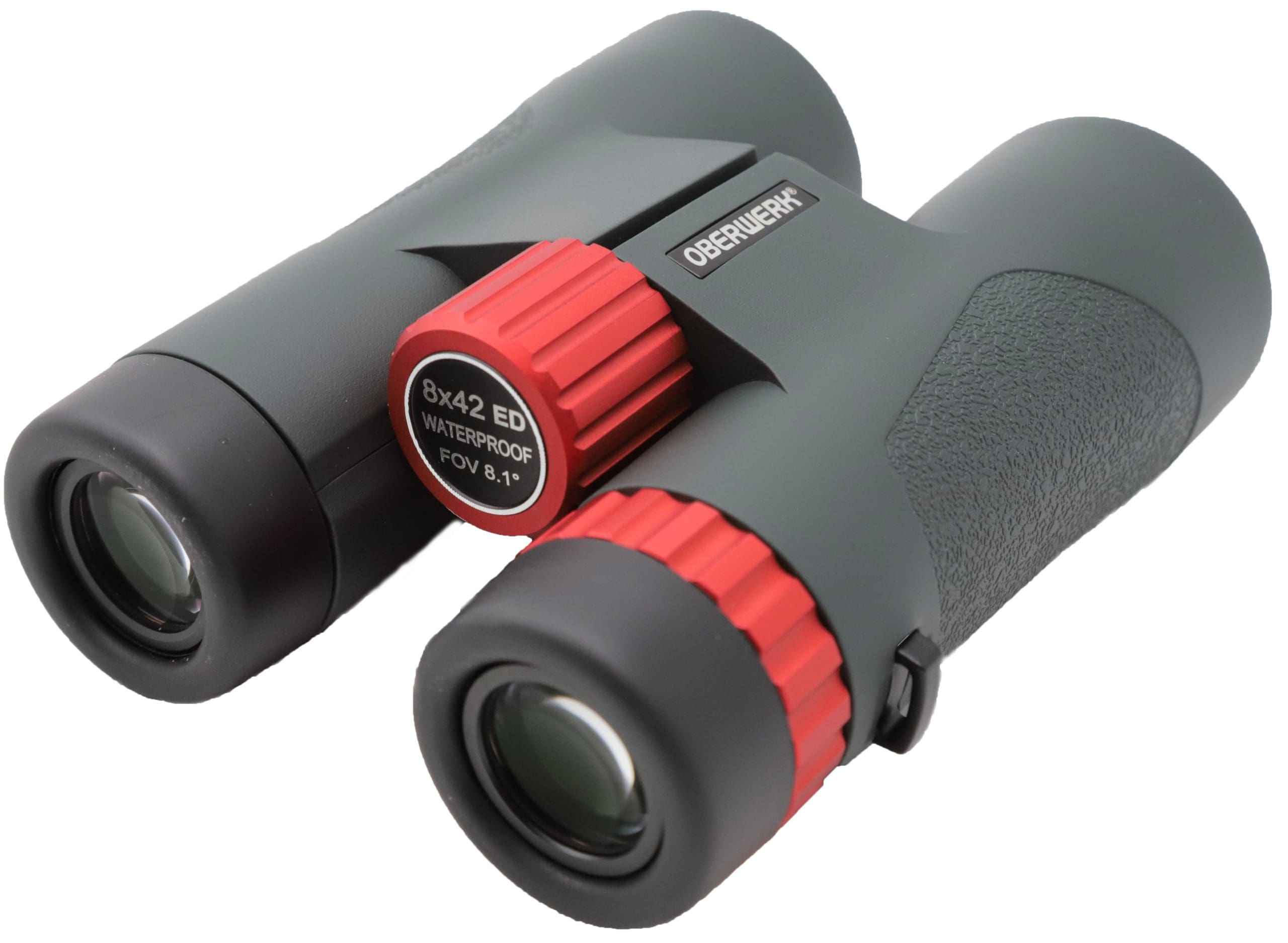
Ed binoculars can stay clean longer with proper storage. Dirt and dust can damage lenses and affect viewing quality.
Good storage habits protect your binoculars and help avoid frequent cleanings that could scratch lenses.
Use A Protective Case
Always store your binoculars in a padded case. The case shields them from dust and accidental drops.
Keep Them In A Dry Place
Moisture causes mold and fog on lenses. Choose a dry, cool spot for storage to avoid damage.
Avoid Direct Sunlight
Sunlight can heat up the binoculars and harm lens coatings. Store them away from windows or bright areas.
Clean Before Storing
- Remove dust with a soft brush or air blower.
- Use a microfiber cloth to wipe off smudges gently.
- Avoid using harsh chemicals or paper towels.
Table: Ideal Storage Conditions
| Condition | Recommended Level |
| Humidity | Below 50% |
| Temperature | Between 15°C and 25°C (59°F – 77°F) |
| Light Exposure | Indirect or low light |
| Storage Location | Inside a padded case |
Credit: oberwerk.com
When To Seek Professional Help
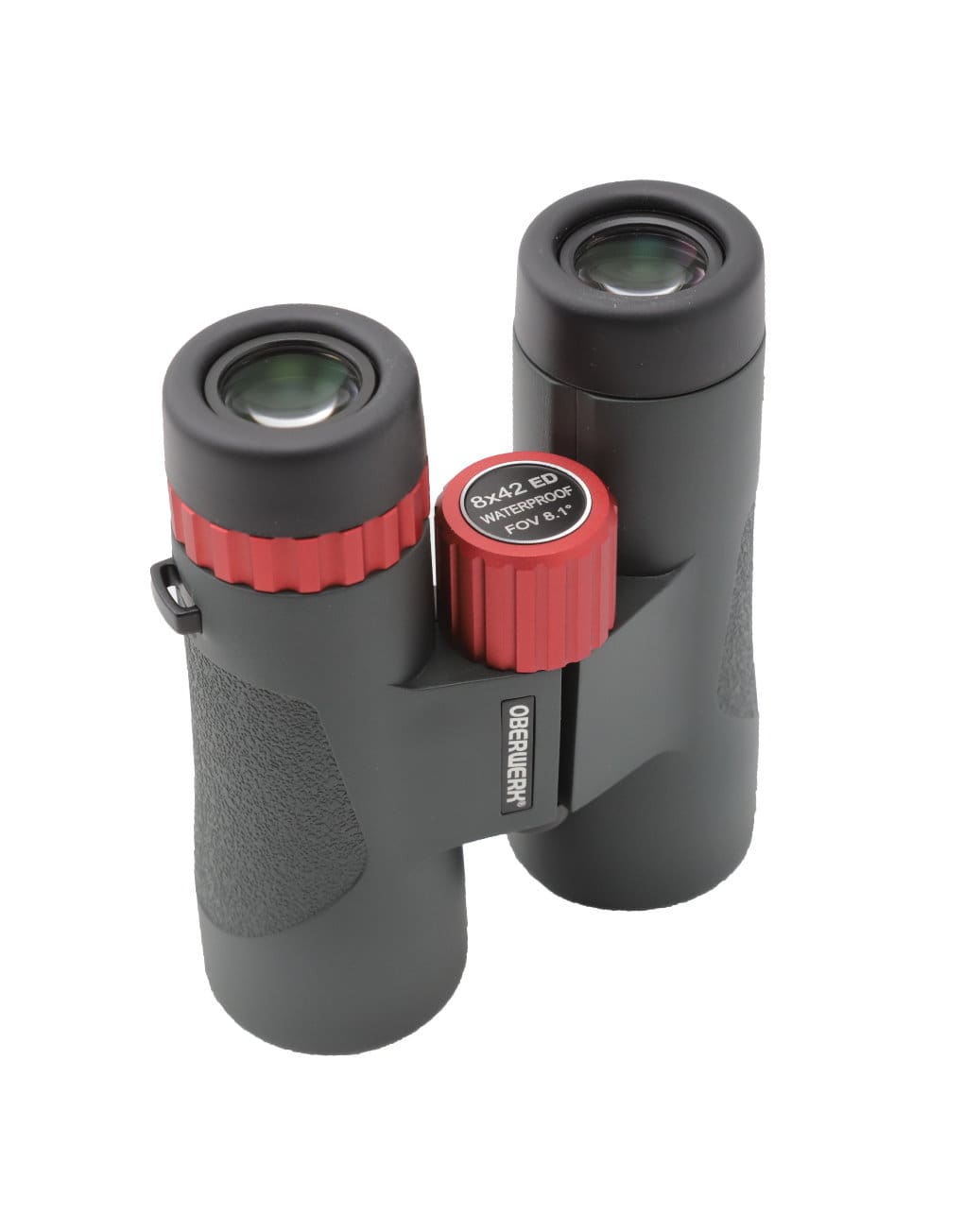
Ed binoculars are sturdy tools for outdoor use. Regular cleaning keeps them clear. But some issues need expert care.
Knowing when to get professional help can protect your binoculars. It can also save you from costly damage.
Visible Internal Dust Or Fogging
If you see dust or fog inside the lenses, do not try to open the binoculars yourself. This problem needs special tools to fix.
Damaged Or Scratched Lenses
Small scratches can reduce clarity. Deep scratches affect the image quality a lot. A professional can polish or replace lenses safely.
Sticky Or Stiff Moving Parts
When the focus wheel or hinges feel sticky or hard to move, it may need lubrication or repair. Professionals can handle these parts well.
Water Damage Or Leaks
Even waterproof binoculars can leak after long use. Water inside can cause mold or rust. Take your binoculars to a professional quickly.
Signs You Need Professional Repair
- Internal dust or fog that does not clear
- Scratched or cracked lenses
- Sticky or broken focus or zoom mechanisms
- Water inside the binoculars
- Loose or broken parts
Credit: oberwerk.com
Frequently Asked Questions
Do Ed Binoculars Require Special Cleaning Methods?
Yes, ED binoculars need gentle cleaning to protect their special lenses. Use a soft brush or air blower to remove dust. Clean with a microfiber cloth and lens cleaner designed for optics to avoid scratches or damage.
How Often Should I Clean My Ed Binocular Lenses?
Clean your ED binocular lenses only when necessary. Frequent cleaning can cause scratches. Regularly remove dust and debris with a blower or brush. Deep clean the lenses when you notice smudges or dirt affecting clarity.
Can I Use Regular Cloth To Clean Ed Binoculars?
No, avoid regular cloths as they can scratch lenses. Always use a microfiber cloth made for optical lenses. This prevents damage and maintains the binoculars’ clarity and performance over time.
What Cleaning Products Are Safe For Ed Binocular Lenses?
Use lens cleaners specifically formulated for optical lenses. Avoid household cleaners, alcohol, or ammonia-based products. These can strip lens coatings and reduce image quality. Always follow manufacturer recommendations for best results.
Conclusion
ED binoculars need gentle care to keep them clear and sharp. Use a soft brush or cloth to remove dust and dirt. Avoid harsh chemicals that can damage the lenses. Clean only when needed to protect special coatings. Regular, careful cleaning helps your binoculars last longer.
Treat them with care, and you will enjoy bright, clear views every time. Simple steps make a big difference in maintaining your ED binoculars. Keep them clean, and they will serve you well for years.