Have you ever wondered if Ed binoculars really give you sharper views than regular ones? If you’re someone who loves birdwatching, hiking, or just spotting details from afar, clarity matters a lot.
Choosing the right binoculars can make your experience more enjoyable—or frustrating. You’ll discover what sets Ed binoculars apart and whether they truly deliver sharper, clearer images. Keep reading to find out if upgrading your gear is worth it for your next adventure.
Credit: oberwerk.com
What Are Ed Binoculars
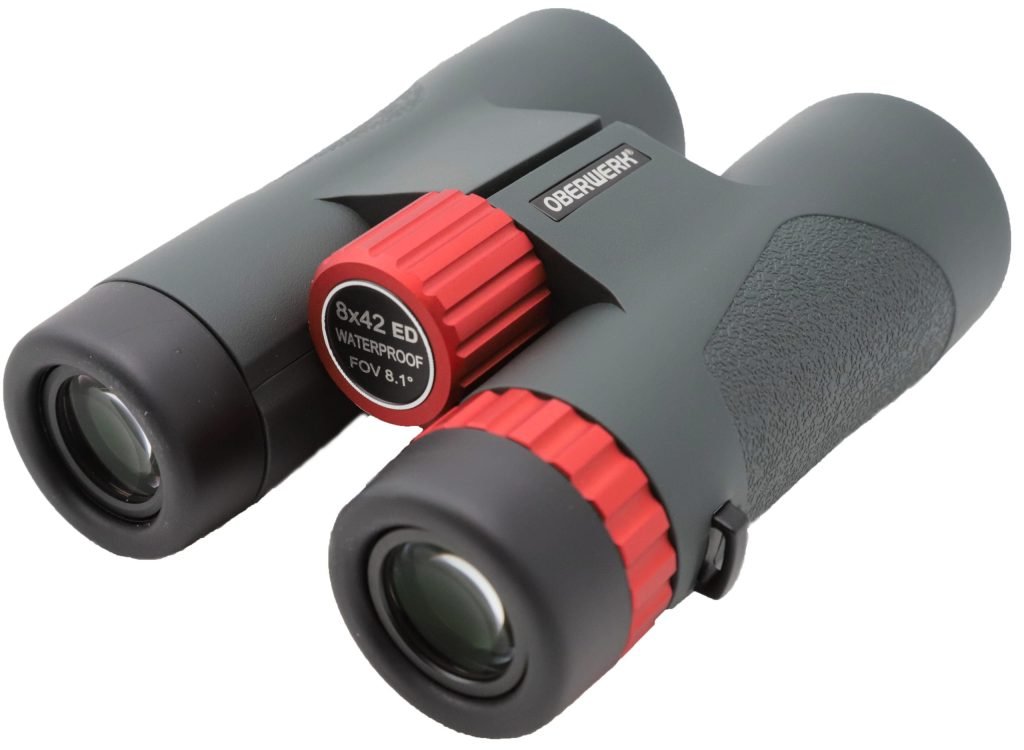
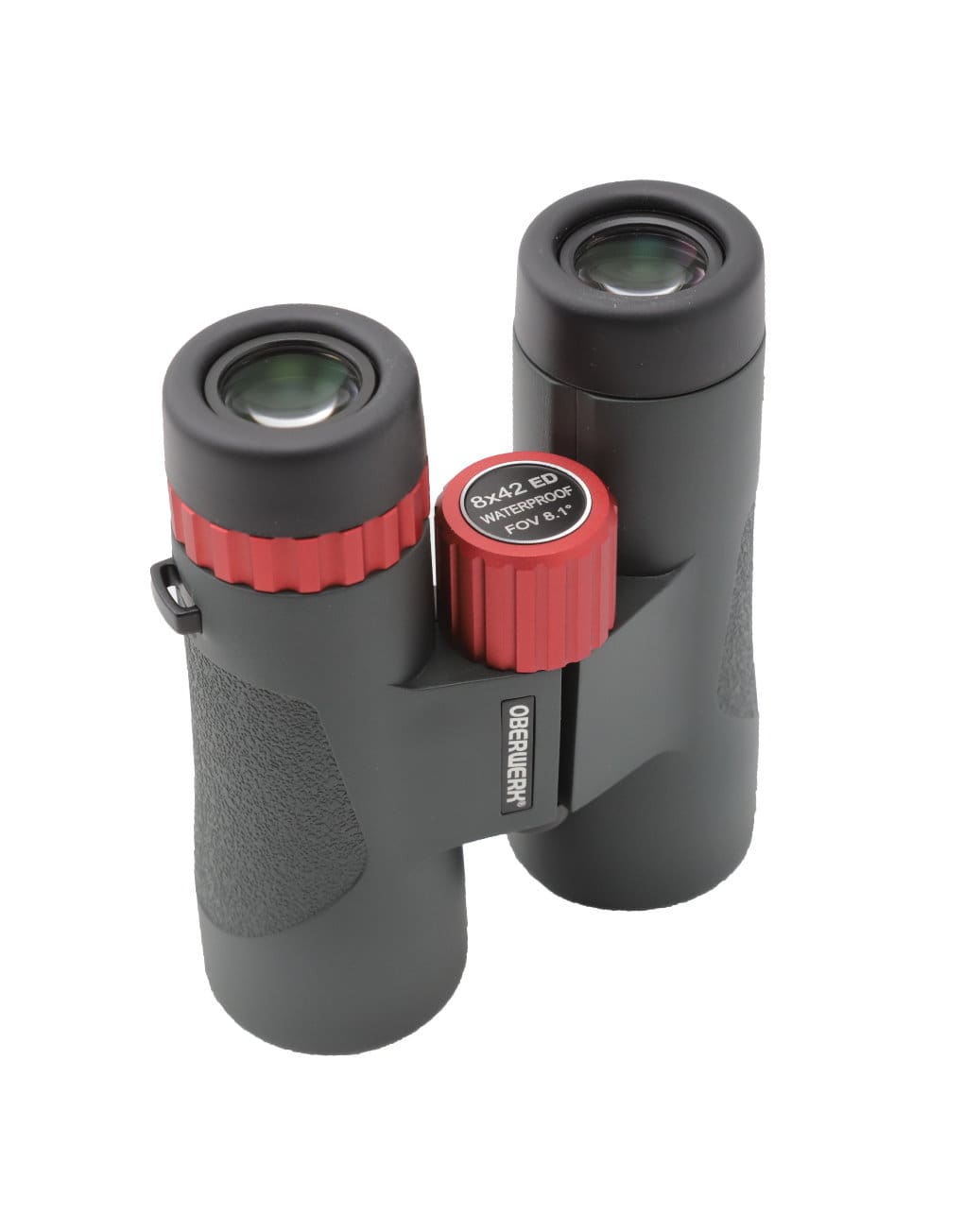
ED binoculars use special glass called Extra-low Dispersion glass. This glass helps make images clearer and sharper.
People use ED binoculars for bird watching, hunting, and other outdoor activities. They want better image quality than regular binoculars.
Extra-low Dispersion Glass Basics
Extra-low Dispersion (ED) glass reduces color blur in binocular lenses. This type of glass controls how light bends inside the lens.
By lowering the color blur, ED glass shows sharper edges and clearer details. This helps users see objects better at a distance.
- ED glass limits chromatic aberration
- It improves contrast in images
- It creates sharper and brighter views
How Ed Glass Enhances Image Quality
ED glass reduces the rainbow colors around objects. This effect, called chromatic aberration, lowers image sharpness in normal lenses.
With ED glass, binoculars produce clearer images with better color accuracy. This helps users see fine details more easily.
- Improves sharpness across the view
- Reduces eye strain during long use
- Enhances color clarity and true-to-life views
Image Clarity Comparison
Binoculars come in many types, including ED and non-ED. ED stands for extra-low dispersion glass. This type affects how clear images appear. Comparing image clarity helps buyers choose the right binoculars.
Clear images depend on how binoculars handle light and color. We will look at sharpness and color effects in ED and non-ED binoculars. This shows how they differ in image quality.
Sharpness In Ed Vs Non-ed Binoculars
ED binoculars use special glass that reduces distortion. This glass keeps images sharp and detailed. Non-ED binoculars may blur edges and lose fine details.
Sharpness matters for bird watching and sports events. ED binoculars give clearer views at high zoom levels. Non-ED models often have lower sharpness at the same zoom.
- ED glass reduces image blur
- Non-ED glass may cause soft edges
- Sharpness improves focus on small details
- ED binoculars often have better sharpness at distance
Color Fringing And Chromatic Aberration
Color fringing happens when colors do not align perfectly. This creates rainbow edges around objects. Chromatic aberration is the technical term for this effect.
ED binoculars reduce color fringing a lot. Their glass controls how light bends inside the lens. Non-ED binoculars often show more color fringing, which lowers image quality.
- ED glass limits color fringing and aberration
- Non-ED binoculars show more rainbow edges
- Less color fringing means clearer images
- ED binoculars help with true color viewing
Performance In Different Conditions
ED binoculars have special glass that reduces color blur. This helps create clearer images. Non-ED binoculars use regular glass, so images may look softer.
Performance changes with light and distance. ED binoculars usually perform better in tough conditions. Let’s see how they work in low light and long distance views.
Low Light And Twilight Use
ED binoculars let more light pass through the lens. This helps you see better in dim places. Colors stay true, and details are sharper at dawn or dusk.
Non-ED binoculars may show images with less brightness. Colors can look faded. This makes it harder to see small details in low light.
- ED binoculars improve brightness in low light
- They reduce color blur for clearer images
- Non-ED binoculars can appear duller at twilight
Long Distance Viewing
ED binoculars keep images sharp over long distances. They reduce color fringing around objects far away. This helps with clear and detailed views.
Non-ED binoculars may show color edges and less clarity at long range. This can make distant objects look blurry or less defined.
- ED binoculars reduce color fringing at distance
- They keep images clear and sharp far away
- Non-ED binoculars may have blurry edges on distant objects
Credit: oberwerk.com
Price And Value Considerations
Choosing between ED and non-ED binoculars involves thinking about price and value. ED binoculars offer sharper images but cost more. Buyers often ask if the extra cost is worth it.
This article looks at the cost differences and if the sharpness justifies paying more for ED binoculars.
Cost Differences Between Ed And Non-ed
ED binoculars use special glass to reduce color blur and improve clarity. This glass is expensive, so ED models usually cost more than non-ED ones.
| Type | Typical Price Range | Key Feature |
| ED Binoculars | $200 – $2000+ | Extra-low dispersion glass for sharp images |
| Non-ED Binoculars | $50 – $500 | Standard glass with basic image quality |
Is The Sharpness Worth The Price?
Sharpness in ED binoculars is better for viewing details and colors. This benefit matters for birdwatchers and hunters. But not everyone needs this level of clarity.
- If you watch distant objects often, ED binoculars add value.
- Casual users may not notice much difference in sharpness.
- ED models usually last longer due to better build quality.
- Non-ED binoculars work well for general use and cost less.
User Experience And Reviews
Many users wonder if ED binoculars offer sharper views than non-ED models. The difference matters most for clear and detailed observation. Reviews from users help explain how these binoculars perform in real life.
This section shares feedback from birdwatchers and hunters. It also looks at casual and professional use. This gives a good picture of what to expect from ED and non-ED binoculars.
Feedback From Birdwatchers And Hunters
Birdwatchers often praise ED binoculars for sharper and brighter images. They say these binoculars reduce color blurring, which helps see fine details on feathers. Hunters report better target clarity and less eye strain in low light.
- Birdwatchers notice improved color accuracy and sharpness with ED lenses.
- Hunters find ED binoculars useful during dawn and dusk hours.
- Some users say non-ED binoculars work fine for casual viewing.
- ED binoculars can be heavier and more expensive.
Casual Vs Professional Use Cases
Casual users often choose non-ED binoculars for general outdoor activities. They want lightweight and affordable options. Professionals like guides and serious birdwatchers prefer ED binoculars for long hours of use and precise observation.
| Use Case | ED Binoculars | Non-ED Binoculars |
| Casual Viewing | Good but may be overkill | Light and affordable |
| Professional Birdwatching | Sharper image, less color blur | Less sharp, may tire eyes |
| Hunting | Better in low light | Can struggle in dusk or dawn |
| Price | Higher | Lower |
Alternatives To Ed Glass
Extra-low Dispersion (ED) glass is known for its sharp image quality in binoculars. Some people wonder if other lens types can offer similar clarity. There are several lens technologies and coatings that improve image sharpness without ED glass.
Let’s explore some common alternatives to ED glass that help reduce color fringing and enhance sharpness in binoculars.
Other Lens Technologies
Many binoculars use special types of glass or lens designs to improve sharpness. These include low-dispersion glass and hybrid lens setups. These lenses reduce chromatic aberration, which causes blurry edges and color distortion.
- Low-Dispersion (LD) Glass: Less expensive than ED glass but still cuts down on color errors.
- Fluorite Crystal Elements: High-quality lens material that offers very clear images.
- High-Index Glass: Denser glass that bends light better for sharper focus.
- Hybrid Lens Systems: Combine different glass types to balance cost and image quality.
Coatings And Optical Enhancements
Lens coatings play a big role in image sharpness. They reduce glare and reflections, which helps you see clearer pictures. Different coatings help with brightness, contrast, and color accuracy.
| Coating Type | Purpose | Benefit |
| Anti-Reflective Coatings | Reduce light loss and reflections | Brighter, clearer images |
| Phase Correction Coatings | Improve resolution in roof prism binoculars | Sharper, more detailed views |
| Hydrophobic Coatings | Repel water and dirt | Clear images in wet conditions |
| Mirror Coatings | Reflect specific light wavelengths | Enhance color contrast |

Credit: www.walmart.com
Frequently Asked Questions
What Makes Ed Binoculars Sharper Than Non-ed?
ED binoculars use Extra-low Dispersion glass that reduces chromatic aberration. This results in clearer, sharper, and more color-accurate images compared to non-ED models.
Are Ed Binoculars Better For Birdwatching?
Yes, ED binoculars enhance detail and color accuracy, making them ideal for birdwatching. They help you see fine features and vibrant plumage clearly.
Do Ed Binoculars Cost More Than Non-ed?
Typically, ED binoculars are more expensive due to advanced glass materials. Their improved image quality justifies the higher price for serious users.
Can Non-ed Binoculars Provide Clear Images?
Non-ED binoculars can offer decent clarity but may show slight color fringing. They are suitable for casual use but lack the sharpness of ED models.
Conclusion
ED binoculars usually offer clearer and sharper images than non-ED models. This clarity helps with birdwatching, hiking, and sports events. Yet, non-ED binoculars can still work well for casual use. The choice depends on your needs and budget. Sharpness matters, but comfort and size do too.
Think about how often and where you will use them. Good optics improve your viewing experience. Choose wisely and enjoy every detail you see.