Are you wondering if ED binoculars are the right choice for digiscoping? If you want clear, sharp images when capturing wildlife or distant scenes with your smartphone or camera, understanding how ED binoculars perform can make all the difference.
You might be asking yourself, “Will these binoculars really improve my photos? ” or “Are they worth the investment? ” Keep reading, because we’re about to break down everything you need to know to make the best decision for your digiscoping adventures.
Features Of Ed Binoculars
ED binoculars use special glass to improve viewing quality. They help reduce color problems and make images clearer.
These features make ED binoculars a popular choice for digiscoping. Let’s explore their key benefits.
Extra-low Dispersion Glass Benefits
Extra-low dispersion glass reduces light scatter inside the lenses. This lowers color fringing around objects.
- Improves clarity by reducing chromatic aberration
- Provides sharper and more natural images
- Enhances viewing comfort during long use
Enhanced Color Accuracy
ED glass helps binoculars show colors more truly. Colors look vivid without being too bright or dull.
| Feature | Benefit |
| Reduced Chromatic Aberration | Colors appear natural and balanced |
| Better Light Transmission | Colors stay bright even in low light |
| True-to-life Color Reproduction | Accurate color details in images |
Improved Image Sharpness
ED binoculars create sharper images by reducing blur. This makes small details easier to see.
- Sharper edges on objects
- Clearer view at high magnification
- Better focus for digiscoping cameras
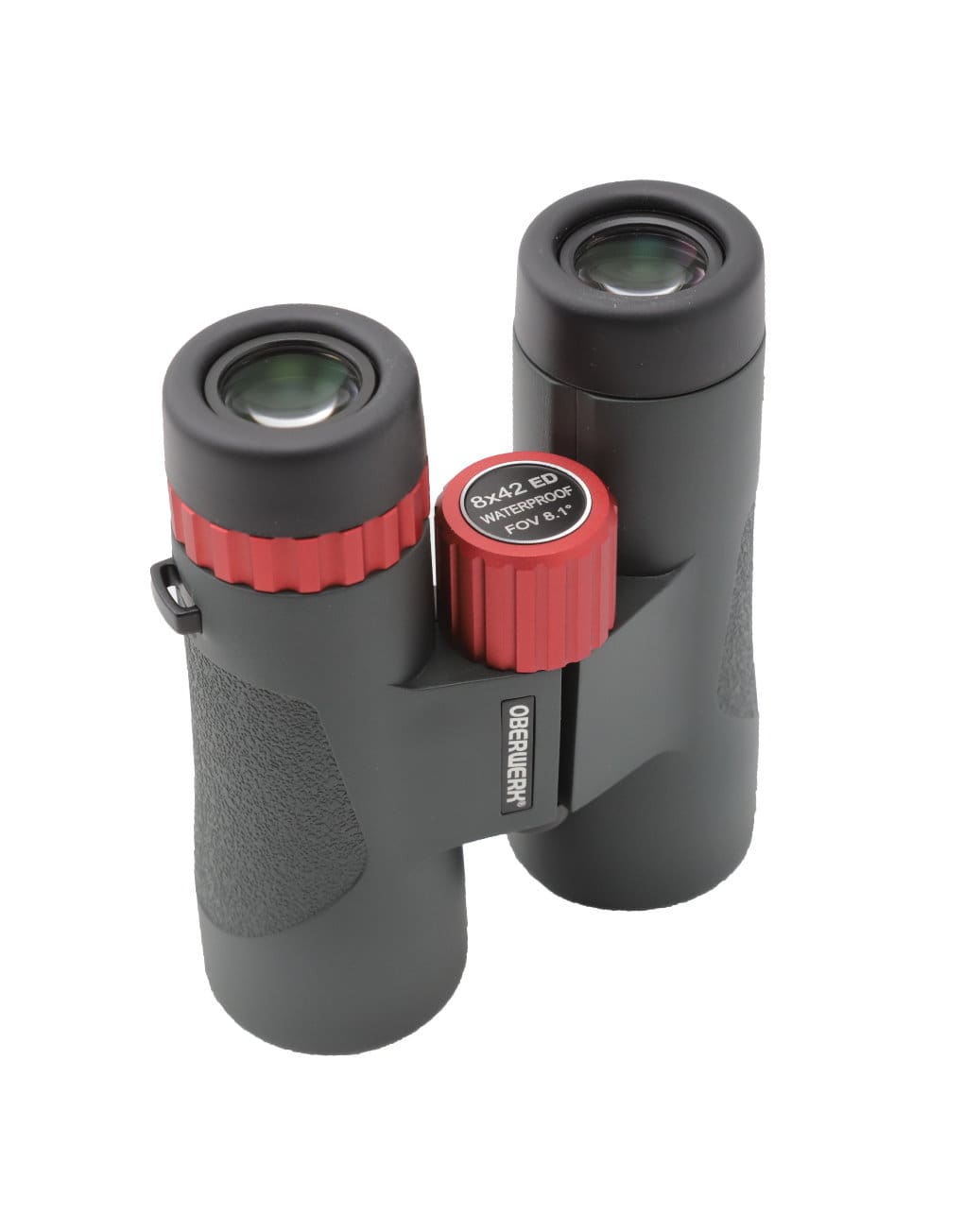
Credit: oberwerk.com
Digiscoping Basics
Digiscoping means taking photos through a spotting scope or binoculars. It lets you capture distant wildlife clearly.
This method combines optics and digital cameras for detailed images far away.
What Digiscoping Involves
Digiscoping requires steady gear and patience. You aim the camera through the eyepiece of your scope or binoculars.
- Mount a camera or smartphone to the scope or binoculars
- Align the camera lens with the eyepiece
- Adjust focus on both the scope and camera
- Use a tripod to hold everything steady
- Take photos or videos of distant subjects
Essential Equipment Needed
Good digiscoping needs the right tools. Each part helps capture sharp images from far away.
| Equipment | Purpose | Notes |
| Spotting Scope or Binoculars | Magnify distant objects | High quality lenses improve image clarity |
| Camera or Smartphone | Capture the image | Use models with good zoom and focus |
| Adapter | Connect camera to optics | Ensures proper alignment |
| Tripod | Stabilize the setup | Prevents shaking for clear photos |
Why Choose Ed Binoculars For Digiscoping
ED binoculars use special glass to give clear and sharp views. They help you see far objects with less color blur. This makes them good for digiscoping.
Digiscoping means using binoculars with a camera to take pictures. Using ED binoculars improves picture quality and makes the process easier.
Optical Advantages
ED binoculars have extra-low dispersion glass. This glass reduces color fringing and improves sharpness. The images look bright and natural. This helps in seeing details clearly through the scope.
- Sharper images with less color blur
- Better light transmission for brighter views
- Improved contrast to see fine details
Compatibility With Cameras
ED binoculars often come with features that help attach cameras easily. Their design supports stable mounting. This reduces vibrations and keeps photos clear. You can connect many camera types without problems.
| Feature | Benefit for Digiscoping |
| Threaded eyepieces | Easy camera attachment |
| Flat field optics | Sharp focus across entire image |
| Wide eye relief | Comfortable for camera use |
Portability And Handling
ED binoculars are usually light and compact. This makes carrying them simple during outdoor trips. Good grip and balance help steady your shots. You can hold them for a long time without strain.
- Lightweight design for easy carrying
- Ergonomic shape for steady hold
- Durable build for outdoor use

Credit: www.amazon.ca
Comparing Ed Binoculars To Other Optics
ED binoculars use special glass to reduce color blur. This helps give clearer and sharper images. People often wonder how they compare to other types of optics.
This guide looks at ED binoculars alongside standard binoculars, spotting scopes, and monoculars. It shows the differences and benefits of each.
Standard Binoculars
Standard binoculars usually use regular glass lenses. They are lighter and less costly than ED binoculars. But their images may have more color blur and less sharpness.
- Good for casual use and short distances
- Less clear images in low light or long distance
- Often smaller and lighter than ED binoculars
- More affordable for beginners
Spotting Scopes
Spotting scopes offer higher magnification than binoculars. They work well for detailed viewing over long distances. They often have larger lenses but are less portable.
| Feature | ED Binoculars | Spotting Scopes |
| Magnification | 8x to 12x | 15x to 60x |
| Portability | High | Low |
| Image Clarity | Very Clear | Clear with tripod |
| Use Case | General birding, hiking | Long-distance viewing |
Monoculars
Monoculars are single-lens optics. They are compact and light. The view is less natural than binoculars because they use one eye. ED monoculars improve image quality but still lack depth perception.
Benefits of ED Monoculars:
- Very lightweight and easy to carry
- Sharper images than standard monoculars
- Good for quick spotting and travel
Tips For Using Ed Binoculars In Digiscoping
ED binoculars offer clear and sharp images for digiscoping. They help capture distant objects with great detail.
Using ED binoculars correctly can improve your digiscoping results. Follow these tips to get the best shots.
Mounting Techniques
Mounting your ED binoculars properly keeps them steady for clear photos. Use a strong tripod or a special binocular adapter.
Make sure the mount fits your binoculars well to avoid shaking. A stable setup reduces blur in your images.
- Use a tripod with a binocular adapter
- Check the mount’s tightness before shooting
- Balance the binoculars to prevent tipping
- Use vibration dampeners if needed
Adjusting For Best Focus
Focus your binoculars carefully to get sharp images. Adjust both the central focus and the diopter settings for your eyes.
Take time to fine-tune the focus on your smartphone or camera lens too. Clear focus is key for detailed digiscoping photos.
- Start with the binoculars’ central focus knob
- Adjust the diopter for each eye
- Focus the camera lens after binocular focus
- Use live view mode to check sharpness
Reducing Glare And Distortion
Glare and distortion can lower image quality. Use lens hoods or shields to block sunlight and reflections.
Keep your lenses clean and use anti-reflective coatings if possible. This reduces unwanted light and improves clarity.
- Attach lens hoods to binoculars and camera
- Avoid direct sunlight hitting the lenses
- Clean lenses with a soft cloth regularly
- Use anti-reflective coatings or filters
Popular Ed Binocular Models For Digiscoping
ED binoculars are great for digiscoping because they give clear and sharp images. ED stands for Extra-low Dispersion glass, which reduces color blur.
Many models suit different needs and budgets. Here are some popular ED binoculars used for digiscoping.
Top-rated Choices
Top-rated ED binoculars combine good optics and reliable build. They offer clear views for birdwatching and digiscoping.
These models are often praised for their sharpness, brightness, and color accuracy.
- Swarovski EL Range 10×42
- Zeiss Victory SF 10×42
- Leica Ultravid HD-Plus 10×42
Budget-friendly Options
Budget-friendly ED binoculars still provide good quality for digiscoping. They are lighter on the wallet but keep decent image clarity.
These models work well for beginners and casual users who want ED glass without high costs.
- Nikon Monarch 5 8×42
- Vortex Viper HD 10×42
- Celestron Nature DX 8×42
High-end Picks
High-end ED binoculars offer the best performance in sharpness and color correction. They have premium glass and build quality.
These picks suit serious digiscopers who want excellent detail and durability in tough conditions.
- Leica Noctivid 10×42
- Zeiss Victory HT 10×42
- Swarovski NL Pure 10×42
User Experiences And Reviews
Many bird watchers and nature photographers try using Ed binoculars for digiscoping. Their feedback helps others understand if these binoculars fit this purpose well.
This article shares different user experiences and expert views about Ed binoculars in digiscoping.
Success Stories
Some users report clear and sharp images when using Ed binoculars for digiscoping. They find the extra-low dispersion glass helps reduce color fringing around subjects.
- Sharp focus on distant birds and wildlife
- Good light transmission in low light conditions
- Easy to attach cameras for photography
- Comfortable for long observation sessions
Common Challenges
Users face some challenges while using Ed binoculars for digiscoping. These issues affect image quality and ease of use.
| Challenge | Description |
| Weight | Some models are heavy to hold steady for long times |
| Compatibility | Not all binoculars easily fit camera adapters |
| Field of View | Narrower view compared to spotting scopes |
| Cost | Higher price than basic binoculars |
Expert Opinions
Experts say Ed binoculars can be good for digiscoping but with some limits. They suggest matching binoculars with the right camera and adapter.
- Choose binoculars with good eye relief for camera use.
- Use tripods or mounts to reduce shake.
- Test different adapters before buying.
- Consider weight for comfort during long use.

Credit: www.amazon.com
Frequently Asked Questions
Are Ed Binoculars Suitable For Digiscoping?
Yes, ED binoculars are suitable for digiscoping. They offer superior lens clarity and reduce chromatic aberration, enhancing image quality when paired with cameras.
How Do Ed Binoculars Improve Digiscoping Images?
ED binoculars use extra-low dispersion glass, which improves color accuracy and sharpness. This results in clearer, more detailed digiscoping photos and videos.
Can Ed Binoculars Be Used With All Digiscoping Setups?
Most ED binoculars are compatible with various digiscoping setups. However, adapters may be needed to securely attach cameras or smartphones for optimal use.
Why Choose Ed Binoculars Over Standard Binoculars For Digiscoping?
ED binoculars provide better optical performance and reduce color fringing. This makes them a preferred choice for digiscoping enthusiasts seeking higher image quality.
Conclusion
ED binoculars offer clear images and good color for digiscoping. They help capture detailed photos with less glare and better contrast. Their lightweight design makes them easy to carry outdoors. While not perfect for every situation, they suit many digiscoping needs well.
Choosing the right binocular depends on your budget and goals. ED binoculars strike a good balance between quality and price. They are a solid choice for hobbyists and casual digiscopers alike. Consider your specific needs before making a final decision.