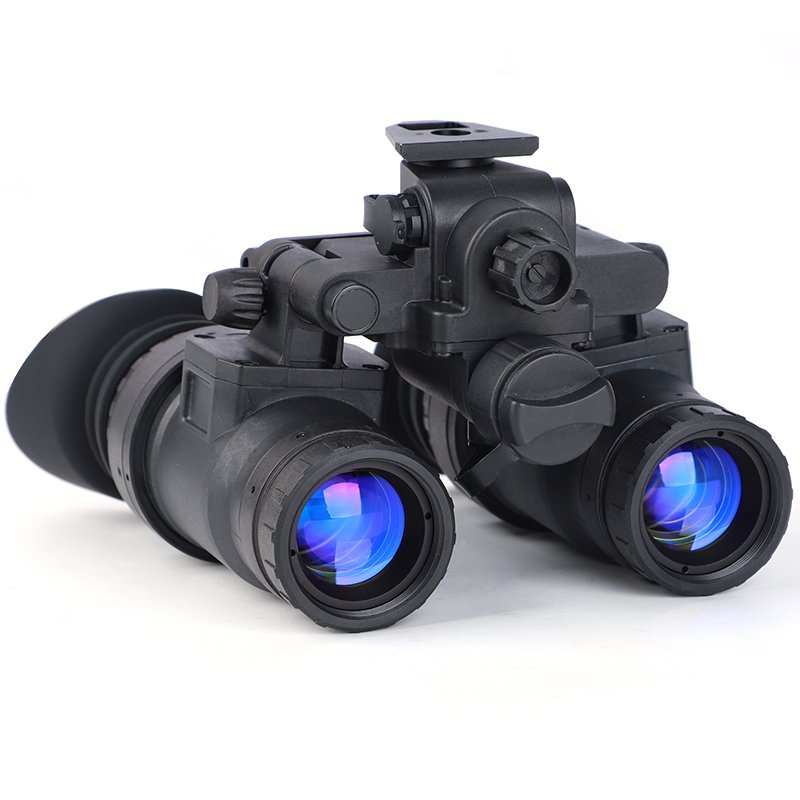
Have you ever wondered what makes your binoculars deliver such clear, sharp images? The secret lies in the coatings on the lenses.
If you want to get the best view, understanding what coatings your ED binoculars have is key. These coatings can change everything—from brightness to glare reduction—giving you a much better experience. Keep reading to discover exactly what coatings are used and how they affect what you see through your binoculars.
Your next adventure will thank you for it.

Credit: www.amazon.com
Types Of Ed Binocular Coatings
ED binoculars have special coatings on their lenses. These coatings improve image quality and clarity. Different types of coatings serve unique purposes to reduce glare and increase light transmission.
These coatings help users see sharper and brighter images. Let’s explore the main types of coatings found on ED binoculars.
Single-layer Coatings
Single-layer coatings are the most basic type. They use one thin layer of anti-reflective material on the lens surface. This layer reduces reflections and increases light passing through.
Though better than no coating, single-layer coatings are less effective than multi-layer coatings. They help to improve brightness and contrast slightly.
Multi-layer Coatings
Multi-layer coatings apply several layers of anti-reflective materials. Each layer targets different wavelengths of light. This reduces reflections more than single-layer coatings.
- Increase light transmission up to 99%
- Enhance image brightness and color accuracy
- Reduce glare and eye strain
- Improve contrast in various lighting conditions
Phase Correction Coatings
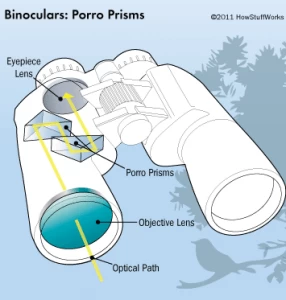
Phase correction coatings fix phase shifts of light waves. These shifts happen inside prisms of binoculars. The coating keeps light waves in sync for clearer images.
This coating improves resolution and sharpness. It is common in roof prism ED binoculars to boost image quality.
Anti-reflective Coatings
| Coating Type | Main Benefit | Where Applied |
|---|---|---|
| Single-Layer | Basic glare reduction | Lens surfaces |
| Multi-Layer | High light transmission | All lens surfaces |
| Phase Correction | Sharpness and resolution | Prism surfaces |
| Anti-Reflective | Minimize reflections | Lens and prism surfaces |
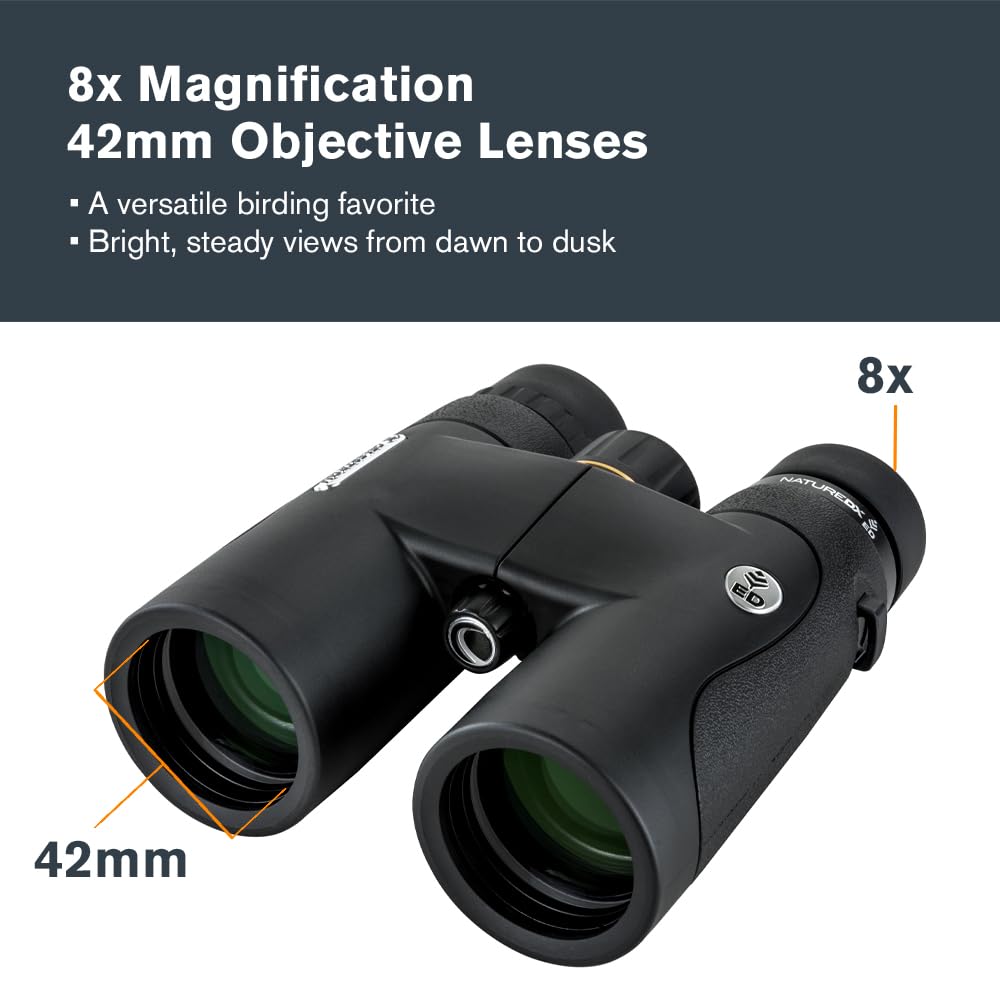
Credit: www.amazon.ca
Benefits Of Ed Coatings
ED coatings improve the lenses in binoculars. They help give clearer views.
These coatings reduce light distortion and improve image quality.
Enhanced Clarity And Sharpness
ED coatings reduce blurriness in binocular images. This makes details easier to see.
The coatings help lenses focus light better. This results in sharper images.
Reduced Chromatic Aberration
Chromatic aberration causes color edges around objects. ED coatings lower this effect.
- Less color fringing on edges
- Clearer and more natural views
- Reduced eye strain during use
Improved Light Transmission
ED coatings allow more light to pass through lenses. This brightens the image.
| Without ED Coatings | Light Transmission |
| Standard Lens | 80% |
| ED Coated Lens | 95% |
Better Color Accuracy
ED coatings reduce color distortion. Colors appear more true to life.
This helps users see natural shades in landscapes and wildlife.
Materials Used In Ed Coatings
ED binoculars use special coatings to improve image quality. These coatings reduce light loss and color distortion.
The materials used in ED coatings help binoculars produce clearer and sharper views. Different materials offer unique benefits.
Fluorite Elements
Fluorite elements are crystals used in lenses to reduce color errors. They help separate light into true colors.
These elements improve sharpness and contrast in images. Fluorite is lighter than glass, which helps with lens weight.
Specialized Glass Types
Special glass types with low dispersion are common in ED coatings. They lower the spread of light inside lenses.
- Extra-low dispersion glass
- Ultra-low dispersion glass
- Fluorine-doped glass
- High refractive index glass
These glass types create sharper images with less color blur. They are often combined with other coatings for best results.
Nano-coating Technologies
Nano-coatings use tiny particles to reduce surface reflections. This improves light transmission and reduces glare.
| Type of Nano-Coating | Function |
| Hydrophobic coating | Repels water and dirt |
| Anti-reflective coating | Reduces lens glare |
| Scratch-resistant coating | Protects lens surfaces |
These coatings last longer and make lenses easier to clean. They keep images bright and clear in different weather.
How Coatings Affect Binocular Performance
Binocular coatings improve how well you see through the lenses. They change the light that passes through.
Different coatings offer benefits like clearer images, longer life, and protection from weather.
Impact On Image Brightness
Coatings reduce light loss inside the binoculars. This makes images look brighter and clearer.
Without coatings, much light reflects off glass surfaces and is lost. Coatings help more light reach your eyes.
- Single coatings reduce some reflection
- Multi-coatings reduce more reflection
- Fully multi-coated lenses give the brightest view
Durability And Scratch Resistance
Coatings also protect the lens surface from scratches. This helps binoculars last longer.
Some coatings add a hard layer to the glass. This layer stops small scratches from damaging the lenses.
- Hard coatings improve resistance to rough handling
- Scratch-resistant coatings keep lenses clear
- Durable coatings save money on repairs
Water And Fog Resistance
Special coatings help keep moisture out of the binoculars. This prevents fog inside the lenses.
Water-resistant coatings cause water to bead and roll off the lens surface. This keeps vision clear in rain.
- Fog-proof coatings stop inside fogging
- Waterproof seals keep water out
- Hydrophobic coatings repel water from lenses
Comparing Coating Quality Among Brands
ED binoculars use special coatings on their lenses. These coatings improve image clarity and reduce glare. Different brands use different coating types and quality levels.
Understanding these coatings helps you choose binoculars that fit your needs. Some coatings offer better light transmission and color accuracy.
Premium Vs Standard Coatings
Standard coatings protect lenses and reduce reflections. They improve image brightness but may not deliver perfect clarity. Premium coatings add more layers for better light transmission.
Premium coatings often include fully multi-coated lenses. This means every lens surface has multiple coating layers. It helps produce sharper images with less haze.
- Standard coatings: fewer layers, basic protection
- Premium coatings: multiple layers, better clarity
- Fully multi-coated: top-level light transmission
Innovations In Ed Coatings
Some brands use new coating materials for ED lenses. These innovations improve color accuracy and reduce chromatic aberration. Coatings may also resist scratches and water.
Examples include fluoride coatings and nano coatings. These add durability and improve image quality in various light conditions. They help binoculars perform well in the field.
- Fluoride coatings reduce color fringing
- Nano coatings improve scratch and water resistance
- Advanced coatings increase light transmission
Price And Coating Quality Correlation
Higher price binoculars usually have better coatings. Premium coatings and new technologies cost more to make. This raises the overall price of the binoculars.
Budget models may use simpler coatings to keep costs down. They still work but lack the sharpness and brightness of pricier models. The coating quality often matches the price level.
| Price Range | Coating Quality | Image Quality |
|---|---|---|
| Low | Standard coatings | Good but less bright |
| Mid | Multi-coated lenses | Clearer and brighter |
| High | Fully multi-coated, advanced coatings | Sharpest and most vibrant |

Credit: www.amazon.de
Frequently Asked Questions
What Coatings Are Used On Ed Binocular Lenses?
ED binoculars typically feature Extra-low Dispersion glass coatings. These coatings reduce chromatic aberration and enhance image clarity. They improve color accuracy and sharpness, providing a crisp viewing experience. Multiple anti-reflective coatings are often layered to maximize light transmission and minimize glare.
How Do Coatings Improve Ed Binocular Performance?
Coatings on ED binoculars enhance light transmission and reduce reflections. This results in brighter, clearer images with better contrast. They also protect lenses from scratches and environmental damage. Overall, coatings ensure superior optical quality and durability for outdoor use.
Are All Ed Binocular Coatings The Same Quality?
No, coating quality varies by brand and model. Premium ED binoculars use multi-layer coatings for optimal clarity. Budget models might have fewer or less effective coatings. Higher quality coatings generally provide better light transmission and color fidelity.
Can Coatings On Ed Binoculars Wear Off?
Coatings are designed to be durable but can wear with heavy use. Proper cleaning and storage help maintain coating integrity. Avoid abrasive materials and harsh chemicals to prolong the lifespan of coatings.
Conclusion
ED binoculars use special coatings to improve your view. These coatings reduce glare and increase brightness. They help you see clearer and sharper images. Different coatings serve different purposes on lenses and prisms. Knowing about these coatings helps you choose the right binoculars.
Clear vision matters for birdwatching, hiking, or sports. Quality coatings make a real difference outside. Choose ED binoculars with good coatings for better outdoor experiences.