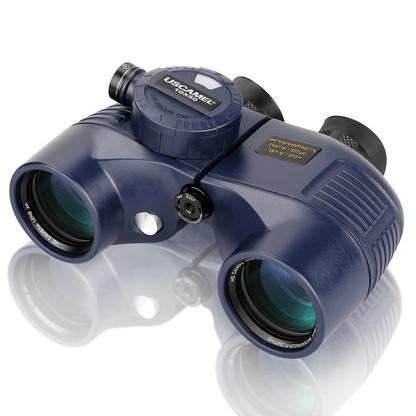
Imagine standing in the freezing cold, surrounded by endless ice and snow, where every detail matters for your safety and mission success. If you’re curious about how soldiers spot threats and navigate such harsh conditions, you need to understand the special binoculars designed for Arctic military bases.
These aren’t just any ordinary binoculars—they are built to perform perfectly in extreme cold, low light, and tough environments. You’ll discover what makes these binoculars unique and why they are crucial for military operations in the Arctic. Keep reading to find out how the right binoculars can make all the difference when it comes to your vision and survival in the icy north.
Credit: uscameloptics.com
Key Features For Arctic Binoculars
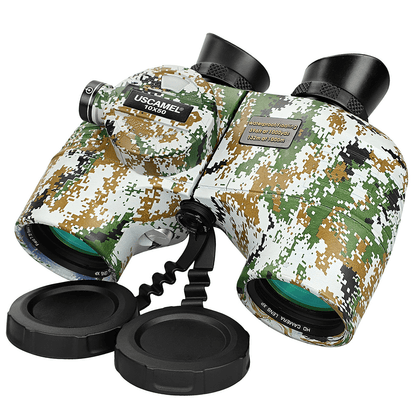
Binoculars used in Arctic military bases must work well in cold and harsh conditions. They help soldiers see long distances clearly. Special features keep the binoculars reliable in the Arctic environment.
These features include strong build quality, clear lenses, and comfort for long use. Each feature helps soldiers perform better in extreme cold.
Durability In Extreme Cold
Arctic binoculars need to stay strong in very low temperatures. They must not crack or break when it is freezing cold. The materials used are tough and can handle ice and snow.
The binoculars are tested to work well in temperatures far below zero. This durability ensures they last during long missions in harsh weather.
Fog And Moisture Resistance
Fog and moisture can blur the view through binoculars. Arctic binoculars have seals to stop water and fog from entering. This keeps the lenses clear at all times.
Many models are also filled with nitrogen gas. This helps prevent fog inside the lenses even when moving from cold to warmer places.
- Waterproof seals stop moisture inside
- Nitrogen gas prevents internal fog
- Anti-fog coatings keep lenses clear
Optical Clarity And Magnification
Clear vision is critical for spotting objects at long distances in the Arctic. Binoculars must have sharp lenses with good light transmission. This helps see details even in low light.
Magnification levels vary but usually range from 7x to 10x. This range balances zoom power and image stability for use on snowy terrain.
- High-quality lenses reduce glare
- Multi-coated optics improve brightness
- Magnification between 7x and 10x
Lightweight And Ergonomic Design
Soldiers wear heavy gear in the Arctic, so binoculars must be light. A lightweight design reduces fatigue during long use. Ergonomic shapes fit well in hands with gloves on.
Rubber coatings improve grip and protect against bumps. Compact size helps carry the binoculars easily on missions.
- Lightweight for easy carrying
- Ergonomic shape fits gloved hands
- Rubber coating for firm grip and shock protection

Credit: uscameloptics.com
Popular Binocular Models In Arctic Bases
Arctic military bases use special binoculars to see far in cold and dark conditions. These binoculars help soldiers watch the area for safety and missions.
The binoculars used in Arctic areas must work well in freezing weather. They also need to show clear images even in low light or snow.
High-performance Military Binoculars
High-performance binoculars are strong and clear. They have good zoom and lens quality. These binoculars are built to last in cold and wet conditions.
Many models have special coatings to reduce glare from snow and ice. They are also lightweight to carry on long patrols.
- Zeiss Victory SF – sharp images and easy to handle
- Leica Geovid HD-B – includes rangefinding and weatherproof design
- Swarovski EL – bright view and rugged build for tough weather
Thermal Imaging Options
Thermal binoculars detect heat from animals, people, and objects. They help soldiers see in darkness or thick fog. This is very useful in Arctic cold.
These binoculars work by showing heat signatures instead of light images. They help find targets hidden in snow or shadows.
- FLIR Scout TK – small and easy to use for quick scans
- ATN ThOR 4 – powerful zoom and clear thermal images
- Trijicon IR Hunter – military-grade with long detection range
Night Vision Capabilities
Night vision binoculars let soldiers see in near total darkness. They amplify small amounts of light to create clear images at night.
These binoculars are useful for night patrols and surveillance. Some models combine night vision with thermal imaging for better detection.
- Armasight by FLIR – durable with high light amplification
- ATN BinoX 4K – digital night vision with video recording
- Night Owl Pro NexGen – affordable and easy to use
Materials And Technology Used
Binoculars used in Arctic military bases must work well in cold and harsh conditions. They use strong materials that resist cold and moisture.
Technology in these binoculars helps soldiers see clearly far away. Special designs and coatings improve the image quality and durability.
Special Coatings For Lens Protection
Lens coatings protect binoculars from scratches and fog. They help keep the glass clear in icy and wet weather.
These coatings also reduce glare from sunlight reflecting on snow. This makes it easier to see details at long distances.
- Anti-fog coatings prevent moisture buildup
- Scratch-resistant layers protect the lens surface
- Anti-reflective coatings increase light transmission
Advanced Prism Systems
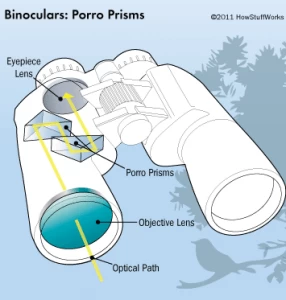
Prisms inside binoculars bend light to create clear images. Advanced prism systems give sharp and bright views.
Military binoculars often use roof or Porro prisms. These prisms help keep the binoculars compact and provide good depth perception.
- Roof prisms offer a slim, lightweight design
- Porro prisms give wide field of view
- High-quality glass prisms improve image brightness
Battery And Power Considerations
Some Arctic military binoculars include night vision or digital features. These need batteries that work well in cold weather.
Battery choice is important to keep devices running for long hours without failure. Cold-resistant batteries are common in these binoculars.
- Use lithium batteries for better cold performance
- Rechargeable options save weight and space
- Low power consumption extends battery life

Credit: www.amazon.com
Challenges Faced By Arctic Military Units
Military units in the Arctic face many challenges. The cold and harsh environment makes their work very hard.
Using binoculars in these conditions is not easy. The equipment must work well despite the tough climate.
Extreme Weather Impact
The Arctic weather is very cold and windy. Temperatures can drop below -40 degrees Celsius.
Cold affects binocular lenses and body. Frost can form on the glass, blocking the view.
- Freezing can damage lenses and seals
- Wind and snow reduce comfort and use
- Hand movements slow down due to cold
Limited Visibility Conditions
Fog, snow, and long nights reduce visibility in the Arctic. This makes spotting objects very hard.
Military binoculars must have good light-gathering ability. They need clear optics to see in low light.
- Use binoculars with large objective lenses
- Choose models with anti-fog coatings
- Night vision or thermal options help in darkness
Maintenance In Harsh Environments
Maintaining binoculars in the Arctic is difficult. Cold and moisture damage the equipment over time.
Regular cleaning and checks keep binoculars ready. Special care protects lenses and seals from cracking.
- Use protective covers to avoid ice buildup
- Store binoculars in insulated cases
- Check seals often to prevent moisture entry
Selection Criteria For Military Binoculars
Military binoculars used in Arctic bases must meet strict standards. These devices help soldiers see far in harsh weather and low light.
Choosing the right binoculars involves looking at mission needs, the environment, and budget limits. Each factor shapes the final choice.
Mission Requirements
Binoculars must support specific tasks like surveillance, navigation, or target spotting. High magnification and clear optics are vital.
- Magnification power typically ranges from 7x to 10x
- Wide field of view to track moving targets
- Night vision or low-light capability for 24-hour operations
- Lightweight design for easy carrying
Environmental Adaptability
Arctic conditions challenge equipment with cold, moisture, and glare. Binoculars must function well in these extremes.
| Feature | Requirement |
| Temperature Range | -40°C to +10°C |
| Waterproofing | IPX7 or higher |
| Fog Resistance | Internal nitrogen or argon purging |
| Lens Coating | Anti-reflective and glare reduction |
Budget And Procurement
Costs affect binocular models and features. Military buyers balance quality with available funds.
Common budget considerations include:
- Initial purchase price
- Maintenance and repairs
- Replacement parts availability
- Supplier reliability and warranty
Frequently Asked Questions
What Features Make Binoculars Suitable For Arctic Use?
Arctic binoculars must be waterproof, fog-proof, and extremely durable. They need to withstand freezing temperatures and harsh winds. High-quality lenses with anti-reflective coatings improve clarity in low light. These features ensure reliable performance in extreme Arctic military conditions.
Which Brands Supply Binoculars To Arctic Military Bases?
Brands like Steiner, Leica, and Zeiss are popular in Arctic military bases. They offer rugged, high-performance binoculars designed for cold climates. These brands provide advanced optics and robust construction suitable for Arctic missions and surveillance.
How Do Binoculars Enhance Arctic Military Surveillance?
Binoculars enable soldiers to detect threats at long distances despite snowy landscapes. They improve target identification and situational awareness in low visibility. This capability is crucial for Arctic base security and effective reconnaissance operations.
Are There Special Coatings On Arctic Military Binocular Lenses?
Yes, Arctic military binoculars feature anti-fog and anti-reflective lens coatings. These coatings prevent condensation and reduce glare from snow and ice. They ensure clear vision in extreme cold and bright Arctic sunlight.
Conclusion
Arctic military bases need binoculars that work in cold and tough conditions. These binoculars help soldiers see far in snowy and icy areas. They must be strong, clear, and easy to use with gloves. Night vision and anti-fog features are very important too.
Choosing the right binoculars keeps missions safe and successful. Clear vision saves lives and improves work. Reliable gear makes a big difference in the Arctic cold.