Are you tired of shaky views that make spotting details a real challenge during your search and rescue missions? Your binoculars are supposed to help you see clearly, not add to the struggle.
Image-stabilized binoculars promise steady, sharp images even when your hands aren’t perfectly still. But are they truly worth the investment for SAR work? You’ll discover how these binoculars could change your game, what benefits they offer, and whether they fit your specific needs.
Keep reading to find out if upgrading your gear with image stabilization will make a real difference in your next mission.

Credit: www.amazon.sa
Benefits Of Image-stabilized Binoculars
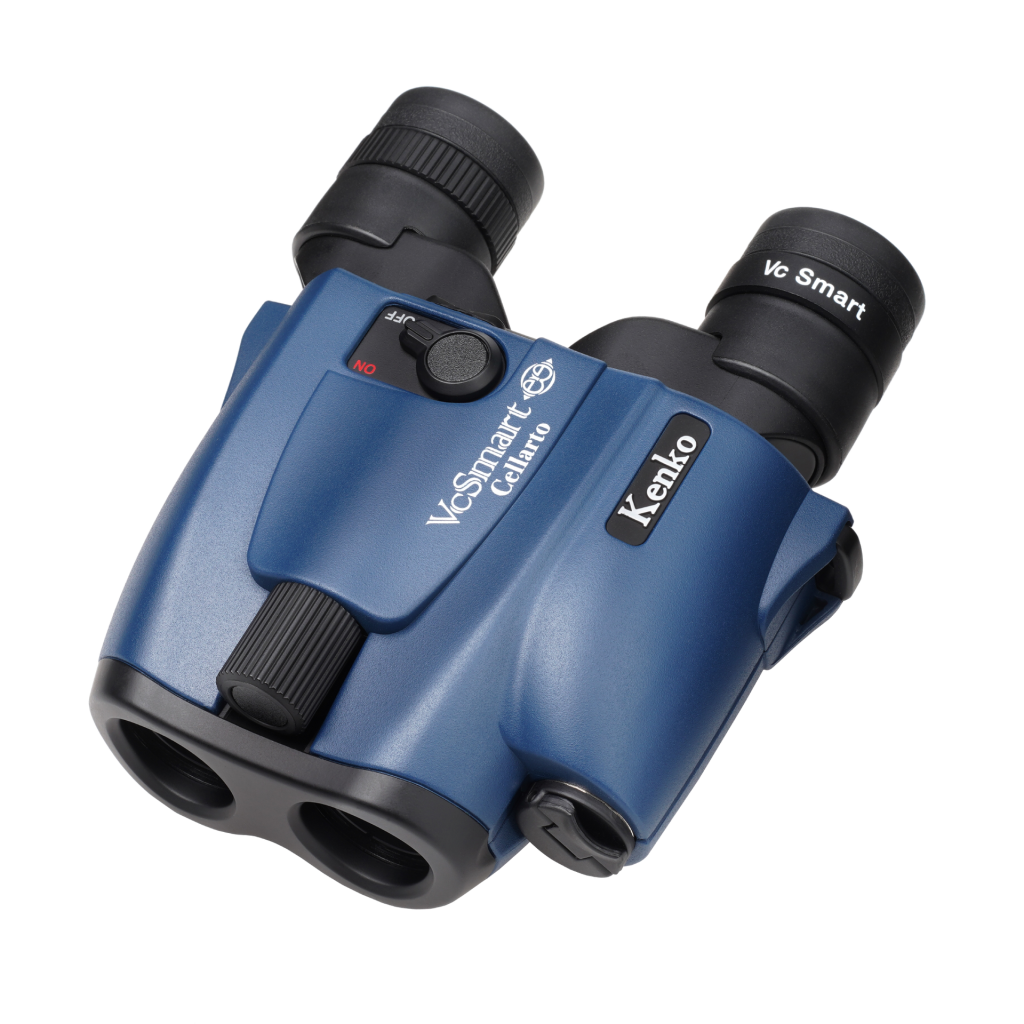
Image-stabilized binoculars help keep the view steady. They reduce the shaking caused by hand movements.
These binoculars are useful for many outdoor activities. They improve the experience during search and rescue (SAR) missions.
Enhanced Viewing Clarity
Image stabilization keeps the picture clear and sharp. It helps you see details without blur or distortion.
This clarity is important in SAR work. It allows rescuers to spot small objects or people from far away.
Reduced Handshake Effects
Normal binoculars shake when held by hand. This makes the view unstable and tiring to watch.
Image-stabilized binoculars use technology to cancel out this shaking. This reduces eye strain and helps focus for longer.
- Less hand tremor visible
- More comfortable to hold
- Improved accuracy in spotting
Better Long-distance Observation
Watching objects at a long distance is hard without stable images. Small movements cause big jumps in view.
Image stabilization helps keep distant views steady. This makes it easier to track moving targets or scan wide areas.

Credit: www.amazon.sa
Sar Operations And Binocular Needs
Search and Rescue (SAR) teams rely on clear vision to find people fast. Binoculars help spot details far away. Choosing the right binoculars is key for success.
Image-stabilized binoculars reduce shaking and blur. This can be important in difficult conditions. Let’s explore how these binoculars affect SAR work.
Typical Viewing Conditions In Sar
SAR teams face tough environments. They look through fog, rain, or low light. Sometimes they scan rough terrain or moving water. These conditions make steady viewing hard.
- Fog and mist reduce visibility
- Low light during dawn or dusk
- Movement from boats or helicopters
- Uneven ground and heavy vegetation
- Long distances to search targets
Importance Of Stability In Critical Moments
During a rescue, seconds count. Clear, stable images help teams act fast. Image stabilization keeps vision steady. This reduces eye strain and improves target identification.
| Benefit | Explanation |
| Reduced Shake | Binoculars stay steady on moving platforms |
| Better Focus | Clearer view of distant objects |
| Less Fatigue | Eyes tire less during long searches |
| Faster Target Spotting | Teams identify people or hazards quickly |
Common Challenges Without Stabilization
Without image stabilization, users face shaky images. This leads to missed details. It also causes tired eyes and slower reactions. These problems can affect rescue outcomes.
Key issues without image stabilization:
- Blurred vision during movement
- Difficulty tracking moving targets
- Increased chance of misidentifying objects
- More frequent breaks needed to rest eyes
- Lower confidence in visual data
Comparing Stabilized And Non-stabilized Models
Image-stabilized binoculars reduce shaking and blur. They help you see clearer in moving situations.
Non-stabilized binoculars do not have this feature. They are simpler and often lighter.
Weight And Portability
Stabilized binoculars are usually heavier than non-stabilized ones. This is because they need extra parts for stabilization.
Non-stabilized models are lighter and easier to carry. They work well for long hikes or quick use.
- Stabilized binoculars: heavier, less portable
- Non-stabilized binoculars: lighter, more portable
Battery Life And Maintenance
Stabilized binoculars need batteries to power the stabilization system. Battery life depends on use and model.
Non-stabilized binoculars do not need batteries. They require less maintenance and always work without power.
- Stabilized: needs batteries, regular charging
- Non-stabilized: no batteries, low maintenance
Cost Considerations
Stabilized binoculars are generally more expensive. The technology adds to the price.
Non-stabilized binoculars cost less. They offer good value if you do not need image stabilization.
- Stabilized models: higher price
- Non-stabilized models: more affordable
Real-world Sar User Experiences
Search and Rescue (SAR) teams often work in tough conditions. Clear vision and steady images are vital for success. Image-stabilized binoculars offer steady views, even when users move or shake.
This article explores how SAR professionals feel about these binoculars. We look at field tests, expert feedback, and real case studies.
Field Test Results
Field tests show image-stabilized binoculars reduce blur during movement. Users reported easier spotting of distant objects on rough terrain. Stability helps keep targets in sight longer.
- Improved target tracking on uneven ground
- Clearer images in windy conditions
- Less eye strain during long observation periods
Feedback From Sar Professionals
SAR professionals say image stabilization helps in stressful moments. They feel more confident scanning large areas. The binoculars also reduce fatigue during long searches.
- Better focus on moving objects
- Useful for night and low-light conditions
- Some found the extra weight a drawback
Case Studies
In one mountain rescue, stabilized binoculars helped locate a lost hiker quickly. The team tracked movement across steep slopes. Another case showed benefits during sea rescues where waves cause shaking.
| Case | Environment | Benefit |
|---|---|---|
| Mountain Rescue | Steep, rocky terrain | Clear tracking of distant movement |
| Sea Rescue | Waves and boat motion | Stable viewing despite rocking |
| Night Search | Low light forest | Reduced fatigue during long watch |
When To Choose Image-stabilized Binoculars
Image-stabilized binoculars reduce shaking and blur in your view. They help you see clearly during movement or rough conditions. These binoculars are useful in search and rescue (SAR) missions where steady vision is critical.
Choosing the right binoculars depends on the mission needs and environment. Image stabilization can improve spotting targets and reduce eye strain. It is important to know when these binoculars offer the best value.
Specific Sar Scenarios
Image-stabilized binoculars work well in SAR missions with constant movement. They are helpful when searching from boats, helicopters, or moving vehicles. These binoculars keep the image steady despite vibrations or shaking.
They also assist in spotting small or distant objects. This feature is useful in locating lost persons or identifying hazards quickly. In missions where quick and clear vision is needed, these binoculars improve accuracy.
Environmental Factors
Rough weather and unstable platforms make image stabilization useful. Wind, rain, and waves cause natural shaking. Image-stabilized binoculars help maintain a clear view despite these challenges.
In low light or foggy conditions, steady images improve target detection. Stable binoculars reduce eye fatigue during long searches. This helps rescuers stay focused and alert.
Budget And Equipment Compatibility
Image-stabilized binoculars cost more than regular ones. Buyers should consider if the benefits match their budget. These binoculars also need batteries or charging for stabilization to work.
Check if your current gear supports extra weight or size. Some models may be heavier or bulkier. Make sure the binoculars fit well with your SAR equipment and mission style.

Credit: www.amazon.sa
Frequently Asked Questions
What Are Image-stabilized Binoculars?
Image-stabilized binoculars use technology to reduce hand shake effects. They provide steady, clear views, especially useful in search and rescue (SAR) operations with moving targets or rough terrain.
How Do Image-stabilized Binoculars Help In Sar?
They improve target identification by minimizing image blur. This enhances accuracy, reduces eye strain, and allows longer observation periods during critical SAR missions.
Are Image-stabilized Binoculars Expensive For Sar Use?
Yes, they tend to be pricier than standard binoculars. However, their enhanced stability and clarity often justify the cost for professional SAR teams.
Can Image Stabilization Work In Low-light Sar Conditions?
Yes, image stabilization helps maintain steady images in low light. This aids SAR teams in dawn, dusk, or nighttime operations for better visibility.
Conclusion
Image-stabilized binoculars help reduce shakiness during use. This feature can improve clarity and comfort, especially in search and rescue (SAR). They work well in rough environments or on moving platforms. While they cost more, the benefits often outweigh the price for SAR teams.
Choosing the right binoculars depends on your specific needs and budget. Think about how much stability matters for your missions. Overall, image stabilization can make a real difference in SAR effectiveness and safety.