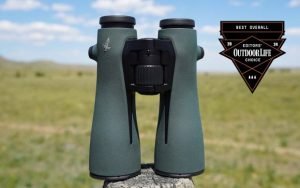
Are you ready to trust your binoculars when every second counts in a Search and Rescue (SAR) mission? Knowing how to test binoculars for SAR readiness can make the difference between success and failure.
You need clear vision, reliability, and durability—all proven before you head out. You’ll discover simple, practical ways to check if your binoculars meet the tough demands of SAR work. Keep reading to ensure your gear won’t let you down when it matters most.
Key Features For Sar Binoculars
Search and Rescue (SAR) binoculars need to be reliable and clear. They must help users find people quickly and safely.
Choosing the right binoculars means checking important features. These features affect how well the binoculars perform in tough conditions.
Magnification And Field Of View
Magnification shows how close objects appear through the binoculars. A good SAR binocular has enough power to see distant targets clearly.
Field of view is how wide the binoculars let you see. A wide view helps spot people or objects faster in a search area.
- Magnification between 7x and 10x is ideal
- Field of view should be wide, around 300-400 feet at 1000 yards
- Balance magnification with a wide field for quick scanning
Durability And Weather Resistance
SAR work often happens in harsh environments. Binoculars must resist rain, dust, and shocks.
Look for binoculars with waterproof and fog-proof features. Hard outer shells protect against drops and hits.
- Waterproof seals prevent water damage
- Fog-proof lenses keep view clear in cold or humid weather
- Rubber armor helps absorb shocks and provides grip
Optical Clarity And Lens Quality
Clear images help find details during a search. High-quality lenses reduce glare and improve sharpness.
Coated lenses increase light transmission. This makes viewing easier in low light or at night.
- Fully multi-coated lenses enhance brightness and clarity
- High-quality glass reduces color distortion
- Good eye relief helps comfortable viewing with glasses
Weight And Ergonomics
Light binoculars are easier to carry during long searches. Heavy models cause fatigue quickly.
Ergonomic design means binoculars fit well in hands. Comfortable grip and easy focus controls help quick use.
- Choose lightweight models under 30 ounces
- Rubber grips improve handling in wet conditions
- Simple focus mechanisms allow fast adjustments

Credit: gearjunkie.com
Preparing For The Test
Testing binoculars for SAR (Search and Rescue) readiness requires careful preparation. This ensures the equipment works properly in real situations.
Before starting the test, gather the right tools and choose the best place. Set clear goals to measure performance well.
Gathering Necessary Equipment
Collect all the items needed to test the binoculars effectively. Missing equipment can lead to incomplete results.
- Binoculars to be tested
- Tripod or stable mount
- Target markers at known distances
- Light source for low-light testing
- Notebook or device for recording data
- Measuring tape or distance meter
Choosing A Suitable Testing Environment
Select a place that matches typical SAR conditions. The environment should allow clear visibility and safe movement.
| Environment | Advantages | Considerations |
|---|---|---|
| Open field | Wide visibility, easy to set targets | Weather can affect testing |
| Wooded area | Tests clarity through trees | Uneven ground, less light |
| Urban setting | Simulates real rescue zones | Distractions and obstacles |
| Low-light location | Checks performance at dusk or dawn | Need artificial lighting sources |
Setting Performance Benchmarks
Define clear goals to measure how well the binoculars perform. Benchmarks help compare results and make decisions.
- Check clarity and sharpness of the image
- Test field of view at different distances
- Assess light gathering in low-light conditions
- Evaluate ease of focus and adjustment
- Measure durability under rough handling
Conducting Optical Performance Tests
Testing binoculars for SAR readiness means checking their optical quality. Clear, sharp images help in search and rescue missions.
Optical performance tests focus on sharpness, light transmission, color accuracy, and contrast. These features affect how well you see details.
Assessing Sharpness And Resolution
Sharpness shows how clear objects appear through the binoculars. Resolution measures how well you see fine details.
To test sharpness, look at detailed objects far away. Check if edges are clear or blurry. For resolution, view small patterns or text to see if details stand out.
- Focus on distant objects with fine details
- Check if edges are crisp and not fuzzy
- Test small text or patterns for detail clarity
Checking Light Transmission
Light transmission is how much light passes through the lenses. Good light transmission makes images brighter and clearer.
Test light transmission by comparing binocular view to the naked eye in low light. The binocular view should be bright and easy to see.
- Test in dim or dusk light conditions
- Compare brightness with and without binoculars
- Look for clear and bright images
Evaluating Color Accuracy And Contrast
Color accuracy means the colors look natural through the binoculars. Contrast is how well you see differences between light and dark areas.
Check color accuracy by viewing colorful objects. Look for true colors without tint or dullness. For contrast, check if shadows and highlights are clear and distinct.
- View bright, colorful objects like leaves or signs
- Check for natural, not faded colors
- Look for clear differences between light and dark areas
Testing Durability And Build Quality
Testing binoculars for SAR readiness needs a focus on how well they hold up in tough conditions. Durability and build quality ensure they work when you need them most.
We will look at key tests like shock resistance, waterproofing, and grip under stress. These tests show if your binoculars can handle search and rescue work.
Shock And Impact Resistance
Binoculars in SAR must survive drops and bumps. Test this by gently dropping them from waist height onto a hard surface. Check for cracks or loose parts.
- Drop binoculars from about 1 meter onto concrete.
- Inspect lenses and body for damage.
- Test functionality after the drop.
- Repeat drop test on different angles.
Waterproof And Fogproof Testing
Water and fog can ruin binoculars during SAR missions. Test waterproofing by submerging the binoculars in water for a set time.
| Test | Method | Expected Result |
|---|---|---|
| Waterproof | Submerge binoculars in 1 meter of water for 30 minutes | No water inside lenses or body |
| Fogproof | Move binoculars from cold to warm place quickly | No internal fogging on lenses |
Grip And Handling Under Stress
Good grip helps use binoculars in wet or sweaty conditions. Test how well you can hold and adjust them while wearing gloves or after hand wetting.
- Hold binoculars with dry hands and test adjustment knobs.
- Wet your hands and test grip and control.
- Wear thick gloves and check if controls still work easily.
- Shake hands lightly to simulate stress and test handling.
Field Testing For Sar Scenarios
Testing binoculars in the field is important for search and rescue (SAR) work. It helps check if they work well in real situations.
You need to see how binoculars perform in different conditions. This includes low light, spotting targets, and using them with other tools.
Low Light And Night Visibility
Binoculars must show clear images in low light and at night. Check if they can gather enough light to see details in dark areas.
Test them during dawn, dusk, or in shaded places. See if you can spot objects or people without extra light.
- Look for bright, sharp images in low light
- Test different eye relief settings for comfort
- Check if lenses reduce glare and reflections
- Try spotting animals or objects in dark areas
Range And Target Identification
Good binoculars help identify targets from far away. Test their zoom and clarity at different distances.
Try spotting small objects or people at long range. Check if the image stays clear and steady.
- Measure how far you can clearly see details
- Check for image sharpness at maximum zoom
- Test stability while holding binoculars still
- Identify different shapes, colors, or movements
Using Binoculars With Other Sar Gear
Binoculars should work well with other SAR tools like radios and GPS devices. Test them together in the field.
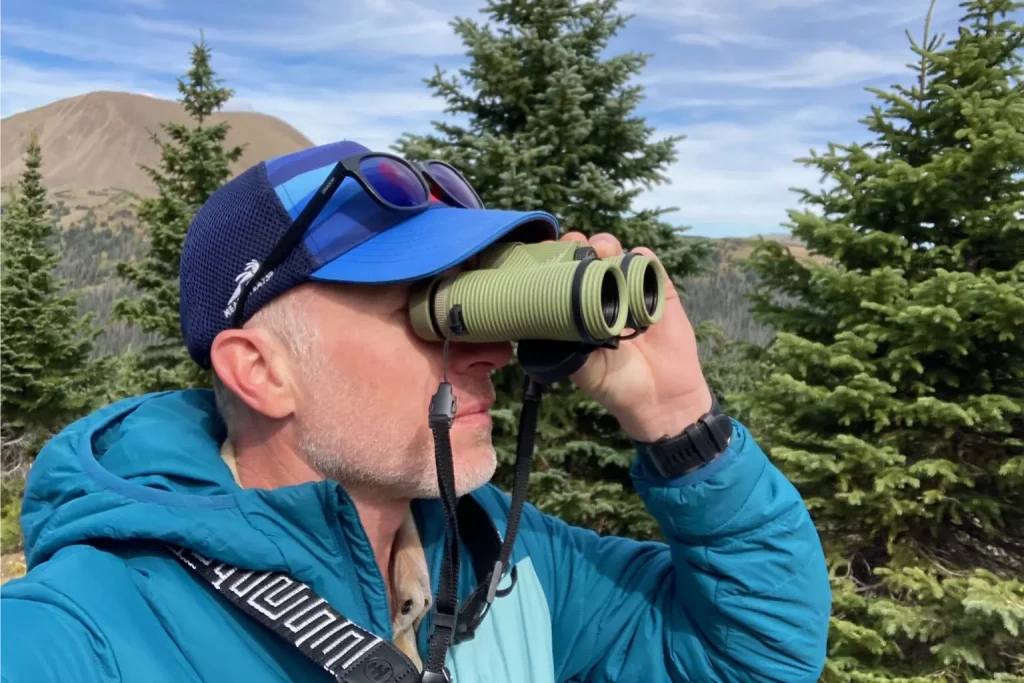
Check if binoculars fit with helmets or headlamps. See if you can use them while carrying other equipment.
- Try binoculars with headlamps on
- Test using binoculars while wearing gloves
- See if they fit comfortably with helmets
- Check if you can use radios and binoculars at once
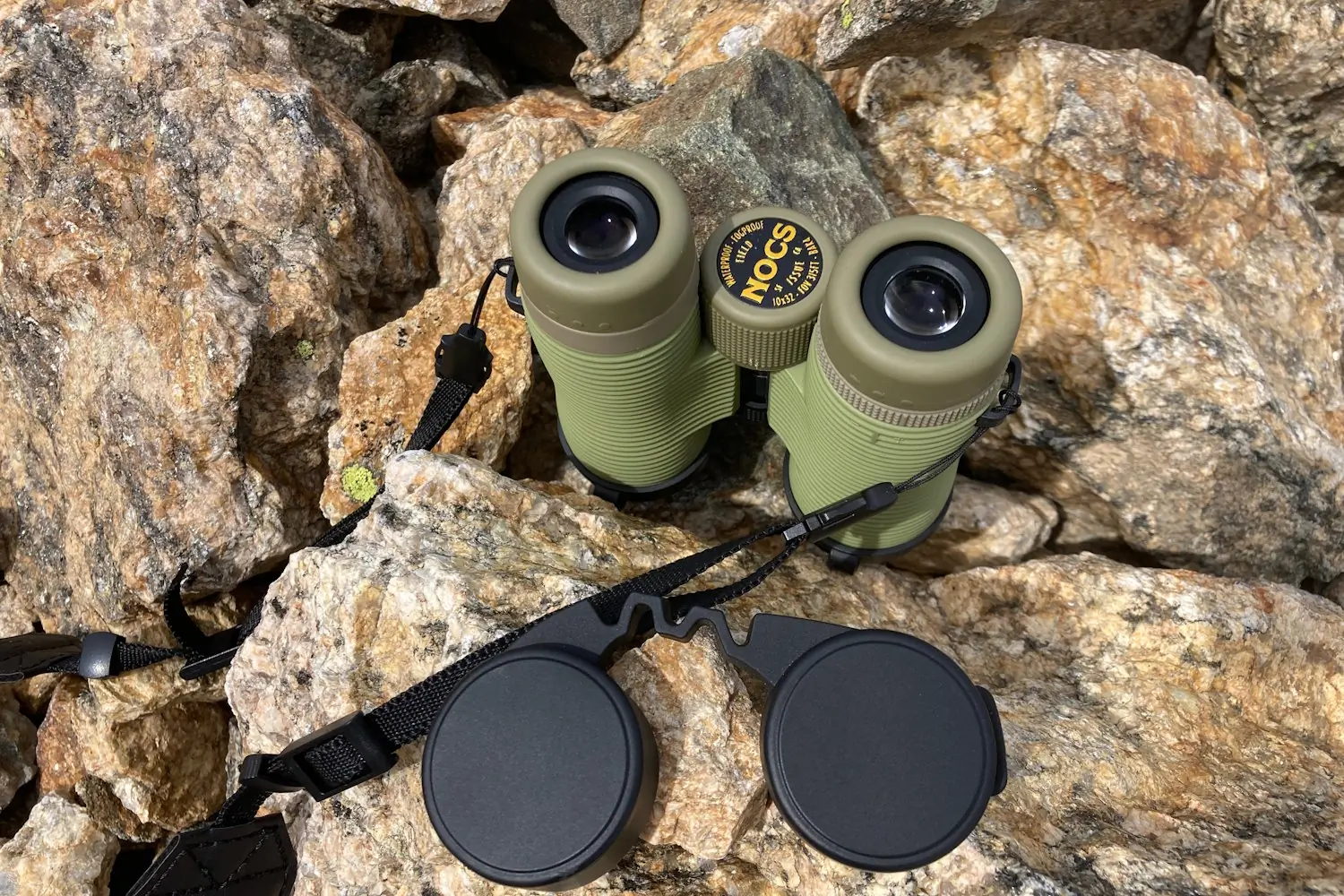
Credit: gearjunkie.com
Recording And Analyzing Results
Testing binoculars for search and rescue (SAR) readiness requires careful recording of test results. Clear notes help understand how well the binoculars perform. Analyzing these results shows if the binoculars meet SAR needs.
Good record keeping also helps compare different models. This makes it easier to choose the best option for SAR tasks.
Documenting Observations
Write down all important details during your binocular tests. Note the clarity, field of view, and light gathering ability. Record how the binoculars handle in low light or bad weather.
Include any problems like fogging or difficulty focusing. Use a simple form or table to keep notes organized. This helps track performance over different tests and conditions.
- Clarity and sharpness of images
- Field of view size
- Performance in low light
- Ease of focusing
- Durability and weather resistance
- Comfort during use
Comparing Against Sar Requirements
Check your recorded data against the SAR standards. These include magnification power, durability, and visibility range. Confirm if the binoculars meet these key points.
Use a checklist or table to compare each feature. This makes it clear which binoculars are best suited for SAR work. Note any features that do not meet the requirements.
| Feature | SAR Requirement | Binocular Result | Meets Requirement |
|---|---|---|---|
| Magnification | 8x to 10x | 9x | Yes |
| Field of View | Minimum 110 meters at 1000 meters | 105 meters | No |
| Waterproof | Yes | Yes | Yes |
| Fog Proof | Yes | No | No |
Making Informed Recommendations
Use your analysis to suggest the best binoculars for SAR use. Highlight strengths and weaknesses clearly. Recommend improvements if needed.
Give advice based on test results and SAR needs. This helps teams pick binoculars that work well in real rescue missions.
- Choose binoculars with clear advantages
- Note any trade-offs like weight or cost
- Suggest additional testing if results are unclear
- Recommend based on durability and comfort
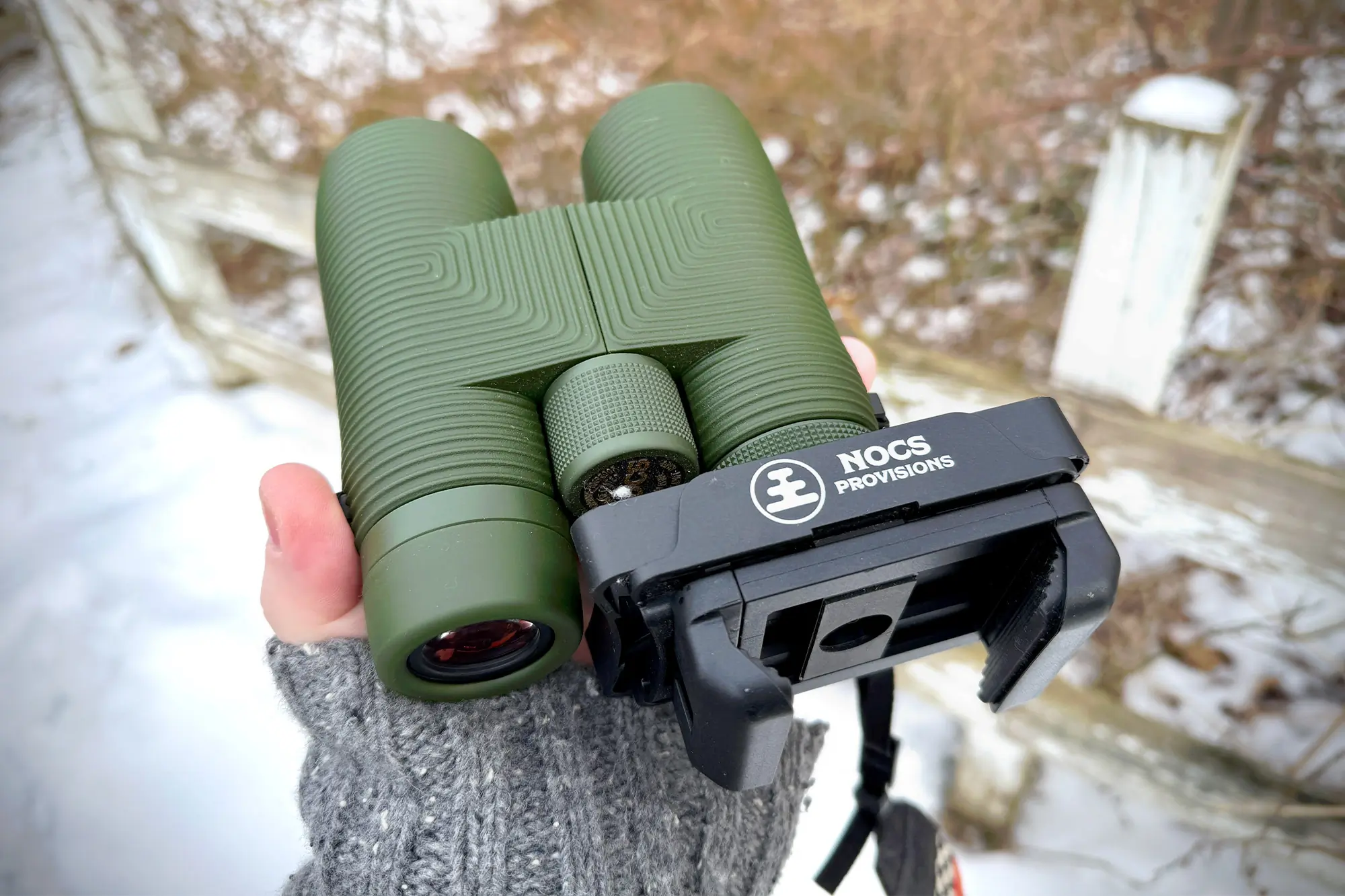
Credit: gearjunkie.com
Frequently Asked Questions
How Do I Check Binoculars For Sar Clarity?
To test SAR clarity, focus on distant objects with fine details. Check for sharpness, color accuracy, and minimal distortion. Ensure the image remains clear at various distances to confirm effective Search and Rescue use.
What Is The Best Magnification For Sar Binoculars?
Ideal SAR binoculars have a magnification of 7x to 10x. This range balances image detail and field of view, making it easier to spot subjects quickly during search operations.
How To Test Waterproofing In Sar Binoculars?
Submerge binoculars in water briefly or expose them to mist. Check for fogging inside lenses or water ingress. Proper SAR binoculars must remain clear and functional after exposure to moisture.
Why Is Field Of View Important For Sar Binoculars?
A wide field of view helps scan large areas quickly during rescue missions. It increases the chance of spotting subjects and reduces the need for constant repositioning.
Conclusion
Testing binoculars for SAR readiness ensures safety and efficiency in missions. Check clarity, durability, and ease of use carefully. Good binoculars help spot details from far away. Always test them in real conditions before important tasks. Remember, proper gear can save lives.
Take time to learn how your binoculars perform. This simple step improves your search and rescue work greatly. Stay prepared and confident with the right tools.