Have you ever wondered if your binoculars can handle tough conditions without breaking? Whether you’re hiking, birdwatching, or exploring rugged terrain, you want gear that won’t fail you when it matters most.
But are binoculars really built to survive rough use? You’ll discover what makes some binoculars tough and others fragile. By the end, you’ll know exactly how to choose and care for binoculars that stay reliable no matter where your adventures take you.
Keep reading to protect your investment and enjoy clear views every time.
Durability Of Binoculars
Binoculars are tools used outdoors in many rough conditions. Their durability matters for long use.
Strong binoculars resist damage from drops, bumps, and harsh weather. This helps them last longer.
Materials That Withstand Impact
Durable binoculars use strong materials to survive rough use. These materials absorb shocks and resist cracks.
Common materials include rubber, metal, and reinforced plastics. Rubber coatings protect from drops.
- Rubber armor covers the body for shock absorption
- Aluminum or magnesium frames offer strength without too much weight
- Polycarbonate lenses resist shattering
- Sealed joints keep dirt and water out
Design Features For Tough Conditions
Binoculars designed for rough use have special features. These help them work well in hard environments.
Features like waterproof seals and fog proofing keep the inside clear. Shockproof designs reduce damage.
- Rubber armoring for extra grip and impact resistance
- Waterproof and fog proof seals to protect lenses
- Reinforced hinges to avoid breakage
- Non-slip surfaces for better handling
Water And Dust Resistance
Binoculars often face tough outdoor conditions. Water and dust can damage them if not protected well. This makes resistance an important feature for rough use.
Water and dust resistance means the binoculars can keep working even in rain, fog, or dusty places. This helps keep the lenses clear and the mechanics smooth.
Sealing Technologies
Good binoculars use special seals to keep water and dust out. These seals are usually made of rubber or silicone. They protect the inside parts from damage.
Some binoculars also have nitrogen or argon gas inside. This stops fog from forming inside the lenses. It keeps vision clear in cold or humid weather.
Ratings To Look For
Look for official ratings that show how well binoculars resist water and dust. Two common ratings are IP and MIL-STD.
| Rating | Meaning | Protection Level |
| IPX7 | Water Resistance | Protected against water up to 1 meter for 30 minutes |
| IP6X | Dust Resistance | Fully dust tight |
| MIL-STD-810G | Military Standard | Tested for water, dust, shock, and more |
Shock Absorption Mechanisms
Binoculars often face rough handling during outdoor use. Their ability to absorb shocks protects the lenses and internal parts.
This article explains two key shock absorption methods found in binoculars. These help keep them safe and working well.
Internal Cushioning
Internal cushioning uses soft materials inside the binoculars. These materials reduce the impact of drops or bumps.
- Foam padding surrounds delicate lenses and prisms.
- Rubber inserts absorb vibrations during movement.
- Shock-absorbing gels help protect fine mechanical parts.
- These materials keep components from shifting or breaking.
Protective Housing
Protective housing forms the outer shell of binoculars. It shields the inside from shocks and harsh conditions.
| Material | Function | Benefit |
| Rubber Coating | Absorbs bumps and drops | Prevents scratches and cracks |
| Hard Plastic Shell | Provides structural support | Keeps shape under pressure |
| Metal Frame | Strengthens joints and hinges | Enhances durability |

Credit: www.amazon.ca
Common Damage Risks
Binoculars are made to be durable, but rough use can cause damage. Knowing common risks helps you protect them better.
Some parts of binoculars are more vulnerable during rough handling. Lens scratches and alignment issues are two main problems.
Lens Scratches And Breakage
The lenses are the most delicate part of binoculars. Rough use can cause scratches, which reduce image clarity.
Strong impacts may break the lenses. Broken glass can make the binoculars unusable and costly to fix.
- Scratches blur the view and lower image quality
- Dirt and sand cause tiny scratches on the lens surface
- Dropping binoculars can crack or shatter lenses
- Broken lenses need professional repair or replacement
Alignment Issues
Binoculars need precise alignment of lenses to work well. Rough handling can cause misalignment.
Misaligned lenses make the image blurry or cause double vision. This makes viewing uncomfortable and tiring.
- Dropping or bumping binoculars can shift lens position
- Loose parts may cause lenses to move out of alignment
- Misalignment requires professional adjustment to fix
- Regular checks help detect early alignment problems
Tips For Using Binoculars Roughly
Binoculars can be tough tools, but rough use can cause damage. Using them carefully helps keep them working well.
Here are some tips to handle binoculars in rough conditions without breaking them.
Proper Handling Techniques
Using binoculars roughly needs smart handling. Protect your binoculars from shocks and dirt.
- Hold binoculars firmly but not too tight to avoid dropping.
- Use a neck strap to keep them secure while moving.
- Keep the lenses covered when not in use to prevent scratches.
- Avoid touching the lenses with fingers to stop smudges.
- Clean lenses gently with a soft cloth after use.
Storage Solutions
Proper storage protects binoculars from damage during rough use or travel.
| Storage Method | Benefits |
| Hard case | Protects against drops and impacts |
| Soft pouch | Prevents scratches and dust |
| Dry box | Keeps binoculars dry and mold-free |
| Neck strap | Keeps binoculars close and secure |
Best Binoculars For Rough Use
Binoculars are useful tools for many outdoor activities. Using them in tough conditions needs extra care.
Choosing binoculars that can handle rough use is important. They must be strong and reliable.
Top Brands And Models
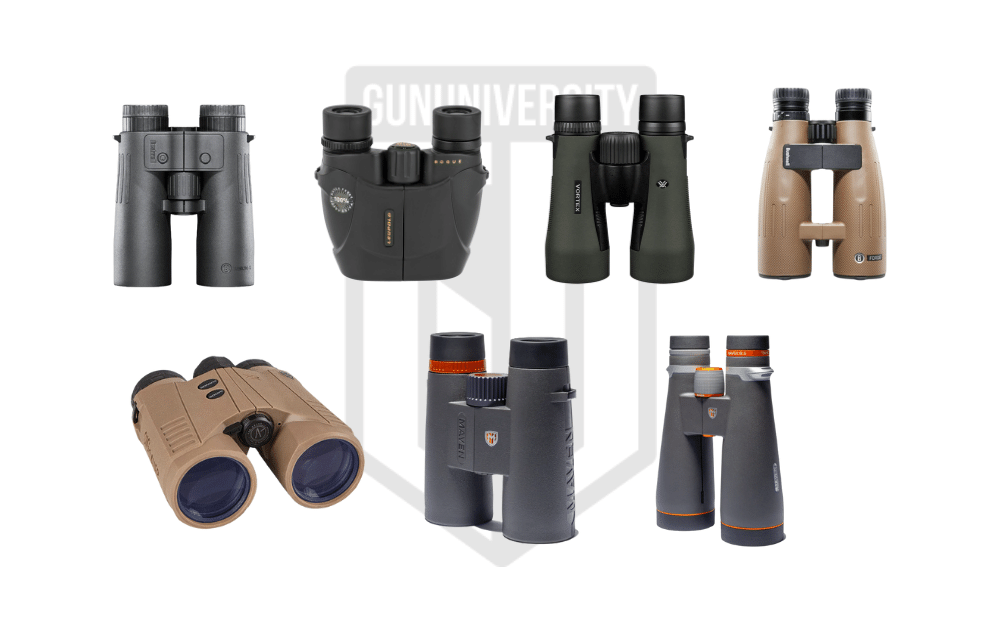
Some brands make binoculars that stand up to hard use. These brands focus on durability and quality.
- Nikon Monarch 5 – Known for sharp images and tough design.
- Vortex Diamondback – Offers strong build and good grip.
- Bushnell Trophy Xtreme – Water and fog proof for harsh weather.
- Leica Trinovid HD – High durability with clear optics.
- Celestron Nature DX – Affordable and rugged for beginners.
Price Vs. Durability
Expensive binoculars often use better materials. This helps them last longer in rough use.
Cheap models may break or lose focus quickly. But some mid-range binoculars offer good strength and value.
| Price Range | Durability Features | Best Use |
|---|---|---|
| High ($300+) | Waterproof, fog proof, shock resistant | Heavy outdoor use, harsh environments |
| Mid ($100–$300) | Water resistant, good build quality | Casual hiking, bird watching |
| Low (Under $100) | Basic build, limited weather protection | Light use, indoor or calm conditions |
Maintenance After Rough Use
Binoculars can take a beating during outdoor activities. Proper care after rough use keeps them working well.
Cleaning and checking your binoculars prevents damage and extends their life. This guide helps you maintain them.
Cleaning And Care
Start by removing dirt and dust with a soft brush or cloth. Avoid using rough materials that can scratch lenses.
Use lens cleaner made for optics and a microfiber cloth to clean the lenses. Do not spray cleaner directly on lenses.
- Wipe the body with a damp cloth if it is dirty
- Keep the lenses covered when not in use
- Store binoculars in a dry place to avoid mold
- Check for loose parts and tighten if needed
When To Seek Repairs
Look for signs that need expert help. Do not try to fix complex problems yourself.
Common issues that need repair include foggy lenses inside, broken focus knobs, and cracked lenses.
- Persistent blurry or foggy view after cleaning
- Loose or broken parts that affect use
- Water inside the binoculars
- Difficulty turning the focus or adjusting the eyepieces
Credit: gununiversity.com

Credit: www.yahoo.com
Frequently Asked Questions
Are Binoculars Designed For Rough Outdoor Use?
Yes, many binoculars are built with rugged materials and waterproof seals. These features protect them from shocks, dust, and moisture during outdoor activities.
How To Protect Binoculars From Damage In Rough Conditions?
Use a padded case and secure straps. Avoid dropping them and clean lenses regularly to maintain clarity and prevent scratches.
Can Rough Use Affect Binoculars’ Optical Performance?
Yes, rough handling can misalign lenses or damage prisms. This may reduce image clarity and focus accuracy, impacting overall viewing experience.
Are Waterproof Binoculars Safe For Extreme Weather?
Waterproof binoculars resist rain and humidity, making them ideal for harsh weather. However, they still need proper care to prevent internal fogging or damage.
Conclusion
Binoculars can handle rough use if built tough. Choose models with strong materials and good seals. Protect lenses with covers to avoid scratches. Regular cleaning keeps vision clear and sharp. Treat your binoculars with care to last longer. Rough use is okay but be mindful.
Good quality binoculars serve well outdoors and on adventures. Keep them safe, and they will perform well every time.