Have you ever wanted to get a closer look at the delicate details of flowers and leaves while strolling through a botanical garden? You might wonder if close-focus binoculars are the right tool for this.
Imagine being able to see the tiny veins on a petal or the intricate patterns on a butterfly’s wings without disturbing the natural setting. If you’re curious about how close-focus binoculars work in such environments and whether they can enhance your visit, this article is for you.
Keep reading to discover how these binoculars can change the way you experience botanical gardens—and why they might become your new favorite companion.
Close-focus Binoculars Basics
Close-focus binoculars let you see objects very near clearly. They are great for viewing plants up close in a botanical garden.
These binoculars differ from regular ones because they focus on nearby things without losing sharpness. This makes them useful for close-up observation of flowers and leaves.
What Are Close-focus Binoculars
Close-focus binoculars can focus on objects just a few feet away. Normal binoculars usually focus on objects farther away. This special feature helps you study small details.
- Focus distance can be as close as 1 to 3 meters.
- They provide sharp images of nearby subjects.
- Ideal for nature lovers and gardeners.
- Useful for observing insects on plants.
Key Features To Look For
| Feature | Why It Matters |
| Close Focus Distance | Allows clear viewing of nearby objects. |
| Magnification | Shows details without shaking. |
| Field of View | Wider view helps find subjects easily. |
| Lens Quality | Provides bright and sharp images. |
| Size and Weight | Easy to carry in gardens. |
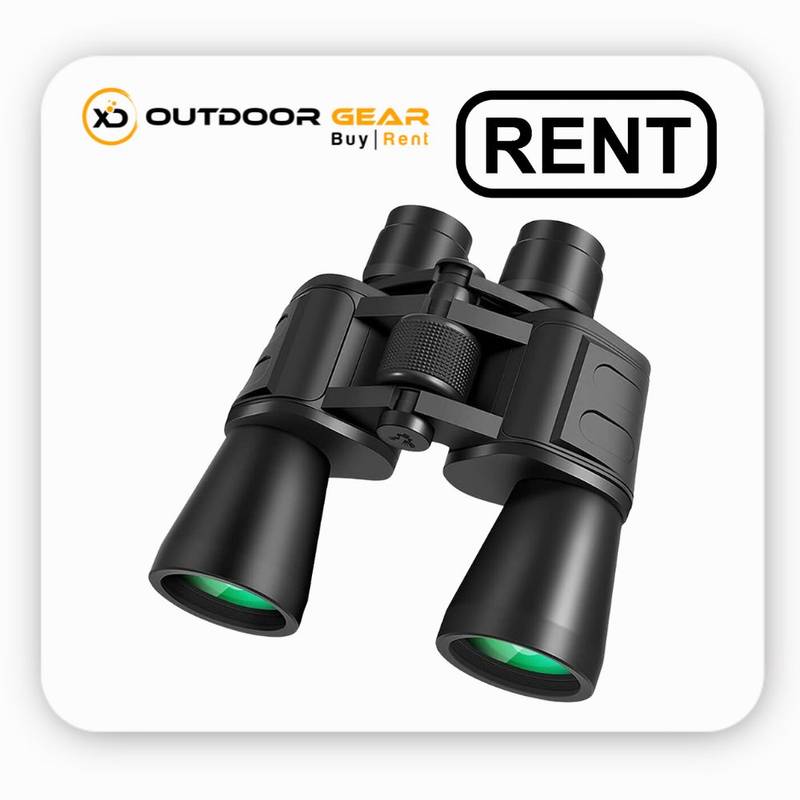
Credit: xdogtrekking.com
Benefits In Botanical Gardens
Close-focus binoculars help visitors see plants clearly in botanical gardens. They allow viewers to observe details without touching the plants.
These binoculars bring small features near, making the garden visit more interesting and educational.
Enhancing Plant Observation
Close-focus binoculars let you see leaves, flowers, and stems up close. You can notice colors and textures that are hard to see with the naked eye.
- View fine details on petals and leaves
- Spot plant diseases early by seeing small spots or discolorations
- Study plant growth stages closely
- Enjoy the beauty of rare and delicate plants safely
Spotting Insects And Wildlife
Botanical gardens often host many insects and small animals. Close-focus binoculars help you watch these creatures without disturbing them.
| Insect or Animal | Benefit of Using Close-Focus Binoculars |
| Butterflies | Observe wing patterns and colors |
| Bees | Watch pollination behavior safely |
| Small birds | See feeding and nesting habits closely |
| Ladybugs | Identify species by spotting spots and shapes |
Challenges And Limitations
Close-focus binoculars are designed to see objects very near. Using them in botanical gardens can be tricky. These binoculars face several challenges that limit their use.
Understanding these challenges helps users decide if close-focus binoculars suit their needs in a garden setting.
Field Of View Considerations
Close-focus binoculars usually have a narrow field of view. This means you see a smaller area through the lenses. In botanical gardens, plants and flowers cover wide spaces.
A limited field of view makes it hard to spot many plants at once. You may need to move the binoculars often to see different parts of the garden.
- Narrow view can miss surrounding plants
- Requires more effort to scan large areas
- Harder to track moving insects or birds
Lighting And Weather Impact
Lighting affects how well close-focus binoculars work. Bright sunlight helps see details clearly. Low light or shade can reduce image quality.
Weather also plays a role. Rain, fog, or humidity can blur the view. Close-focus binoculars may not perform well in wet or misty conditions.
- Bright light improves image clarity
- Low light causes dim or fuzzy images
- Rain and fog reduce visibility
- Humidity can fog up lenses
Choosing The Right Binoculars
Binoculars help you see plants clearly in a botanical garden. Choosing the right pair makes your visit better. It matters to pick binoculars that fit your needs.
Close-focus binoculars can be good for seeing small details in flowers and leaves. But you must know what features work best for garden visits.
Magnification And Lens Size
Magnification shows how close objects appear. Lens size affects brightness and clarity. Both affect how you see plants up close.
- Low magnification (around 8x) gives a wider view and steadier image.
- Higher magnification (10x or more) shows more detail but can shake easily.
- Lenses 30mm to 42mm work well for bright, clear images in gardens.
- Close-focus binoculars focus on objects less than 6 feet away, perfect for flowers.
Portability And Comfort
| Feature | Benefit |
| Lightweight design | Easy to carry during long walks |
| Compact size | Fits in pockets or small bags |
| Rubber grips | Comfortable to hold and protects from drops |
| Adjustable eyecups | Good for users with glasses or without |
Choose binoculars that feel good in your hands and do not tire you out. Portability lets you move freely and enjoy the garden without hassle.
Tips For Using Binoculars In Gardens
Using binoculars in botanical gardens lets you see plants and animals clearly. Close-focus binoculars help you view details up close.
This guide shares simple tips for using binoculars well in garden settings. It covers focusing and caring for your binoculars.
Proper Focusing Techniques
Good focus makes your view sharp and clear. Close-focus binoculars need careful adjustment.
- Hold the binoculars steady and look through them.
- Close your right eye and use the center focus wheel to focus with your left eye.
- Close your left eye and adjust the right eyepiece to focus your right eye.
- Open both eyes and fine-tune using the center wheel if needed.
- Practice focusing on plants at different distances in the garden.
Maintenance And Care
| Care Tip | Reason |
| Clean lenses with a soft cloth | Remove dust without scratching |
| Keep binoculars dry | Prevent mold and damage |
| Store in a padded case | Protect from bumps and drops |
| Check for loose parts regularly | Ensure smooth focusing |
| Avoid touching lenses with fingers | Oils can blur the view |

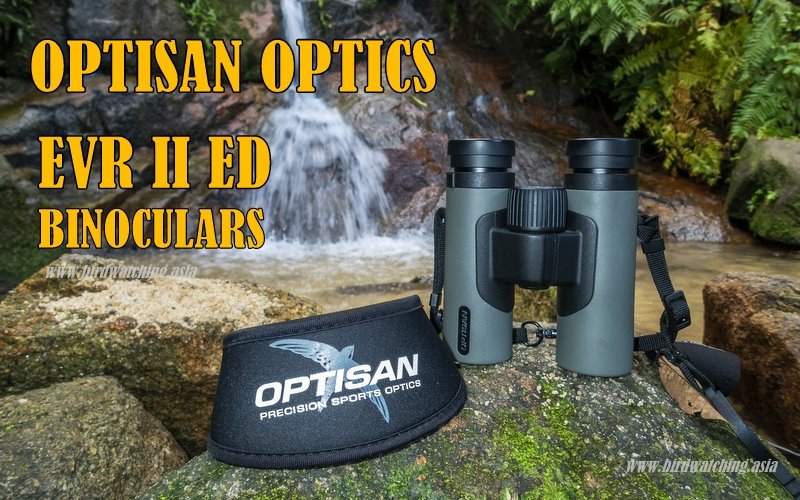
Credit: birdwatching.asia
Alternative Tools For Close Observation
Close-focus binoculars are not always the best choice for observing plants in botanical gardens. These places often need tools that can show very small details clearly. Using the right tool helps you see the beauty of plants up close.
Here are some good alternatives for close observation in botanical gardens. Each tool has its own benefits for viewing small parts of plants and flowers.
Macro Lenses And Cameras
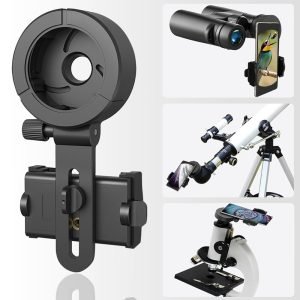
Macro lenses attach to cameras and smartphones to take close-up pictures. They show tiny details like petals and leaf veins clearly. You can use these photos to study plants later.
Using a camera with a macro lens lets you capture sharp images. This helps you observe parts that are hard to see with your eyes alone.
- Shows fine details in flowers and leaves
- Allows you to save and share images
- Works well in natural light
- Easy to use with smartphones or cameras
Handheld Magnifiers
Handheld magnifiers are small lenses that make objects look bigger. You can carry them easily in a pocket. They help you look closely at small plant parts without carrying heavy gear.
Magnifiers are good for quick checks of tiny details. They do not need batteries and are simple to use for kids and adults.
- Portable and lightweight
- No need for power or batteries
- Good for quick, close-up views
- Affordable and easy to find
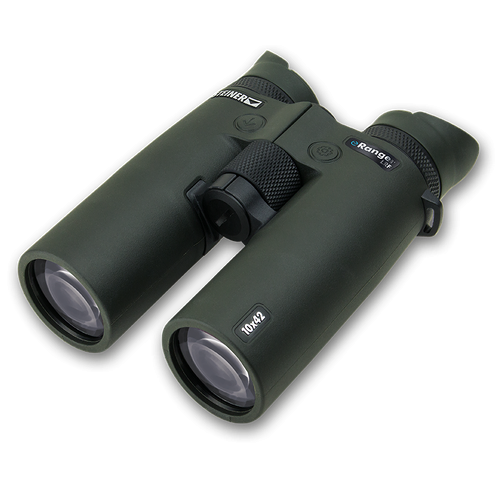
Credit: www.scopedout.com.au
Frequently Asked Questions
Can Close-focus Binoculars Enhance Botanical Garden Visits?
Yes, close-focus binoculars allow detailed viewing of plants and insects. They help you explore intricate botanical features up close without disturbing the environment.
Are Close-focus Binoculars Suitable For Plant Observation?
Absolutely, these binoculars are designed for observing objects a few feet away. They provide clear, sharp images of flowers, leaves, and small garden creatures.
How Do Close-focus Binoculars Differ From Regular Ones?
Close-focus binoculars focus at shorter distances, typically under 6 feet. Regular binoculars focus farther away, making close-focus models ideal for botanical gardens.
Can Close-focus Binoculars Help Identify Rare Plants?
Yes, they provide detailed views of plant textures and colors. This aids in identifying rare species and appreciating botanical diversity more effectively.
Conclusion
Close-focus binoculars work well in botanical gardens. They help you see flowers and small plants clearly. You can enjoy details that are hard to spot with the naked eye. These binoculars make your visit more fun and educational. They are easy to carry and use.
Choosing the right binoculars can improve your garden experience. Try them next time you visit a botanical garden. You might see nature in a new way.