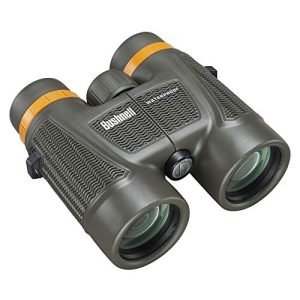
Are you planning to spend hours observing nature, birds, or distant landscapes? If so, you might wonder if close-focus binoculars are the right choice for those long sessions.
You want clear, sharp images without straining your eyes or feeling uncomfortable after a while. But can these binoculars deliver that? Keep reading to discover how close-focus binoculars perform over extended use and whether they truly meet your needs for comfort and clarity during long viewing sessions.
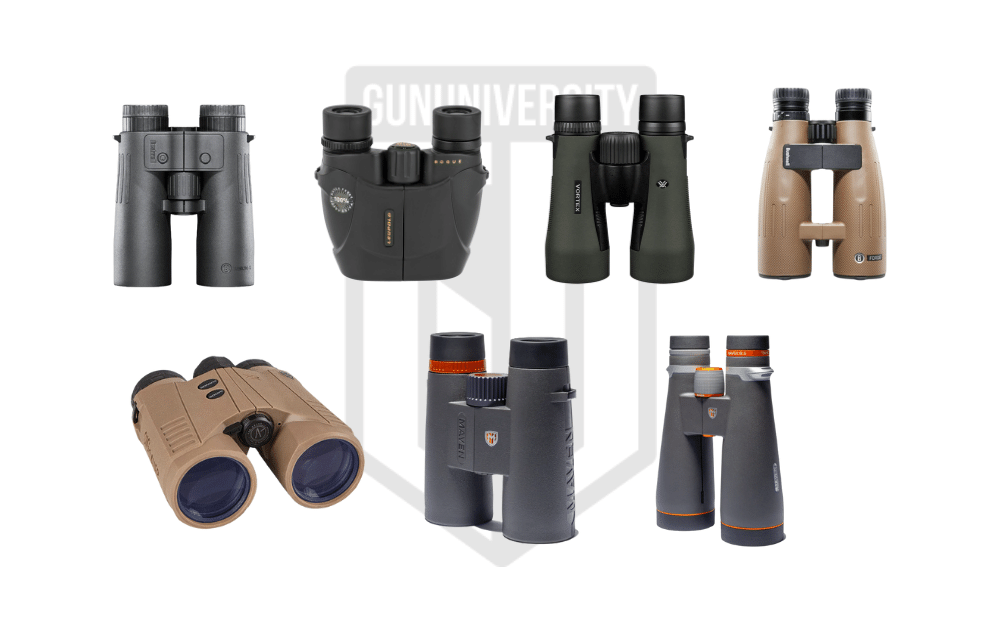
Credit: gununiversity.com
Close-focus Binoculars Basics
Close-focus binoculars help you see objects that are very near. They are useful for birdwatching, insect spotting, and other activities that need clear views up close.
Understanding what close-focus means and the typical distances these binoculars cover can help you decide if they fit your needs for long sessions.
What Close-focus Means
Close-focus refers to the shortest distance at which binoculars can focus clearly. Standard binoculars often focus at 10 feet or more, but close-focus binoculars can focus much closer.
- Allows viewing of objects just a few feet away
- Ideal for observing small creatures or details
- Helps reduce eye strain by offering sharp images at close range
- Supports comfortable long sessions by minimizing refocusing effort
Typical Close-focus Distances
Close-focus binoculars usually have minimum focus distances between 3 and 10 feet. This varies depending on the model and design.
| Type of Binoculars | Minimum Close-Focus Distance |
| Standard Binoculars | 10 feet or more |
| Close-Focus Binoculars | 3 to 6 feet |
| Specialized Macro Binoculars | Less than 3 feet |

Credit: swoptics.co.uk
Advantages In Extended Use
Close-focus binoculars allow users to see objects very near. This ability can help during long sessions in nature or work. Understanding their advantages helps pick the right binoculars for long use.
Comfort, weight, and image quality affect how well binoculars perform over hours. These factors can reduce eye strain and fatigue. Let’s explore these key points.
Comfort And Eye Relief
Eye relief is the distance your eyes can be from the binocular lenses and still see the full image. Close-focus binoculars often have longer eye relief. This helps keep your eyes comfortable during long use.
- Longer eye relief reduces eye strain.
- Soft eyecups add comfort for extended viewing.
- Adjustable focus helps keep images sharp without tiring eyes.
Weight And Ergonomics
Lightweight binoculars cause less arm and neck fatigue. Close-focus models tend to be compact, making them easier to hold for long times. Ergonomic design fits well in hands and allows steady viewing.
| Feature | Benefit for Long Use |
| Lightweight | Reduces arm tiredness |
| Compact size | Easy to carry and hold |
| Rubber grip | Prevents slipping |
| Good balance | Less strain on hands |
Image Quality Over Time
Clear images help avoid eye fatigue during long viewing. Close-focus binoculars usually have high-quality lenses and coatings. These features keep images sharp and bright for hours.
Important image quality factors:
- Good lens coatings reduce glare and improve brightness.
- Sharp focus keeps details clear.
- Wide field of view allows easy tracking of close objects.
Potential Drawbacks For Long Sessions
Close-focus binoculars let you see nearby objects clearly. They are great for short uses. But long sessions can cause some problems.
Users may face issues that make long periods uncomfortable or tiring. These issues affect how well the binoculars work for long use.
Limited Field Of View
Close-focus binoculars often have a smaller field of view. This means you see less around the object you focus on. It can feel like looking through a narrow window.
- Hard to track moving objects
- Need to move binoculars more to see the full scene
- Can cause frustration and slow down observation
Focus Adjustment Challenges
Focusing close objects needs more precise adjustments. This can be tiring over time. You may need to keep changing the focus while watching.
| Focus Issue | Effect on Long Sessions |
|---|---|
| Small focus wheel | Hard to adjust finely |
| Frequent refocusing | Causes hand fatigue |
| Slow focus response | Interrupts viewing flow |
Eye Strain Factors
Close-focus binoculars can cause eye strain during long use. Your eyes work harder to keep focus and adjust to the narrow view. This can cause discomfort or headaches.
- Constant focus effort tires eye muscles
- Reduced blinking can dry eyes
- Bright reflections inside lenses may distract
- Improper eye relief leads to strain
Comparing To Standard Binoculars
Close-focus binoculars let you see objects very near. Standard binoculars focus on far objects. This difference affects how you use them.
Choosing between these two depends on what you want to observe and how long you plan to use them.
Performance Differences
Close-focus binoculars show clear images at short distances. Standard binoculars have better clarity for far views. The weight and size also differ. Close-focus models may be bulkier due to special lenses.
| Feature | Close-Focus Binoculars | Standard Binoculars |
| Minimum Focus Distance | As close as 1–3 meters | Usually 5 meters or more |
| Image Clarity | Sharp at close range | Sharp at long range |
| Weight | Often heavier | Usually lighter |
| Eye Relief | May be shorter | Often longer |
Suitability For Various Activities
Close-focus binoculars suit activities needing near views. Standard binoculars work well for distant scenes. Choosing depends on your activity and comfort during long use.
- Bird watching: Close-focus is good for nearby birds. Standard is better for distant birds.
- Hiking: Standard binoculars are lighter for long walks.
- Sports events: Close-focus helps see details on the field.
- Nature observation: Both work, depending on focus distance.
- Long sessions: Standard binoculars often feel lighter and less tiring.
Expert Tips For Long-term Use
Close-focus binoculars let you see objects very near. They work well for detailed views. Using them for a long time needs care and attention.
We share tips to help you handle, maintain, and choose binoculars for long sessions without discomfort.
Proper Handling Techniques
Hold your binoculars steadily to avoid strain. Use both hands and keep your elbows close to your body. This gives better support and less fatigue.
- Adjust the eyecups for comfort before you start.
- Keep your neck relaxed by using a padded strap.
- Take short breaks every 20 minutes to rest your eyes.
- Use a tripod or monopod for very long viewing sessions.
Maintenance For Comfort
Keeping your binoculars clean and comfortable helps during long use. Dust and smudges can cause eye strain and reduce clarity.
| Maintenance Task | Why It Matters | How Often |
|---|---|---|
| Clean lenses gently | Clear vision and less eye strain | After each use or as needed |
| Check strap and padding | Comfort and support | Monthly |
| Store in dry place | Prevent mold and damage | Always |
| Inspect focus mechanism | Smooth operation | Every 3 months |
Choosing The Right Model
Select binoculars made for comfort and long use. Look for light weight and good grip. Wide eye relief helps reduce eye strain.
- Choose models with adjustable eyecups.
- Look for rubber armor for a firm hold.
- Pick binoculars with good close-focus distance.
- Consider models with anti-fog and waterproof features.
Ideal Scenarios For Close-focus Binoculars
Close-focus binoculars let you see objects that are very near clearly. They are great for detailed viewing of small things. These binoculars work well in certain outdoor activities.
Using close-focus binoculars helps you spot details without losing sharpness. They are useful for people who enjoy nature and want to see close subjects clearly.
Birdwatching And Wildlife Observation
Birdwatchers often need to see birds that are nearby. Close-focus binoculars help them view feathers and small movements well. This makes spotting birds easier and more fun.
Wildlife watchers can use these binoculars to see small animals or insects up close. This helps them learn more about animal behavior without disturbing the wildlife.
Nature Walks And Hiking
Close-focus binoculars are great for hikers who want to explore plants and flowers closely. They help hikers see details that are hard to notice with the naked eye.
These binoculars can also be useful on nature walks to observe small insects or rocks. They make the walk more interesting and educational.
Other Specialized Uses
Close-focus binoculars are useful in hobbies like stamp or coin collecting. They help see fine details without needing extra tools.
These binoculars also help in certain professions such as archaeology or botany. They allow close inspection of objects without touching them.

Credit: www.amazon.ca
Frequently Asked Questions
Are Close-focus Binoculars Comfortable For Long Sessions?
Yes, close-focus binoculars are generally comfortable for long use. Their lightweight design and ergonomic grips reduce hand strain during extended sessions.
How Does Close-focus Affect Eye Fatigue In Binoculars?
Close-focus binoculars minimize eye strain by allowing natural focus at short distances. This reduces frequent refocusing, making long viewing easier on the eyes.
Can Close-focus Binoculars Be Used For Birdwatching All Day?
Absolutely. Close-focus binoculars are ideal for birdwatching since they offer sharp detail at short range and remain comfortable over hours.
Do Close-focus Binoculars Impact Image Quality Over Time?
No, close-focus binoculars maintain clear, sharp images throughout long sessions. Their optical quality is designed for consistent performance over time.
Conclusion
Close-focus binoculars offer versatility for long viewing sessions. They excel at detailed observations. Birdwatching or close-up nature views benefit greatly. Eyes remain comfortable during extended use. Choose lightweight models for added convenience. Compact size ensures easy handling. Consider the field of view for better experience.
High-quality lenses enhance clarity and brightness. Always ensure good eye relief for glasses wearers. Testing different models helps find the perfect fit. With the right pair, enjoy long hours of exploration. Discover the world up close and personal. Happy viewing!