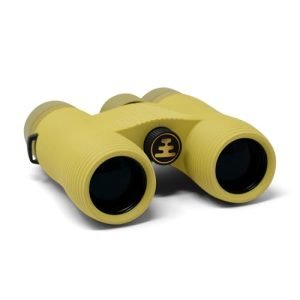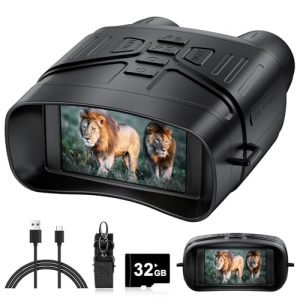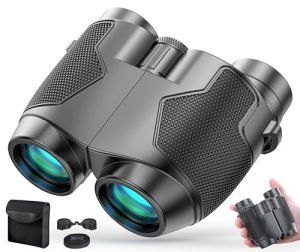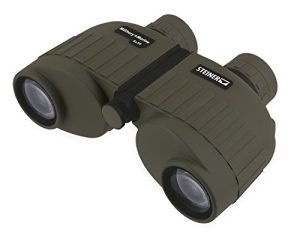
Are you thinking about exploring the night sky with binoculars? You might have come across roof prism binoculars and wondered if they are the right choice for stargazing.
Choosing the right binoculars can make a huge difference in how clearly you see stars, planets, and distant galaxies. You’ll discover what makes roof prism binoculars unique, how they perform under the stars, and whether they can turn your stargazing experience into something truly magical.
Keep reading to find out if these binoculars are the perfect match for your next night under the stars.
Roof Prism Binoculars Basics
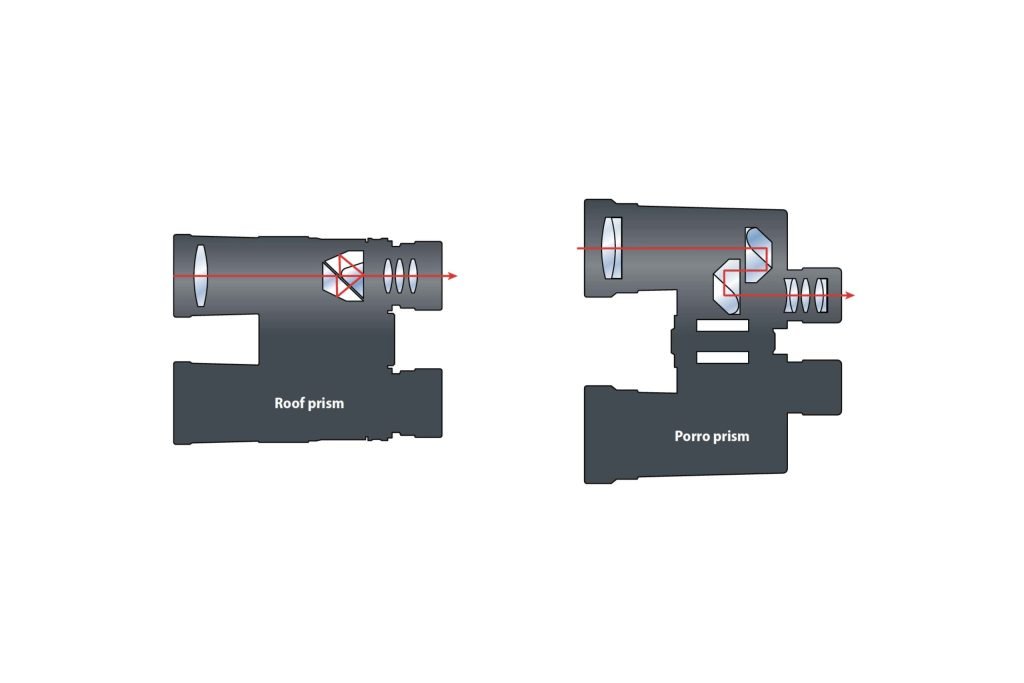
Roof prism binoculars have a straight design that makes them compact. They use prisms to flip the image right side up.
Many people wonder if roof prism binoculars are good for stargazing. Knowing their basics helps answer this question.
Design And Structure
Roof prism binoculars have prisms arranged in a straight line. This design keeps them slim and easy to hold.
The straight shape allows for better waterproofing and dust resistance. This can be helpful during outdoor stargazing.
Light Transmission
Light transmission shows how much light passes through the binoculars. Roof prism models often have good coatings to improve this.
Better light transmission means clearer and brighter views. This is important for seeing stars and faint objects in the night sky.
- Roof prisms may lose some light compared to Porro prisms
- Quality coatings can reduce this light loss
- Look for binoculars with multi-coated lenses for better brightness
Size And Portability
Roof prism binoculars are usually smaller and lighter than Porro prism types. This makes them easy to carry on trips.
Compact size helps when you want to hold the binoculars steady. Stable viewing is important to see stars clearly.
- Smaller size fits well in backpacks
- Lighter weight reduces arm fatigue during use
- Good for quick stargazing sessions outside
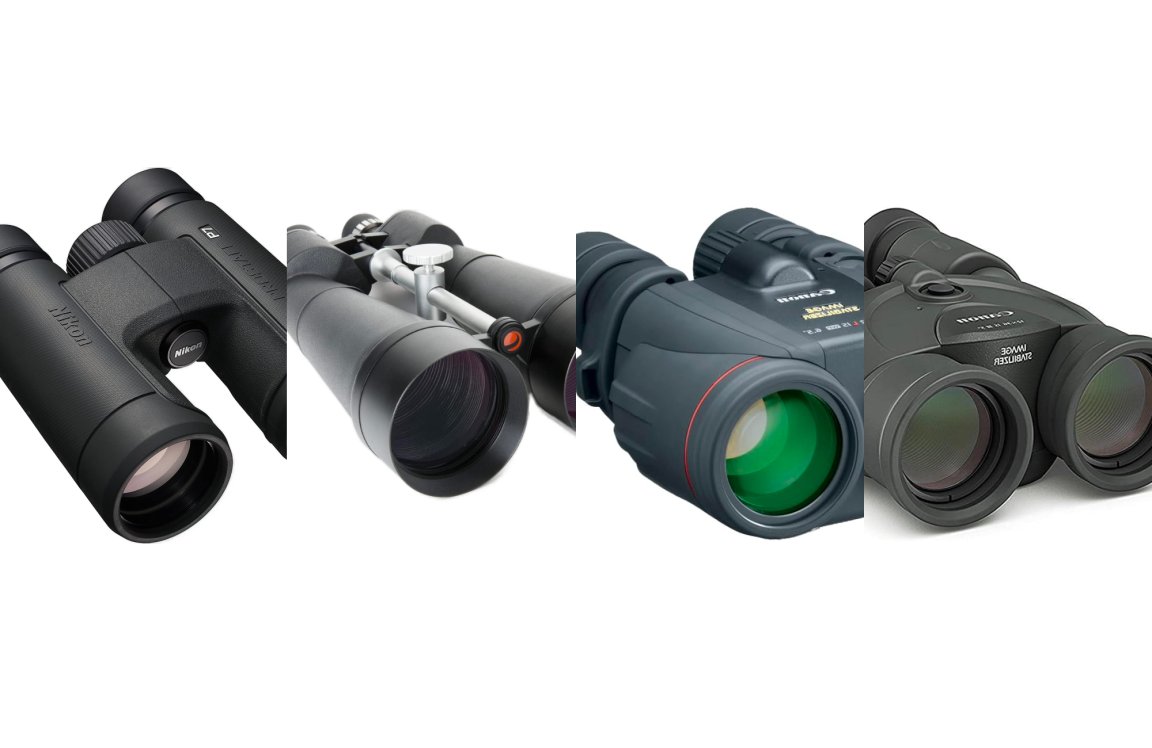
Credit: www.popsci.com
Benefits For Stargazing
Roof prism binoculars are popular for stargazing. They offer clear views of the night sky. People enjoy using them to see stars and planets.
This guide explains why roof prism binoculars work well for stargazing. It covers image quality, ease of use, and durability.
Sharp Image Quality
Roof prism binoculars provide sharp and bright images. Their optical design reduces distortion. This helps viewers see stars more clearly.
- Good light transmission for bright images
- High contrast to see faint objects
- Reduced chromatic aberration for true colors
- Compact design that keeps lenses aligned
Ease Of Use
These binoculars are easy to handle. Their shape fits comfortably in hands. This helps during long stargazing sessions.
| Feature | Benefit for Stargazing |
| Compact size | Easy to carry and hold steady |
| Central focusing knob | Quick and simple focusing on stars |
| Adjustable eyecups | Comfort for users with glasses |
Durability And Weather Resistance
Roof prism binoculars are built to last outdoors. Many models resist rain and fog. This makes them reliable for night use in nature.
- Waterproof seals keep moisture out
- Rubber armor protects against bumps and drops
- Fog-proof lenses prevent internal condensation
- Strong body materials resist wear and tear
Comparing With Porro Prism Binoculars
Roof prism binoculars and Porro prism binoculars are popular for stargazing. They have different designs and features. Knowing their differences helps you pick the right one.
Both types show stars and planets well. But some details like brightness, weight, and cost vary between them.
Image Brightness And Clarity
Roof prism binoculars often have a straight design. This can make the image less bright than Porro prism binoculars. Porro prisms use a zigzag path for light, which can improve brightness.
Porro prism binoculars usually show clearer and sharper images. Roof prisms need special coatings to match this clarity. Without coatings, roof prisms can have slight light loss.
- Porro prisms give brighter images naturally
- Roof prisms need coatings to boost brightness
- Porro prisms often have better edge-to-edge clarity
Weight And Handling
Roof prism binoculars are usually smaller and lighter. Their straight shape makes them easier to hold for a long time. This is good for stargazing sessions.
Porro prism binoculars are bigger and heavier. Their shape can feel bulky in your hands. Some people find them harder to handle during long use.
- Roof prisms are compact and light
- Porro prisms are larger and heavier
- Roof prisms offer easier handling
Cost Differences
Roof prism binoculars cost more to make. Their design needs precise alignment and special coatings. This raises their price compared to Porro prism binoculars.
Porro prism binoculars are cheaper. They have a simpler design and fewer coatings. This makes them a budget-friendly choice for stargazing.
- Roof prisms are usually more expensive
- Porro prisms cost less to produce
- Price difference reflects design complexity
Key Features To Consider
Choosing roof prism binoculars for stargazing means understanding their main features. These features affect how well you see stars and planets.
Look closely at the magnification, lens size, field of view, and eye relief. These help you pick the best binoculars for night sky viewing.
Magnification And Objective Lens Size
Magnification tells how much closer objects appear. Higher magnification shows more detail but can make images shaky.
The objective lens size controls how much light the binoculars collect. Bigger lenses gather more light, which helps see faint stars.
- Magnification of 7x to 10x is good for stargazing
- Objective lens size between 40mm and 50mm works well
- Too high magnification needs a steady tripod
Field Of View
Field of view shows how wide the area you can see is. A wider view helps find stars and follow their movement.
Roof prism binoculars often have a narrower field of view than other types. Choose models with at least 300 feet at 1000 yards.
- Wide field of view helps scan the night sky easily
- Narrow views make it hard to find objects quickly
- Check the field of view specs before buying
Eye Relief
Eye relief is the distance your eyes can be from the lens and still see the full image. It matters if you wear glasses.
Longer eye relief means more comfort. Look for binoculars with at least 15mm of eye relief for stargazing.
- Short eye relief can cut off the view for glasses wearers
- Long eye relief lets you see clearly without removing glasses
- Try binoculars to check comfort before purchase
Top Roof Prism Binoculars For Stargazing
Roof prism binoculars have a straight-barrel design. They are compact and easy to use at night.
These binoculars offer good image quality for stargazing. They work well for beginners and experts.
Budget-friendly Options
Affordable roof prism binoculars provide clear views of the night sky. They are lightweight and easy to carry.
These models suit casual stargazers who want good performance without high costs.
- Compact size for easy handling
- Decent brightness for moon and stars
- Simple focus adjustments
- Durable enough for outdoor use
Mid-range Models
Mid-range binoculars offer better lens quality and wider field views. They show more stars and details.
These binoculars often include coatings to reduce glare. They deliver sharper images in low light.
- Improved light transmission
- Water-resistant designs
- Comfortable grips for long use
- Clearer focus and zoom options
High-end Choices
High-end roof prism binoculars have top-quality glass and advanced coatings. They provide bright, crisp night views.
These models suit serious stargazers who want detailed views of planets and stars. They are built for durability.
- Large objective lenses for maximum light
- Fully multi-coated optics
- Robust, waterproof bodies
- Smooth, precise focusing systems

Credit: www.amazon.com
Tips For Using Binoculars At Night
Using binoculars at night can enhance your stargazing experience. It helps you see stars and planets more clearly.
To get the best view, you need to follow some simple tips. These will help you use your binoculars better in the dark sky.
Stabilizing Your View
Holding binoculars steady at night is important. Even small shakes blur the stars. Use support to keep your view stable.
- Rest your elbows on a table or wall.
- Use a tripod or a steady surface.
- Hold binoculars close to your face with both hands.
- Take slow, deep breaths to reduce body movement.
Adjusting Focus For Stars
Stars are small points of light, so you must adjust focus carefully. Use the focus wheel to get sharp images.
| Focus Tip | Description |
| Start with infinity | Turn focus to the farthest setting to see stars clearly. |
| Fine-tune slowly | Make small adjustments until stars are sharp points of light. |
| Check each eye | Adjust the diopter for your dominant eye if binoculars have one. |
| Use a bright star | Pick a bright star to focus on for better clarity. |
Avoiding Light Pollution
Light pollution makes it hard to see stars clearly. Find dark areas to improve your night viewing.
- Go to places far from city lights.
- Turn off nearby lights when using binoculars.
- Use a red flashlight to keep your night vision.
- Plan stargazing on clear, moonless nights.
Common Drawbacks And Solutions
Roof prism binoculars are popular for many uses, but stargazing has special needs. Some common drawbacks can affect your experience. Knowing these issues helps you find good solutions.
This guide covers three main challenges with roof prism binoculars for stargazing. It also offers easy ways to improve your viewing comfort and clarity.
Limited Light Gathering
Roof prism binoculars may gather less light than other types. This reduces brightness when looking at faint stars or planets. The smaller objective lenses limit how much light enters.
- Choose binoculars with larger objective lenses for better light capture.
- Use a tripod to keep the binoculars steady, allowing longer viewing without blur.
- Stargaze in dark areas away from city lights to improve visibility.
Narrow Field Of View
The field of view is smaller with roof prism binoculars compared to some other designs. This makes it harder to scan large star areas quickly. You may need to move the binoculars more often.
| Drawback | Solution |
|---|---|
| Small field of view limits wide sky views | Pick models with wider angle eyepieces |
| Frequent repositioning causes fatigue | Use a stable mount or tripod |
| Hard to locate objects fast | Plan your stargazing targets in advance |
Managing Eye Strain
Looking through roof prism binoculars for long periods can cause eye strain. This happens due to focusing effort and tight eye relief in some models.
Try these tips to reduce eye strain:
- Adjust the interpupillary distance for a clear, single image.
- Use binoculars with good eye relief, especially if you wear glasses.
- Take breaks every 15-20 minutes to rest your eyes.
- Keep both eyes open to avoid discomfort.

Credit: www.sunnysports.com
Frequently Asked Questions
Are Roof Prism Binoculars Ideal For Stargazing?
Yes, roof prism binoculars are great for stargazing. They offer a compact design and clear, sharp images, making them easy to handle outdoors at night.
How Do Roof Prism Binoculars Compare To Porro Prisms?
Roof prism binoculars are more compact and lightweight than porro prisms. However, porro prisms often provide better depth perception and wider field views, which some stargazers prefer.
What Magnification Is Best For Stargazing With Roof Prism Binoculars?
A magnification between 7x and 10x is ideal. This range balances image stability and detail, helping you see stars clearly without excessive shakiness.
Do Roof Prism Binoculars Perform Well In Low Light Conditions?
Yes, high-quality roof prism binoculars perform well in low light. Their good light transmission and coatings enhance visibility of faint stars and celestial objects.
Conclusion
Roof prism binoculars offer good stargazing experiences. They are compact and easy to handle. These binoculars provide clear and bright images. Perfect for beginners and hobbyists. Their design makes them comfortable for long sessions. Lightweight and portable for travel. Choosing the right magnification is important.
Consider the lens size for better night viewing. They are an affordable option for stargazing enthusiasts. Overall, they are a practical choice for night sky exploration. Enjoy discovering stars and planets with ease. Happy stargazing!