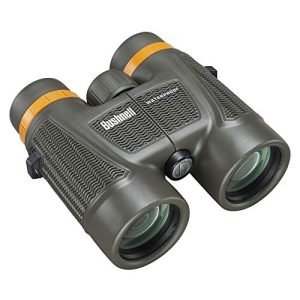
Are you wondering if close-focus binoculars can really boost your digiscoping experience? If you love capturing detailed photos of birds or wildlife up close, this question matters a lot.
Using the right gear can make a huge difference in the quality of your shots. But not all binoculars work well with digiscoping kits. You’ll discover how close-focus binoculars perform when paired with digiscoping equipment—and whether they’re the right choice for your setup.
Keep reading to find out how to get sharper images and make the most of your gear.

Credit: www.amazon.com
Close-focus Binoculars Basics
Close-focus binoculars let you see objects that are very near. They are great for watching small animals or flowers.
These binoculars work well with digiscoping kits. They help you take sharp photos of close objects.
What Is Close Focus Distance
Close focus distance is how near you can see an object clearly. It is the shortest distance your binoculars can focus on.
Binoculars with a close focus distance under 6 feet are good for close-up views. Normal binoculars usually focus at 10 feet or more.
Types Of Close-focus Binoculars
There are several types of close-focus binoculars. They vary in size, lens type, and focus mechanism.
- Standard binoculars with close-focus feature
- Compact binoculars designed for close views
- Specialized macro or bird-watching binoculars
- Digiscoping-friendly binoculars with easy mounting
Benefits Of Close-focus Capability
Close-focus binoculars let you see tiny details on nearby objects. This improves your viewing and photo quality.
- Better for observing insects, flowers, and small wildlife
- Useful for digiscoping with cameras or smartphones
- Makes close subjects sharp and clear
- Allows more creative photography options
Digiscoping Kits Overview
Digiscoping is a method to take photos through a spotting scope. It lets you capture distant objects with great detail.
Digiscoping kits include tools to connect your camera or smartphone to your scope. These kits can work with close-focus binoculars in some cases.
Components Of Digiscoping Kits
Digiscoping kits usually have several parts. These parts help you attach a camera to a spotting scope or binoculars.
- Adapter: Connects the camera or phone to the scope
- Mount: Holds the scope steady during shooting
- Spotting Scope or Binoculars: The main optical device
- Camera or Smartphone: Captures the image
- Tripod: Provides stability for clear photos
How Digiscoping Works
Digiscoping uses the optical power of a spotting scope or binoculars. The camera lens aligns with the eyepiece to take photos through it.
The adapter keeps the camera steady and in the right position. This setup lets you zoom in far beyond normal camera lenses.
- Place the camera lens at the eyepiece of the scope
- Use the adapter to fix the camera in place
- Focus the scope or binoculars on the subject
- Take pictures or record video through the scope
Common Uses Of Digiscoping
People use digiscoping for many outdoor activities. It helps capture images that are hard to get otherwise.
- Bird watching and photographing wildlife
- Hunting to scout and document game
- Nature observation and landscape photography
- Scientific research and field studies
- Sports events and concerts from a distance
Compatibility Factors
Close-focus binoculars offer unique advantages for viewing nearby subjects. Using them with digiscoping kits requires careful consideration. Understanding compatibility helps ensure good performance.
This guide covers key factors like mounting, optical alignment, and how close focus affects digiscoping.
Mounting Binoculars To Digiscoping Kits
Mounting close-focus binoculars on digiscoping kits can be tricky. The mounting system must hold the binoculars steady and align them correctly with the camera.
- Check if the binoculars have mounting adapters compatible with your digiscoping kit.
- Use a stable tripod or mounting bracket to avoid vibrations.
- Adjust the mount to maintain the right distance between the binocular eyepiece and the camera lens.
- Ensure quick release options if you need to switch equipment fast.
Optical Alignment Challenges
Aligning optics is critical for sharp images in digiscoping. Close-focus binoculars can create alignment issues because of their lens design.
| Challenge | Impact | Solution |
|---|---|---|
| Parallax error | Blurred or shifted images | Fine-tune camera position relative to binoculars |
| Focus mismatch | Difficulty achieving sharp focus | Use adjustable focus adapters |
| Light vignetting | Dark edges on photos | Choose proper eyepiece and camera lens sizes |
Impact Of Close Focus On Digiscoping
Close-focus binoculars allow viewing subjects near the lens. This feature affects how digiscoping kits perform in these ways:
- Improved detail on close subjects without extra lenses
- Shorter working distance can limit camera positioning
- May require custom mounting to keep focus steady
- Potential for easier hand-held digiscoping at close range
Performance With Close-focus Binoculars
Close-focus binoculars allow users to see objects clearly at short distances. This feature is useful for digiscoping kits, which attach cameras to binoculars. Understanding how close-focus binoculars perform with these kits helps improve your photography experience.
Using close-focus binoculars for digiscoping can affect image quality, focusing range, and performance in low light. These factors determine how well your pictures turn out.
Image Quality And Sharpness
Close-focus binoculars often have good lens quality for sharp images at short distances. This helps capture detailed photos when paired with a digiscoping kit. The lenses reduce blur and improve clarity.
Using a digiscoping kit with these binoculars can keep images crisp. Still, lens coatings and glass type also affect the final image. High-quality binoculars offer better sharpness and color accuracy.
Focusing Range And Flexibility
Close-focus binoculars focus on objects very near, often within a few feet. This helps capture small details with a digiscoping kit. You can photograph subjects like insects or plants clearly.
These binoculars also work well at longer distances. This flexibility lets you switch between close-up and distant shots without changing equipment. It makes digiscoping more versatile.
Low-light And Macro Photography
Close-focus binoculars usually collect enough light for clear images in low-light settings. This helps with early morning or late evening photography. The digiscoping kit can capture detailed photos even in dim light.
For macro photography, these binoculars allow sharp focus on tiny subjects. Their short focusing distance works well with digiscoping to get close shots. This creates high-quality macro images.
Selecting The Right Setup
Close-focus binoculars are designed to see objects up close. This makes them useful for digiscoping kits. Digiscoping means using a camera with a scope or binoculars.
Choosing the right setup helps you get clear photos. The right tools fit well and work smoothly together.
Choosing Binoculars For Digiscoping
Pick binoculars with good close focus ability. They let you focus on nearby subjects clearly. Look for binoculars with steady lenses and wide field views.
Size and weight matter. Lighter binoculars are easier to hold steady. Check that the binoculars match your camera adapter for easy mounting.
- Close focus under 10 feet is best
- Good eye relief for comfort
- Wide field of view helps framing
- Compatible with camera adapters
Recommended Digiscoping Accessories
Use a tripod to keep your setup steady. Stability is key for sharp images. A smartphone or camera adapter fits your device to the binoculars.
Extra lenses and lens covers protect your gear. Remote shutter controls reduce shake during photos.
- Tripod or stable mount
- Camera or smartphone adapter
- Lens covers and cleaning cloths
- Remote shutter release
Budget Vs. Professional Options
Budget options work well for beginners. They cost less but may lack some features. You might get heavier binoculars or simpler adapters.
Professional gear offers better optics and durability. It is lighter and built for long use. Pro adapters fit more camera types and hold steadier.
- Budget: affordable, heavier, basic features
- Professional: high quality, lighter, advanced features
- Choose what fits your needs and budget
Tips For Effective Digiscoping
Digiscoping lets you take photos through binoculars or scopes. Using close-focus binoculars can help capture nearby subjects clearly. Proper techniques improve image quality and ease of use.
Follow these tips to get the best results from your digiscoping setup. Focus on steady shots, clear focus, and equipment care.
Stabilizing Your Equipment
Keeping your binoculars and camera steady is key to sharp digiscoping photos. Movement can blur your images and make focusing hard.
- Use a sturdy tripod to hold your binoculars and camera.
- Attach the digiscoping kit firmly to avoid shaking.
- Use remote shutter release or timer to prevent hand movement.
- Find a stable position or surface to rest your equipment on.
- Keep your breathing slow and steady to reduce body movement.
Adjusting Focus For Close Subjects
Close-focus binoculars help capture subjects near you. Adjusting focus correctly ensures sharp images and clear details.
| Focus Control | Tip |
| Binocular Focus Ring | Turn slowly to find clear focus on your subject. |
| Camera Focus | Use manual focus if auto focus struggles at close range. |
| Distance | Keep the subject within the binocular’s minimum focus distance. |
| Lighting | Good light helps your camera focus faster and clearer. |
Maintenance And Care
Proper care keeps your digiscoping gear working well. Clean lenses and safe storage protect your investment.
- Wipe lenses gently with a microfiber cloth to avoid scratches.
- Store binoculars and camera in a padded case to prevent damage.
- Check screws and mounts regularly to keep them tight and secure.
- Avoid exposing equipment to extreme heat or moisture.
- Use lens caps when not in use to protect optics.
User Experiences And Reviews
Many bird watchers and nature lovers try close-focus binoculars with digiscoping kits. They want to see if these tools work well together. Users share their thoughts and results after using them.
This review looks at different user experiences. It covers success stories, common problems, and expert advice. This helps readers understand how close-focus binoculars perform with digiscoping setups.
Success Stories
Some users report clear and sharp images using close-focus binoculars with digiscoping kits. They say these binoculars help capture detailed close-up shots of birds and insects.
Many mention easy setup and good compatibility between binoculars and smartphone adapters. This allows them to take photos without much hassle.
- Close-focus lenses improve photo clarity at short distances
- Lightweight binoculars make long sessions comfortable
- Adapters fit well with popular smartphone models
- Images show fine details of small animals and plants
Common Issues Reported
Some users face trouble with focus and image stability. Close-focus binoculars sometimes cause blurry pictures when attached to digiscoping kits.
Others mention difficulty in aligning the phone camera with the binocular lens. This can lead to dark edges or poor framing in photos.
- Blurry images at very close range
- Hard to keep phone and binoculars steady
- Adapter compatibility issues with certain phones
- Limited zoom range on some binocular models
Expert Recommendations
Experts advise choosing binoculars with a close-focus distance below 3 meters. This helps get better details for digiscoping shots.
They also recommend testing the adapter fit before buying. A good fit reduces alignment problems. Using a tripod can improve image stability greatly.
- Pick binoculars with short minimum focus distance
- Check if your phone fits the digiscoping adapter
- Use a tripod to reduce camera shake
- Practice adjusting focus slowly for sharp images
Credit: oberwerk.com

Credit: www.amazon.com
Frequently Asked Questions
Do Close-focus Binoculars Enhance Digiscoping Image Quality?
Yes, close-focus binoculars improve image clarity in digiscoping. They allow sharper focus on nearby subjects, enhancing detail and depth in photos. This feature is essential for birdwatching or macro photography, providing better results than standard binoculars in digiscoping setups.
Can All Digiscoping Kits Fit Close-focus Binoculars?
Not all digiscoping kits fit close-focus binoculars. Compatibility depends on the adapter and binocular size. Always check the adapter specifications before purchasing. Proper fit ensures stability and optimal image alignment for clear and precise digiscoping results.
Are Close-focus Binoculars Better For Wildlife Photography?
Close-focus binoculars are ideal for wildlife photography. They enable focusing on subjects as close as a few feet away. This feature captures fine details of animals or birds without disturbing them, making digiscoping more effective and enjoyable.
What Magnification Works Best With Close-focus Binoculars?
Moderate magnification, typically between 8x and 10x, works best. It balances close focusing ability with image stability and brightness. Higher magnifications may reduce clarity and increase shakiness, affecting digiscoping quality negatively.
Conclusion
Close-focus binoculars can work with digiscoping kits. They enhance nature photography. These binoculars offer clear, detailed images. Perfect for birdwatching and wildlife observation. Easy to carry and set up. They make exploring nature enjoyable. With the right digiscoping kit, you capture stunning photos.
Remember to choose compatible equipment. This ensures the best results. Experiment with settings to find what works. Nature offers endless beauty. Capture it with the right tools. Enjoy the adventure and happy snapping!