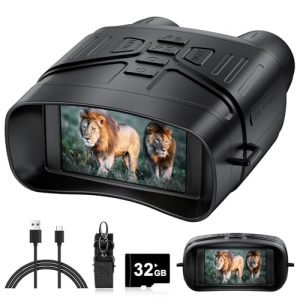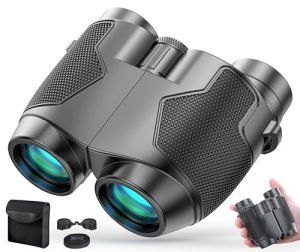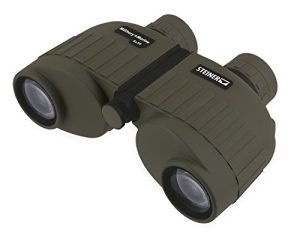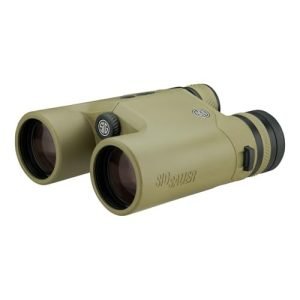
Have you ever wondered if there are binoculars made specifically for aerial surveillance? If you’re looking to spot details from high above, regular binoculars might not cut it.
You need something designed to give you clear, sharp views from the sky. You’ll discover what makes aerial surveillance binoculars different, how they can improve your vision, and which features matter most. Keep reading—you’re about to learn everything you need to see the world from a whole new perspective.
Purpose Of Aerial Surveillance Binoculars
Aerial surveillance binoculars help users see far objects clearly from the air. They support tasks like monitoring land, wildlife, or security from planes or drones.
These binoculars must be strong and easy to use in flying conditions. They improve the ability to observe details at great distances.
Key Features For Aerial Use
Aerial binoculars need special features for clear vision and comfort. Users look for lenses that reduce glare and body designs that stay steady in the air.
- Lightweight frame for easy handling
- Anti-reflective coatings on lenses
- Wide field of view to cover more area
- Shock resistance for vibrations and bumps
- Waterproof and fogproof to work in all weather
- Good eye relief for use with helmets or glasses
Challenges In Aerial Observation
Watching from the air is hard because of movement and weather. The fast speed and altitude can blur the view or cause discomfort.
| Challenge | Effect on Observation |
| Vibrations | Make images shaky and hard to focus |
| Wind and weather | Reduce visibility and damage equipment |
| Low light | Limit the ability to see details |
| Distance | Make small objects hard to identify |
| Operator fatigue | Cause loss of concentration during long use |

Credit: www.hammacher.com
Design Elements For Stability And Clarity
Binoculars designed for aerial surveillance need special features. They must provide clear images and remain steady during use.
These binoculars help users see far objects from moving platforms like planes or helicopters. Stability and clarity are the main goals.
Image Stabilization Technology
Image stabilization reduces shaking from hand movements or vibrations. This keeps the view steady and easy to watch.
Many aerial binoculars use gyroscopic or electronic systems. These systems adjust the lenses to cancel out motion.
- Gyroscopic stabilizers detect motion and correct it quickly
- Electronic stabilization uses sensors and motors to steady images
- Some models combine both for better performance
Magnification And Lens Quality
High magnification lets users see distant objects clearly. But too much magnification can make images blurry or shaky.
Good lens quality improves light transmission and sharpness. This helps in low-light conditions and long-distance viewing.
- Magnification usually ranges from 7x to 15x for aerial use
- Large objective lenses gather more light for clear images
- Coated lenses reduce glare and improve color accuracy
Durability And Weather Resistance
Binoculars for aerial use must endure tough conditions. They face wind, rain, dust, and temperature changes.
Strong materials and sealing protect the binoculars. This ensures long-term use without damage.
- Rubber armor provides shock protection and better grip
- Waterproof seals prevent damage from rain or moisture
- Fog proofing stops internal lens fogging in changing temperatures
Top Binoculars For Aerial Surveillance
Binoculars designed for aerial surveillance offer clear views of wide areas. They help spot details from high altitudes or moving aircraft.
This guide covers top binoculars in three categories. You can find options that fit different budgets and needs.
High-end Models
High-end binoculars provide excellent image quality and durability. They often feature large lenses and advanced coatings to reduce glare.
- Wide field of view for scanning large areas
- Strong build to withstand harsh conditions
- High magnification with clear focus
- Waterproof and fog-proof designs
Mid-range Options
Mid-range binoculars balance quality and price. They offer good clarity and useful features for aerial spotting.
| Model | Magnification | Lens Diameter | Weight |
|---|---|---|---|
| SkyWatch 10×42 | 10x | 42mm | 700g |
| AirView 8×40 | 8x | 40mm | 650g |
| ClearSight 12×50 | 12x | 50mm | 850g |
Budget-friendly Choices
Budget-friendly binoculars are good for beginners and casual users. They provide decent views without extra features.
- Lightweight and easy to carry
- Simple focus adjustment
- Suitable for short surveillance sessions
- Affordable prices
Comparing Binoculars For Different Aerial Needs
Binoculars play a key role in aerial surveillance. Different uses require different features. Choosing the right pair can improve visibility and comfort.
This guide looks at binoculars for military, wildlife, and rescue needs. Each has unique demands that affect the choice of binoculars.
Military And Tactical Use
Military binoculars must be durable and clear. They often have night vision or thermal features. Comfort and ease of use are important for long missions.
- High magnification for spotting targets at a distance
- Rugged design to survive rough conditions
- Waterproof and fog-proof for all weather
- Compact size for easy carrying
- Additional features like rangefinders or image stabilization
Wildlife And Nature Observation
For wildlife watching, binoculars need sharp images and good color. Wide field of view helps track moving animals. Lightweight models reduce fatigue during long trips.
| Feature | Benefit |
|---|---|
| Magnification 8x to 10x | Clear, close-up view without shaking |
| Wide field of view | Easier to find and follow animals |
| Waterproof coating | Protection in rain and dew |
| Lightweight body | Comfort for hours of use |
Search And Rescue Operations
Search and rescue binoculars must balance power and ease of use. They often include features to spot people or objects in tough conditions.
Key binocular features for rescue work:
- Medium magnification (7x to 12x) for clear but stable images
- Wide view to scan large areas quickly
- Strong lens coatings for low light and fog
- Durable and weather-resistant design
- Easy focusing system for quick adjustments
Accessories That Enhance Aerial Viewing
Binoculars designed for aerial surveillance often need extra accessories. These accessories help improve comfort and image stability. They also protect the binoculars during travel and use.
Choosing the right accessories can make aerial viewing easier and more effective. Here are some key accessories to consider.
Mounts And Tripods
Mounts and tripods help keep binoculars steady during long viewing sessions. They reduce hand shake and improve image clarity. Many mounts fit specific binocular models for secure attachment.
- Adjustable tripods allow height and angle changes
- Quick-release mounts enable fast setup and removal
- Special vibration-damping mounts reduce movement
- Lightweight options improve portability
Carrying Cases And Straps
Carrying cases protect binoculars from dust, moisture, and impact. Straps make it easier to carry binoculars during outdoor activities. Both accessories add convenience and safety.
| Accessory | Purpose | Material |
| Hard Carrying Case | Protects from impact | Plastic or metal |
| Soft Pouch | Guards against dust | Neoprene or fabric |
| Neck Strap | Keeps binoculars handy | Nylon or leather |
| Shoulder Strap | Distributes weight | Adjustable nylon |
Lens Covers And Cleaning Kits
Lens covers protect binocular lenses from scratches and dirt. Cleaning kits keep lenses clear and maintain image quality. Proper cleaning avoids damage to lens coatings.
- Flip-up covers for quick lens access
- Soft caps for full lens protection
- Objective lens covers to shield main lenses
- Microfiber cloths to wipe lenses gently
- Lens cleaning solution safe for coatings
- Brushes to remove dust from edges

Credit: www.amazon.com
Tips For Choosing The Right Binoculars
Binoculars designed for aerial surveillance help you see distant objects clearly. Choosing the right pair depends on your specific needs. This guide shares simple tips to help you pick binoculars that fit your tasks well.
Consider your surveillance goals, how much weight you can carry, and your budget. These factors will guide you in selecting binoculars that work best for aerial observation.
Assessing Your Surveillance Goals
Think about what you want to see from the air. Are you watching wildlife, monitoring traffic, or checking large areas? The purpose affects the type of binoculars you need.
For detailed views, choose binoculars with higher magnification. For wide views, select those with a larger field of view.
- High magnification for close details
- Wide field of view for broad areas
- Good light gathering for low light conditions
Balancing Weight And Performance
Binoculars with strong lenses often weigh more. If you carry them long, heavy models can cause fatigue. Find a balance between weight and optical quality.
Consider compact models if you need to move quickly. Larger binoculars offer better image quality but can be tiring to hold for a long time.
- Lightweight binoculars for easy carrying
- Heavier models for sharper images
- Use straps or mounts to reduce arm strain
Budget Considerations
Binoculars come in many price ranges. Decide how much you want to spend before choosing. Expensive models often have better features but are not always necessary.
Look for binoculars that fit your budget and still meet your main needs. Avoid overspending on features you do not require.
- Set a clear budget range
- Compare features within your budget
- Check reviews for value and quality

Credit: www.amazon.com
Frequently Asked Questions
What Features Make Binoculars Ideal For Aerial Surveillance?
Binoculars for aerial surveillance have high magnification and wide field of view. They offer image stabilization and durable, lightweight designs. These features ensure clear, steady images from moving aircraft or drones, enhancing observation accuracy and comfort during extended use.
Can Regular Binoculars Be Used For Aerial Surveillance?
Regular binoculars can be used, but may lack key features like image stabilization. Specialized aerial binoculars provide better clarity, reduced motion blur, and ergonomic designs. These improvements are crucial for effective surveillance from aircraft or drones.
Are There Compact Binoculars Suitable For Aerial Use?
Yes, compact binoculars designed for aerial use are lightweight and portable. They balance magnification with ease of handling. These models often include anti-reflective coatings and durable materials, making them ideal for quick deployment and maneuverability in the air.
How Does Image Stabilization Benefit Aerial Binoculars?
Image stabilization reduces shake caused by aircraft movement. It enhances clarity and reduces eye strain during prolonged observation. This feature is essential for maintaining a steady view in turbulent conditions or high-speed flights.
Conclusion
Exploring binoculars for aerial surveillance is essential. These specialized binoculars offer clear, detailed views from above. They help in monitoring large areas efficiently. Their design focuses on stability and clarity. This makes them ideal for aerial tasks. Always consider the purpose before choosing binoculars.
Think about magnification and field of view. These features enhance surveillance effectiveness. By understanding their capabilities, you can make informed decisions. Binoculars for aerial surveillance provide an important tool. They ensure precise observations from the sky.