Have you ever wondered if binoculars can truly help you spot dangers far away? Whether you’re out hiking, watching wildlife, or keeping an eye on your property, knowing how well binoculars detect threats at long range can make a big difference.
You’ll discover what binoculars can and can’t do, how to choose the right pair, and tips to sharpen your vision. By the end, you’ll feel confident about using binoculars to stay safer and more aware in any situation. Keep reading to find out how to turn your binoculars into powerful tools for protection.
How Binoculars Work
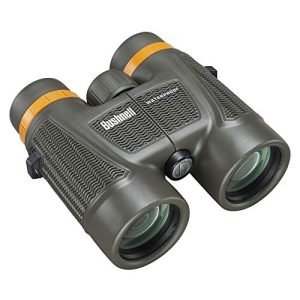
Binoculars help people see objects far away more clearly. They use lenses and prisms to make distant things look closer. Understanding how binoculars work can show their limits and strengths for spotting threats at long range.
Many parts inside binoculars work together. Each part changes how you see through the binoculars. Let’s look at the main features that make binoculars useful.
Optical Components
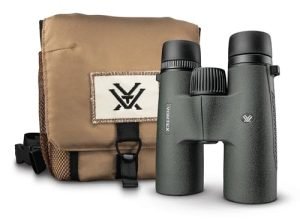
Binoculars have several key parts. The objective lenses catch light and focus it inside the binoculars. Then, prisms flip the image so it looks right to your eyes. Finally, the eyepieces let you see the magnified view clearly.
- Objective lenses: gather light from far away
- Prisms: flip and correct the image
- Eyepieces: magnify the image for your eyes
Magnification And Field Of View
Magnification shows how much closer objects appear. A 10x magnification means the object looks ten times nearer. Field of view is how wide an area you can see through the binoculars. A bigger field helps spot moving targets or threats quickly.
| Magnification | Effect |
| 5x | Closer view, wider field |
| 10x | Farther view, narrower field |
| 15x or more | Very close view, very narrow field |
Image Clarity Factors
Image clarity depends on lens quality and coatings. Good lenses reduce glare and improve light transmission. Focus adjustments help sharpen the image. Also, the size of the lenses affects how bright the image looks in low light.
- Lens quality: clear, sharp images
- Lens coatings: reduce glare and improve brightness
- Focus ring: adjust sharpness
- Objective lens size: affects light and brightness

Credit: www.armadainternational.com
Types Of Binoculars For Long Range
Binoculars help you see objects far away clearly. Different types suit different needs. Some are good for daylight, others for night or special tasks.
Choosing the right binoculars depends on the distance and conditions. Here, we explain common types used for long-range viewing.
Standard Vs. High-powered Models
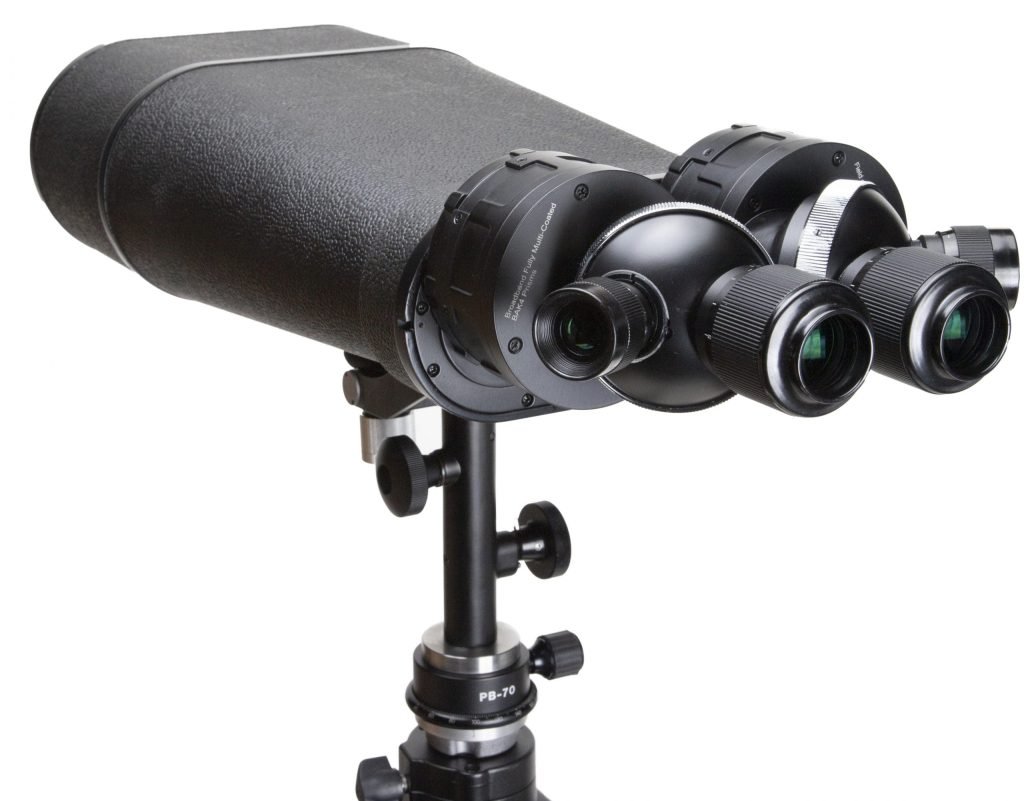
Standard binoculars usually have magnification between 7x and 10x. They are lighter and easier to hold steady. High-powered models offer 15x magnification or more. They let you see farther but can be heavier and harder to keep still.
- Standard binoculars: lighter, easier to use, good for general spotting
- High-powered binoculars: stronger zoom, better for very long distances
- Trade-off: higher power means shakier image without support
Night Vision And Thermal Binoculars
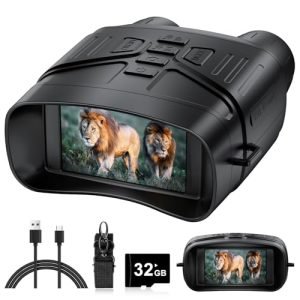
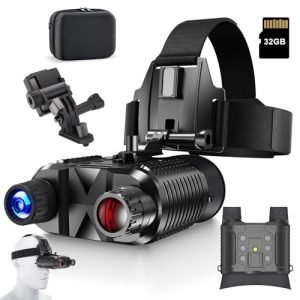
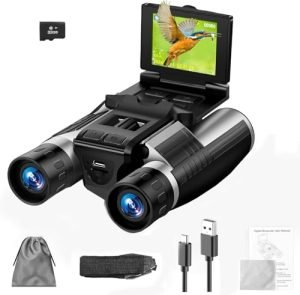
Night vision binoculars amplify low light to help you see in the dark. Thermal binoculars detect heat from objects and show images based on temperature differences. Both help spot threats at night or in poor visibility.
| Type | How It Works | Best Use |
| Night Vision | Amplifies available light | Low light and night conditions |
| Thermal | Detects heat signatures | Complete darkness, smoke, fog |
Specialized Military And Tactical Binoculars
Military binoculars often combine features like night vision, range finding, and rugged design. Tactical models focus on durability and quick use in the field. They may have built-in compasses or ballistic calculators.
- Durable, weather-resistant body
- Multiple functions in one device
- Designed for quick targeting and data use
- Usually heavier but very reliable
Factors Affecting Threat Detection
Binoculars help detect threats by making distant objects clearer. Many factors change how well you see threats from far away.
Understanding these factors helps users know what to expect and how to improve detection.
Environmental Conditions
Weather and light affect what you see through binoculars. Fog, rain, and dust can blur the view. Bright sunlight or low light can also change how clear objects appear.
- Fog and haze reduce visibility
- Heavy rain can block details
- Bright sunlight can cause glare
- Low light makes objects harder to see
- Wind can shake binoculars and blur images
Target Size And Movement
Large targets are easier to spot than small ones. Moving targets catch the eye more than still ones. Distance also changes how visible a target is through binoculars.
| Factor | Effect on Detection |
| Target Size | Larger size improves visibility |
| Target Movement | Movement makes detection easier |
| Distance | Greater distance lowers detection |
User Experience And Training
Skill and practice affect how well someone uses binoculars. Experienced users spot threats faster and more accurately. Training helps users learn to adjust focus and scan areas efficiently.
- Practice focusing quickly
- Learn to scan wide areas systematically
- Understand how your binoculars work
- Train in different lighting and weather
Advantages Of Binoculars In Threat Detection
Binoculars help people see far away objects clearly. They are useful tools for spotting threats before they get close.
Using binoculars can improve safety by giving more time to react. They make it easier to watch large areas from a distance.
Enhanced Situational Awareness
Binoculars increase your ability to see what is happening around you. They help detect unusual movements or signs of danger early.
With better vision, you can watch multiple areas at once. This helps you stay alert and ready to respond to threats faster.
Improved Identification
Binoculars allow you to see details that are far away. This helps identify people, animals, or objects that might be threats.
Clear identification reduces mistakes. You can decide if you need to act or if the situation is safe.
Portability And Ease Of Use
Most binoculars are lightweight and easy to carry. You can take them with you on walks, hikes, or patrols.
Binoculars are simple to use. Just hold them up to your eyes and focus. No special skills or training are needed.
Limitations Of Binoculars At Long Range
Binoculars help you see far objects more clearly. They are useful for many activities like bird watching and hiking.
But binoculars have limits. Their ability to detect threats at very long distances is not perfect.
Atmospheric Distortion
Air causes light to bend and blur images. This effect is stronger over long distances.
Heat waves, dust, and humidity all distort what you see through binoculars. This makes distant objects look shaky or unclear.
Limited Range Capabilities
Binoculars magnify objects but only up to a point. Beyond that, details become fuzzy or too small to identify.
Most binoculars work best within a few hundred yards. Trying to see much farther reduces image quality and sharpness.
- Magnification does not increase detail beyond certain distance
- Lens size affects how much light enters and image brightness
- High zoom binoculars may shake more without support
Dependence On Light Conditions
Binoculars need good light to show clear images. Low light makes it hard to see details far away.
At dusk, dawn, or in fog, binoculars perform poorly. Artificial light sources cannot replace natural daylight for long-range viewing.
Complementary Technologies
Binoculars help people see objects far away. They show details but have limits at very long distances.
Other tools work with binoculars to find and watch threats better. These technologies add more ways to detect danger.
Rangefinders And Spotting Scopes
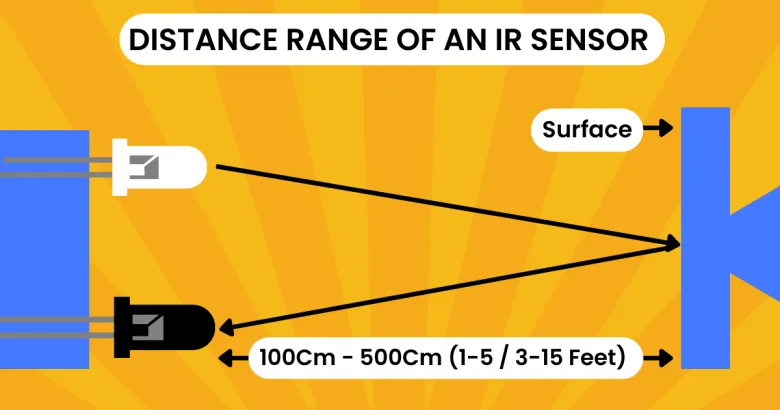
Rangefinders measure how far an object is. They use lasers or sound waves to get accurate distances.
Spotting scopes have more zoom than binoculars. They help see small details from very far away.
- Rangefinders show exact distance to a target
- Spotting scopes zoom in more for clear views
- Both help confirm if something is a threat
Drones And Surveillance Cameras
Drones fly over large areas to spot threats from above. They can cover places binoculars cannot reach.
Surveillance cameras watch specific spots all the time. Some have zoom and night vision to see clearly in dark.
- Drones provide wide-area views from the sky
- Cameras record and alert to suspicious movement
- They work with binoculars to track threats better
Radar And Thermal Imaging
Radar sends radio waves to find objects far away. It works well in bad weather and darkness.
Thermal imaging shows heat from living things. It helps detect threats even if they hide in shadows or trees.
- Radar detects moving objects over long distances
- Thermal imaging reveals heat signatures day or night
- Both add layers of security beyond binoculars
Expert Tips For Maximizing Effectiveness
Binoculars can help spot threats at long distances. Using them well needs the right tools and skills.
This guide shares tips to get the best results from your binoculars.
Choosing The Right Binoculars
Pick binoculars with clear images and good zoom. Bigger lenses bring more light for night views.
Check the size and weight. Choose models you can carry easily for long times.
- Look for 8x or 10x magnification for clear views
- Choose lenses at least 42mm wide for brightness
- Pick waterproof and fog-proof models for all weather
- Find binoculars with good eye relief if you wear glasses
Proper Handling And Maintenance
Hold binoculars steady to avoid blurry images. Use a strap to prevent drops.
Clean lenses with a soft cloth to keep clear views. Avoid touching lenses with fingers.
- Store binoculars in a dry case after use
- Use lens cleaning solution or microfiber cloth only
- Check for damage regularly and fix small problems fast
Training And Practice Techniques
Practice using binoculars in different light and weather. This builds your skill and confidence.
Learn to focus quickly and scan wide areas. This helps spot threats faster.
- Train your eyes to track moving objects
- Practice judging distances with your binoculars
- Use binoculars daily for short sessions
Credit: www.jrt-measure.com

Credit: www.schott.com
Frequently Asked Questions
Can Binoculars Detect Threats At Long Distances?
Yes, binoculars enhance visual range and detail, helping detect threats from afar. High-quality optics improve clarity and identification, especially in daylight conditions.
What Features Improve Binocular Threat Detection?
Magnification, lens quality, and field of view are key. Larger lenses gather more light, enhancing image brightness for better threat spotting.
Are Night Vision Binoculars Effective For Threat Detection?
Night vision binoculars amplify low light, making them useful for nighttime threat detection. However, they have limited range compared to daytime optics.
How Far Can Binoculars Reliably Identify Threats?
Most binoculars identify threats clearly up to 300-500 meters. Beyond this, image clarity and detail may reduce, affecting reliable identification.
Conclusion
Binoculars can spot threats from far away. They provide clear, distant views. This helps in identifying potential dangers promptly. Quality optics are crucial for accuracy. Lightweight models offer better mobility and ease. Night vision adds an extra layer of security.
Practice using them for best results. Binoculars are valuable tools for safety and security. Keep them handy for peace of mind. Always choose the right pair for your needs. This ensures safety and efficiency. Investing in good binoculars can make a difference.
Stay alert and prepared at all times.