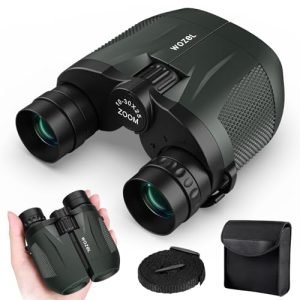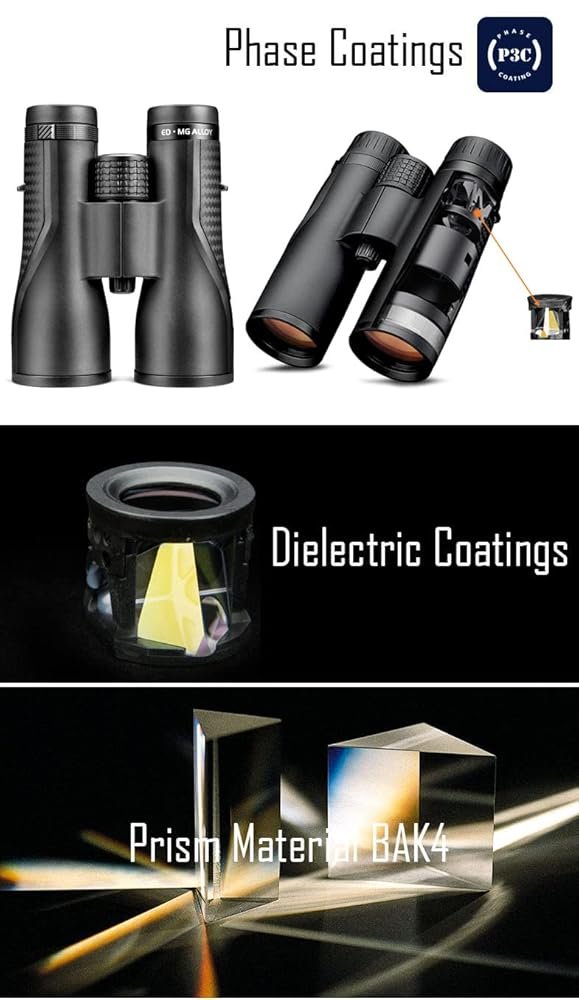
If you’ve ever wondered why some binoculars give you brighter, clearer views than others, the secret often lies in something called dielectric coating. This special coating might sound technical, but it plays a big role in how well your ED binoculars perform.
Understanding what dielectric coating is can help you choose the right pair and get the most out of every outdoor adventure. Keep reading to discover how this tiny layer makes a huge difference in what you see through your binoculars.
Dielectric Coating Basics
Dielectric coating is a special layer used on binocular lenses. It helps improve the brightness and clarity of the image.
This coating reflects more light than regular coatings. It is common in high-quality ED binoculars.
Purpose And Function
Dielectric coating increases light reflection on mirrors inside binoculars. This makes images look brighter and clearer.
The coating also reduces glare and unwanted reflections. This helps you see details better in low light.
- Improves brightness of the image
- Enhances clarity and sharpness
- Reduces glare and reflections
- Makes viewing easier in dim light
Materials Used
Dielectric coatings use layers of thin films made from materials like quartz and magnesium fluoride. These layers control how light reflects.
The coatings are built with many layers to reach high reflectivity. They are designed to last and resist damage.
- Quartz (SiO2)
- Magnesium fluoride (MgF2)
- Other metal oxides
- Multiple thin layers for best effect
Role In Ed Binoculars
Dielectric coating is a special layer on binocular lenses. It helps improve the way light passes through the lenses.
In ED binoculars, this coating plays a key role in giving clear and bright images.
Enhancing Light Transmission
Dielectric coatings help more light enter the binoculars. This means the image looks brighter.
The coating reduces light loss caused by reflections on the glass surface.
- Increases brightness in low light
- Improves clarity by letting more light through
- Makes colors look more natural
Impact On Image Quality
Dielectric coating helps create sharper images with better contrast. It keeps images clear and detailed.
This coating also reduces glare and unwanted reflections. It helps produce true colors and better depth.
- Sharpens image details
- Improves color accuracy
- Reduces glare for better viewing comfort
Comparison With Other Coatings
Dielectric coating is a type of lens coating used in ED binoculars. It improves light reflection and image clarity. Many coatings exist, but dielectric stands out for brightness and durability.
This section compares dielectric coating with other common coatings. It helps to understand how they differ in performance and quality.
Metallic Vs Dielectric
Metallic coatings use metal layers to reflect light. They are less expensive but can wear off faster. Dielectric coatings use multiple layers of non-metal materials.
Dielectric coatings reflect more light than metallic ones. They keep colors natural and images bright. They also last longer without peeling or fading.
- Metallic coatings reflect about 85-90% light
- Dielectric coatings reflect over 99% light
- Dielectric coatings resist damage better
- Metallic coatings may cause color shifts
Multi-coated Vs Fully Multi-coated
Multi-coated lenses have some lens surfaces with coatings. Fully multi-coated lenses have all air-to-glass surfaces coated. This difference affects light transmission and image quality.
Fully multi-coated lenses reduce glare and increase brightness better than multi-coated ones. Dielectric coatings are often used in fully multi-coated lenses for top performance.
- Multi-coated: coatings on some lens surfaces
- Fully multi-coated: coatings on all lens surfaces
- Fully multi-coated offers clearer, brighter images
- Dielectric coatings improve performance in fully multi-coated lenses

Credit: www.amazon.de
Benefits For Outdoor Use
Dielectric coating in ED binoculars helps improve viewing outdoors. It makes images clearer and brighter in different light conditions.
This coating is important for nature lovers, hikers, and bird watchers. It helps them see distant objects with better quality.
Improved Brightness
Dielectric coatings increase the light that passes through the lenses. This makes the image look brighter even in low light.
Brighter views help you spot details in early morning or late evening. It is useful when light is weak.
Enhanced Color Accuracy
The coating reduces light reflection and color distortion. This keeps colors looking natural and true to life.
Accurate colors make it easier to identify plants, animals, and other outdoor features correctly.
Better Contrast
Dielectric coating improves the difference between light and dark areas. This makes images sharper and clearer.
Better contrast helps you see fine details in shadows or bright spots. It is helpful in varied outdoor environments.
How To Identify Dielectric Coatings
Dielectric coatings improve light reflection in ED binoculars. These coatings help produce clear and bright images.
Knowing how to spot dielectric coatings can help you choose quality binoculars. Look for brand marks and visual clues.
Brand Indicators
Many binocular brands label their products to show dielectric coatings. Look for terms like “dielectric” or “multi-layer coating” on packaging or manuals.
- Check the brand’s official website for coating details.
- Look for product descriptions that mention enhanced reflectivity.
- Read reviews to confirm if dielectric coatings are present.
Visual Signs
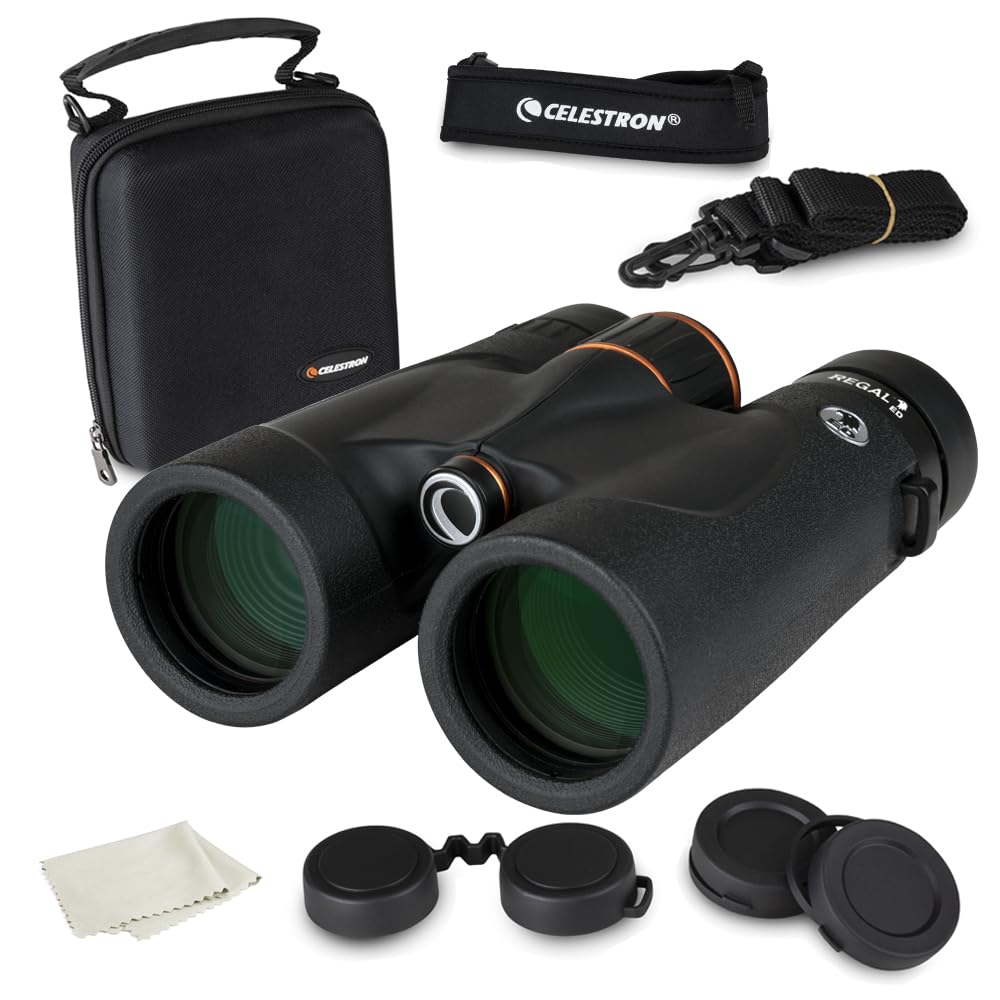
Dielectric coatings often change the lens color slightly. You may see a bright, colorful reflection on the lens surface.
| Lens Reflection Color | Indication |
| Bright yellow or gold | Dielectric coating present |
| Green or blue | Standard coatings |
| Dark or no reflection | No special coating |
Credit: www.amazon.ca
Maintenance Tips
Dielectric coating in ED binoculars protects lenses and improves image quality. Proper care helps keep these coatings in good shape.
Follow simple maintenance tips to extend the life of your binoculars and keep views clear.
Cleaning Procedures
Use soft materials to clean dielectric coatings. Avoid rough cloths or harsh chemicals that can damage the surface.
Remove dust and dirt gently before wiping the lenses. Use a blower or soft brush to clear particles.
- Blow off dust with a hand blower
- Brush lightly with a soft lens brush
- Wipe with a microfiber cloth in circular motions
- Use lens cleaning solution if needed
Handling Precautions
Hold binoculars by the body, not the lenses. Avoid touching the coated surfaces with fingers.
Store binoculars in a dry case to prevent moisture damage. Keep them away from extreme heat and cold.
- Use a protective case for storage
- Avoid exposure to direct sunlight for long periods
- Keep away from water and humidity
- Do not drop or hit the binoculars

Credit: www.opticswarehouse.co.uk
Frequently Asked Questions
What Is Dielectric Coating In Ed Binoculars?
Dielectric coating is a special reflective layer used on prism surfaces in ED binoculars. It enhances light transmission and brightness. This coating improves image clarity and color accuracy, providing a sharper viewing experience.
How Does Dielectric Coating Improve Binocular Performance?
Dielectric coating increases reflectivity up to 99%. This means more light reaches your eyes, resulting in brighter and clearer images. It also reduces glare and enhances contrast, making details more visible in various lighting conditions.
Are Dielectric Coatings Better Than Silver Coatings?
Yes, dielectric coatings outperform silver coatings in reflectivity and durability. They offer higher brightness and resist tarnishing over time. This makes dielectric-coated binoculars more reliable and better suited for long-term outdoor use.
Does Dielectric Coating Affect Binocular Price?
Yes, binoculars with dielectric coatings tend to be more expensive. The advanced coating process adds cost but significantly enhances optical quality. Investing in dielectric-coated binoculars ensures better performance and longevity.
Conclusion
Dielectric coating in ED binoculars enhances viewing quality significantly. It improves light transmission, ensuring brighter images. Colors appear more vivid and detailed, providing a better experience. This coating reduces glare and enhances clarity. Bird watchers and nature lovers benefit greatly from this technology.
Binoculars with dielectric coating are worth considering for clearer views. Understanding its function helps make informed choices. Investing in quality optics enhances outdoor adventures. Enjoy better experiences with advanced binocular features.