Have you ever wondered how volunteer rescue teams spot people in need from far away? The answer might surprise you.
Binoculars play a crucial role in many rescue missions, helping teams see details that the naked eye can’t catch. If you’re curious about how these simple devices make a big difference during emergencies, keep reading. You’ll discover why binoculars are more than just a tool—they can be a lifeline when every second counts.

Credit: zarimex.eu
Role Of Binoculars In Rescue Operations
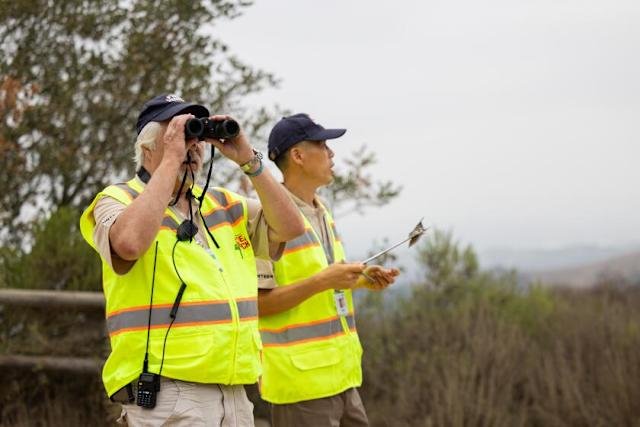
Binoculars help volunteer rescue teams see far away places clearly. They are useful tools in many rescue situations.
Using binoculars improves safety and speed during rescue missions. They allow teams to spot important details from a distance.
Enhancing Visual Range
Binoculars increase how far rescuers can see. This helps them find people or dangers quickly. They are light and easy to carry.
- See distant objects clearly
- Spot signals or movement from afar
- Work well in low light or bright sun
Identifying Hazards And Victims
Binoculars help teams find victims and dangers safely. They allow rescuers to check the scene before moving in.
| Hazard | How Binoculars Help |
| Steep drop-offs | See edges clearly from a distance |
| Wild animals | Spot animals without getting close |
| Injured persons | Identify victims and assess injuries |
| Unstable structures | Check safety from afar |
Navigating Difficult Terrain
Binoculars help rescuers plan their path. They can find the safest route in forests, mountains, or deserts.
Using binoculars, teams can:
- Locate landmarks and natural signs
- Avoid dangerous areas like quicksand or cliffs
- Communicate positions to other team members
- Monitor weather changes from a distance
Types Of Binoculars Preferred By Rescue Teams
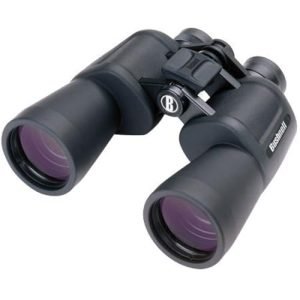
Volunteer rescue teams use binoculars to spot people and objects from far away. The right binoculars help them see clearly in tough conditions.
Teams choose binoculars based on size, magnification, lens quality, and durability. Each feature helps in different rescue situations.
Compact Vs. Full-sized Models
Compact binoculars are small and light. They are easy to carry during long searches.
Full-sized binoculars are bigger but offer better viewing. They are good for scanning wide areas.
- Compact models: portable, good for quick use
- Full-sized models: heavier, better image quality
- Teams may carry both types for different tasks
Magnification And Lens Quality
Magnification shows how close objects appear. Rescue teams often use 8x to 10x magnification.
Good lens quality gives clear and bright images. It helps spot details in low light or fog.
- 8x to 10x magnification is common
- Wide lenses collect more light
- Coated lenses reduce glare and improve clarity
Durability And Weather Resistance
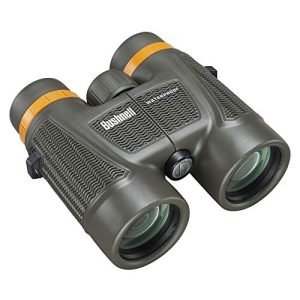
Rescue work happens in tough weather. Binoculars must resist rain, dust, and shock.
Waterproof and fog-proof models keep working in storms and cold conditions. Strong outer covers protect against drops.
- Waterproof seals block moisture
- Fog-proof lenses stop internal fogging
- Rubber armor protects from impact
- Lightweight but strong materials are preferred
Benefits For Volunteer Rescuers
Volunteer rescue teams often work in difficult environments. Binoculars help them see far and wide. This tool supports their work by making tasks easier and safer.
Using binoculars, volunteers can spot dangers and people who need help from a distance. This improves their overall effectiveness during rescue missions.
Improved Situational Awareness
Binoculars help rescuers observe large areas quickly. They can spot hazards, obstacles, or injured people without moving too close. This helps them plan their actions better.
- See far objects clearly
- Monitor changing weather or terrain
- Track moving persons or animals
- Identify safe paths and exits
Faster Decision Making
With clear views, volunteer rescuers make quick and confident choices. Binoculars reduce the need to guess what is happening far away. This saves time in emergencies.
| Benefit | How It Helps |
| Clear Vision | Sees details from a distance |
| Quick Assessment | Evaluates situations faster |
| Better Planning | Chooses best rescue routes |
Increased Safety
Binoculars keep volunteer rescuers safer. They can avoid dangers like wild animals or unstable ground by spotting risks early. This lowers accidents and injuries.
- Always check surroundings before focusing.
- Use binoculars from stable ground.
- Avoid looking directly at the sun.
- Communicate findings with your team.

Credit: www.marinerescuensw.com.au
Training And Usage Tips
Volunteer rescue teams often use binoculars to spot people from far away. Training helps them use these tools well. Good skills improve search and rescue work.
Using binoculars correctly takes practice. Teams learn how to handle, scan, and care for their equipment. This keeps binoculars ready for every mission.
Basic Handling Skills
Hold binoculars firmly with both hands to avoid shaking. Adjust the eyepieces to fit your eyes. Use the focus wheel to get a clear view.
Keep your arms close to your body for extra support. Use a neck strap to prevent dropping the binoculars. Practice these steps until they feel natural.
Effective Scanning Techniques
Scan wide areas slowly to catch any movement. Move the binoculars in a steady, side-to-side motion. Stop often to focus on details that stand out.
Use a grid pattern to cover the search area evenly. Share findings with the team quickly. This helps save time and locate people faster.
- Start scanning from left to right
- Break the area into smaller sections
- Pause on spots that look unusual
- Signal your team when you see something
Maintenance And Care
Keep binocular lenses clean and dry. Use a soft cloth to wipe lenses gently. Avoid touching lenses with your fingers to prevent smudges.
Store binoculars in a protective case after use. Check for damage regularly and fix small problems early. Proper care helps binoculars last longer.
- Clean lenses with lens-safe cloth only
- Store in a dry, dust-free place
- Check screws and moving parts often
- Keep them away from extreme temperatures
Challenges And Limitations
Volunteer rescue teams often use binoculars for spotting people and hazards. These tools help them see far away. Still, binoculars have some challenges and limits that affect their use.
Understanding these limits helps rescue teams decide when and how to use binoculars best. It also shows why other tools may be needed.
Environmental Factors
Weather and lighting can make binoculars hard to use. Fog, rain, or snow block clear views. Low light at dawn or dusk also reduces visibility.
Strong sunlight can cause glare on the lenses. Dust and dirt can cover binoculars and blur the image. These factors limit how well users can see through binoculars.
- Fog and mist reduce vision distance
- Rain and snow blur the view
- Low light makes it hard to see details
- Glare from sunlight causes eye strain
- Dust and dirt need frequent cleaning
Physical Constraints
Binoculars can be heavy and bulky. Carrying them for long hours is tiring. They can slow down rescue workers during urgent tasks.
Using binoculars also needs steady hands. Shaking hands make images blurry. This is hard when moving quickly or in rough terrain.
- Weight adds to rescue gear load
- Bulky size can limit quick movement
- Steady hands needed for clear images
- Hard to use while running or climbing
Technological Alternatives
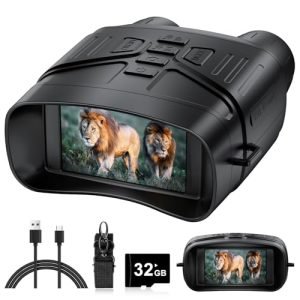
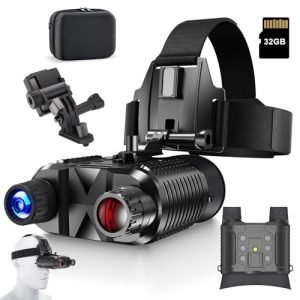
Other tools can help when binoculars fall short. Drones offer aerial views that binoculars cannot. Thermal cameras spot heat signatures in dark or fog.
Radios and GPS devices improve communication and location tracking. Teams often combine binoculars with these technologies for better results.
- Drones give wide-area views from above
- Thermal cameras detect people by heat
- Radios help teams stay in touch
- GPS devices track locations accurately

Credit: www.yahoo.com
Frequently Asked Questions
Why Do Volunteer Rescue Teams Use Binoculars?
Volunteer rescue teams use binoculars to spot victims and hazards from a distance. Binoculars improve visibility in rough terrain and large areas, aiding faster and safer rescue operations.
What Features Make Binoculars Ideal For Rescues?
Rescue binoculars offer durability, waterproofing, and clear vision. They often have wide fields of view and good low-light performance, essential for varied rescue conditions.
How Do Binoculars Improve Rescue Team Efficiency?
Binoculars help teams quickly locate people in distress. They reduce search times and allow better coordination, enhancing overall rescue mission success rates.
Are Binoculars Standard Gear For All Rescue Volunteers?
While not always mandatory, many volunteer teams equip members with binoculars. They are valuable tools that increase safety and effectiveness during search and rescue missions.
Conclusion
Volunteer rescue teams greatly benefit from using binoculars. These tools help spot distant details quickly. Binoculars improve search effectiveness in rescue missions. They enhance visibility in challenging terrains. Volunteers rely on these devices for accurate assessments. With binoculars, rescuers save time and effort.
They can identify threats from afar, ensuring safety. Binoculars also aid in navigating complex areas. This makes them essential equipment for rescue operations. Teams feel more equipped and confident. In emergencies, every second counts. Thus, binoculars remain a crucial tool for successful rescues.