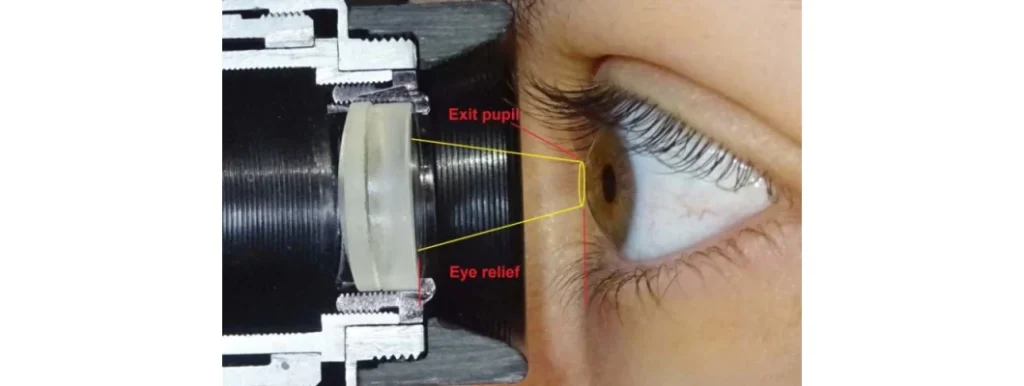
When you’re choosing surveillance binoculars, one detail often gets overlooked but can make all the difference: the exit pupil. You might wonder, what exactly is the ideal exit pupil for your binoculars?
This small but powerful feature affects how clear and bright your view will be, especially in low light or at night. Understanding this can help you pick the perfect binoculars that match your needs—whether you’re watching from a distance, monitoring a scene, or working in challenging lighting.
Keep reading, and you’ll discover exactly what exit pupil size works best for your surveillance tasks and how it can transform your experience.
Exit Pupil Basics
The exit pupil is a key feature of surveillance binoculars. It affects how bright and clear the image appears.
Understanding exit pupil helps you pick binoculars that work well in low light or long viewing sessions.
What Exit Pupil Means
The exit pupil is the diameter of the light beam that leaves the binoculars and enters your eye. It is measured in millimeters.
- A larger exit pupil means more light reaches your eye.
- A smaller exit pupil lets in less light, which can make images look dimmer.
- The exit pupil size is found by dividing the lens diameter by the binoculars’ magnification.
How Exit Pupil Affects Viewing
Exit pupil size affects comfort and image quality during use. It impacts how well you see in different lighting.
| Exit Pupil Size (mm) | Best Use |
| 1-2 | Bright daylight and steady hands |
| 3-4 | General use in normal light |
| 5-7 | Low light, dawn, dusk, or night |

Credit: sportsoptics-shop.zeiss.com
Factors Influencing Exit Pupil Size
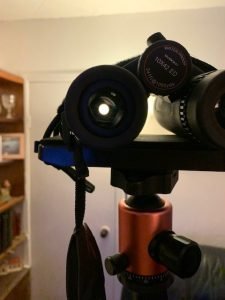
The exit pupil is the small circle of light you see when you hold binoculars at a distance. Its size affects how bright and clear the image looks. Different things can change the ideal exit pupil size for surveillance binoculars.
Choosing the right exit pupil helps you see better in many situations. It depends on the binoculars and how you use them.
Binocular Magnification And Objective Lens
Binocular magnification and the size of the objective lens affect the exit pupil size. The exit pupil is found by dividing the lens diameter by the magnification number.
Higher magnification means a smaller exit pupil. A bigger objective lens gives a bigger exit pupil. This balance affects how bright the image looks.
- Exit pupil = Objective lens diameter ÷ Magnification
- Bigger exit pupil means brighter image
- Smaller exit pupil may be dim in low light
Eye Relief And Comfort
Eye relief is the distance your eye can be from the binocular lens and still see the full image. A good exit pupil size helps with comfort during long use.
If the exit pupil is too small, your eyes must be very close to the lens. This can cause strain and reduce viewing comfort.
- Larger exit pupil allows more eye movement
- Better for people who wear glasses
- Reduces eye strain over long use
Ambient Light Conditions
Light conditions affect the best exit pupil size. In low light, a larger exit pupil lets in more light and shows a brighter image.
In bright daylight, a smaller exit pupil works well because there is enough light already. Choose the exit pupil size based on where you will use the binoculars most.
- Large exit pupil for dawn, dusk, or night use
- Small exit pupil is fine in bright light
- Match exit pupil size to your typical lighting
Ideal Exit Pupil For Surveillance
The exit pupil is the size of the light beam that leaves the binoculars and enters your eye. It affects how bright and clear the image looks. Picking the right exit pupil helps in different surveillance conditions.
Surveillance binoculars with an ideal exit pupil make it easier to see details. This guide explains the best exit pupil sizes for various surveillance needs.
Daytime Surveillance Needs
During the day, there is enough light to see clearly. A smaller exit pupil works well because your eye’s pupil shrinks in bright light. This size helps keep the binoculars compact and light.
- Exit pupil size around 3 to 5 mm is ideal
- Provides bright images without extra bulk
- Good for long daytime observation
Low-light And Night Surveillance
In low light or night, your eye’s pupil opens wide to let in more light. A larger exit pupil helps you see better in these dark conditions. It improves brightness and image clarity.
| Exit Pupil Size (mm) | Purpose |
| 7 | Best for very low light or night |
| 5 to 6 | Good for dawn or dusk surveillance |
| 3 to 4 | Daytime use, less effective in dark |
Balancing Portability And Performance
Choosing binoculars means a trade-off between size and image quality. Larger exit pupils give brighter images but add weight. Smaller exit pupils keep the binoculars light and easy to carry.
- Large exit pupil: better brightness, heavier binoculars
- Small exit pupil: lighter, less bright in dark
- Medium exit pupil: balance for mixed use

Credit: zarimex.eu
Choosing Binoculars With The Right Exit Pupil
The exit pupil is the small circle of light you see when looking through binoculars. It affects how bright and clear the image looks. Choosing binoculars with the right exit pupil helps you see better in different light conditions.
For surveillance, the right exit pupil size can make a big difference. It helps your eyes get enough light and reduces eye strain during long viewing sessions.
Matching Exit Pupil To User’s Eye
Your eye’s pupil size changes with light. It is larger in the dark and smaller in bright light. To get the best view, your binoculars’ exit pupil should match your eye’s pupil size.
If the exit pupil is too small, the image looks dim. If it is too large, some light is wasted. Matching these sizes helps your eyes see a clear, bright image without strain.
- Daytime pupil size is about 2-4 mm
- Nighttime pupil size can be 5-7 mm
- Choose binoculars with exit pupil close to your pupil size
Adjustable Exit Pupil Features
Some binoculars have adjustable exit pupils. This means you can change settings to fit different light conditions or eye needs. Adjustable features help you get a better view in many situations.
These features are useful if you use binoculars both day and night. You can make the image brighter or sharper by changing the exit pupil size.
- Adjust focus to change the exit pupil effect
- Use eye cups to control light entry
- Some models allow changing lenses for different exit pupils
Common Exit Pupil Sizes In Surveillance Models
Surveillance binoculars often have exit pupils between 3 mm and 7 mm. The size depends on the purpose and light conditions where you use them.
Smaller exit pupils suit bright daylight. Larger exit pupils help in low light or at night. Choose the size based on when and where you will use the binoculars.
| Exit Pupil Size (mm) | Best Use |
|---|---|
| 3 – 4 | Daytime surveillance with bright light |
| 5 – 6 | Low light and dusk conditions |
| 7 | Nighttime or very low light |
Practical Tips For Using Exit Pupil Effectively
The exit pupil is the bright circle you see when you look through binoculars. It affects how much light enters your eye. Using the right exit pupil size helps you see clear images.
Here are some tips to help you use the exit pupil properly with your surveillance binoculars. These tips improve your viewing experience in different situations.
Maintaining Proper Eye Position
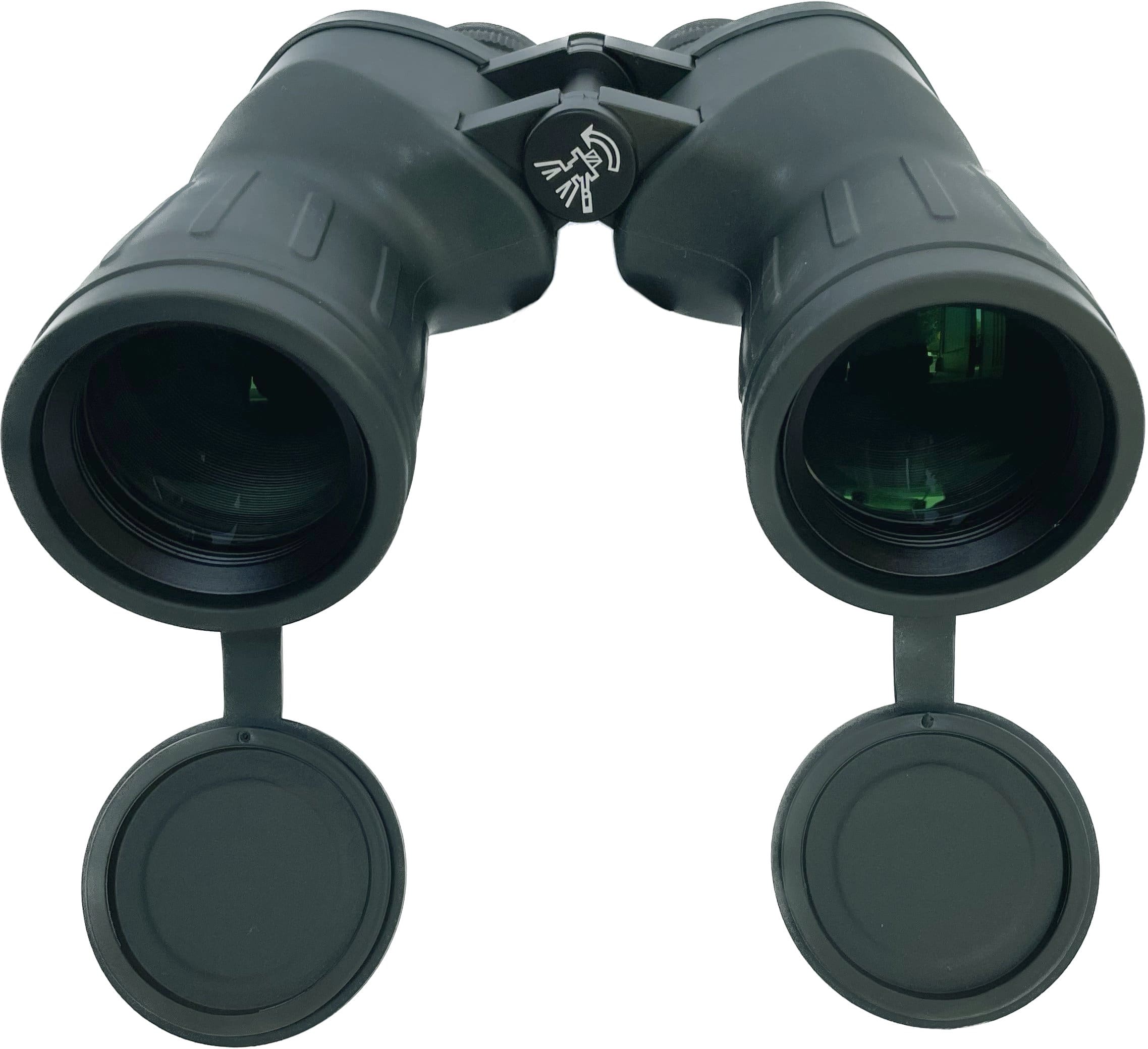
Keep your eye centered on the exit pupil for the best view. If your eye moves away, the image will darken or become blurry. Hold the binoculars steady and close to your eyes.
Adjust the binoculars’ eyecups to fit your eye distance. This helps keep the exit pupil aligned with your eyes. Proper eye position reduces eye strain during long use.
- Hold binoculars close to your eyes
- Look straight through the center of the exit pupil
- Adjust eyecups for comfort and alignment
- Keep binoculars steady to avoid image shaking
Adjusting For Different Lighting
The ideal exit pupil size changes with light levels. In low light, a larger exit pupil lets in more light. This makes the image brighter. In bright light, a smaller exit pupil works well.
Choose binoculars with an exit pupil size that matches your environment. You can also adjust the binoculars’ settings to fit the light. This helps you see clearer images in all conditions.
- Use binoculars with a large exit pupil in dim light
- Choose smaller exit pupil sizes for bright daylight
- Use lens covers or shades to reduce glare
- Adjust settings to balance brightness and clarity
Care And Maintenance For Optimal Performance
Clean the binocular lenses regularly to keep the exit pupil clear. Dirt or smudges reduce light and image quality. Use a soft cloth and lens cleaner made for optics.
Store your binoculars in a dry place. Avoid exposing them to dust and moisture. Proper care keeps the exit pupil working well for a long time and protects your investment.
- Clean lenses gently with a microfiber cloth
- Use lens cleaning solution for stubborn dirt
- Keep binoculars in a protective case
- Avoid leaving binoculars in direct sunlight or rain
Credit: oberwerk.com
Frequently Asked Questions
What Is An Exit Pupil In Binoculars?
The exit pupil is the light beam diameter that leaves the eyepiece. It affects brightness and viewing comfort, especially in low light.
Why Is Exit Pupil Important For Surveillance Binoculars?
A proper exit pupil ensures clear, bright images in varying light. It reduces eye strain and improves target detection during surveillance tasks.
What Is The Ideal Exit Pupil Size For Surveillance?
An exit pupil between 4mm and 7mm is ideal. It balances brightness and comfort for extended night and day use.
How Does Exit Pupil Affect Night Vision?
A larger exit pupil lets in more light, enhancing night vision. It helps users see clearer images in dim or dark environments.
Conclusion
Choosing the right exit pupil is key for surveillance binoculars. It impacts image brightness and clarity. Larger exit pupils work well in low light. Smaller ones suit daytime use. Balance is essential for optimal performance. Consider your specific needs and environment.
Test different options to find the best fit. Comfort and practicality matter too. Make sure your binoculars are easy to handle. The right choice enhances your surveillance experience. Keep these factors in mind. Your decision can greatly affect results. Happy observing!