Imagine you’re out on a thrilling birdwatching adventure or enjoying a scenic view from a mountain peak. You reach for your trusty roof prism binoculars, ready to capture the stunning details of nature.
But wait – have you ever wondered why some binoculars offer sharper and more vibrant images than others? The secret lies in something called “phase correction. ” Phase correction is a fascinating concept that can make a world of difference in your viewing experience.
By understanding what phase correction is and how it works in roof prism binoculars, you can elevate your visual adventures to a whole new level. Curious to know more? Keep reading, and discover how this innovative technology ensures you see the world in its true brilliance and detail. Your next outdoor expedition might just become more captivating than ever before!
Phase Correction Basics
Phase correction improves image quality in roof prism binoculars. It fixes light waves that shift out of sync inside the prism.
Without phase correction, images can look blurry or less sharp. This correction helps binoculars deliver clear, bright views.
Role In Roof Prism Binoculars
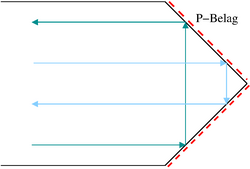
Roof prisms reflect light twice, causing some light waves to shift phase. This phase shift lowers image contrast and sharpness.
- Phase correction coatings restore proper light wave alignment.
- They increase brightness and contrast in the viewed image.
- They improve color accuracy by reducing light distortion.
- They enable better performance in low light conditions.
How Phase Shift Occurs
When light hits the roof prism, some waves reflect differently. These reflections cause a phase shift, meaning waves get out of sync.
| Light Path | Effect |
| First Reflection | Initial phase shift begins |
| Second Reflection | Phase shift increases |
| Without Correction | Blurry and less sharp image |
| With Phase Correction | Clear and sharp image |

Credit: zarimex.eu
Impact On Image Quality
Phase correction in roof prism binoculars improves the quality of the image you see. It fixes tiny light distortions caused by the prisms inside the binoculars.
This correction helps produce clear and bright images. It is important for sharp details and better color contrast.
Improved Sharpness
Phase correction coatings reduce the blurring effect caused by phase shifts of light. This makes the image sharper and clearer.
- Improves edge-to-edge clarity
- Enhances fine detail visibility
- Reduces image fuzziness
- Helps in low light conditions
Enhanced Contrast
Without phase correction, images can look washed out or dull. The coating improves contrast by reducing light interference.
| Effect | Without Phase Correction | With Phase Correction |
| Contrast | Low, washed out | High, vivid |
| Color Accuracy | Less true | More natural |
| Image Depth | Flat appearance | Better three-dimensional look |
Phase Correction Coatings
Phase correction coatings improve image quality in roof prism binoculars. These coatings fix phase shifts caused by light splitting inside the prisms. Without them, images can look blurry or less sharp.
By applying special coatings to the prism surfaces, manufacturers reduce light loss and increase contrast. This makes the view clearer and more detailed for the user.
Types Of Coatings
There are several types of phase correction coatings used in roof prism binoculars. Each type helps improve light transmission and reduce image distortion.
- Dielectric coatings: These use multiple layers of materials with different refractive indexes. They reflect more light and improve brightness.
- Metallic coatings: Thin metal layers reduce phase shift but can lower overall brightness.
- Multi-layer coatings: Combine different materials to balance reflection and transmission for better image quality.
Application Process
The application of phase correction coatings is a precise process. It involves cleaning, layering, and curing steps to ensure proper adhesion and performance.
| Step | Description |
|---|---|
| Cleaning | Prism surfaces are cleaned to remove dust and oils. |
| Layering | Thin layers of coating material are applied using vacuum deposition. |
| Curing | The coatings are hardened through heat or UV light treatment. |
| Inspection | Each coated prism is checked for defects and coating thickness. |

Credit: www.amazon.com
Comparing Binoculars With And Without
Phase correction is a special coating on roof prism binoculars. It helps improve the image quality by fixing light waves inside the prism.
Binoculars with phase correction give clearer and brighter views. Those without it may show images that look dull or blurry.
Visual Differences
Binoculars with phase correction show sharper and more detailed images. Colors appear more natural and bright. Without phase correction, images can look fuzzy or have a slight blur.
Light waves inside roof prisms can get out of sync. Phase correction coatings fix this problem. It makes the image clear and crisp.
- With phase correction: clear, sharp images
- Without phase correction: softer, less sharp images
- Better color accuracy with phase correction
Performance In Various Conditions
Phase correction helps binoculars perform well in low light. Early mornings or late evenings show better image clarity. Binoculars without this coating may lose detail in dim light.
In bright conditions, phase correction still improves contrast and sharpness. It reduces any haze or image distortion that can occur without it.
- Low light: phase correction keeps images clear
- Bright light: better contrast and less haze
- Without phase correction, images lose sharpness in all conditions
Choosing Binoculars With Phase Correction
Phase correction improves image quality in roof prism binoculars. It fixes light wave alignment inside the prism.
Choosing binoculars with this feature helps you get sharper and clearer views.
Factors To Consider
Look for binoculars that clearly mention phase correction in their specs. This feature is common in mid to high-range roof prism models.
- Check the coating type on the prisms
- Look for multi-coated lenses for better light transmission
- Ensure the binoculars have good build quality
- Try them to see the brightness and clarity
Price Vs. Quality
Phase correction adds cost but boosts image sharpness. Budget binoculars often lack this feature.
| Price Range | Phase Correction | Image Quality |
| Low ($50 – $100) | No | Basic, less sharp |
| Medium ($100 – $300) | Often Yes | Clearer, sharper |
| High ($300+) | Yes | Best clarity and color |
Credit: opg.optica.org
Frequently Asked Questions
What Is Phase Correction In Roof Prism Binoculars?
Phase correction is a coating applied to roof prisms. It improves image brightness and sharpness by reducing phase shift. This results in clearer, more vibrant views through the binoculars.
Why Is Phase Correction Important For Image Quality?
Phase correction enhances contrast and resolution in roof prism binoculars. It prevents color fringing and blurry details, making images crisp. Without it, the image may appear dull and less defined.
How Does Phase Correction Affect Binocular Performance?
Phase correction boosts light transmission and color fidelity. It ensures accurate light wave alignment, leading to clearer and brighter images. This improves overall viewing experience and binocular effectiveness.
Can Roof Prism Binoculars Work Well Without Phase Correction?
Yes, but image quality suffers without phase correction. Uncorrected prisms produce lower contrast and less sharp images. Phase correction is essential for premium performance in roof prism binoculars.
Conclusion
Phase correction improves image clarity in roof prism binoculars. It reduces color distortions and boosts sharpness. This makes viewing more enjoyable and less tiring. Choosing binoculars with phase correction gives better performance outdoors. It helps you see details clearly in low light.
Knowing this feature helps you pick the right binoculars. A simple step for better and clearer vision every time.