Are you curious if roof prism binoculars meet military-grade standards? If you’ve ever wondered whether the binoculars you use for hiking, birdwatching, or even security can stand up to tough military demands, you’re not alone.
Understanding what makes a pair of binoculars truly “military grade” can help you choose the right gear for your needs. You’ll discover the key features that set military-grade roof prism binoculars apart and find out if your current pair measures up.
Keep reading—your next binocular upgrade might depend on it.

Credit: nipon-scope.com
Roof Prism Binoculars Basics
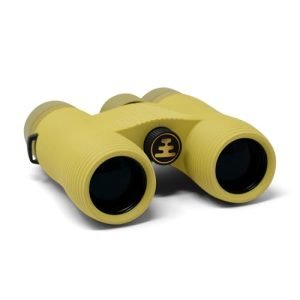
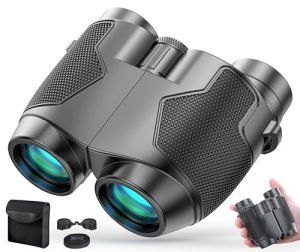
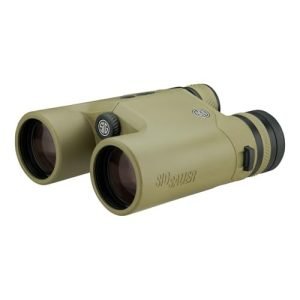
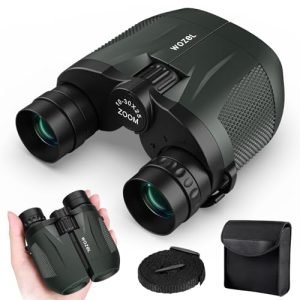
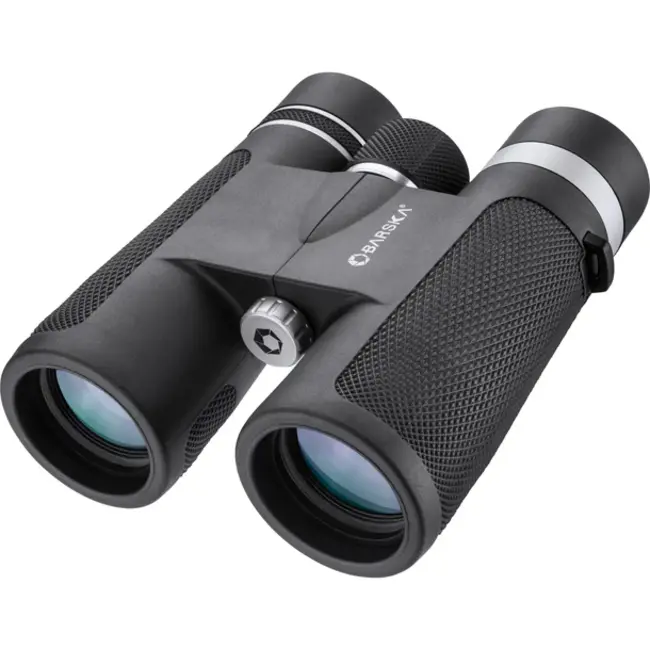
Roof prism binoculars have a compact and straight design. They are popular for their easy handling and sharp images.
These binoculars use a special prism system to reflect light. This system helps keep the binoculars small and lightweight.
Design And Structure
Roof prism binoculars have prisms arranged in a straight line. This design allows the eyepiece and objective lens to be aligned.
- Compact body shape for easy carrying
- Prisms sealed inside to protect from dust and moisture
- Durable materials used for military and outdoor use
- Often waterproof and fog proof for tough conditions
How They Work
Light enters the objective lens and passes through roof prisms. The prisms bend and flip the image to the correct view.
| Step | Function |
|---|---|
| 1 | Light enters the front lens |
| 2 | Light reflects inside roof prisms |
| 3 | Image flips correctly for the viewer |
| 4 | Light exits through the eyepiece |

Credit: www.bhphotovideo.com
Military Grade Criteria
Military grade means a product meets strict rules set by the military. These rules focus on quality, strength, and reliability.
Roof prism binoculars must pass tough tests to be called military grade. These tests check durability, optics, and protection against weather.
Durability Standards
Military grade binoculars must survive rough use and harsh conditions. They need strong bodies that resist shocks and drops.
The materials used are usually metal or tough plastic. The binoculars also pass tests for heat, cold, and dust.
- Shock resistance from drops and impacts
- Protection against dust and sand
- Works in extreme temperatures
Optical Performance
Clear vision is key for military use. Military grade binoculars offer sharp, bright images with low distortion.
Roof prism design helps keep the binoculars compact. They provide good image quality and correct image alignment.
- High-quality lenses with special coatings
- Sharp and bright images
- True-to-life color reproduction
- Correct image orientation without flipping
Waterproof And Fogproof Features
Military binoculars must work in wet and foggy weather. They are sealed to stop water and air from entering.
Many use nitrogen or argon gas inside to stop fogging. This keeps the lenses clear in cold or humid conditions.
- Sealed body to block water
- Gas-filled to prevent fog inside
- Tested for use in rain and humidity
Comparison With Porro Prism Binoculars
Roof prism binoculars often get compared to Porro prism models. Both types have unique designs. Their differences affect size, weight, image quality, and field of view.
Understanding these differences helps when choosing binoculars for different uses. Let’s look at how roof prism binoculars stack up against Porro prism ones.
Size And Weight Differences
Roof prism binoculars have a straight design, making them compact and easy to carry. Porro prism binoculars have a zig-zag shape, which makes them bulkier.
- Roof prism models are smaller and lighter.
- Porro prism binoculars are larger and heavier.
- Roof prism binoculars fit better in tight spaces.
- Porro prism binoculars often feel more stable due to their size.
Image Quality And Brightness
Both prism types offer good image quality but differ in brightness and clarity. Porro prisms usually give brighter images at a lower cost.
| Feature | Roof Prism | Porro Prism |
|---|---|---|
| Brightness | Good | Often Brighter |
| Image Clarity | Sharp and Clear | Clear but sometimes less sharp |
| Cost of Quality | Higher for good quality | Lower for good quality |
Field Of View
Field of view changes how much you see through binoculars. Porro prism binoculars tend to offer a wider view.
Roof prism models have a narrower view but give a more compact design.
- Porro prisms: wider field of view, good for scanning large areas.
- Roof prisms: narrower field of view, better for focused viewing.
- Choose based on your viewing needs and environment.
Common Military Binocular Types
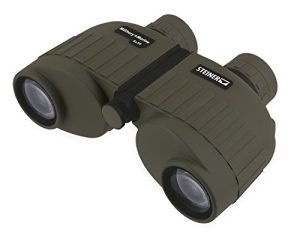
Military binoculars come in different types based on their prism design. The two main types are roof prism and porro prism models. Each has unique features for various military uses.
These binoculars must be durable and provide clear images. The choice depends on the mission and user preference.
Roof Prism Models Used
Roof prism binoculars have straight barrels. They are compact and easy to carry. These models often have a sleek design and are lightweight.
Many military units use roof prism binoculars for quick movement and ease of handling. They also resist water and dust well.
- Compact size fits in small spaces
- Straight design improves aiming
- Good waterproof and fog-proof features
- Durable for rough conditions
Porro Prism Models Used
Porro prism binoculars have a wider shape with offset barrels. They offer better depth perception and wider views. These are often heavier but provide bright images.
Military forces use porro prism models for detailed observation. They are good for stationary use and long viewing sessions.
- Better depth perception
- Wider field of view
- Generally brighter images
- Bulkier but robust design
Are Roof Prism Binoculars Military Grade?
Roof prism binoculars use a straight design that is compact and lightweight. Many people wonder if they meet military-grade standards for durability and performance.
This article looks at the strengths and limits of roof prism binoculars in military use. It helps to understand if they fit the tough needs of soldiers and officers.
Strengths Of Roof Prism In Military Use
Roof prism binoculars have a slim shape that is easy to carry. Their compact size makes quick handling possible in the field.
They offer good image quality with sharp and clear views. Many models provide waterproof and fog-proof features. These traits help them work well in different weather conditions.
- Compact and lightweight design
- Good image clarity and brightness
- Waterproof and fog-proof options
- Durable construction for rough use
- Easy to use with one hand
Limitations Compared To Military Standards
Military-grade binoculars must meet strict requirements for toughness. Roof prism models may not always meet all these standards.
Some roof prism binoculars can be less rugged than porro prism types. Their complex internal design can make repairs harder in the field.
- May not pass extreme shock and drop tests
- Complex design can complicate maintenance
- Some models lack full military-grade certifications
- Limited field repair options
- Occasionally lower light transmission in low light

Credit: www.amazon.co.uk
Factors Affecting Military Use
Military-grade binoculars must meet strict requirements. These needs affect the choice of roof prism binoculars.
The performance depends on lens quality, build, and resistance to harsh environments. These factors decide their use in the field.
Lens Coatings And Clarity
Lens coatings reduce glare and improve light transmission. Clear images are critical for military use.
Good coatings protect lenses from scratches and dust. This keeps the view sharp and reliable.
- Multi-coated lenses enhance brightness and contrast
- Anti-reflective coatings reduce light loss
- Protective coatings increase lens durability
Build Materials
Military binoculars use tough materials for long-lasting use. The frame must resist impact and rough handling.
Lightweight metals and strong plastics keep weight low without losing strength. This helps soldiers carry them easily.
- Aluminum and magnesium alloys provide strength and lightness
- Rubber armor adds grip and shock resistance
- Sealed joints prevent dust and moisture entry
Environmental Resistance
Military binoculars must work in many climates. They need to resist water, fog, and extreme temperatures.
Sealed and nitrogen-filled binoculars avoid fogging inside the lenses. This keeps vision clear in wet or cold places.
- Waterproof seals stop water damage
- Fog proofing prevents lens fog inside
- Temperature resistance ensures function in heat and cold
Choosing Binoculars For Tactical Purposes
Binoculars are essential tools for tactical use. They help you see distant objects clearly and quickly.
Choosing the right binoculars can improve your performance in the field. You need to know what features matter most.
Key Features To Look For
Look for binoculars with strong durability and clear optics. A roof prism design offers a compact shape, but not all are military grade.
- Waterproof and fog proof for all weather conditions
- High-quality lens coatings for bright and sharp images
- Rubber armor for shock resistance and good grip
- Wide field of view to track moving targets
- Lightweight for easy carrying over long periods
- Good eye relief for use with glasses
Budget Vs. Performance
Military-grade binoculars often cost more but offer better build and clarity. Budget models can be okay for casual use but may lack key features.
| Feature | Budget Binoculars | Military Grade Binoculars |
|---|---|---|
| Durability | Basic rubber coating | Reinforced armor, shockproof |
| Optical Quality | Standard lenses | Fully multi-coated lenses |
| Weather Resistance | Some waterproofing | Fully waterproof and fog proof |
| Weight | Heavier models | Lightweight materials |
| Price | Affordable | High cost |
Frequently Asked Questions
Are Roof Prism Binoculars Used By The Military?
Roof prism binoculars are often preferred by the military. Their compact design and durability suit tactical use. However, not all roof prism binoculars meet strict military standards.
What Makes Binoculars Military Grade?
Military-grade binoculars have rugged build quality, waterproofing, and advanced optics. They withstand harsh environments and provide clear, bright images for critical missions.
How Do Roof Prism Binoculars Differ From Porro Prisms?
Roof prism binoculars are more compact and streamlined. Porro prism binoculars offer better depth perception but are bulkier and less rugged.
Can Civilian Roof Prism Binoculars Match Military Specs?
Some civilian models approach military specs but may lack full ruggedness or specialized coatings. True military-grade binoculars undergo strict testing and certification.
Conclusion
Roof prism binoculars can meet many needs, including those of the military. Their compact design offers easy portability. Durable materials ensure they withstand tough conditions. While they aren’t always labeled “military grade,” they often perform well in demanding environments. Many hunters and outdoor enthusiasts trust them for reliable performance.
Consider your needs before choosing a pair. Research and compare features carefully. This way, you select the right binoculars for your adventures. Quality and functionality matter most. So, pick wisely for your specific use. Your choice will enhance your outdoor experiences.