Have you ever wondered how coast guards spot someone in trouble far out at sea? The answer often lies in a simple yet powerful tool: binoculars.
These devices are more than just fancy glasses—they are lifesavers. When every second counts, coast guards rely on binoculars to scan vast waters, spot dangers, and guide rescue missions with precision. You’ll discover how these binoculars work, why they’re essential, and how they help save lives.
Keep reading, because understanding this could change the way you see rescue operations forever.
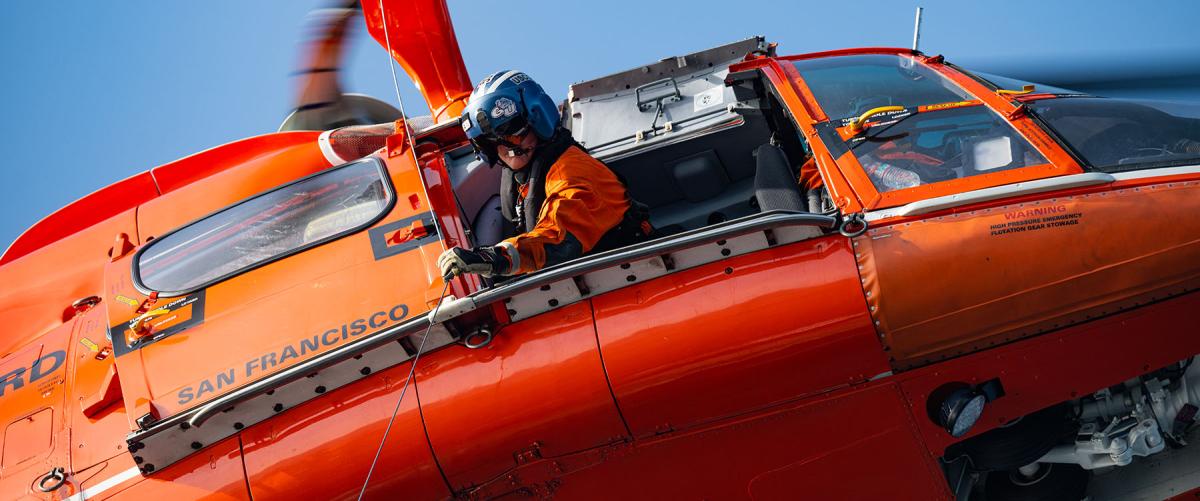
Credit: www.usni.org
Binoculars In Coast Guard Operations
Coast Guards use binoculars to spot people and objects far away. These tools help them find those in trouble at sea.
Binoculars improve vision during search and rescue missions. They allow crews to act quickly and save lives.
Role In Search And Rescue
Binoculars help Coast Guards scan large areas of water. They look for signs of distress or stranded boats.
- Spot people floating in the water
- Identify vessels in trouble
- Locate debris or life rafts
- Monitor weather and sea conditions
- Assist in coordinating rescue teams
Types Of Binoculars Used
Coast Guards choose binoculars based on mission needs. They need strong lenses and sturdy design for rough seas.
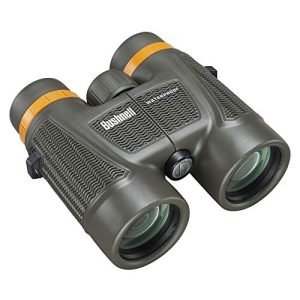
| Type | Features | Use Case |
| Marine Binoculars | Waterproof, fog-proof, wide view | General sea observation |
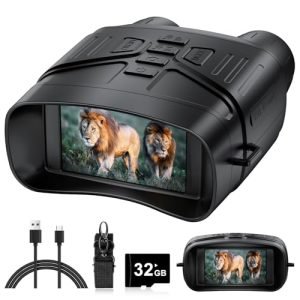
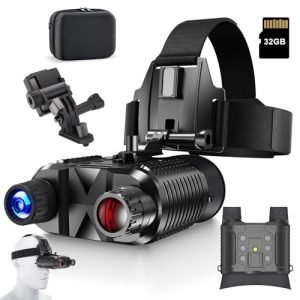
| Night Vision Binoculars | Infrared, low light visibility | Rescue in dark or low light |
| Rangefinder Binoculars | Distance measuring | Estimate distance to targets |

Credit: stockcake.com
Key Features For Rescue Missions
Coast guards use binoculars to spot people and boats in danger. These tools help them see far and clear during rescue missions.
Binoculars for rescue need special features. These features help coast guards work well in tough conditions.
Magnification And Lens Quality
Strong magnification helps coast guards see distant objects clearly. Good lens quality gives sharp and bright images.
Clear view is vital to find people quickly. High-quality lenses reduce blur and improve focus in all light.
- Magnification usually ranges from 7x to 10x
- Large objective lenses gather more light
- Multi-coated lenses increase image clarity
Waterproof And Durability
Coast guards work in wet and rough places. Waterproof binoculars prevent water damage during storms or waves.
Durable materials protect binoculars from drops and knocks. This ensures they work well in all weather and conditions.
- Waterproof seals stop water from entering
- Rubber armor gives a strong grip and shock resistance
- Fog-proof design stops inside lens fogging
Night Vision Capabilities
Night vision helps coast guards see in low light or dark. This feature is key for rescues at night or in fog.
Some binoculars have infrared or light amplification to show clear images at night. This improves safety and speed.
- Infrared helps detect heat signatures
- Light amplification brightens dark areas
- Some models combine night vision with normal view
Techniques For Effective Use
Coast guards rely on binoculars to spot people and boats in distress at sea. Using binoculars well helps them find rescue targets quickly and safely. Good techniques improve visibility and communication during operations.
Below are key ways coast guards use binoculars to scan, spot, and work with their team for effective rescues.
Scanning The Horizon
Coast guards scan the horizon carefully to catch any signs of trouble. They move the binoculars slowly across the water line to cover a wide area. This helps them spot distant boats or people in need.
- Hold binoculars steady with both hands
- Scan from left to right across the horizon
- Focus on areas with waves or reflections
- Pause at intervals to observe details clearly
- Adjust focus regularly for clear vision
Spotting Small Or Distant Targets
Finding small or faraway objects is a challenge. Coast guards use binoculars with high magnification to see tiny details. They also adjust the focus and lighting to improve image clarity.
| Technique | Details |
| Magnification | Use binoculars with 7x to 10x zoom for clear views |
| Focus Adjustment | Turn the focus wheel slowly to sharpen the image |
| Lighting | Observe the sun’s angle to reduce glare on water |
| Steady Hold | Rest elbows on a stable surface to avoid shaking |
Coordinating With Team Members
Communication is key for rescue success. Coast guards share what they see through binoculars with the team. They use radios, signals, and maps to coordinate their actions.
Common coordination methods include:
- Calling out exact locations using landmarks
- Marking spots on digital maps
- Using hand signals for silent communication
- Confirming sightings before moving in

Credit: stockcake.com
Training And Skill Development
Coast guards need strong skills to use binoculars well during rescues. Training helps them spot people and boats far away.
This training improves their focus and decision-making in tough situations at sea.
Simulated Rescue Scenarios
Coast guards practice with fake rescue missions. These simulations mimic real emergencies and sea conditions.
Using binoculars, they learn to find missing people and objects quickly. This practice builds confidence and speed.
- Practice spotting small objects on water
- Learn to judge distances accurately
- Improve communication with team members
- Train in different weather and light conditions
Improving Visual Acuity
Coast guards train their eyes to see better through binoculars. They do exercises to sharpen their focus and clarity.
Regular eye checks and exercises help them detect small movements or shapes from far away.
- Practice focusing on distant objects
- Use eye charts to test vision
- Train in spotting colors and shapes
- Learn to adjust binocular settings for clear views
Maintaining Equipment
Proper care of binoculars is part of coast guard training. Clean and working binoculars are crucial for rescue work.
They learn to check lenses, adjust focus, and store binoculars safely after use.
- Clean lenses with special cloths
- Check for scratches or damage
- Keep binoculars dry and covered
- Test focus and zoom before missions
Technological Advances
Coast guards rely on binoculars to spot people and objects at sea. Technology has made these tools better and more useful. Modern binoculars help rescue teams find those in need faster.
New features in binoculars improve visibility, accuracy, and communication. These advances make rescue missions safer and more successful.
Integration With Gps And Radar
Many binoculars now connect with GPS and radar systems. This connection helps rescuers track exact locations. It also allows sharing coordinates with the rescue team.
- GPS shows precise position of people or boats.
- Radar detects objects beyond normal sight.
- Combined data improves search accuracy.
- Teams get real-time updates on targets.
Digital Enhancements
Digital technology in binoculars adds clear views and extra information. Rescuers can zoom, record, and mark points of interest. Night vision and thermal imaging help in dark or foggy conditions.
| Feature | Benefit |
| Zoom | Closer look at distant targets |
| Recording | Save footage for review |
| Night Vision | See clearly in low light |
| Thermal Imaging | Detect heat signatures |
Future Innovations
New ideas aim to improve rescue binoculars further. Smart sensors and AI may help spot emergencies faster. Augmented reality could show vital data directly in the viewer.
Potential Features in Future Binoculars
- Automatic object recognition
- Wireless team communication
- Weather condition alerts
- Longer battery life
Challenges And Limitations
Coast guards rely heavily on binoculars during rescue missions. These tools help spot people and objects from a distance. Despite their usefulness, binoculars come with several challenges and limitations.
Understanding these challenges can help improve rescue efforts and keep the team safe.
Weather And Visibility Issues
Bad weather can make it hard to see through binoculars. Fog, rain, snow, and strong sunlight reduce visibility. Rough seas also cause constant movement, making it tough to focus.
- Fog and mist blur distant views.
- Rain drops can cover binocular lenses.
- Bright sun glare causes eye strain.
- Waves make steady aiming difficult.
Physical Strain And Fatigue
Using binoculars for long periods causes physical strain. Holding them steady and focusing can tire the arms and eyes. Fatigue lowers attention and slows reaction times.
| Type of Strain | Effect |
| Arm and Shoulder | Muscle tiredness from holding binoculars |
| Eye Strain | Headaches and blurred vision |
| Neck Pain | Discomfort from holding a fixed posture |
Equipment Malfunctions
Binoculars may fail during critical moments. Dirt, saltwater, or impacts can damage lenses and mechanisms. Fogging inside lenses also reduces clarity.
- Scratched or cracked lenses
- Loose focus knobs
- Water leaks inside the casing
- Fog buildup between lenses
Frequently Asked Questions
How Do Coast Guards Use Binoculars During Rescues?
Coast guards use binoculars to spot people or vessels in distress from a distance. They help identify hazards and assess situations quickly, improving rescue response time and accuracy.
What Features Make Binoculars Ideal For Coast Guard Use?
Coast guard binoculars are waterproof, durable, and have high magnification. They often include image stabilization and night vision to enhance visibility in tough conditions.
How Do Binoculars Improve Safety In Rescue Missions?
Binoculars allow coast guards to detect dangers early and plan safer approaches. Clear vision helps avoid obstacles and increases the chances of a successful rescue.
Can Binoculars Be Used In All Weather Conditions?
Yes, specialized binoculars used by coast guards are weather-resistant and functional in fog, rain, or low light. This ensures reliable performance during varied rescue scenarios.
Conclusion
Coast guards rely heavily on binoculars during rescues. These tools help them spot distant objects and people in need. Clear vision is crucial in rough sea conditions. Binoculars offer that clarity. They enhance safety and efficiency. Every second counts in rescue missions.
Binoculars make it possible to act quickly. Their use is vital for saving lives. Coast guards trust them for precise observations. Binoculars are simple yet powerful. Essential for their mission. They ensure successful rescues. Every life saved is a testament to their importance.
Binoculars truly make a difference in maritime safety.