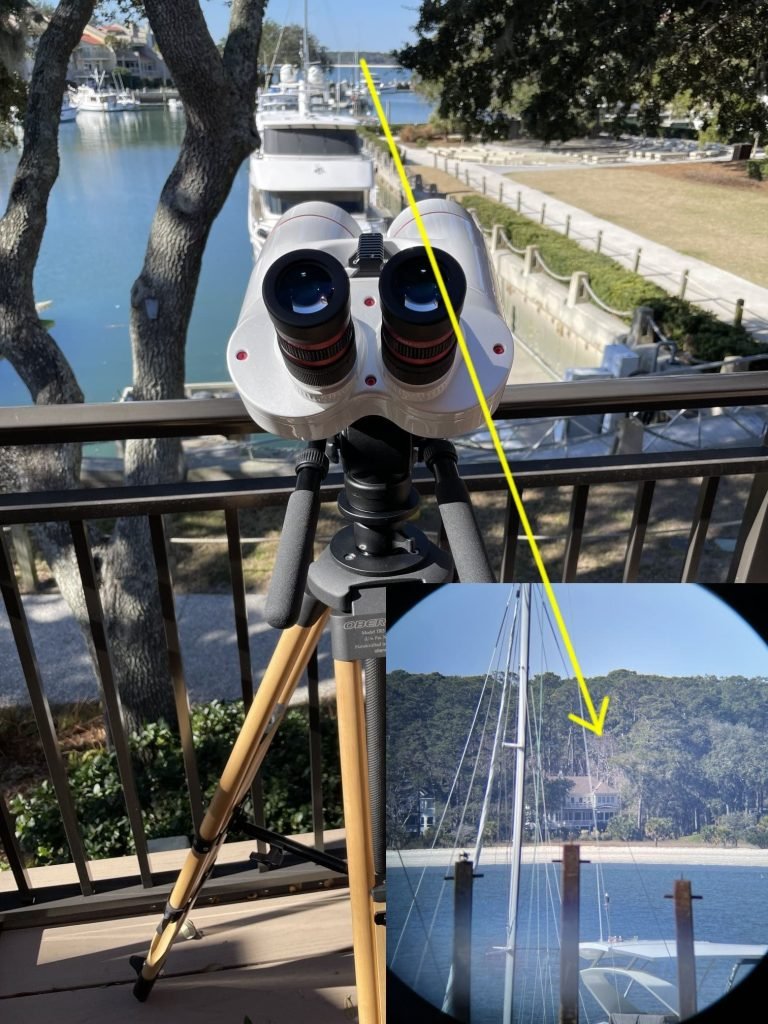
Have you ever wondered if the binoculars you see outdoors are the same ones scientists use? When it comes to ED binoculars, many people ask, “Are these tools really trusted by experts?”
If you’re curious about how scientists observe tiny details from far away, this article will clear up the mystery. You’ll discover why ED binoculars might be more than just a hobbyist’s gadget and how they could be essential in serious scientific work.
Keep reading to find out if these powerful lenses make the cut in the world of science—and what that means for you.

Credit: www.skyatnightmagazine.com
What Are Ed Binoculars
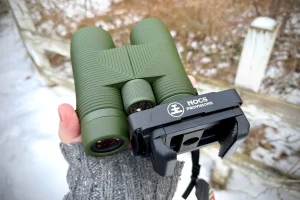
ED binoculars have lenses made with extra-low dispersion glass. This type of glass helps reduce color distortion and improves image clarity.
Scientists use ED binoculars to see details clearly in nature, astronomy, and other fields that need sharp images.
Features Of Ed Glass
ED glass has special properties that make images clearer and colors more accurate. It reduces the blurring effect called chromatic aberration.
- Minimizes color fringing around objects
- Improves sharpness and contrast
- Enhances image brightness
- Allows better focus on small details
Benefits Over Standard Binoculars
| Feature | ED Binoculars | Standard Binoculars |
|---|---|---|
| Color Accuracy | High, less color distortion | Lower, more color fringing |
| Image Sharpness | Clear and sharp | Less sharp |
| Contrast | Strong contrast | Moderate contrast |
| Brightness | Brighter images | Darker images |
| Price | Higher cost | More affordable |

Credit: www.walmart.com
Scientific Fields Using Binoculars
Binoculars are common tools in many scientific fields. They help scientists see details far away without disturbing the subject.
Different areas of science use binoculars for observation and data collection. These fields include studying animals, stars, and the environment.
Ornithology And Wildlife Research
Ornithologists and wildlife researchers use binoculars to watch animals in their natural habitats. These tools allow them to study behaviors and identify species.
- Bird watching to track migration patterns
- Observing animal behaviors without disturbance
- Counting species in remote areas
- Monitoring endangered wildlife populations
Astronomy And Stargazing
Binoculars help astronomers see stars, planets, and the moon more clearly. They provide a wide view of the night sky and are easy to carry.
| Type of Object | How Binoculars Help |
| Moon | Shows surface details like craters |
| Planets | Reveals brightness and color changes |
| Star Clusters | Allows viewing of multiple stars together |
| Comets | Tracks movement across the sky |
Environmental Studies
Environmental scientists use binoculars to study land, water, and air conditions. They observe changes in ecosystems and human impacts on nature.
Examples of binocular use in environmental studies:
- Spotting pollution effects on plants and animals
- Tracking animal migration and habitat shifts
- Surveying forest health and tree growth
- Monitoring coastal and marine wildlife
Advantages Of Ed Binoculars For Scientists
Scientists often need clear and precise images for their work. ED binoculars help them see details better than normal binoculars. These binoculars use special glass to improve viewing quality.
Using ED binoculars, scientists can observe nature, stars, and other objects with less blur and more accuracy. This makes their observations more reliable and useful.
Enhanced Image Clarity
ED binoculars provide sharper images. They reduce blurriness around the edges of objects. Scientists can see small details clearly, which helps in their research.
Clear images are important for studying animals, plants, and distant objects. ED binoculars make it easier to focus on fine details without strain.
Reduced Chromatic Aberration
Chromatic aberration causes color fringes around objects. ED binoculars use special glass to reduce this effect. Scientists get cleaner and sharper views without color distortions.
Less color distortion helps scientists identify objects correctly. This is vital for accurate data collection and analysis in fieldwork and lab studies.
Improved Color Accuracy
ED binoculars show colors more naturally and vividly. Scientists can observe true colors of plants, animals, and minerals. This helps in making correct observations and records.
Better color accuracy aids in differentiating species and understanding environmental changes. It also supports detailed scientific documentation.
Limitations Of Ed Binoculars In Scientific Work
ED binoculars have extra-low dispersion glass to reduce color blur. They offer clearer images than regular binoculars.
Scientists sometimes use binoculars, but ED binoculars have limits in research tasks. These limits affect their usefulness in science.
Cost Considerations
ED binoculars often cost more than standard ones. Their price can be too high for some scientific budgets.
Buying many units for large teams or long projects may not be affordable. Cheaper tools might be chosen instead.
- High price limits bulk purchases
- Budget constraints affect availability
- Cost may not match research needs
Suitability For Specific Research Needs
ED binoculars work well for general observation but may lack features for detailed scientific study.
Some research needs special instruments, like microscopes or telescopes. ED binoculars might not provide needed precision.
- Limited magnification for close study
- Not suitable for microscopic analysis
- Lack advanced measuring tools
Alternatives To Ed Binoculars In Science
Scientists use many tools to study nature and space. ED binoculars help reduce color errors but are not always the best choice.
Other equipment offers different benefits for scientific work. These tools may fit specific needs better than ED binoculars.
Standard Binoculars
Standard binoculars are common in fieldwork. They are lighter and easier to carry than large devices.
While they do not have special lenses like ED, they offer good magnification and clarity for many tasks.
- Affordable and widely available
- Good for quick observations
- Suitable for bird watching and nature studies
Spotting Scopes And Telescopes
Spotting scopes provide higher magnification than binoculars. They are useful for detailed views of distant objects.
Telescopes help scientists study stars and planets. They gather more light and show clearer images in space research.
- Spotting scopes are portable and precise
- Telescopes offer deep space observation
- Both support scientific data collection
Digital Imaging Equipment
Digital imaging tools include cameras and sensors. These devices capture images for analysis and sharing.
Scientists use digital equipment to record data with high accuracy. They can zoom and enhance images on a computer.
- Microscopes with digital cameras
- Remote sensing devices
- Computer software for image processing
Choosing The Right Optics For Research
Scientists often use binoculars to observe distant objects clearly. Choosing the right optics is key to successful research. The type of binoculars depends on what the scientist needs to study.
Good optics help improve the accuracy and quality of observations. It is important to consider the research goals before selecting binoculars.
Assessing Research Requirements
Scientists must analyze their research needs carefully. Different fields require different optical features. For example, bird watchers need lightweight and wide-angle views. Astronomers need high magnification and clear focus.
- Determine the distance to the subject
- Decide on the level of detail needed
- Consider light conditions during observation
- Check if portability is important
- Think about the duration of use
Balancing Performance And Budget
Finding binoculars that fit both performance needs and budget is often a challenge. Scientists want the best image quality but may have cost limits. Understanding key features can help make smart choices.
| Feature | Impact on Research | Typical Cost Range |
|---|---|---|
| Magnification | Shows more detail but can reduce brightness | Low to High |
| Lens Diameter | Allows more light for clearer images | Medium to High |
| Weight | Affects ease of use and travel | Low to Medium |
| Build Quality | Durability under field conditions | Medium to High |

Credit: www.youtube.com
Frequently Asked Questions
Are Ed Binoculars Popular Among Scientists?
Ed binoculars are valued by some scientists for their clarity and durability. They offer high-quality optics suitable for field research and observation. Many researchers prefer them for studying wildlife, geography, and environmental changes due to their reliable performance.
What Scientific Fields Use Ed Binoculars Most?
Scientists in biology, ecology, and geology commonly use Ed binoculars. These fields require detailed observation of animals, plants, and terrain. Ed binoculars help researchers view distant subjects clearly, aiding accurate data collection and analysis in natural settings.
How Do Ed Binoculars Enhance Scientific Research?
Ed binoculars provide sharp, distortion-free images using extra-low dispersion glass. This feature improves color accuracy and detail visibility. Enhanced optics help scientists observe subtle environmental changes and behaviors, leading to better research outcomes and more precise fieldwork.
Are Ed Binoculars Suitable For Laboratory Use?
Ed binoculars are primarily designed for outdoor use, not typical laboratory settings. Laboratories usually require microscopes or other instruments for close-up analysis. However, some lab researchers may use Ed binoculars for quick, distant observations during field visits.
Conclusion
Scientists benefit greatly from using ED binoculars. These tools provide clear, sharp images. They help in observing wildlife and nature. ED binoculars offer durability and precision. Researchers rely on them for accurate studies. Such binoculars enhance fieldwork efficiency. They are valuable in various scientific fields.
From biology to astronomy, they serve well. Their advanced optics aid detailed observations. Scientists trust them for critical research tasks. ED binoculars are essential for scientific exploration. Investing in quality binoculars supports successful scientific work. Clear vision leads to better discoveries.