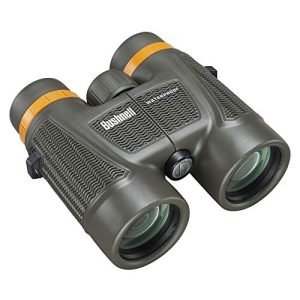
When you rely on rescue binoculars, you need them to work perfectly every time. But how often do you check if they’re still in top shape?
Ignoring regular service can lead to blurry views or even total failure when you need them most. You’ll discover the simple steps and timing to keep your rescue binoculars ready for action. Don’t wait until it’s too late—your safety and success depend on it.
Keep reading to find out exactly how often you should service your rescue binoculars and why it matters.
Importance Of Servicing Rescue Binoculars
Rescue binoculars help rescuers see distant objects clearly. They must work well during emergencies.
Regular servicing keeps binoculars in top shape. It ensures they are reliable when needed most.
Impact On Performance
Over time, dirt and moisture can harm binocular lenses. This reduces the clarity of the view.
Servicing cleans lenses and checks for damage. This keeps the image sharp and clear.
- Removes dust and debris from lenses
- Fixes alignment issues in optics
- Checks and replaces worn parts
- Ensures smooth focus adjustment
Safety Considerations
Rescue binoculars must work safely in all conditions. Faulty equipment can risk lives.
Regular checks find problems early. This prevents binoculars from failing during rescue work.
- Prevents fogging inside lenses
- Ensures water resistance remains intact
- Checks for cracks or damage to housing
- Confirms all parts are securely fastened

Credit: www.gearx.com
Recommended Service Intervals
Rescue binoculars need regular servicing to stay reliable. Proper care keeps them clear and functional.
Service intervals depend on manufacturer advice and how often you use them. Regular checks help avoid failure.
Manufacturer Guidelines
Manufacturers suggest service times based on design and parts. Follow their schedule for best results.
Most brands recommend a check every 1 to 2 years. Some models need more frequent inspections.
- Check seals and lenses for damage
- Clean internal and external parts
- Test waterproofing and focus mechanisms
- Replace worn parts as needed
Usage Frequency Factors
If you use rescue binoculars often, service them more. Heavy use wears parts faster.
Harsh environments like saltwater or dust need extra care. Clean and check binoculars after each use.
- Frequent use: service every 6 to 12 months
- Occasional use: service every 1 to 2 years
- Exposure to rough conditions: inspect after each use
Signs Binoculars Need Servicing
Rescue binoculars help you see clearly from a distance. Keeping them in good shape is very important. You should watch for signs that show when they need service.
Regular checks can stop small problems from becoming big issues. Here are common signs your binoculars may need attention.
Image Clarity Issues
If the view is blurry or fuzzy, your binoculars might need cleaning or repair. Dirt, dust, or scratches on the lenses can cause poor image quality.
- Blurry or soft focus
- Dark spots or shadows in the view
- Double images or ghosting effects
- Difficulty adjusting the focus wheel
Mechanical Problems
Check if parts like the focus knob or hinge are stiff or loose. Moving parts that do not work smoothly can break easily.
| Problem | Cause | Effect |
| Stiff focus wheel | Dirt or lack of lubrication | Hard to change focus |
| Loose hinge | Wear or damage | Binoculars do not fit properly to eyes |
| Stuck diopter adjustment | Broken internal parts | Cannot adjust image sharpness |
Water Or Fog Inside
Seeing water drops or fog inside the lenses means moisture has entered. This can damage the binoculars over time.
- Condensation inside the lenses
- Water droplets trapped inside
- Cloudy or misty view in humid places
- Corrosion or rust on metal parts
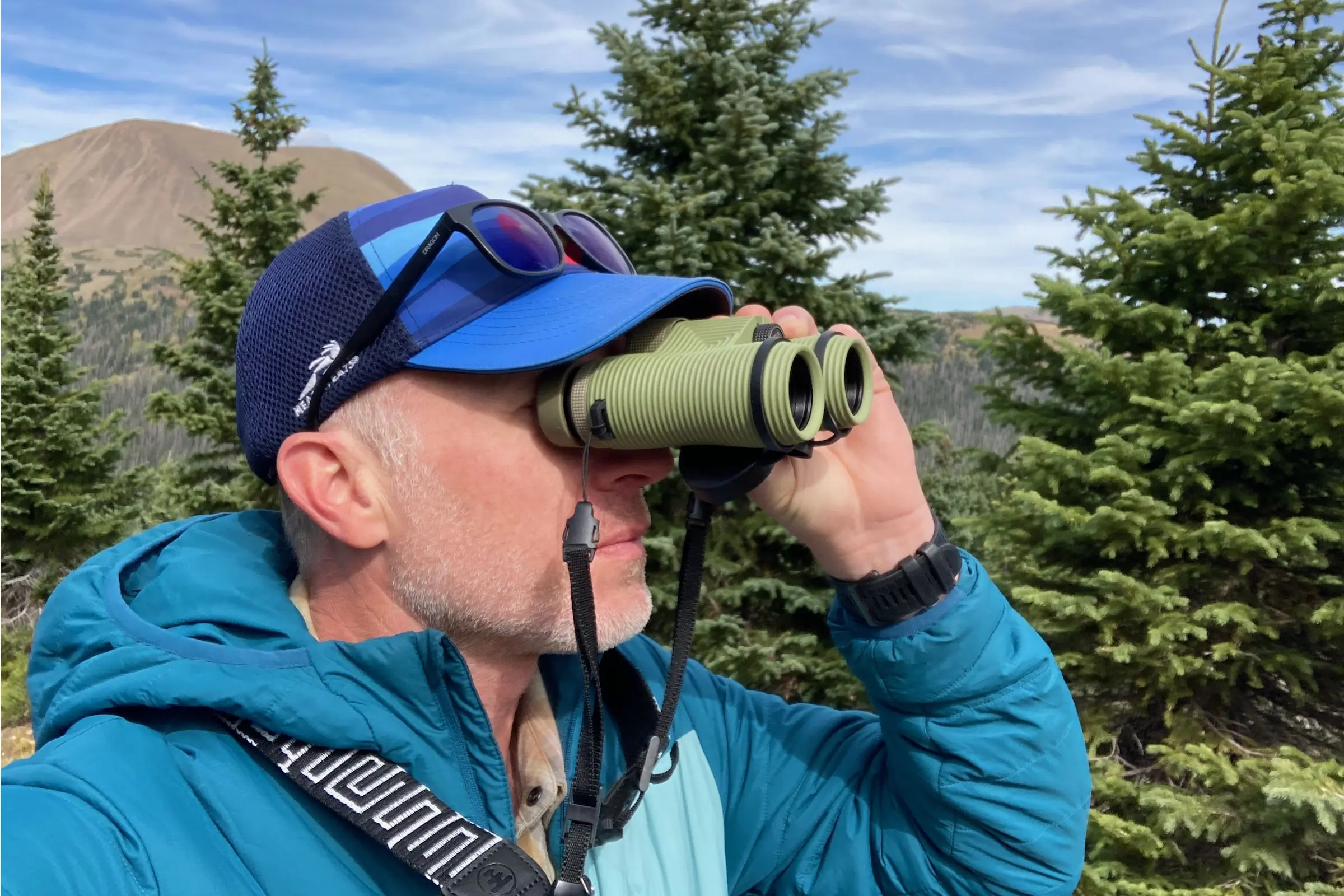
Credit: gearjunkie.com
Types Of Maintenance And Servicing
Rescue binoculars need regular care to work well in emergencies. Proper maintenance keeps them clear and reliable.
Different types of servicing include cleaning, adjusting, and fixing parts. Each helps binoculars last longer and perform better.
Cleaning Procedures
Cleaning rescue binoculars removes dirt, dust, and moisture. This keeps the lenses clear and improves vision.
Use a soft brush or cloth to clean the lenses gently. Avoid harsh chemicals that can damage coatings.
- Use a blower to remove loose dust
- Clean lenses with a microfiber cloth
- Use lens cleaning solution if needed
- Wipe the body with a damp cloth
Alignment And Calibration
Alignment makes sure both eyepieces line up correctly. Misalignment can cause double images or eye strain.
Calibration adjusts focus and zoom to match your eyesight and use needs. This ensures sharp and clear views.
- Check for image doubling or blurriness
- Adjust eyepieces so images merge into one
- Test focus and zoom on different distances
- Repeat adjustments until vision is clear
Lubrication And Repairs
Lubrication helps moving parts work smoothly. It stops stiffness and prevents wear on gears and hinges.
Repairs fix broken parts like cracked lenses or loose components. Quick repairs keep binoculars safe to use.
- Apply small amounts of lubricant to moving parts
- Avoid excess oil that can attract dust
- Replace cracked or damaged lenses immediately
- Tighten screws and check for loose parts
Choosing A Professional Service Provider
Rescue binoculars need regular checks to work well. Choosing the right service provider is key to keep them reliable.
Experts know how to clean and fix binoculars without causing damage. This helps keep your gear safe during rescue missions.
Certifications To Look For
Certified service providers have proof of their skills. They follow industry standards to deliver quality service.
Look for certifications from optics or rescue equipment organizations. These show the provider is trained and tested.
- ISO certification for quality management
- Optical repair certifications from trusted bodies
- Safety training certificates for handling rescue gear
Cost Considerations
Service costs vary by provider and the work needed. Choose a service that fits your budget but still offers good quality.
Some providers charge a flat fee. Others charge based on parts replaced or labor hours.
- Compare prices from different providers
- Ask what services are included in the price
- Check if warranties come with the service
Diy Care Tips Between Services
Rescue binoculars need regular care to work well. Proper maintenance helps them last longer.
You can take simple steps at home to keep your binoculars clean and safe. These tips help until you get a full service.
Proper Storage
Store your rescue binoculars in a dry, cool place. Avoid leaving them in direct sunlight or damp areas.
Use a protective case to keep dust and moisture away. This prevents damage and keeps lenses clear.
- Keep binoculars in a padded case
- Avoid high heat or cold storage
- Store away from chemicals or liquids
- Use silica gel packs to reduce moisture
Routine Cleaning
Clean your binoculars regularly but gently. Use a soft brush or air blower to remove dust first.
Wipe lenses with a microfiber cloth. Avoid using rough materials or strong cleaners that can scratch glass.
- Use a soft brush or air blower for dust
- Clean lenses with a microfiber cloth
- Use lens cleaner made for optics only
- Never spray cleaner directly on lenses
Handling Precautions
Handle binoculars carefully to avoid drops and shocks. Always use the neck strap to keep them secure.
Keep hands clean and dry before use. Avoid touching the lenses directly as oils can harm the glass.
- Use neck strap to prevent drops
- Hold binoculars firmly but gently
- Keep fingers off lenses
- Keep binoculars away from children and pets
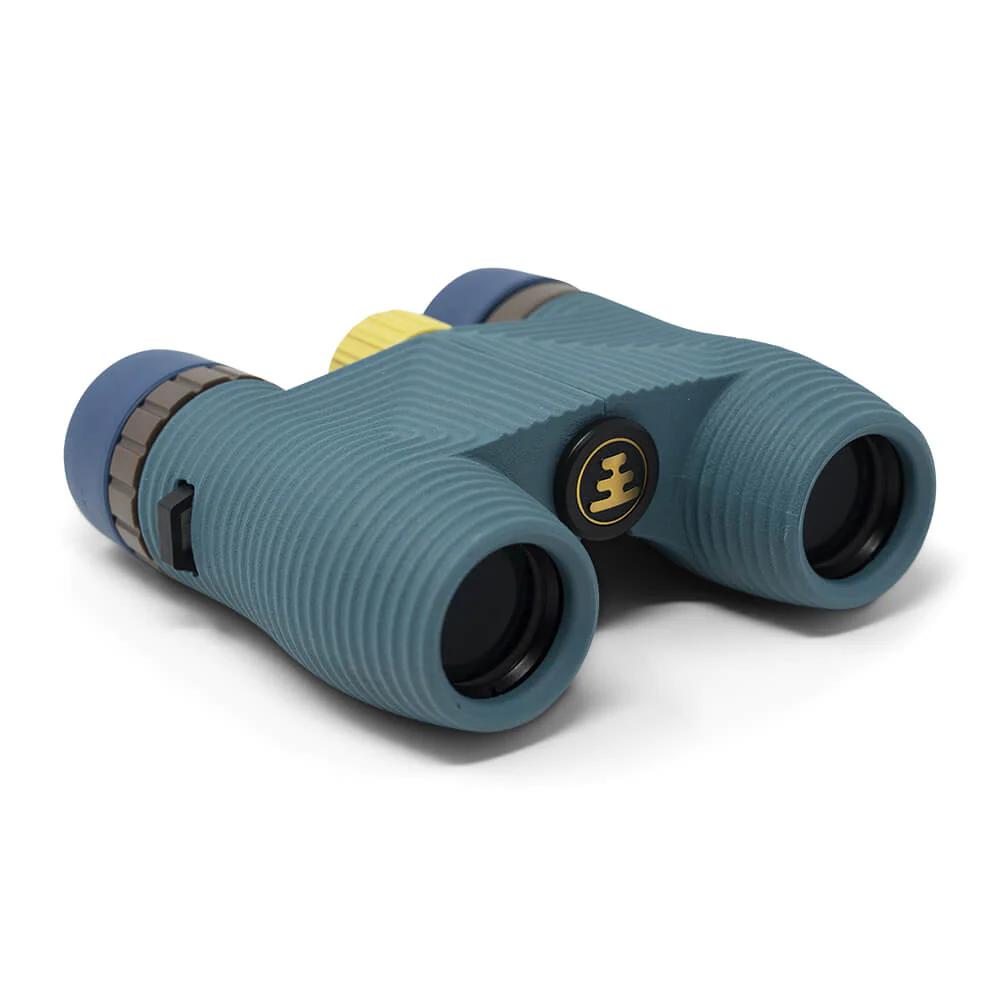
Credit: www.gearx.com
Frequently Asked Questions
How Often Should Rescue Binoculars Be Professionally Serviced?
Rescue binoculars should be professionally serviced at least once a year. Regular servicing ensures optimal performance and durability, especially in harsh environments. Frequent use or exposure to extreme conditions may require more frequent checks to maintain reliability during critical operations.
Can I Service Rescue Binoculars Myself At Home?
Basic maintenance like cleaning lenses can be done at home using proper tools. However, internal servicing and repairs require professional expertise to avoid damage. It’s best to leave complex servicing to specialists to ensure the binoculars remain fully functional and waterproof.
What Signs Indicate Rescue Binoculars Need Servicing?
Fogging, blurry images, or sticky focus wheels are common signs. Water ingress or physical damage also signals immediate servicing is necessary. Regular inspection helps catch these issues early, preventing further damage and ensuring the binoculars work perfectly when needed.
Does Regular Servicing Extend Rescue Binoculars’ Lifespan?
Yes, regular servicing significantly extends the lifespan of rescue binoculars. It prevents wear and tear, keeps lenses clean, and maintains waterproof seals. Proper upkeep ensures consistent clarity and reliability, essential for rescue operations in challenging conditions.
Conclusion
Regular servicing keeps rescue binoculars in top shape. It’s crucial for safety. Check them twice a year. Look for dust, damage, or alignment issues. Clean lenses gently with a soft cloth. Store them in a dry place. Regular care prevents unexpected failures.
Proper upkeep extends their lifespan. Don’t wait for problems to arise. Schedule inspections routinely. Your binoculars will perform reliably. Consistent maintenance ensures readiness for any situation. Ensure they serve you when needed most. Keep them ready for action. Stay prepared, stay safe.