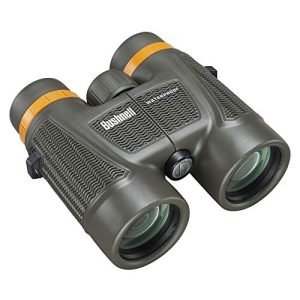
Your military binoculars are more than just a tool—they’re your reliable companion in the field. To keep them sharp and ready for action, you need to care for them properly.
If you don’t maintain your binoculars well, you risk blurry views, damage, or even complete failure when you need them most. But don’t worry—this guide will show you simple and effective ways to protect your investment. By following these easy steps, you’ll ensure your military binoculars stay clear, durable, and ready for any mission.
Keep reading to learn how to make your gear last longer and perform better every time you use it.

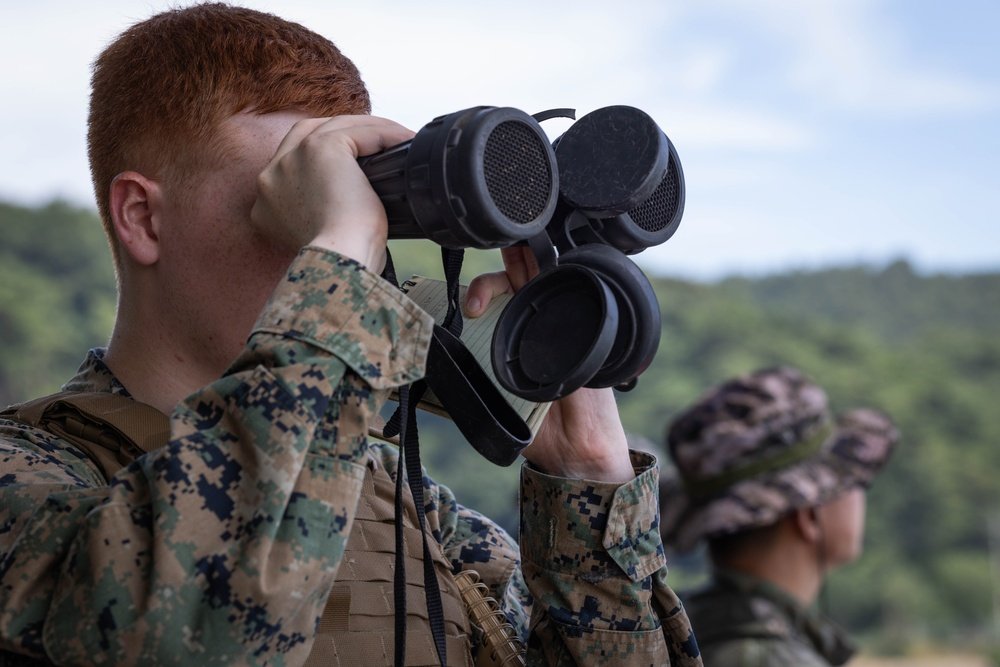
Credit: www.dm.af.mil
Cleaning Techniques
Military binoculars need regular cleaning to work well. Dirt and dust can block your view.
Using the right cleaning methods keeps lenses clear and parts safe from damage.
Choosing The Right Cleaning Materials
Pick soft, clean cloths to avoid scratches. Use microfiber cloths made for lenses.
Use lens cleaning solutions made for optics. Avoid household cleaners that can harm coatings.
- Microfiber cloth for wiping lenses
- Lens cleaning solution or distilled water
- Soft brush or air blower for dust
- Cotton swabs for small areas
Step-by-step Cleaning Process
Start by removing loose dust with a soft brush or air blower. Do not blow with your mouth.
Apply a small amount of lens cleaner on the microfiber cloth. Never pour liquid directly on lenses.
- Brush away dust and dirt gently
- Moisten cloth with cleaning solution
- Wipe lenses in a circular motion
- Use dry part of cloth to remove streaks
- Clean body with a damp cloth if needed
Avoiding Common Cleaning Mistakes
Do not use tissues or paper towels. They can scratch the lenses.
Avoid harsh chemicals and household cleaners. They can damage lens coatings and seals.
- Do not spray liquid directly on lenses
- Avoid using dirty or rough cloths
- Do not use fingers to wipe lenses
- Do not apply too much pressure when cleaning
- Store binoculars dry to prevent mold
Storage Tips
Proper storage helps keep military binoculars safe and working well. It stops damage from dust, moisture, and impacts.
Follow these tips to store your binoculars correctly and keep them ready for use.
Ideal Storage Conditions
Store binoculars in a cool, dry place away from direct sunlight. High heat can harm lenses and seals.
Avoid places with dust or dirt. Dust can scratch lenses and get inside the binoculars.
- Keep temperature between 10°C and 25°C (50°F to 77°F)
- Store in low humidity areas to prevent mold
- Choose a clean and dark spot
Using Protective Cases
Protective cases guard binoculars against bumps and scratches. Use a hard or padded case for the best safety.
Cases also keep dust and dirt away from the lenses and body of the binoculars.
- Choose cases with soft inner lining
- Ensure the case fits your binoculars well
- Close the case securely after use
Preventing Moisture Damage
Moisture can cause fogging inside the lenses and damage the binoculars. Keep them dry at all times.
Use silica gel packs or other moisture absorbers inside the storage case to reduce humidity.
- Store binoculars in a dry place
- Use moisture absorbers like silica gel packets
- Do not store binoculars while wet or damp
- Open cases occasionally to air out binoculars
Handling Practices
Military binoculars need careful handling to last long. Proper care helps keep their lenses clear and mechanisms working well.
This guide explains how to handle your binoculars with care for the best performance.
Proper Carrying Methods
Always carry binoculars with the neck strap to avoid dropping. Use a padded case for extra protection during transport.
- Keep binoculars close to your body when walking.
- Use both hands to hold them when not using the strap.
- Store binoculars in a secure case when not in use.
- Avoid carrying them loosely in bags or backpacks.
Avoiding Impact And Dropping
Impact and drops can damage lenses and alignment. Handle binoculars gently and avoid rough surfaces.
| Damage Type | Cause | Prevention |
| Lens Scratches | Contact with hard or sharp objects | Use lens caps and clean with soft cloth |
| Alignment Issues | Dropping or heavy impact | Carry securely and avoid sudden shocks |
| Body Damage | Rough handling or falls | Use protective cases and straps |
Adjusting Focus And Settings Carefully
Turn focus and adjustment knobs slowly. Avoid forcing any part to prevent internal damage.
- Use gentle pressure when adjusting focus.
- Do not twist knobs beyond their limits.
- Check settings regularly to ensure clear viewing.
- Clean lenses before adjusting to avoid dirt scratching.

Credit: www.youngstown.afrc.af.mil
Regular Maintenance
Regular maintenance helps keep military binoculars working well. Clean and check them often to avoid problems.
Proper care extends the life of your binoculars and improves their performance in the field.
Inspecting For Wear And Damage
Look closely at your binoculars for scratches, dents, or loose parts. These can affect how well they work.
Check the body, lenses, and rubber coating for any signs of damage. Early fixes prevent bigger issues later.
- Examine lens surfaces for scratches or cracks
- Check hinges and focus knobs for looseness
- Look for worn or torn rubber grips
- Note any fogging inside the lenses
Lubricating Moving Parts
Apply a small amount of lubricant to the moving parts to keep them smooth. Avoid over-lubricating.
Use lubricants made for optical equipment to prevent damage. This helps focus knobs and hinges move easily.
- Apply lubricant to the hinge joints
- Lubricate focus wheel and diopter adjustment
- Do not use oil that can attract dust or dirt
- Wipe off any extra lubricant after application
Checking Lens Alignment
Make sure the lenses are properly aligned. Misalignment causes blurry or double images.
Test alignment by looking through the binoculars at a distant object. Adjust if the view is unclear or doubled.
- Focus on a straight edge like a building or pole
- Check if the image is clear and single
- If blurry or doubled, send binoculars for professional alignment
- Do not try to force adjustments yourself
Repair And Professional Servicing
Military binoculars are tough tools made to last. Still, they need care to work well over time.
Sometimes, you must repair or service them professionally. This keeps your binoculars clear and strong.
When To Seek Professional Help
If your binoculars have fog inside or broken parts, get professional help. Do not try to fix delicate lenses yourself.
Also, if the focus or zoom stops working right, a technician can fix it safely and correctly.
Finding Reliable Repair Services
Look for services with good reviews and experience with military or high-quality binoculars. Check if they use original parts.
Ask if the repair shop offers a warranty on their work. This shows they trust their repairs.
- Search for specialized optical repair shops
- Check customer feedback and ratings
- Confirm use of original or high-quality parts
- Verify warranty or service guarantees
Cost Considerations
Repair costs depend on the damage and parts needed. Simple fixes cost less than lens or body replacement.
Get a price estimate before repair. Sometimes, repairs may cost close to buying new binoculars.
- Minor repairs: cleaning, alignment, small parts
- Major repairs: lens replacement, body damage
- Compare repair cost with new binocular price
- Consider service quality and warranty for value
Extending Battery Life
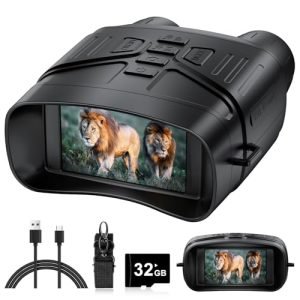
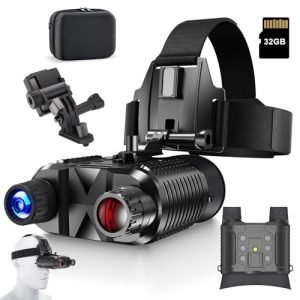
Military binoculars often use batteries to power night vision and electronic features. Taking good care of these batteries helps them last longer. This saves you money and keeps your binoculars ready when you need them.
Simple habits can make a big difference in battery life. Learn how to use and store batteries properly. Also, know the right way to replace them safely.
Using Batteries Correctly
Always use the type of battery recommended by the manufacturer. Using wrong batteries can damage your binoculars or reduce their performance. Turn off the binoculars when you are not using them to save power.
Remove batteries if you will not use the binoculars for a long time. This prevents battery leakage and corrosion inside the device.
- Use only recommended battery types
- Turn off binoculars when idle
- Remove batteries during long storage
- Do not mix old and new batteries
Storage Of Electronic Components
Store batteries and binoculars in a cool, dry place. Heat and moisture can damage electronic parts and batteries. Avoid leaving binoculars in direct sunlight or near heat sources.
Keep batteries in their original packaging or a battery case. This prevents them from touching metal objects that can cause short circuits.
- Store batteries at room temperature
- Keep batteries dry and away from moisture
- Use original packaging for storage
- Avoid storing binoculars in hot or humid areas
Replacing Batteries Safely
Turn off the binoculars before replacing batteries. Open the battery compartment gently to avoid damage. Remove old batteries carefully and dispose of them properly.
Insert new batteries following the correct polarity (+ and -). Close the compartment securely to keep the batteries in place and protect against dust or moisture.
- Power off binoculars before battery replacement
- Handle battery compartment gently
- Check battery polarity before inserting
- Dispose of old batteries safely
- Ensure compartment is closed tightly after replacement

Credit: www.18af.amc.af.mil
Frequently Asked Questions
How Often Should I Clean Military Binoculars?
Clean military binoculars after every use in harsh conditions. Use a soft brush for dust and a microfiber cloth for lenses. Avoid harsh chemicals to prevent damage. Regular cleaning ensures clear vision and prolongs the binoculars’ lifespan.
What Is The Best Way To Store Military Binoculars?
Store military binoculars in a dry, cool place away from direct sunlight. Use the original case or a padded bag to protect against dust and impact. Proper storage prevents moisture buildup and lens damage, maintaining performance.
Can I Use Water To Clean Binocular Lenses?
Use only clean, distilled water to rinse binocular lenses if necessary. Avoid tap water as it may leave mineral deposits. Always dry lenses with a soft microfiber cloth to prevent scratches and maintain clarity.
How Do I Prevent Fogging Inside Military Binoculars?
Keep military binoculars sealed and dry to prevent internal fogging. Use silica gel packs in the storage case to absorb moisture. Avoid sudden temperature changes that cause condensation inside the lenses.
Conclusion
Caring for military binoculars keeps them working well. Regular cleaning helps remove dust and dirt. Store them in a dry, safe place to avoid damage. Check for loose parts and tighten them if needed. Use a soft cloth to wipe lenses.
Avoid harsh chemicals that can harm the lenses. Inspect the straps and casing for wear. Repair any damage immediately. Understanding these simple steps ensures binoculars last longer. Keep them ready for your next adventure. Whether in nature or at a sports event, clear vision is vital.
Enjoy the benefits of well-maintained binoculars.