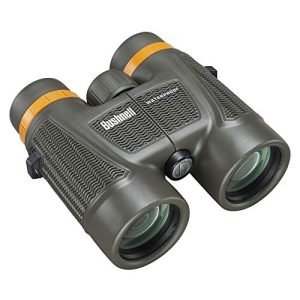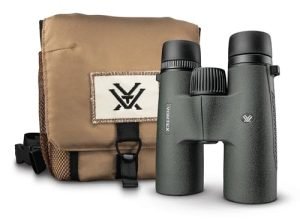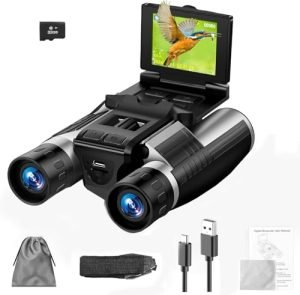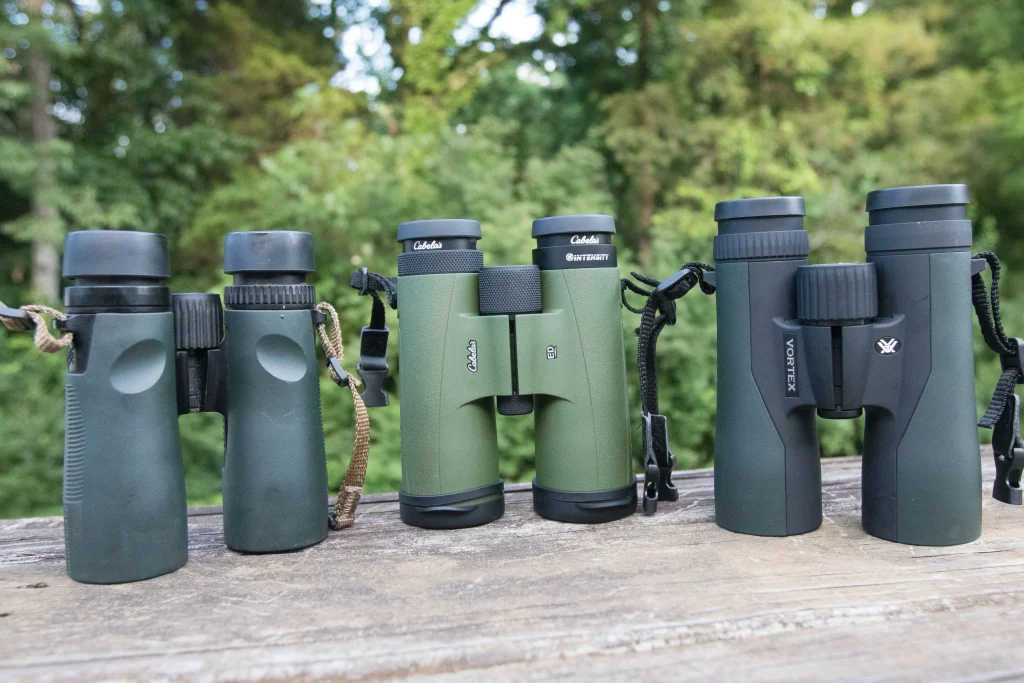
Are you tired of blurry or dull images when you use your binoculars? You might be wondering if upgrading to ED binoculars is worth it compared to standard HD optics.
Choosing the right pair can make a huge difference in what you see and how much you enjoy your outdoor adventures. You’ll discover how ED binoculars stand out, what benefits they offer, and whether they truly give you sharper, clearer views.
Keep reading to find out if ED optics are the upgrade your eyes have been waiting for.
What Are Ed Binoculars?
ED binoculars use special glass called Extra-low Dispersion glass. This glass helps reduce color blur in images.
These binoculars give clearer and sharper views than many regular binoculars. They are popular for bird watching and nature observation.
Ed Glass Technology
ED glass controls how light bends inside the lenses. It reduces chromatic aberration, which causes color fringing around objects.
- ED glass has a low dispersion rate to limit color distortion.
- It uses special materials to control light better than standard glass.
- The result is images with higher color accuracy and less blur.
How Ed Enhances Image Quality
Using ED glass improves the sharpness and brightness of images. It helps produce natural colors with less halo effect.
| Feature | ED Glass Binoculars | Standard HD Optics |
| Color Fringing | Minimal | Noticeable |
| Image Sharpness | High | Moderate |
| Light Transmission | Improved | Standard |
| Price | Higher | Lower |
Features Of Standard Hd Optics
Standard HD optics offer clear and sharp images. They use good materials and coatings to improve viewing.
These optics work well for everyday use. They provide bright views with decent detail and color.
Materials And Coatings
Standard HD optics use quality glass or plastic lenses. These lenses help reduce distortion in images.
The coatings on lenses protect them and improve light transmission. Multi-coated lenses reduce glare and reflections.
- Optical glass or high-grade plastic lenses
- Multi-layer coatings to cut glare
- Scratch-resistant surfaces
- Water and fog proof coatings
Image Clarity And Brightness
Standard HD optics deliver sharp and clear images. They work well in daylight and low-light conditions.
Brightness depends on lens size and coating quality. Good optics show bright and colorful views without blur.
- Sharp focus with low distortion
- Bright images with accurate colors
- Clear views in different light settings
- Good contrast for better detail
Comparing Image Sharpness
Image sharpness is a key factor when choosing binoculars. It affects how clear and detailed the view appears.
Comparing ED binoculars with standard HD optics helps to understand their differences in sharpness.
Color Accuracy
ED binoculars use special glass that reduces color distortion. This keeps colors closer to what you see naturally.
- Colors appear more true to life with ED optics.
- Standard HD optics can show slight color shifts.
- Sharpness improves when colors are accurate.
- ED glass reduces blurriness caused by color fringing.
Chromatic Aberration Reduction
Chromatic aberration makes edges look blurry and colors bleed around objects. ED binoculars reduce this effect.
| Feature | ED Binoculars | Standard HD Optics |
| Chromatic Aberration | Low | Moderate |
| Edge Sharpness | High | Medium |
| Color Fringing | Minimal | Visible |
| Overall Image Clarity | Clear and crisp | Good but less sharp |
Performance In Different Lighting
Binoculars work differently depending on the light. Some types handle light better than others. ED binoculars and standard HD optics show this clearly.
Understanding how these binoculars perform in low light and bright light helps you pick the right one for your needs.
Low Light Conditions
ED binoculars use special glass to reduce color blur. This makes images clearer in dim light. They capture more light, helping you see better at dawn or dusk.
Standard HD optics can work well but may show less sharpness and color accuracy in low light. Details may look a bit fuzzy or dull.
- ED binoculars offer brighter images in low light
- Colors appear more natural and clear with ED glass
- Standard HD optics might lose some detail in the dark
Bright Daytime Use
In bright light, ED binoculars reduce glare and improve contrast. This helps you see fine details with less eye strain. Colors stay vivid and natural.
Standard HD optics also perform well in daylight. They provide sharp images but may have slightly lower contrast and more glare than ED models.
- ED binoculars reduce glare better in bright light
- Both types offer sharp images on sunny days
- ED models show richer colors and deeper contrast
Durability And Build Quality
Binoculars must withstand rough use and different weather conditions. Durability helps protect the optics and ensures a long lifespan. Both ED and standard HD binoculars focus on strong build quality.
Good materials and solid design affect how well binoculars hold up over time. This section looks at weather resistance and lens protection for both types.
Weather Resistance
Weather resistance is key to durability in binoculars. It keeps moisture, dust, and dirt out. Many ED and standard HD binoculars come with seals and coatings to protect the inside parts.
- Waterproof seals prevent water damage during rain or wet conditions
- Fog proofing uses nitrogen or argon gas to stop internal fogging
- Dustproofing keeps small particles from entering the lens and mechanics
- Rubber armor protects the body from shocks and improves grip
These features help binoculars survive harsh outdoor use and keep the view clear in all weather.
Lens Protection
Lens protection is important for keeping optics clear and scratch-free. Both ED and standard HD binoculars have coatings and physical covers to guard the lenses.
| Protection Type | Purpose | Benefits |
|---|---|---|
| Anti-scratch coating | Prevents scratches on lens surface | Maintains image clarity and lens lifespan |
| Hydrophobic coating | Repels water and dirt | Keeps lenses cleaner longer |
| Lens caps | Physical barrier for lenses | Protects from dust, dirt, and impacts |
| Lens hoods | Shields from stray light and damage | Improves image contrast and lens safety |
Price Vs. Value
Choosing between ED binoculars and standard HD optics can be tough. Price is often the first thing buyers notice. But value depends on how well the binoculars perform.
ED binoculars usually cost more. They offer clearer images and less color distortion. Standard HD optics are cheaper but may lack some quality features.
Cost Differences
ED binoculars have extra lens elements that reduce chromatic aberration. This makes them more expensive to make. Standard HD optics use fewer special materials.
The price gap can be large. ED models often cost double or more than standard HD models. The cost depends on brand, size, and features.
- ED binoculars: higher price due to special glass
- Standard HD: lower price with basic lens coatings
- Price varies by brand and model features
Long-term Investment
ED binoculars last longer and perform better in tough light. They give sharper views for many years. This can save money over time.
Standard HD optics work well for casual use. They may show color fringing in some conditions. You might need to upgrade sooner if you want better quality.
- ED binoculars offer durability and clearer images
- Standard HD optics suit occasional or budget use
- Consider how often and where you will use binoculars
Best Uses For Ed Binoculars
ED binoculars use extra-low dispersion glass. This glass reduces color blur and improves image sharpness. They provide clearer and brighter views than standard HD optics.
ED binoculars are great for activities that need fine detail and color accuracy. They work best in nature and outdoor settings.
Birdwatching And Wildlife
Birdwatchers need to see small details like feathers and colors. ED binoculars show these details clearly with less color distortion. This helps identify birds more easily.
Wildlife watchers also benefit from sharper images. ED glass helps to see animals at a distance with bright and true colors. This improves the overall experience.
- Clearer view of bird feathers and colors
- Less color fringing around animals
- Better image brightness in low light
Hunting And Outdoor Activities
Hunters need accurate vision to spot targets far away. ED binoculars help by giving sharp and bright views. This makes spotting easier even in dense woods.
Outdoor activities like hiking or camping also benefit. ED binoculars show clear views of landscapes and distant objects. They perform well in different light conditions.
- Improved target spotting for hunters
- Clear views of landscapes and trails
- Good performance in dawn or dusk light
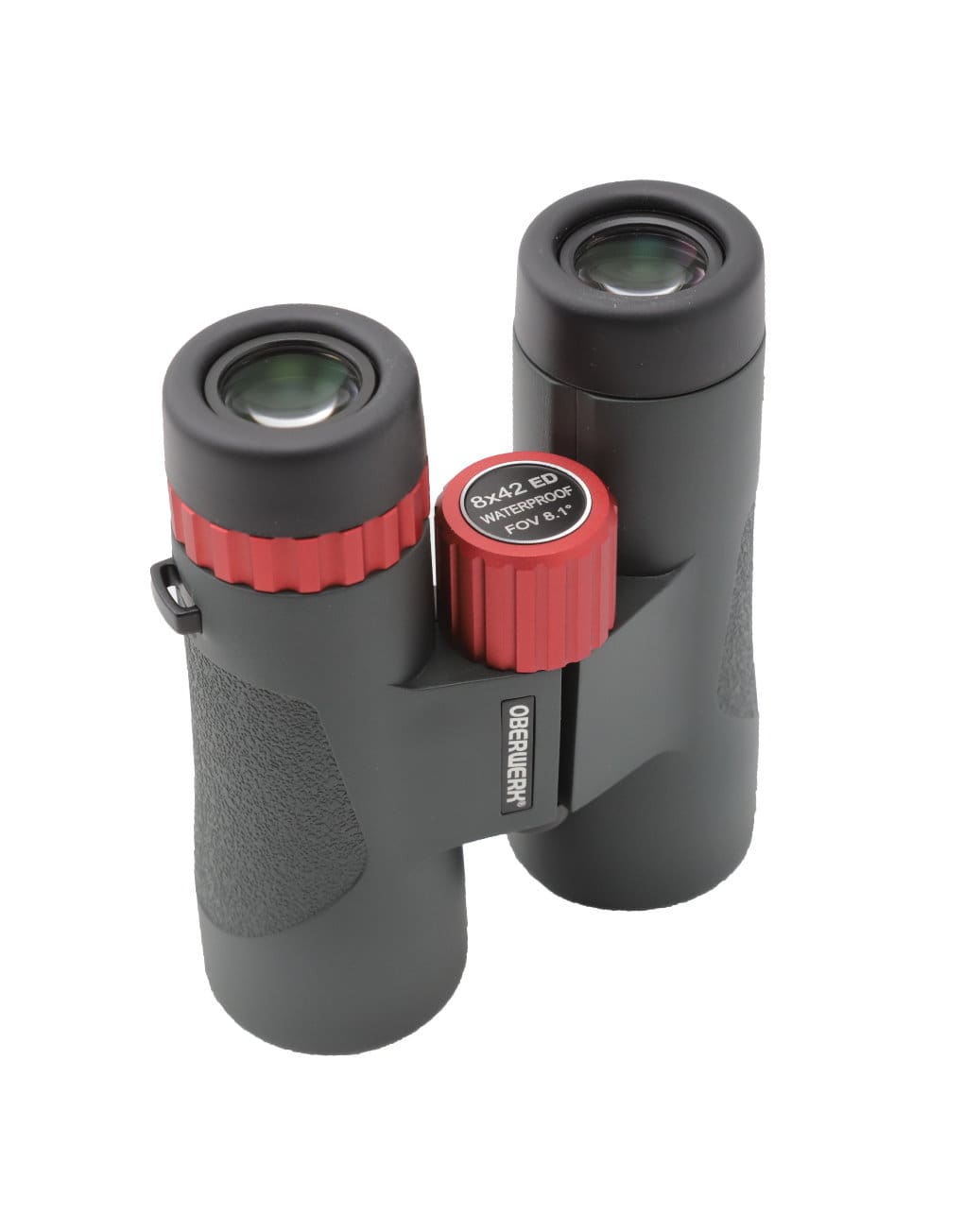
Credit: oberwerk.com
When To Choose Standard Hd Optics
Standard HD optics offer clear views for everyday use. They work well for people who do not need extreme magnification or advanced features.
Choosing the right binoculars depends on your needs and budget. Standard HD optics can be a smart choice in many cases.
Casual Observation
Standard HD optics are great for casual observation tasks. They provide good clarity for bird watching, hiking, or watching sports. You can see details clearly without paying for expensive technology.
- Short trips or day hikes
- Watching local wildlife
- Sporting events or concerts
- General outdoor use
Budget-friendly Options
Standard HD binoculars usually cost less than premium models. They offer good quality without a high price. This makes them a good option for beginners or those on a tight budget.
| Feature | Standard HD Optics | Premium ED Binoculars |
| Price Range | Low to Mid | High |
| Image Clarity | Good | Excellent |
| Weight | Moderate | Lightweight |
| Use Case | Casual and general | Professional and detailed |
Expert Tips For Choosing Binoculars
Choosing the right binoculars can improve your viewing experience. Understanding key features helps you pick the best pair.
This guide covers important points to consider and common mistakes to avoid when selecting binoculars.
Key Features To Consider
Look at the magnification power and lens size first. These affect how far and how clear you can see objects.
- Magnification: Higher power shows distant objects closer.
- Objective lens diameter: Larger lenses let in more light for a brighter image.
- Field of view: Wider views help you track moving objects.
- Weight and size: Choose binoculars that feel comfortable to hold.
- Waterproof and fog-proof features: Protect your binoculars in bad weather.
- Eye relief: Important if you wear glasses to see the full image.
Avoiding Common Mistakes
| Mistake | Why It Matters |
| Choosing too high magnification | Image becomes shaky and hard to hold steady. |
| Ignoring lens quality | Poor lenses reduce brightness and clarity. |
| Not checking size and weight | Heavy binoculars cause arm fatigue during use. |
| Overlooking waterproof feature | Water damage can ruin binoculars outdoors. |
| Skipping eye relief check | Short eye relief makes viewing hard for glasses wearers. |

Credit: www.amazon.com
Credit: www.bestbinocularsreviews.com
Frequently Asked Questions
What Are Ed Binoculars And How Do They Differ?
ED binoculars use Extra-low Dispersion glass for sharper, clearer images. They reduce chromatic aberration better than standard HD optics, offering improved color accuracy and contrast in various lighting conditions.
Are Ed Binoculars Better For Wildlife Viewing?
Yes, ED binoculars provide clearer, more detailed images, ideal for wildlife. Their enhanced color fidelity and sharpness help spot animals more easily compared to standard HD optics.
Do Ed Binoculars Perform Well In Low Light?
ED binoculars typically perform better in low light. They transmit more light and reduce color fringing, making them superior for dawn or dusk observations versus standard HD optics.
Is The Price Difference Between Ed And Hd Binoculars Justified?
The higher cost of ED binoculars reflects better glass quality and optics. For serious users seeking superior image clarity, the investment is often worthwhile compared to standard HD models.
Conclusion
Choosing between ED binoculars and standard HD optics depends on needs. ED binoculars often provide clearer images and better color. Standard HD optics can still deliver satisfactory performance. Consider your viewing environment and budget. For bird watching or stargazing, ED might be better.
For casual use, standard HD could suffice. Both options have their advantages. Evaluate what matters most to you. Comfort, clarity, and cost are key factors. Make an informed choice and enjoy your viewing experience. Your preferences and usage ultimately decide the best fit.