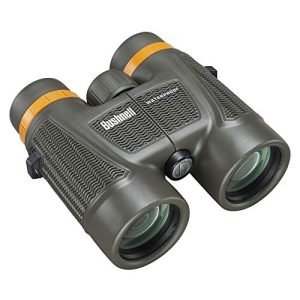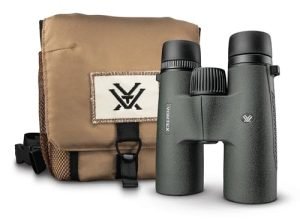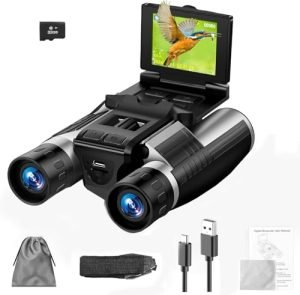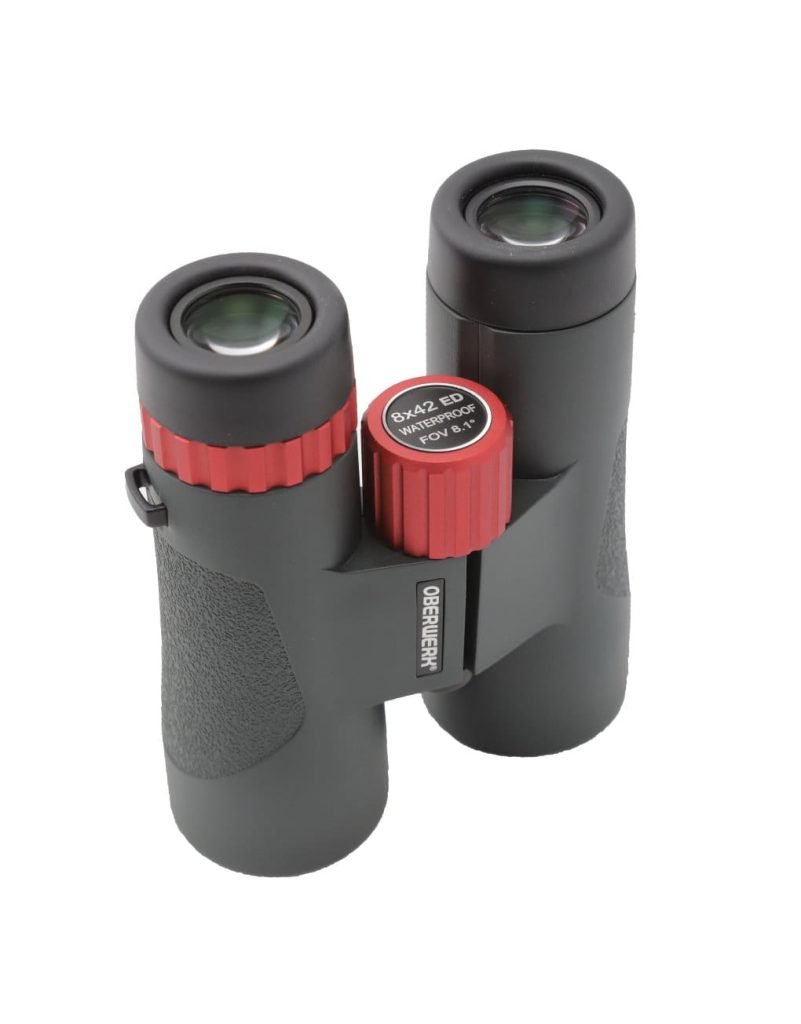
When you’re out on the field or in the stands, having the right pair of sports binoculars can make all the difference. But have you ever stopped to wonder how heavy your binoculars should really be?
Too heavy, and they tire your arms quickly. Too light, and you might sacrifice important features or durability. Finding the perfect balance is key to enjoying your game or event without discomfort. You’ll discover exactly what weight works best for sports binoculars and why it matters for your comfort and performance.
Keep reading to find out how to choose binoculars that feel just right for you.
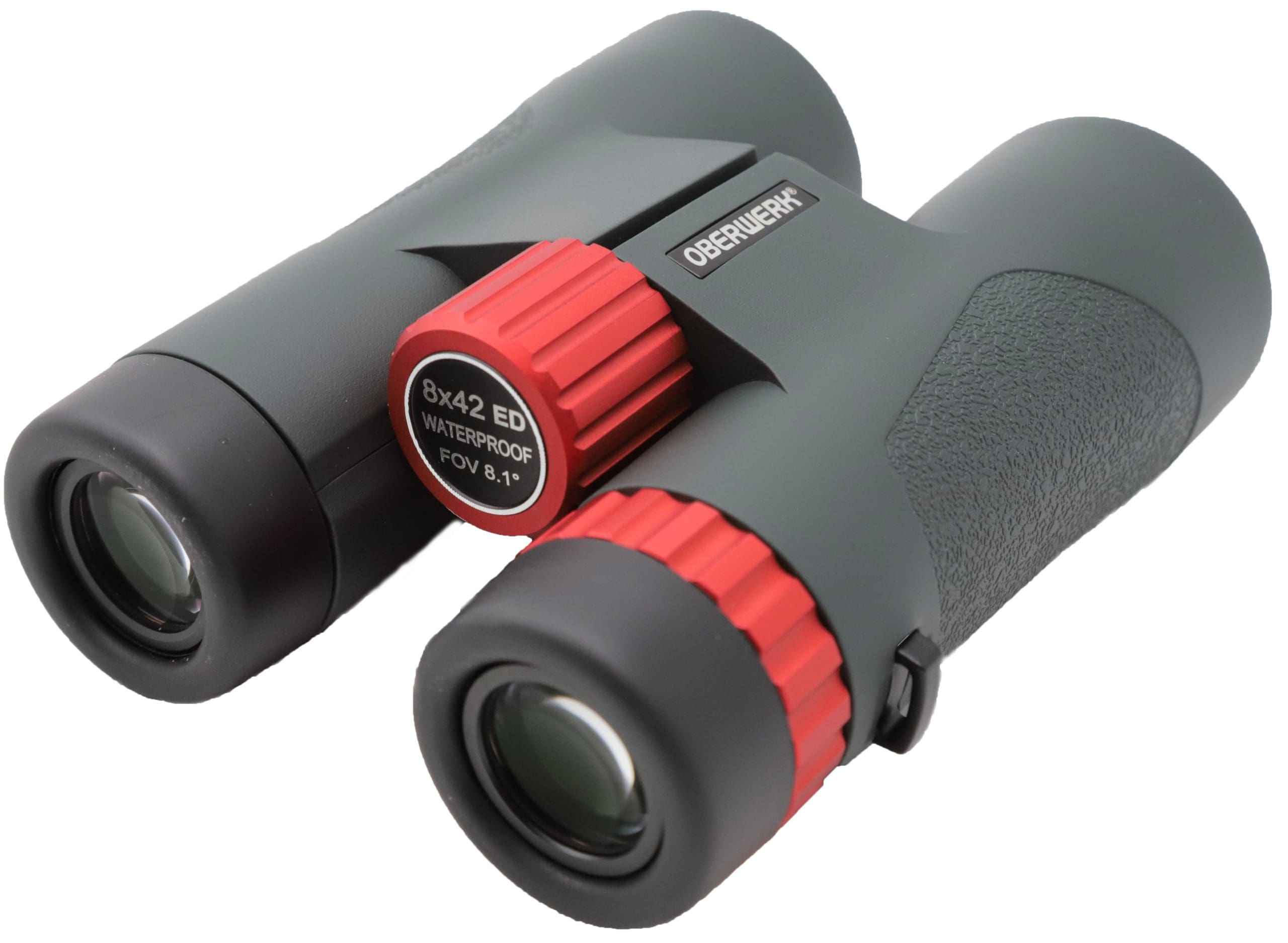
Credit: oberwerk.com
Factors Affecting Binocular Weight
Sports binoculars come in many shapes and sizes. Their weight can change a lot based on different factors.
Knowing what affects the weight helps you pick the right pair for your needs.
Materials And Build Quality
Binoculars use different materials like plastic, aluminum, or magnesium. Plastic is light but less durable. Aluminum is heavier but strong. Magnesium is light and very strong, but it costs more.
- Plastic: Lightest, less durable
- Aluminum: Medium weight, strong
- Magnesium: Light and very strong
Lens Size And Magnification
Larger lenses let in more light but add weight. Higher magnification needs bigger lenses and more glass. This makes binoculars heavier and bulkier.
| Lens Diameter (mm) | Weight Impact |
| 20-30 | Lightweight |
| 30-40 | Moderate weight |
| 40+ | Heavier |
Additional Features Impacting Weight
Extra features add weight. Waterproofing needs seals and coatings. Built-in rangefinders or compasses add parts and batteries. Rubber armor adds protection but also some weight.
- Waterproof seals and coatings
- Built-in electronic tools
- Rubber armor for grip and protection
Ideal Weight Range For Sports Binoculars
Choosing the right weight for sports binoculars is important. The weight affects how long you can use them comfortably.
Sports binoculars come in many weights. This guide helps you find the best weight for your needs.
Lightweight Models For Portability
Lightweight binoculars usually weigh under 500 grams (about 1.1 pounds). They are easy to carry and hold for long periods.
These models are good for hiking, running, and quick sports events. They reduce arm fatigue and fit easily in a bag.
- Weight range: 300-500 grams
- Easy to carry all day
- Less strain on arms and neck
- Compact and portable design
Mid-weight Options For Balance
Mid-weight binoculars weigh between 500 and 800 grams (1.1 to 1.8 pounds). They balance portability with better optics.
These binoculars offer clearer views and more durability. They suit most sports fans who want quality and comfort.
- Weight range: 500-800 grams
- Good image quality
- Comfortable for extended use
- More durable build
Heavier Binoculars And Their Uses
Heavier binoculars weigh over 800 grams (1.8 pounds). They often have larger lenses and stronger zoom.
These models work well for stationary sports watching or birdwatching. They provide sharp images but can tire your arms.
- Weight over 800 grams
- Larger lenses for better light
- Stronger zoom capabilities
- Best for fixed positions
How Weight Influences Performance
The weight of sports binoculars affects how well you can use them. Lighter binoculars are easier to carry. Heavier binoculars may feel more stable.
Choosing the right weight depends on your activity and how long you will use the binoculars.
Stability And Hand Fatigue
Heavier binoculars stay steadier in your hands. This reduces shaking and helps you see clearer images. But heavy binoculars can cause your hands to get tired faster.
- Light binoculars cause less hand fatigue.
- Heavy binoculars offer better stability.
- Very heavy models may tire your arms quickly.
- Balance between weight and comfort is important.
Ease Of Use During Extended Viewing
Using binoculars for a long time can be hard if they are heavy. Light binoculars let you watch longer without discomfort. Heavy ones might need a tripod or rest breaks.
| Weight Range | Use Duration | Comfort Level |
| Under 500 grams | Several hours | High |
| 500-800 grams | 1-2 hours | Moderate |
| Over 800 grams | Less than 1 hour | Low |
Impact On Image Quality
Weight can also affect image quality. Heavier binoculars often have larger lenses and better optics. This improves brightness and sharpness. Light binoculars may have smaller lenses, which can reduce image clarity.
- Heavier binoculars: Better brightness and sharpness
- Lighter binoculars: Portable but may have dimmer images
- Choose weight based on how clear and bright you want the view

Credit: www.petersenshunting.com
Choosing Binoculars Based On Activity
Choosing the right binoculars depends on what activity you plan to do. Weight is an important factor to consider.
Lighter binoculars are easier to carry but may have smaller lenses. Heavier ones offer better views but can tire you out.
Running And Hiking
For running and hiking, lightweight binoculars are best. You need to move fast and carry less weight.
Look for binoculars that weigh under 20 ounces. Compact models fit easily in your backpack or pocket.
- Weight under 20 ounces
- Compact and easy to carry
- Durable and weather-resistant
Birdwatching And Wildlife Observation
For birdwatching, you want binoculars with clear views and good zoom. These binoculars tend to be heavier.
Binoculars weighing 20 to 30 ounces offer a good balance. Use a neck strap to reduce fatigue during long use.
- Weight between 20 and 30 ounces
- Good zoom and clear lenses
- Use a strap for comfort
Sports Events And Stadium Use
At sports events, you want binoculars that are easy to hold for a long time. Medium weight models work well.
Binoculars around 20 to 25 ounces offer good image quality and comfort. Avoid heavy binoculars that tire your arms.
- Weight about 20 to 25 ounces
- Comfortable for long holding
- Clear view of fast action
Tips For Testing Binocular Weight
Choosing the right weight for sports binoculars is important. Heavy binoculars can tire your hands quickly. Light ones might lack some features you want.
Testing the weight before buying helps you find a good balance. This guide shares tips on how to try them out well.
Hands-on Trials Before Purchase
Hold the binoculars as long as you can in the store. See if your hands feel tired or strained. Try moving them around to mimic real use.
- Hold binoculars at eye level for a few minutes
- Check if you can adjust focus easily without dropping them
- Walk around with them to feel the weight in motion
Considering Carrying Options
Think about how you will carry the binoculars. Neck straps, harnesses, or cases can spread weight differently. This affects comfort during long use.
| Carrying Method | Weight Support | Comfort Level |
| Neck Strap | Supports all weight on neck | Good for short use |
| Harness | Distributes weight on shoulders | Better for long use |
| Carrying Case | Protects but adds extra weight | Good for transport only |
Balancing Weight With Other Features
Heavier binoculars may have better lenses or stronger build. Lighter ones might lack some durability or zoom power. Balance weight with what features matter most.
- Check if heavier weight adds better image quality
- See if lighter weight sacrifices comfort or size
- Decide what features you need most for your activities

Credit: www.petersenshunting.com
Frequently Asked Questions
What Is The Ideal Weight For Sports Binoculars?
The ideal weight for sports binoculars is usually between 1 to 2 pounds. This weight range ensures portability and ease of use. Lightweight binoculars help reduce fatigue during extended use, allowing for a comfortable experience. Always consider the activity and personal preference when choosing the right weight.
Do Heavier Binoculars Offer Better Image Quality?
Heavier binoculars often have larger lenses, providing better image quality. However, they can be cumbersome to carry. Lightweight options with advanced optics can offer excellent quality too. It’s essential to balance weight with performance for your specific needs. Always test for comfort and clarity before purchasing.
How Does Binocular Weight Affect Portability?
Heavier binoculars can be challenging to carry over long distances. They may cause fatigue during prolonged use. Lightweight models offer better portability and are easier to handle. Consider your activity’s demands and the duration of use when selecting binoculars. Choose a weight that complements your outdoor adventures.
Are Lightweight Binoculars Suitable For Sports Events?
Yes, lightweight binoculars are ideal for sports events. They allow quick movements and easy handling. Compact models fit comfortably in bags and are less tiring to hold. They provide sufficient magnification for most sports activities. Ensure they have adequate field of view for the event you’re attending.
Conclusion
Choosing the right weight for sports binoculars matters a lot. Too heavy, and your arms get tired quickly. Too light, and you might lose durability or clarity. Find a balance that suits your strength and activity type. Comfort helps you enjoy your game or event longer.
Remember, the best binoculars feel easy to hold and use. Keep weight in mind to improve your viewing experience every time. Simple and steady works best.