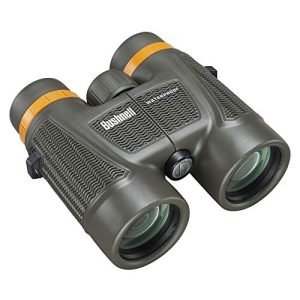
When you’re looking for the perfect close-focus binoculars, one question always comes up: what magnification is best for your needs? Choosing the right magnification can make all the difference between a clear, detailed view and a frustrating experience.
Whether you’re watching birds in your backyard or exploring nature up close, the right zoom level helps you see every detail without missing a beat. You’ll discover exactly how to pick the best magnification for your close-focus binoculars—so you can enjoy sharper, clearer views every time you look through the lenses.
Keep reading to find out what works best for you.
Close-focus Binoculars Basics
Close-focus binoculars let you see objects that are very near clearly. They are useful for observing small details up close. These binoculars have a shorter focus distance than regular ones.
Understanding the right magnification helps you choose the best binoculars for close-up viewing. Let’s explore what close-focus distance means and how these binoculars are used.
What Is Close-focus Distance
Close-focus distance is the shortest distance at which binoculars can focus on an object. It allows you to see details on nearby subjects with clarity. Typical close-focus distances range from 1 meter to 3 meters.
- Standard binoculars usually focus no closer than 5 meters
- Close-focus binoculars can focus as near as 1 meter
- Shorter close-focus distances help with observing small creatures and plants
Common Uses For Close-focus Binoculars
Close-focus binoculars are popular for several activities that require seeing near objects in detail. Their design helps users enjoy nature and hobbies better.
| Activity | Why Close Focus Helps |
| Bird Watching | See small birds on branches up close |
| Insect Observation | Watch insects without disturbing them |
| Botany | Examine flowers and leaves in detail |
| Sports | View near action on the field clearly |
| Theater | Focus on performers from close seats |

Credit: sightmark.com
Magnification And Its Impact
Magnification is a key factor in choosing close-focus binoculars. It tells you how much larger an object appears through the lenses. Picking the right magnification helps you see details clearly and comfortably.
Too much magnification can make images shaky and hard to focus. Too little magnification may not show enough detail. Understanding magnification helps you balance clarity and ease of use.
How Magnification Affects Image Clarity
Higher magnification zooms in closer, making small details easier to see. But it can also reduce sharpness and cause images to blur. This happens because the lenses need to work harder to keep the image clear.
Lower magnification gives a clearer and brighter image. It reduces shaking and makes it easier to focus. For close-focus binoculars, moderate magnification often gives the best image clarity.
Balancing Magnification With Field Of View
Field of view is the width of the area you see through the binoculars. Higher magnification usually means a smaller field of view. This limits how much you can see at once.
Lower magnification offers a wider field of view. This helps you find and track objects easily. A good balance helps you see details and keep the subject in view without moving the binoculars too much.
- High magnification: narrow field, more detail, less stability
- Low magnification: wide field, less detail, more stability
- Moderate magnification: good clarity and field of view balance
Ideal Magnification Range
Choosing the right magnification for close-focus binoculars is important. It helps you see details clearly and keeps the image steady.
Most experts agree that the best magnification for close-focus binoculars is between 6x and 10x. This range balances clarity and ease of use.
Pros And Cons Of Low Magnification
Low magnification means 6x or less. It gives a wide view and is easy to hold steady. This helps when watching birds or animals up close.
Low magnification can miss small details far away. The image may look less sharp at longer distances.
- Easy to keep steady
- Wide field of view
- Less detail at distance
- Not good for far targets
Benefits Of Medium Magnification
Medium magnification usually falls between 7x and 10x. It offers a good balance of detail and stability. You see closer details without too much shake.
This range is great for close-focus binoculars because it works well for both near and slightly distant objects.
- Clearer details at close range
- Still stable to hold by hand
- Works well for many uses
- Good balance of view and detail
When High Magnification Works
High magnification means over 10x. It can show very small details far away. But it is harder to hold steady without a tripod.
High magnification is best for specific uses like astronomy or distant wildlife. It is not ideal for close-focus binoculars because it reduces the field of view.
- Great for distant objects
- Needs support or tripod
- Smaller field of view
- Less useful for close focus

Credit: www.amazon.ca
Choosing Based On Activity
Choosing the right magnification for close-focus binoculars depends on what you plan to do. Different activities need different strengths and features.
Understanding your activity helps you pick binoculars that show clear images at close range without strain.
Birdwatching Needs
Birdwatchers want binoculars that give clear and bright images of birds nearby. A magnification between 8x and 10x is best. This range helps see details without losing the field of view.
- 8x magnification: wide view, easy to hold steady
- 10x magnification: better detail but needs steadier hands
- Close focus under 6 feet helps watch birds on branches
Wildlife Observation
For watching animals, a mix of power and close focus is important. You want to see small animals up close and far animals clearly. Magnification from 10x to 12x works well.
| Magnification | Advantages | Disadvantages |
| 10x | Good detail, easier to hold | Less zoom for distant animals |
| 12x | Better for far animals | Can shake more, harder to focus close |
Astronomy And Close Focus
Astronomy users need binoculars that focus closely and zoom well for stars and planets. Magnification from 15x to 20x is common. Close focus under 10 feet helps see objects like the moon’s surface.
Key tips for astronomy binoculars:
- Higher magnification reveals faint details
- Stable support like a tripod is needed
- Close focus lets you switch from sky to nearby objects
Additional Features To Consider
Choosing the right magnification for close-focus binoculars is just one part of the decision. Other features affect your experience and the quality of your view. Look at lens quality, weight, and durability before buying.
These features help you get clear images, carry your binoculars easily, and use them in different weather conditions.
Lens Quality And Coatings
Good lens quality is key for sharp images. Special coatings on lenses reduce glare and improve light transmission. This helps you see details clearly, even in low light.
- Multi-coated lenses offer better brightness.
- Phase correction coatings improve contrast.
- Anti-reflective coatings reduce eye strain.
Weight And Portability
Lightweight binoculars are easier to carry on long walks or hikes. Compact designs fit better in bags or pockets. Think about how you plan to use them and pick a model that feels comfortable.
| Feature | Benefit |
| Lightweight | Reduces arm fatigue |
| Compact size | Easy storage and transport |
| Adjustable straps | Secure fit during movement |
Durability And Weather Resistance
Close-focus binoculars should stand up to outdoor use. Look for water-resistant or waterproof models to protect from rain. Rubber armor can guard against bumps and drops.
- Waterproof seals
- Fog-proof nitrogen or argon gas filling
- Shock-resistant body
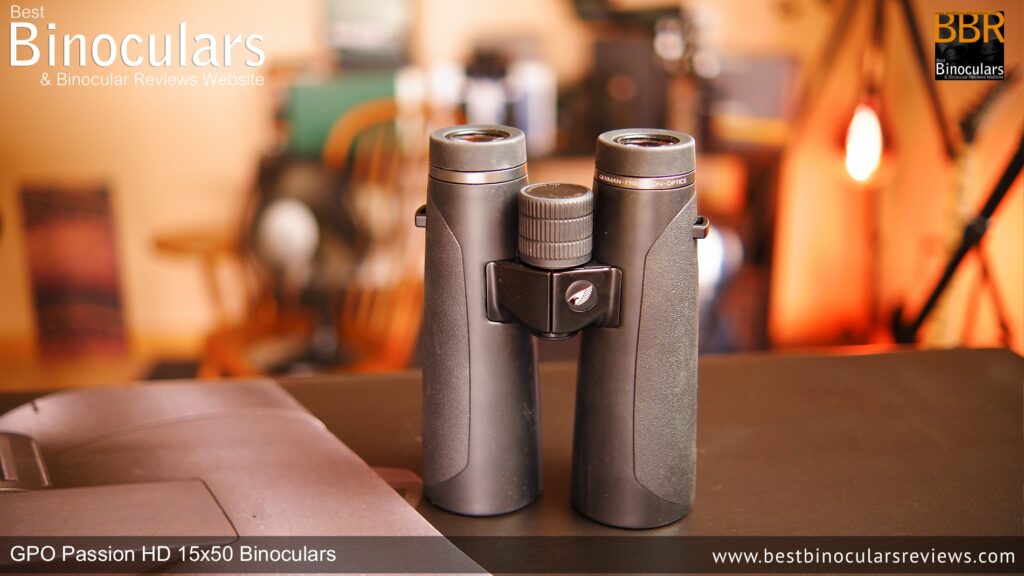
Credit: www.bestbinocularsreviews.com
Tips For Testing Binoculars
Choosing the right magnification for close-focus binoculars is important. Testing helps find the best fit for your needs.
Try different binoculars in real situations. Pay attention to how well they work up close and how easy they are to use.
Field Testing Magnification
Test binoculars outdoors to see how magnification affects image quality. Higher magnification may show more detail but can be harder to hold steady.
Check how close you can focus on objects. Some binoculars with lower magnification let you focus very near, which is good for close subjects.
- Look at plants or small animals nearby
- Notice if the image stays clear and sharp
- Try to keep the view steady without a tripod
- Compare different magnification levels
Assessing Comfort And Usability
Hold the binoculars for a few minutes to test comfort. Check if the weight feels right and if you can adjust the focus easily.
Make sure the eyecups fit well and your eyes feel comfortable. Usability includes how simple it is to use the binoculars quickly.
- Check the focus wheel for smooth movement
- Test the binoculars with and without glasses
- See if the size fits your hands well
- Make sure the strap is comfortable and secure
Frequently Asked Questions
What Magnification Is Ideal For Close-focus Binoculars?
A magnification of 8x to 10x is ideal for close-focus binoculars. It balances detail clarity and a wide field of view. Higher magnification may reduce image brightness and stability at close distances.
Why Is Lower Magnification Better For Close-focus Viewing?
Lower magnification provides a wider field of view and brighter images. It helps maintain sharp focus at close distances. This makes observing nearby objects easier and more comfortable.
Can 12x Magnification Work For Close-focus Binoculars?
12x magnification can work but may limit field of view. It might cause image shakiness and reduced brightness. For close-focus use, 8x to 10x is generally preferred.
How Does Magnification Affect Close-focus Binocular Performance?
Magnification impacts image brightness, field of view, and stability. Lower magnifications enhance image sharpness at close range. Higher magnifications are less practical for close-focus observations.
Conclusion
Choosing the right magnification matters for close-focus binoculars. Lower magnification like 8x offers wider views. Ideal for birdwatching or nature walks. Higher magnification narrows the field of view. It can be less steady without a tripod. Think about your needs and environment.
Close-focus binoculars should fit your activities. Test different options if possible. Comfort and clarity are key. Remember, the best binoculars meet your specific needs. Enjoy exploring the world up close!