When you’re choosing tactical binoculars, one detail can make a huge difference in how well you see your target: the exit pupil. But what exactly is the ideal exit pupil for tactical binoculars, and why should you care?
Understanding this simple number can transform your viewing experience, whether you’re in low light or scanning distant landscapes. If you want your binoculars to perform at their best when it matters most, keep reading—because getting this right will change the way you look through your lenses forever.
Exit Pupil Basics
The exit pupil is a key feature in tactical binoculars. It affects how much light reaches your eyes.
Understanding the exit pupil helps you choose the right binoculars for clear vision in different conditions.
Definition And Importance
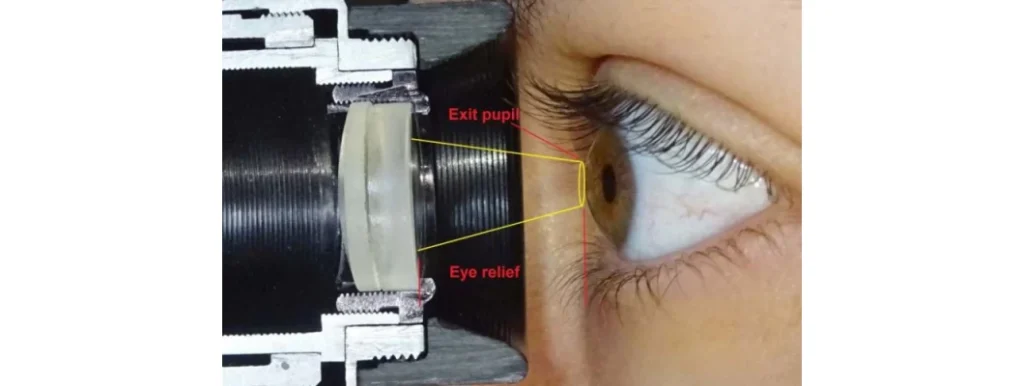
The exit pupil is the diameter of the light beam that leaves the eyepiece. It is measured in millimeters.
A larger exit pupil means more light enters your eye, which helps you see better in low light.
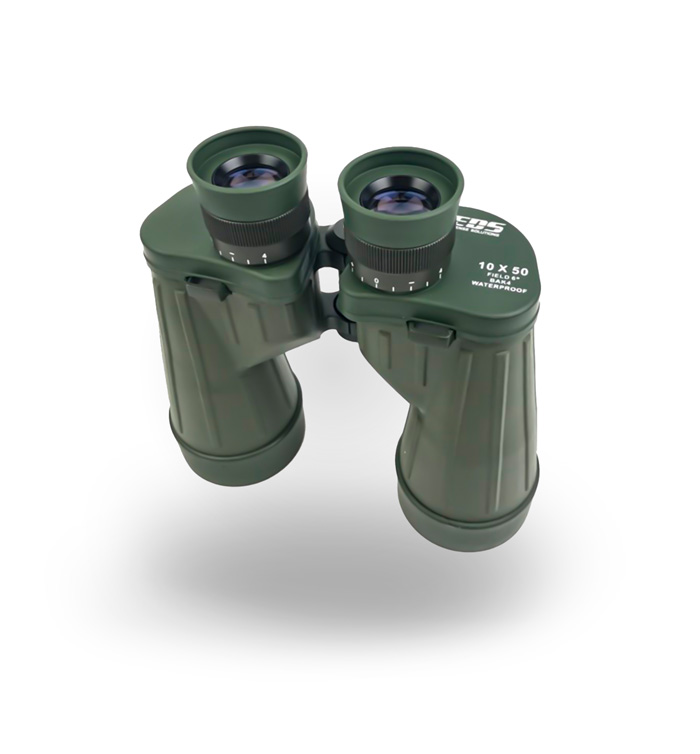
- Exit pupil = Objective lens diameter ÷ Magnification
- Example: 50mm lens ÷ 10x magnification = 5mm exit pupil
- A good exit pupil size improves image brightness
How Exit Pupil Affects Vision
The exit pupil size should match your eye’s pupil size for the best view. This lets you see the full image.
In bright light, your eye pupil shrinks to about 2-3 mm. In darkness, it can open up to 7 mm.
- Small exit pupil causes a dimmer image
- Large exit pupil is good for night use
- Too large exit pupil wastes light outside your eye
- Ideal exit pupil balances light and comfort
Credit: www.pewpewtactical.com
Factors Influencing Exit Pupil Size
The exit pupil size is a key feature in tactical binoculars. It affects how much light reaches your eyes. This size depends on several factors.
Understanding these factors helps you choose binoculars that work best in different lighting conditions and situations.
Objective Lens Diameter
The objective lens diameter is the size of the front lens. A larger diameter lets in more light. This increases the exit pupil size.
Big lenses help you see better in low light. They also make the exit pupil wider, making it easier to align your eyes.
Magnification Impact
Magnification affects the exit pupil size by dividing the objective lens diameter. Higher magnification means a smaller exit pupil.
Smaller exit pupils can make viewing harder in dark places. Lower magnification gives a bigger exit pupil, which is good for night use.
Eye Relief Considerations
Eye relief is the distance from the eyepiece to your eye. It affects how comfortable the binoculars are to use. Longer eye relief helps keep the exit pupil stable.
Tactical binoculars need enough eye relief for quick use. This keeps the exit pupil aligned with your eyes, improving the view.
Ideal Exit Pupil For Tactical Use
The exit pupil is the small circle of light seen through binoculars. It affects how bright the image looks. Choosing the right exit pupil size is important for tactical binoculars.
Tactical situations need clear vision in different light conditions. The ideal exit pupil helps you see well and stay comfortable during use.
Low Light Conditions
A larger exit pupil lets more light reach your eyes. This helps in dim places like dawn, dusk, or cloudy weather. Bright images are easier to see and identify targets.
For low light, an exit pupil between 5mm and 7mm works best. It improves vision without making the binoculars too big or heavy.
Field Of View Balance
The exit pupil size affects the field of view. A balanced field of view helps you see a wide area and track moving objects. Too large or too small exit pupils can reduce this balance.
Choosing an exit pupil around 4mm to 6mm gives a good mix of brightness and wide view. This size helps you scan areas quickly and spot details.
Comfort And Eye Strain
Using binoculars for long periods can cause eye strain. An exit pupil that matches your eye’s pupil size reduces this problem. It lets your eyes relax and stay comfortable.
During the day, your eyes’ pupils are smaller, about 2mm to 4mm. Tactical binoculars with a similar exit pupil size help reduce fatigue and keep vision sharp.
Credit: hedsusa.com
Comparing Exit Pupil Sizes In Tactical Binoculars
The exit pupil size is a key factor when choosing tactical binoculars. It affects how much light reaches your eyes. Different sizes suit different conditions and uses.
Understanding exit pupil sizes helps you pick binoculars that work best for your needs. This guide compares common sizes and their benefits.
Common Exit Pupil Ranges
Exit pupil size is measured in millimeters (mm). Tactical binoculars usually have exit pupils between 3 mm and 8 mm. Each size serves different purposes.
| Exit Pupil Size (mm) | Best Use | Notes |
| 3 – 4 | Daytime use | Smaller, lighter, less light gathering |
| 5 – 6 | Low light and general use | Good balance of brightness and size |
| 7 – 8 | Dawn, dusk, and night | Larger light gathering, bulkier size |
Trade-offs In Size Selection
Choosing the ideal exit pupil size means balancing brightness, weight, and size. Larger exit pupils bring more light but add weight and bulk.
- Smaller exit pupils make binoculars lighter and easier to carry.
- Larger exit pupils improve vision in dark conditions.
- Medium sizes offer a good mix for varied environments.
- Consider your main use: day or night, long or short periods.
Choosing The Right Binoculars
Choosing the right tactical binoculars means thinking about the exit pupil size. The exit pupil affects how much light reaches your eyes. This is important for clear and bright images.
Different situations need different exit pupil sizes. Knowing your environment and vision needs helps you pick the best binoculars.
Matching Exit Pupil To Environment
The exit pupil size should match the light conditions where you use binoculars. Bright daylight needs a smaller exit pupil. Low light or night use needs a larger one.
A larger exit pupil means more light enters your eyes. This helps you see better in dark places or at dusk.
- Daytime use: 2-3 mm exit pupil works well
- Low light or night: 5-7 mm exit pupil is ideal
- Mixed conditions: choose a middle size like 4 mm
Personal Vision Needs
People have different eye sizes and vision. The exit pupil should be close to your eye’s pupil size. This helps you see the whole image without dark edges.
If you wear glasses, check binoculars with enough eye relief. This lets you see clearly without moving the binoculars too close.
- Check your pupil size in bright and dark conditions
- Choose binoculars with exit pupil size close to your pupil size
- Consider eye relief if you wear glasses
Durability And Practicality
Tactical binoculars must be tough. They should handle rough use and bad weather. Exit pupil size affects the size and weight of binoculars.
Smaller exit pupils make binoculars lighter and easier to carry. Larger exit pupils may add weight but improve vision in low light.
- Choose durable materials for long use
- Balance exit pupil size with weight and size
- Look for waterproof and fog-proof features
Credit: www.huntstand.com
Frequently Asked Questions
What Is The Exit Pupil In Tactical Binoculars?
The exit pupil is the diameter of the light beam exiting the eyepiece. It affects brightness and clarity in low light.
Why Is Exit Pupil Size Important For Tactical Use?
A proper exit pupil size ensures clear vision in varying light. It improves target acquisition and reduces eye strain during missions.
What Is The Ideal Exit Pupil Size For Tactical Binoculars?
The ideal exit pupil size ranges from 4mm to 7mm. This range balances brightness, clarity, and eye relief for tactical scenarios.
How Does Exit Pupil Affect Low-light Performance?
A larger exit pupil allows more light to reach the eye. This enhances visibility in dawn, dusk, or night conditions for tactical users.
Conclusion
Choosing the right exit pupil is crucial for tactical binoculars. It affects clarity, brightness, and comfort. A larger exit pupil works well in low light. Smaller ones suit bright conditions. Consider your needs and environment when selecting. This ensures optimal performance.
Balance is key. Don’t overlook personal preference. Comfort in use matters too. Test different options if possible. Your eyes will thank you. Proper research aids in a wise choice. The right exit pupil enhances your viewing experience. Make an informed decision for better results.
Enjoy your adventures with the perfect binoculars.