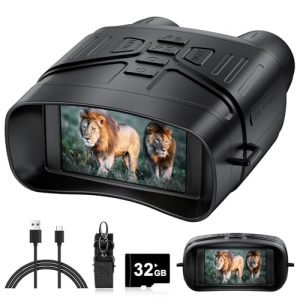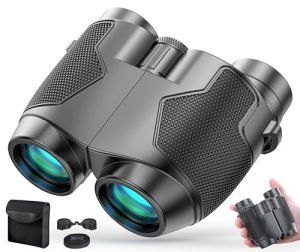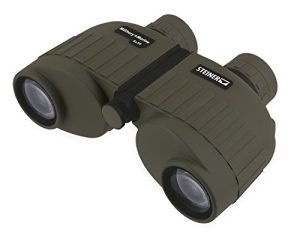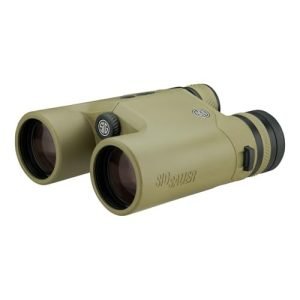
Have you ever wondered if binoculars can be a part of STEM kits? If you’re looking to make learning more exciting and hands-on, adding binoculars might be just what you need.
They open up a whole new way to explore science, technology, engineering, and math right in your own backyard. You’ll discover how binoculars can boost curiosity, improve observation skills, and make STEM activities more engaging for you or your students.
Keep reading to find out why binoculars could be the perfect addition to your STEM kit!

Credit: www.amazon.com
Benefits Of Binoculars In Stem Kits
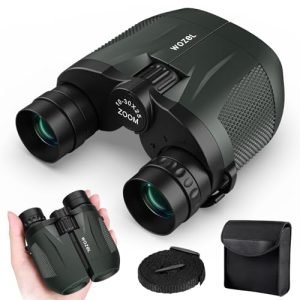
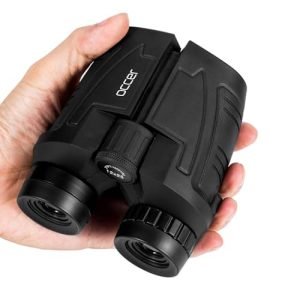
Binoculars are useful tools for STEM learning. They help students see things far away clearly.
Including binoculars in STEM kits can make science activities more fun and educational.
Enhancing Observation Skills
Binoculars help students focus on details they cannot see with the naked eye. This sharpens their observation skills.
Using binoculars teaches patience and careful watching, which are important for science studies.
Encouraging Outdoor Exploration
Binoculars encourage kids to go outside and explore nature. This promotes hands-on learning and curiosity.
Outdoor use of binoculars connects students with real-world environments and living things.
- Bird watching
- Plant and animal study
- Landscape observation
Promoting Scientific Inquiry
Binoculars support asking questions and making discoveries. They help students gather data from a distance.
Using binoculars in experiments teaches how to observe carefully and record what they see.
Credit: www.hamiltonplace.com
Selecting The Right Binoculars
Binoculars can be a great addition to STEM kits. They help kids explore nature and learn about science.
Choosing the right binoculars is important. The right pair should fit the child’s age, be safe, and affordable.
Age-appropriate Features
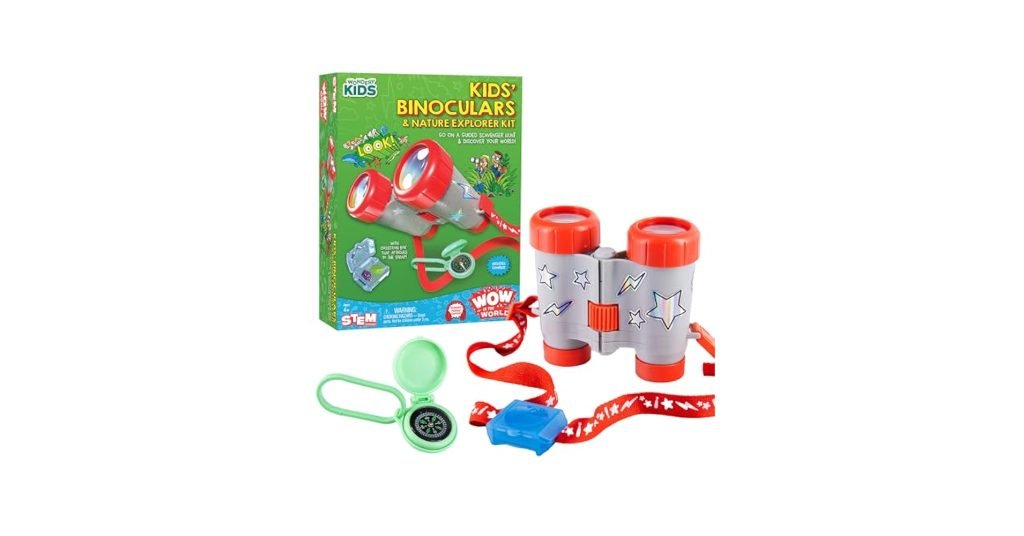
Binoculars for young children should be simple to use. Look for models with easy focus and low weight.
Older kids can handle more complex binoculars with higher zoom. Make sure the size fits their hands well.
- Low magnification (4x to 6x) for younger kids
- Adjustable eyepieces for comfort
- Lightweight and small size
- Easy to focus knobs
Durability And Safety
Durable binoculars last longer in STEM kits. Choose models with sturdy plastic or rubber covers.
Safety is key. Avoid binoculars with small parts that can break off. Look for smooth edges and safe materials.
- Rubber coating for shock resistance
- Water and fog proof options
- Non-toxic materials
- No sharp edges or loose parts
Cost Considerations
Binoculars should fit your budget while still working well. Avoid very cheap models that break easily.
Mid-range binoculars often provide good quality and durability. Consider how many kits will need binoculars.
- Set a budget before buying
- Look for good reviews on durability
- Buy in bulk for better prices
- Balance cost with features and safety
Integrating Binoculars Into Stem Activities
Binoculars are useful tools for STEM learning. They help students observe details far away. This makes science more exciting and hands-on.
Using binoculars in STEM kits can encourage curiosity. Students learn by seeing nature, space, and science closely.
Nature And Wildlife Studies
Binoculars allow students to watch birds, animals, and plants without disturbing them. This helps in studying behavior and habitats.
- Spot different bird species in local parks
- Observe animal movements in their natural environment
- Identify plant details like leaves and flowers from a distance
- Record observations for science projects
Astronomy And Space Exploration
Binoculars are a good start for young astronomers. They make it easy to see the moon, planets, and stars clearly.
Students learn about space objects and their movements. This builds interest in astronomy and physics.
Engineering And Optics Experiments
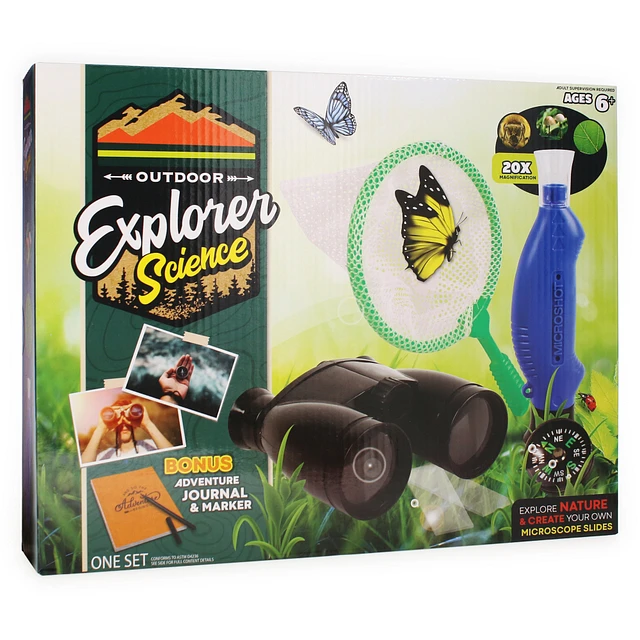
Binoculars can be used to teach about lenses and light. Students can explore how lenses bend light to create clear images.
| Experiment | Learning Goal |
| Disassemble binoculars | Understand lens placement |
| Measure magnification power | Learn about zoom and focus |
| Compare images with and without lenses | See effects of light refraction |
Challenges And Solutions
Including binoculars in STEM kits can be tricky. There are challenges in handling, keeping kids interested, and making them easy to use for everyone.
This article looks at these challenges and offers simple solutions to make binoculars a good fit in STEM kits.
Handling And Maintenance
Binoculars need careful handling to avoid damage. Kids may drop them or get lenses dirty. This can stop the binoculars from working well.
- Use binoculars with rubber coating for better grip.
- Include a soft carrying case in the kit.
- Add lens cleaning cloths and simple instructions.
- Teach kids to store binoculars safely after use.
- Choose binoculars with durable, lightweight materials.
Ensuring Engagement
Keeping kids interested in using binoculars is important. Without fun and clear uses, they may lose interest quickly.
Here is a simple table showing ways to keep kids engaged with binoculars:
| Method | Description |
|---|---|
| Nature Walks | Encourage kids to spot birds and animals. |
| Scavenger Hunts | Create lists of things to find using binoculars. |
| Storytelling | Use binoculars to explore scenes and imagine stories. |
| Observation Challenges | Set goals for identifying shapes or colors at a distance. |
Addressing Accessibility
Some kids may find binoculars hard to use. Adjusting for different needs helps everyone enjoy STEM activities.
- Choose binoculars with adjustable eyepieces.
- Include easy-to-use focus controls.
- Provide instructions with pictures and simple words.
- Offer alternatives like magnifying glasses for kids who struggle.
- Encourage group activities so kids can share and help.
Success Stories And Case Studies
Binoculars can be a valuable tool in STEM kits. They help students explore the world closely. Many schools and programs have shared positive results using them.
This article shares success stories from classrooms, after-school programs, and community STEM efforts. Each story shows how binoculars support learning and curiosity.
Classroom Implementations
Teachers used binoculars to enhance lessons in science and nature. Students observed birds, plants, and insects from a safe distance. This hands-on activity improved their focus and interest.
- Students identified different bird species during a biology lesson.
- Binoculars helped in studying tree leaves and bark textures.
- Classroom discussions became more interactive with real observations.
After-school Programs
After-school clubs used binoculars for nature walks and night sky watching. These programs showed increased student attendance and excitement for STEM topics.
| Activity | Outcome |
| Nature Walks | Students learned to identify local wildlife. |
| Night Sky Observation | Interest in astronomy grew among participants. |
| Photography with Binoculars | Developed attention to detail and patience. |
Community Stem Initiatives
Community groups included binoculars in STEM kits to support outdoor learning. Families and local volunteers joined activities that built science skills and teamwork.
- Encouraged family participation in STEM learning
- Improved observation skills in natural settings
- Helped build confidence using scientific tools

Credit: www.amazon.com
Frequently Asked Questions
Can Binoculars Enhance Stem Learning Kits?
Yes, binoculars improve STEM kits by encouraging exploration and observation. They boost skills in science, technology, and nature study. Binoculars make outdoor experiments more engaging and educational.
Are Binoculars Suitable For All Stem Age Groups?
Binoculars are ideal for middle school and above. Younger children may require simpler models or supervision. Age-appropriate binoculars support safe and effective learning experiences in STEM activities.
How Do Binoculars Support Scientific Inquiry In Stem?
Binoculars help students observe distant objects clearly. This aids in data collection and hypothesis testing outdoors. They foster curiosity and practical skills vital for scientific inquiry.
What Stem Subjects Benefit Most From Binoculars?
Biology, environmental science, and astronomy benefit greatly from binoculars. They allow detailed study of wildlife, ecosystems, and celestial bodies. Binoculars enhance hands-on learning in these STEM fields.
Conclusion
Binoculars can enhance STEM kits in exciting ways. They help kids explore. Nature, stars, and faraway objects become learning tools. This sparks curiosity and scientific thinking. Parents and educators should consider adding them. They are easy to use and affordable.
Plus, they offer hands-on experience. This makes learning fun and engaging. Kids gain new perspectives on the world. Binoculars could be a valuable part of any STEM kit. A simple addition with a big impact.