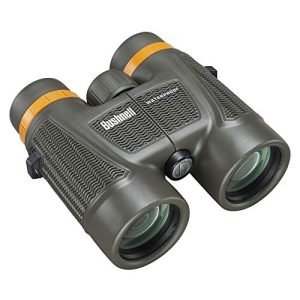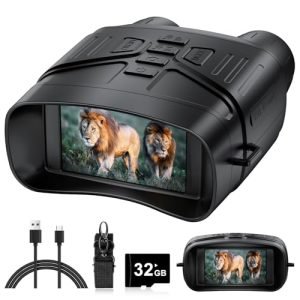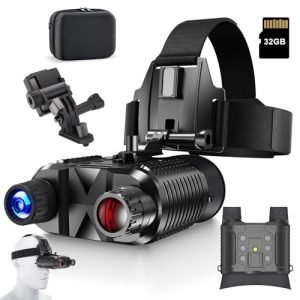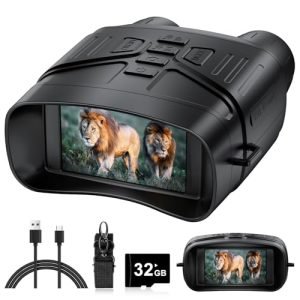
When it comes to keeping your team and property safe, every tool matters. You might be wondering if thermal binoculars are just another gadget or a game-changer for your security efforts.
Imagine spotting threats clearly, even in complete darkness or through smoke and fog. Wouldn’t that give you a serious advantage? You’ll discover how thermal binoculars can boost your security team’s effectiveness—and whether they’re truly worth the investment for your specific needs.
Keep reading to find out if this technology can make your job easier and your team safer.

Credit: www.amazon.ca
Benefits Of Thermal Binoculars
Thermal binoculars are tools that detect heat instead of light. Security teams use them to see clearly in dark or hard places.
These devices help teams stay alert and safe during night shifts or tough weather. They add value by making surveillance easier and more effective.
Enhanced Night Vision
Thermal binoculars show heat from living things and objects. This lets users see well at night without any light.
Security teams can spot people or animals in complete darkness. They do not need extra lighting that could give away their position.
Detection Through Obstructions
Thermal binoculars detect heat through smoke, fog, and light cover. This helps find hidden threats quickly.
Even if something blocks the view, the heat signature can still be seen. This improves safety during emergencies or complex situations.
Improved Surveillance Range
These binoculars allow users to see far away with clear heat images. This helps monitor large areas without moving.
Security teams can watch over big properties or borders more easily. They get early warnings about any unusual activity.
All-weather Functionality
Thermal binoculars work well in rain, snow, and fog. Weather does not affect their ability to detect heat.
Security teams can trust these tools in tough conditions. This keeps protection active during storms or bad weather.
Key Features To Consider
Thermal binoculars help security teams see heat signatures in the dark or through smoke. Choosing the right model means knowing which features matter most for your needs.
Focus on resolution, battery life, durability, and ease of use. These factors affect performance and comfort during long hours of use.
Resolution And Image Quality
Clear images help security teams identify threats quickly. Higher resolution means more detail but can use more power. Look for a balance that fits your work environment.
Battery Life And Portability
Long battery life keeps devices running through entire shifts. Lightweight models reduce strain during patrols. Consider how easy it is to carry and replace batteries.
- Check how many hours the battery lasts
- Look for rechargeable options
- Choose a model that is light and compact
- Check if spare batteries fit easily
Durability And Weather Resistance
| Feature | What to Look For |
| Water Resistance | Sealed units with IP ratings |
| Shockproof | Rubber armor or reinforced casing |
| Temperature Range | Works in extreme heat or cold |
| Lens Protection | Coated or covered lenses |
User Interface And Ease Of Use
Controls should be simple and easy to reach, even with gloves. Menus need to be clear. Quick start and adjustable settings help security teams react fast.
Look for features like:
- Intuitive buttons and dials
- Bright, clear display
- Customizable presets
- Easy calibration
Comparison With Traditional Binoculars
Security teams need tools that help them see clearly. Binoculars are common tools for this. Thermal binoculars offer a different way to see compared to traditional ones.
This comparison looks at how thermal binoculars differ from traditional binoculars in key areas. These areas include visibility in low light, cost differences, and maintenance needs.
Visibility In Low Light
Traditional binoculars rely on visible light. They work well during the day or with good lighting. At night or in fog, their visibility drops sharply.
Thermal binoculars detect heat instead of light. They show images based on temperature differences. This lets users see clearly in total darkness or through smoke and fog.
- Traditional binoculars need some light to work
- Thermal binoculars work in complete darkness
- Thermal can detect living things by heat
- Traditional binoculars show more detail in daylight
Cost Differences
Traditional binoculars are usually less expensive. They have simpler technology and fewer parts. Many models are affordable for most budgets.
Thermal binoculars cost much more. They use advanced sensors and electronics. This makes them a bigger investment for security teams.
- Traditional binoculars: lower price range
- Thermal binoculars: higher price range
- Thermal devices may need battery replacements
- Costs reflect technology and features
Maintenance Requirements
Traditional binoculars need simple care. Cleaning lenses and storing them safely is usually enough. They have no electronic parts to worry about.
Thermal binoculars require more maintenance. Electronics and sensors must be protected from moisture and impact. Batteries need regular checks and replacements.
- Traditional binoculars: simple cleaning and storage
- Thermal binoculars: protect electronics and sensors
- Thermal models require battery management
- Both need careful handling to avoid damage
Common Use Cases For Security Teams
Thermal binoculars help security teams see clearly in the dark or through smoke. They detect heat instead of light. This makes them useful in many situations.
These devices improve safety and efficiency. They help teams spot threats and protect people and property.
Perimeter Monitoring
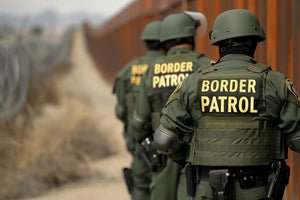
Security teams use thermal binoculars to watch borders and fences. They can see people or animals moving at night.
Thermal vision shows heat signatures, so teams spot intruders quickly. This helps prevent break-ins and theft.
Crowd Control
Thermal binoculars help monitor large groups during events. They show crowd movement and identify unsafe situations.
Teams can see through smoke or fog. This helps keep order and respond to emergencies faster.
Search And Rescue Operations
Thermal binoculars locate missing people in dark or hard places. They detect body heat even in dense forests or rubble.
Rescue teams find victims faster. This saves time and increases survival chances.
Covert Surveillance
Security teams use thermal binoculars to watch suspects without being seen. The devices work in total darkness.
This allows quiet and safe observation. Teams gather information without alerting targets.
Potential Drawbacks
Thermal binoculars offer clear views in the dark. Still, they have some downsides that security teams should know.
Understanding these limits helps teams decide if thermal binoculars meet their needs.
High Initial Investment
Thermal binoculars cost much more than regular binoculars. This high price can be hard for some teams to afford.
- Equipment prices can reach thousands of dollars.
- Maintenance and repairs add to the cost.
- Training staff to use the devices requires extra budget.
Limited Detail Recognition
Thermal images show heat, not fine details. This makes it hard to identify faces or small objects clearly.
| Feature | Thermal Binoculars | Regular Binoculars |
| Facial Recognition | Poor | Good |
| Color Details | None | Full Color |
| Small Object Detection | Limited | Clear |
Environmental Limitations
Thermal binoculars work best in clear weather. Rain, fog, or heavy smoke can reduce their effectiveness.
- Fog scatters heat signatures, making targets less visible.
- Heavy rain cools surfaces, hiding heat differences.
- Smoke can block or blur thermal images.

Credit: www.usnighthawk.com
Tips For Choosing The Right Model
Thermal binoculars help security teams spot threats in low light. Choosing the right model is key for safety and efficiency.
Consider your team’s needs and budget before buying. Look at the vendor’s reputation and test the binoculars yourself.
Assessing Team Needs
Think about how your team will use the binoculars. Will you need long-range viewing or close inspection? Consider these points:
- Distance range required
- Size and weight for easy carrying
- Battery life during long shifts
- Durability for rough environments
- Image clarity and resolution
Budget Considerations
Set a clear budget for your purchase. Balance cost with features and quality to get the best value.
| Price Range | Typical Features |
| Under $500 | Basic thermal sensors, short range, lighter build |
| $500 – $1500 | Improved resolution, longer battery life, more durable |
| Above $1500 | High-resolution imaging, extended range, advanced features |
Vendor Reputation
Choose vendors known for quality and support. Check reviews and ask for feedback from other security teams.
- Look for warranty and service options
- Check how quickly they respond to issues
- Verify their experience with security equipment
- Confirm product certifications and standards
Trial And Testing
Always test thermal binoculars before buying. This ensures they meet your team’s needs in real conditions.
- Check image clarity in different light levels
- Test ease of use and comfort
- Verify battery performance during actual shifts
- Assess durability by simulating field use
Maintenance And Care
Thermal binoculars need regular care to work well for security teams. Proper maintenance helps keep the devices reliable and clear. This section covers key areas to focus on for best results.
Cleaning, storing, and calibrating thermal binoculars are important tasks. Each step ensures the binoculars last longer and provide accurate images during use.
Cleaning Techniques
Cleaning thermal binoculars carefully protects their sensitive lenses and electronics. Use soft materials and avoid harsh chemicals to prevent damage.
- Use a microfiber cloth to gently wipe the lenses.
- Apply lens cleaning solution designed for optics if needed.
- Clean the body with a damp cloth, avoiding water near openings.
- Do not use paper towels or abrasive materials on the lenses.
Storage Recommendations
Proper storage prevents damage and keeps thermal binoculars ready for use. Keep them in a dry, cool place to avoid moisture and heat harm.
| Storage Tip | Reason |
| Use a padded case | Protects from bumps and drops |
| Store in a dry area | Prevents moisture buildup and corrosion |
| Avoid direct sunlight | Prevents lens and electronics damage |
| Remove batteries if unused | Avoids battery leaks and power loss |
Regular Calibration
Calibration keeps the thermal binoculars accurate and reliable. It adjusts the sensors to maintain clear thermal images over time.
- Check calibration settings based on the manufacturer’s guide.
- Perform calibration in a stable temperature environment.
- Use calibration tools or software if provided.
- Schedule regular calibration to avoid image errors.

Credit: nocpixusa.com
Frequently Asked Questions
What Are The Main Benefits Of Thermal Binoculars For Security Teams?
Thermal binoculars enhance night vision and detect heat signatures. They improve surveillance in low light and harsh weather. This technology helps security teams identify threats early and increases overall safety.
How Do Thermal Binoculars Improve Security Team Effectiveness?
Thermal binoculars provide clear images regardless of lighting. They enable faster threat detection and better area monitoring. This leads to quicker response times and improved protection for people and assets.
Are Thermal Binoculars Suitable For All Security Environments?
Yes, thermal binoculars work in diverse environments, including urban and rural areas. They perform well in fog, smoke, and darkness. This versatility makes them ideal for various security operations.
What Features Should Security Teams Look For In Thermal Binoculars?
Look for high resolution, long detection range, and durable design. Battery life and ease of use are also important. These features ensure reliable performance during critical missions.
Conclusion
Thermal binoculars offer distinct advantages for security teams. They enhance visibility in low light. Detecting threats becomes easier. Security personnel gain a valuable tool. Potential threats are spotted quickly. This boosts overall safety. Thermal technology is reliable and effective. Teams can respond promptly.
Investing in these devices benefits security operations. Enhanced vision leads to better outcomes. The decision to use thermal binoculars can improve security efforts. Their effectiveness in various conditions supports their worth. For security teams, this tool proves useful. Consider their advantages for your security needs.