Are you planning to explore snowy landscapes and want to bring your roof prism binoculars along? You might be wondering if these binoculars can handle the cold, wet, and bright conditions that snow brings.
Using the right equipment in snow can make all the difference in what you see and how comfortable you feel. You’ll discover whether roof prism binoculars are up to the task and what you need to know to get the best experience.
Keep reading to ensure your next snowy adventure is clear, sharp, and hassle-free.
Roof Prism Binoculars Basics
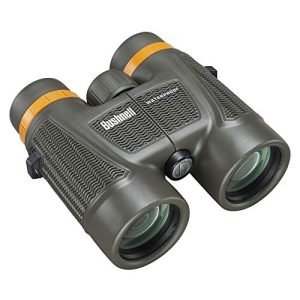
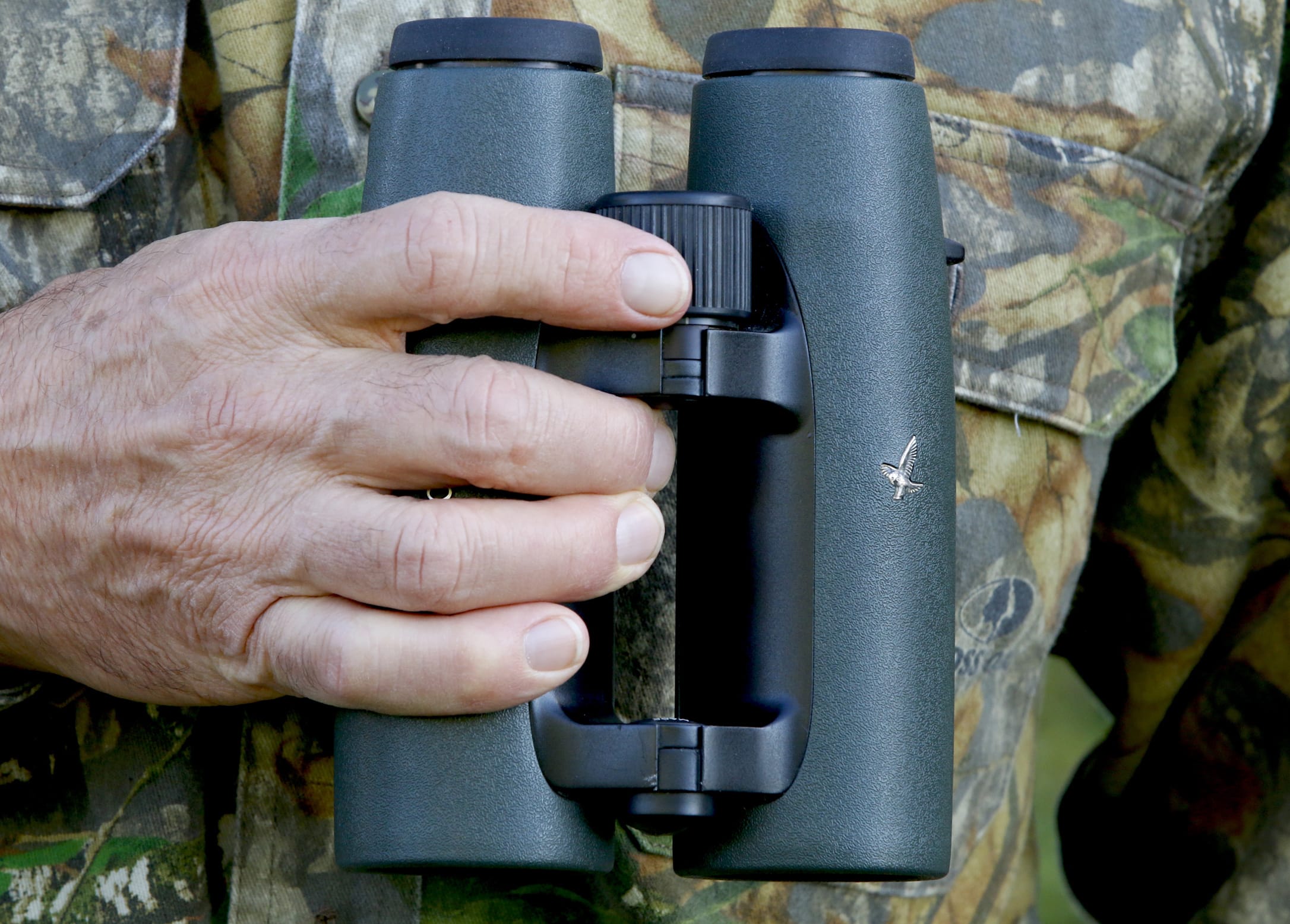
Roof prism binoculars are popular for their compact design. They use straight barrels, making them easy to hold and carry.
These binoculars work well in many outdoor conditions, including snowy environments. Understanding their design helps explain why.
Design Features
Roof prism binoculars have prisms aligned in a straight line. This design keeps them slim and lightweight.
- The straight barrel shape improves portability.
- Sealed lenses protect against dust and moisture.
- Often waterproof and fog-proof for tough weather.
- Typically have a central focusing wheel for ease of use.
Advantages Over Porro Prism
Roof prism binoculars differ from Porro prism models in design and performance.
| Feature | Roof Prism | Porro Prism |
| Size | Compact and slim | Bulkier and wider |
| Weight | Lighter | Heavier |
| Durability | More rugged and sealed | Less sealed, can let in moisture |
| Image Quality | Sharp and bright | Often brighter with wider field of view |
Common Uses
Roof prism binoculars serve many activities. Their shape and protection make them useful in snow.
- Bird watching in winter areas.
- Hiking on snowy trails.
- Snow sports observation.
- General outdoor adventures in cold, wet weather.
Credit: www.huntstand.com
Challenges In Snowy Conditions
Using roof prism binoculars in snow can be difficult. Snowy weather brings unique problems for these optical devices.
Cold, moisture, and ice affect how well binoculars work. Knowing these challenges helps users prepare better.
Cold Weather Effects
Cold temperatures can make binoculars harder to handle. The metal or plastic parts may become very cold to touch.
Battery-powered features, like image stabilization or rangefinders, may drain faster in the cold. The lenses can also contract slightly.
- Cold can make focusing harder
- Gloves reduce grip on binoculars
- Battery life decreases quickly
Moisture And Fog Issues
Snow melts on binocular lenses and causes moisture. This moisture leads to fogging, which blocks clear views.
Roof prism binoculars often have coatings to reduce fog. Still, rapid temperature changes cause inside fogging if not fully sealed.
- Lens fog blocks vision
- Sealed binoculars resist moisture better
- Drying binoculars quickly is important
Impact Of Snow And Ice
Snow and ice can build up on binoculars. This buildup may scratch lenses or block the view.
Ice can also freeze moving parts, making it hard to adjust focus or zoom. Careful cleaning prevents damage in snowy areas.
- Snow cover blocks lens
- Ice can freeze moving parts
- Gentle cleaning avoids scratches
Performance Of Roof Prism Binoculars In Snow
Roof prism binoculars can work well in snowy conditions. Snow creates bright, reflective surroundings that affect how you see through binoculars. Understanding their performance helps you choose the right pair for winter use.
This guide covers important features like image clarity, durability, and fog resistance. These factors affect how useful roof prism binoculars are in snow.
Image Clarity And Brightness
Snow reflects a lot of light, which can make images look very bright. Roof prism binoculars usually offer sharp image quality. They keep details clear even in bright snow.
Good roof prism binoculars have coatings on lenses. These coatings reduce glare from snow and improve brightness. This helps you see objects clearly without strain.
- Sharp focus keeps details clear
- Lens coatings reduce glare
- Bright images help spotting in snow
Durability And Waterproofing
Snow can be wet and cold, so binoculars must be tough. Roof prism binoculars often have strong, sealed bodies. This helps protect them from moisture and cold damage.
Waterproof models prevent snow from entering the binoculars. They also resist cold temperatures that can crack or break weaker materials. Durability is key for winter use.
- Sealed body keeps moisture out
- Strong materials resist cold damage
- Waterproofing ensures long life
Fog Resistance
Fogging inside binocular lenses happens when warm air meets cold air. This can blur your view. Roof prism binoculars often have fog-proof features to stop this.
Many models are filled with nitrogen or argon gas. This gas prevents internal fog from forming. Fog resistance is important when moving between warm shelters and cold outdoors.
- Gas filling prevents lens fogging
- Fog-proof seals keep moisture out
- Clear view in changing temperatures
Credit: www.homehardware.ca
Choosing Snow-ready Binoculars
Using roof prism binoculars in snow needs careful choice. Snow and cold can affect how well your binoculars work.
Picking binoculars made for snowy conditions helps you see clearly and keeps your gear safe.
Key Features To Look For
Good snow-ready binoculars have special features. These keep the view clear and protect the lenses from damage.
- Strong, lightweight body for easy carrying
- Rubber armor for grip and shock protection
- Wide field of view for spotting in snow
- Good eye relief for use with glasses
Lens Coatings And Materials
Lens coatings reduce glare and improve light transmission. This is important in bright, snowy areas.
| Coating Type | Benefit |
| Fully Multi-Coated | Best light clarity and less reflection |
| Phase Coating | Sharper image with roof prisms |
| Hydrophobic Coating | Water and dirt repel for clear viewing |
Waterproof And Fogproof Ratings
Waterproof binoculars keep moisture out. Fogproof models stop inside fog from cold changes.
- Look for nitrogen or argon gas filled binoculars
- Check for rubber seals on all openings
- IPX7 or higher rating means strong water resistance
Care Tips For Snow Use
Using roof prism binoculars in snow can be tricky. Cold and moisture affect their performance. Proper care helps keep them safe and working well.
Follow simple steps to clean, store, and handle your binoculars in snowy conditions. This guide covers key care tips for snow use.
Cleaning After Exposure
Snow and moisture can leave dirt and water spots on your binocular lenses. Clean them gently to avoid damage. Use a soft cloth made for optics. Avoid harsh chemicals or rough materials.
- Brush off loose snow or dirt with a soft brush.
- Use a microfiber cloth to wipe lenses carefully.
- If needed, use a lens cleaning solution made for optics.
- Dry binoculars fully before storing to prevent mold.
Storage Recommendations
Proper storage protects your binoculars from cold and moisture. Keep them in a dry, warm place away from direct sunlight. Use a padded case for extra protection.
| Storage Tip | Reason |
|---|---|
| Keep binoculars in a padded case | Protects from bumps and scratches |
| Store in a dry environment | Prevents mold and rust |
| Avoid extreme temperature changes | Prevents condensation inside lenses |
| Remove batteries if storing long | Prevents battery leaks and damage |
Handling In Extreme Cold
Cold weather can make binocular parts stiff and fragile. Handle them gently and avoid sudden temperature changes. Let binoculars warm up slowly before use.
- Wear gloves to protect your hands and binoculars.
- Keep binoculars close to your body to stay warm.
- Do not force moving parts if they feel stiff.
- Let binoculars warm in a bag before taking them out.
Alternatives To Roof Prism Binoculars
Roof prism binoculars are popular for their slim design and ease of use. Still, snow conditions may challenge their performance. Other binocular types and optics may suit snowy environments better.
Choosing the right alternative can improve your viewing experience in snow. Different options offer various benefits, such as better durability or clearer images.
Porro Prism Binoculars
Porro prism binoculars have a wider shape than roof prisms. This design often gives better depth perception and brighter images. They usually perform well in snowy landscapes where light reflection is high.
- Better light transmission for clearer views
- Usually less expensive than roof prism models
- More durable in rough conditions
- Bulkier and heavier, but easier to hold steady
Specialized Snow Optics
Some optics are made specifically for snowy or icy conditions. These include binoculars with anti-fog coatings and waterproof seals. They reduce glare from snow and improve contrast.
| Feature | Benefit in Snow |
| Anti-fog coating | Prevents lens fogging in cold weather |
| Waterproof seals | Keeps moisture out during snowfalls |
| High contrast lenses | Enhances visibility on bright snow |
| Rubber armor | Protects from impacts and cold |
Digital And Night Vision Options
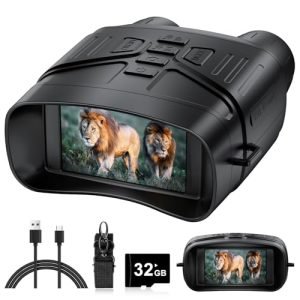
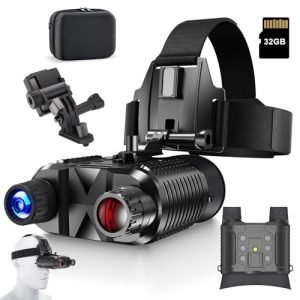
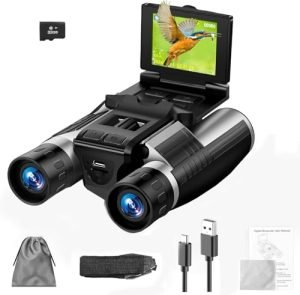
Digital binoculars and night vision devices offer different ways to see in snow. They can capture images or improve vision in low light. Some models adjust brightness automatically for snowy scenes.
- See clearly in darkness or fog
- Record videos or take photos
- Adjust settings for bright snow glare
- Useful for night-time wildlife watching

Credit: www.reddit.com
Frequently Asked Questions
Can Roof Prism Binoculars Handle Snowy Conditions?
Yes, roof prism binoculars are designed to withstand snowy conditions. Many models are waterproof and fog-proof, ideal for snow use. Their sealed construction protects internal lenses from moisture and cold. This ensures clear and reliable viewing even in harsh winter environments.
Are Roof Prism Binoculars Better For Snow Than Porro Prisms?
Roof prism binoculars are more compact and durable in snow. Their straight barrel design resists moisture and debris better. However, porro prisms may offer wider fields of view but are bulkier and less weatherproof. Roof prism models are generally preferred for snowy outdoor activities.
How Do Roof Prism Binoculars Prevent Fogging In Snow?
Many roof prism binoculars use nitrogen or argon gas purging to prevent fogging. Their sealed lenses stop internal moisture buildup from cold air. This keeps the view clear when moving between warm and cold environments. Anti-reflective coatings also improve visibility in snowy conditions.
Can I Use Roof Prism Binoculars For Winter Wildlife Watching?
Absolutely, roof prism binoculars are excellent for winter wildlife observation. Their sturdy build and weatherproof features protect against snow and cold. They provide sharp, bright images essential for spotting animals in snowy landscapes. Choosing models with good magnification and field of view improves the experience.
Conclusion
Roof prism binoculars perform well in snowy conditions. Their design ensures clear views despite cold weather. Durable materials resist moisture and cold, enhancing performance. Lens coatings reduce glare from snow, improving visibility. Compact and lightweight, they are easy to carry.
Perfect for winter adventures and wildlife watching. Remember to protect them from extreme weather when not in use. With proper care, they offer lasting value. Consider these binoculars for your next snowy outing. Enjoy the crisp, clear sights of winter landscapes.
Make the most of your snowy experience with reliable gear.