Have you ever struggled to see clearly through binoculars when the weather turns cold or humid? Foggy lenses can ruin your view just when you need it most.
But what if your binoculars could stay clear no matter the conditions? Understanding how fog-proof binoculars work can change the way you approach surveillance, giving you a sharp, uninterrupted view every time. You’ll discover the simple yet powerful technology behind fog-proof binoculars and how they can enhance your ability to observe with confidence.
Keep reading to learn how these tools keep your vision sharp, so you never miss a detail.

Credit: www.amazon.com
Fog Formation In Binoculars
Binoculars often fog up when the temperature changes quickly. This fog forms inside the lenses and blocks your view. Understanding why fog forms helps improve binocular design.
Fog inside binoculars is a common problem during outdoor surveillance. It reduces the clarity and makes it harder to see distant objects clearly.
Causes Of Internal Fogging
Internal fogging happens because of moisture trapped inside the binoculars. When the temperature drops, this moisture turns into tiny water droplets on the lenses.
- Humidity inside the binoculars from poor sealing
- Rapid temperature changes causing condensation
- Breathing or sweat entering through gaps
- Use in wet or rainy conditions without protection
- Improper storage in humid places
Impact On Surveillance Clarity
Fog blocks light and blurs images. This reduces the detail and sharpness needed for surveillance tasks. It can make spotting movement or reading signs very difficult.
| Effect | Description |
| Blurry Image | Fog scatters light inside lenses |
| Reduced Contrast | Details become hard to distinguish |
| Eye Strain | Users squint to see through fog |
| Delayed Response | Hard to react quickly to events |

Credit: www.amazon.com
Fog-proof Technology Basics
Fog-proof binoculars stop moisture inside lenses. This helps keep clear views during cold or wet conditions. Fog can blur images and make surveillance hard.
Special methods keep air and water out of the binoculars. These methods help stop fog and keep the inside dry.
Nitrogen And Argon Purging
Binoculars get filled with dry gases like nitrogen or argon. These gases do not hold moisture. They replace the air inside the binoculars to stop fog.
- Nitrogen is common and cheap.
- Argon is heavier and blocks moisture better.
- Both gases keep air pressure steady inside the binocular.
- They help prevent lens fogging in cold or humid places.
Sealed O-ring Construction
O-rings are rubber seals that block water and dust. They fit tightly between parts of the binocular. This stops outside air and moisture from entering.
| Feature | Function |
| Rubber O-ring | Creates a tight seal |
| Waterproofing | Stops water from entering |
| Dustproofing | Keeps dust out of lenses |
| Pressure balance | Prevents lens fogging |
Materials And Coatings
Fog-proof binoculars use special materials and coatings to stop fog from forming. These help keep the lenses clear in cold or humid conditions.
These features make binoculars very useful for surveillance, where clear vision is important at all times.
Anti-fog Lens Coatings
Anti-fog coatings are thin layers applied to the lens surface. They stop tiny water droplets from forming on the glass.
The coating works by spreading moisture evenly, which stops foggy spots. This keeps the view clear for better observation.
- Coatings are often made from hydrophilic materials
- They absorb water to stop droplet formation
- These coatings last a long time with proper care
Water-repellent Surfaces
Water-repellent surfaces help rain or dew slide off the lenses quickly. This reduces water spots and keeps vision clear.
These surfaces are made by adding special chemicals to the lens or outer glass. The chemicals make water bead up and roll away fast.
- Water-repellent coatings improve visibility in wet weather
- They also protect lenses from dirt and smudges
- These surfaces need occasional cleaning to stay effective

Credit: www.amazon.com
Benefits In Surveillance Operations
Fog-proof binoculars help surveillance teams see clearly in tough conditions. They reduce the fog that often blocks the view. This makes it easier to watch and record targets.
These binoculars use special designs to stop moisture inside the lenses. This keeps the glass clear and sharp. It helps users perform well in many weather types.
Enhanced Visibility In Humid Conditions
In humid places, fog forms quickly on lenses. Fog-proof binoculars stop this by using sealed air spaces and dry gas inside. This prevents moisture build-up.
- Clear view during early mornings and evenings
- Better image quality in damp forests or near water
- Continuous use without stopping to clean lenses
- Improved target identification and tracking
Reliability In Variable Weather
| Weather Condition | Fog-Proof Binocular Benefit |
| Cold temperatures | Prevents internal fogging caused by temperature changes |
| Rain | Sealed body stops water from entering lenses |
| Hot and humid | Reduces lens fogging from sweat and humidity |
| Snow | Maintains clear optics despite melting snow and moisture |
These features make fog-proof binoculars a reliable tool. Surveillance teams trust them in changing weather without losing sight of their objectives.
Choosing The Right Fog-proof Binoculars
Fog-proof binoculars are useful for clear vision in wet or cold weather. They help keep the lenses free from fog during surveillance.
Picking the right binoculars improves your ability to see details without interruptions from fog or moisture.
Key Features To Consider
Look for binoculars with sealed and nitrogen-filled lenses. This design stops fog from forming inside the lenses.
Check the lens quality and magnification power. Good optics give clear and sharp images at a distance.
- Waterproof and fog-proof sealing
- High-quality multi-coated lenses
- Magnification between 8x and 12x for detail
- Durable and lightweight body
- Comfortable grip and eye relief
Top Brands And Models
Some brands are known for reliable fog-proof binoculars. These brands offer models suitable for surveillance tasks.
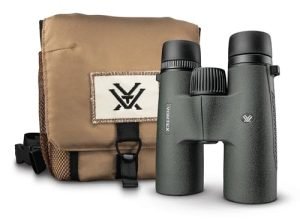
- Vortex Optics – Known for sharp images and sturdy build
- Nikon – Offers clear optics with waterproof features
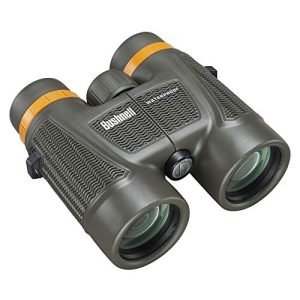
- Bushnell – Provides affordable fog-proof options
- Leica – High-end models with excellent lens coatings
- Zeiss – Premium optics with durable designs
Maintenance Tips For Fog-proof Binoculars
Fog-proof binoculars help you see clearly in different weather. Proper care keeps them working well. Simple maintenance protects their special coatings and seals.
Follow easy tips to clean and store your binoculars. This will keep the fog-proof features strong for a long time.
Cleaning Without Damaging Coatings
Use soft materials to clean lenses. Avoid harsh chemicals that can harm coatings. Dust and dirt can scratch surfaces if rubbed roughly.
- Blow off loose dust with a soft air blower
- Use a microfiber cloth for gentle wiping
- Apply lens cleaner made for optics only
- Never use paper towels or rough fabrics
- Clean only when lenses are visibly dirty
Storage Practices To Preserve Fog-proofing
Store binoculars in a dry place to protect seals. Keep them in their case when not in use. Avoid extreme temperatures that can damage fog-proofing.
| Storage Tip | Why It Matters |
| Use a padded case | Prevents physical damage |
| Keep away from heat | Protects seal integrity |
| Store in low humidity | Prevents mold and moisture |
| Remove batteries if unused | Avoids corrosion inside |
Frequently Asked Questions
How Do Fog-proof Binoculars Prevent Lens Fogging?
Fog-proof binoculars use nitrogen or argon gas to fill the lenses. This prevents moisture buildup inside. They also have special coatings that repel external fog and condensation, ensuring clear vision during surveillance in humid or cold environments.
Why Are Fog-proof Binoculars Important For Surveillance?
Fog-proof binoculars provide clear vision in all weather conditions. They help avoid blurry or obstructed views caused by fog or moisture. This clarity is crucial for accurate observation and effective decision-making during surveillance tasks.
What Materials Make Binoculars Fog-proof?
Fog-proof binoculars use sealed O-rings and nitrogen or argon gas inside. These materials prevent moisture and dust from entering the lenses. The sealing ensures that internal fogging does not occur, maintaining consistent optical performance.
Can Fog-proof Binoculars Work In Extreme Weather?
Yes, fog-proof binoculars are designed to perform well in extreme weather. Their waterproof and sealed construction protects lenses from fog, rain, and snow. This reliability makes them ideal for surveillance in diverse outdoor conditions.
Conclusion
Fog-proof binoculars are essential in surveillance. They ensure clear vision in foggy conditions. This technology prevents moisture buildup inside lenses. It enhances performance by maintaining visibility. Users can rely on them in diverse weather situations. These binoculars are durable and efficient.
They support detailed observation. Perfect for security and wildlife monitoring. Anyone can benefit from their reliability. Investing in fog-proof binoculars enhances surveillance capabilities. Clear optics are crucial for accurate data collection. Choose quality binoculars for better results. Experience improved visibility with the right equipment.
Stay ahead in surveillance tasks with fog-proof technology.