When it comes to choosing close-focus binoculars, you want the best tool in your hands. Leica and Zeiss are two big names that often come up, but which one truly fits your needs?
If you’ve ever wondered whether Leica close-focus binoculars offer more value or better performance than Zeiss, you’re in the right place. This isn’t just about brand loyalty—it’s about finding binoculars that bring your world closer with sharp detail and ease.
Keep reading, and by the end, you’ll know exactly which option suits your eyes and your adventures best.
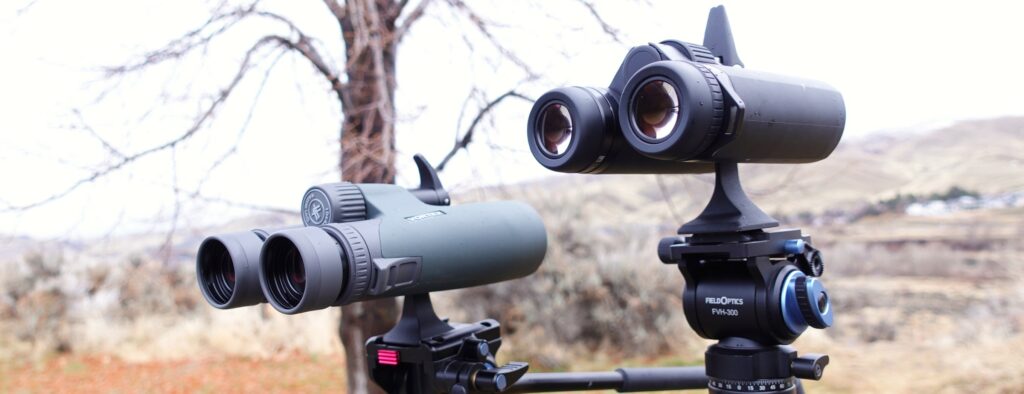
Credit: backwoodspursuit.com
Leica Close-focus Binoculars Features
Leica binoculars are known for their precision and quality. Their close-focus models are popular for detailed viewing at short distances.
This article looks at Leica close-focus binoculars and what makes them stand out from other brands like Zeiss.
Optical Quality And Clarity
Leica uses high-quality glass and coatings to improve light transmission. This helps produce bright, clear images with natural colors.
The lenses reduce glare and reflections, making it easier to see fine details. This quality is important for nature watching and sports.
Build And Durability
Leica binoculars have strong, lightweight frames. They use materials like magnesium to keep weight down without losing toughness.
These binoculars are also waterproof and fog-proof. This makes them reliable in wet or cold weather.
Close-focus Capabilities
Leica close-focus binoculars can focus on objects very near, often around 1.5 meters or less. This helps with viewing insects and flowers.
The focusing mechanism is smooth and quick, allowing fast adjustments when switching between close and distant views.
Ergonomics And Handling
Leica designs its binoculars to fit comfortably in the hands. The grip is textured to avoid slipping during use.
Controls like the focus wheel are easy to reach and turn. This makes using the binoculars simple and comfortable over long periods.

Credit: www.amazon.ca
Zeiss Close-focus Binoculars Features
Zeiss close-focus binoculars are popular among nature lovers and bird watchers. These binoculars offer clear views at short distances.
They focus well on objects nearby, making them useful for detailed observations. The design balances quality and comfort.
Lens Technology And Sharpness
Zeiss uses high-quality lenses with special coatings. These coatings reduce glare and improve light transmission.
The lenses deliver sharp and bright images. Colors appear natural, and details stay clear even at close range.
- Multicoated lenses for better light clarity
- High contrast for sharp image quality
- Excellent color accuracy
Construction And Materials
Zeiss binoculars have a sturdy build using strong materials. The body is often made from lightweight magnesium alloy.
This keeps the binoculars tough but easy to carry. The design is water and fog resistant for use in different weather.
- Lightweight magnesium alloy body
- Waterproof and fogproof construction
- Rubber armor for grip and protection
Minimum Focus Distance
Zeiss close-focus binoculars can focus on objects as near as 1.5 meters. This lets users see small details up close.
The short minimum focus distance is ideal for observing insects, flowers, and other nearby subjects.
- Minimum focus distance around 1.5 meters
- Good for close-up nature viewing
- Easy to adjust focus quickly
User Comfort And Design
Zeiss binoculars are designed for comfort during long use. The eyecups are soft and adjustable for different users.
The focus wheel is smooth and easy to turn. The binoculars balance well in the hands, reducing fatigue.
- Soft, adjustable eyecups
- Smooth focus wheel
- Ergonomic and balanced design
Performance Comparison
Leica and Zeiss both make close-focus binoculars. They are popular for nature watching and birding. This comparison looks at how each brand performs in key areas.
We will check image brightness, color accuracy, field of view, magnification, low-light performance, and weather resistance.
Image Brightness And Color Accuracy
Leica binoculars often deliver very bright images. Their lenses use special coatings to reduce glare. Colors appear natural and clear.
Zeiss also produces bright images with sharp colors. Their optics focus on color fidelity and contrast. Users find details easy to see.
- Leica: Bright images with natural colors
- Zeiss: Sharp images with high color accuracy
Field Of View And Magnification
Leica binoculars provide a wide field of view. This helps to track moving animals easily. Magnification options vary but stay clear.
Zeiss binoculars offer a slightly narrower field of view. They focus on balanced magnification and image stability. This helps with detailed observation.
- Leica: Wider field of view, good for tracking
- Zeiss: Balanced magnification and image steadiness
Low-light Performance
Leica uses high-quality prisms that improve brightness in low light. Early morning or dusk viewing is clear and bright.
Zeiss also performs well in low light. Their lenses allow more light to pass through. Colors remain vivid even as light fades.
- Leica: Bright images in dim conditions
- Zeiss: Good light transmission and color in low light
Weather Resistance
Leica binoculars are sealed and nitrogen-filled. This keeps moisture and dust out. They work well in rain or fog.
Zeiss binoculars also have water- and fog-proof designs. Their seals protect internal parts from weather damage. They are reliable outdoors.
- Leica: Waterproof and fog-proof sealing
- Zeiss: Weather-resistant with strong seals
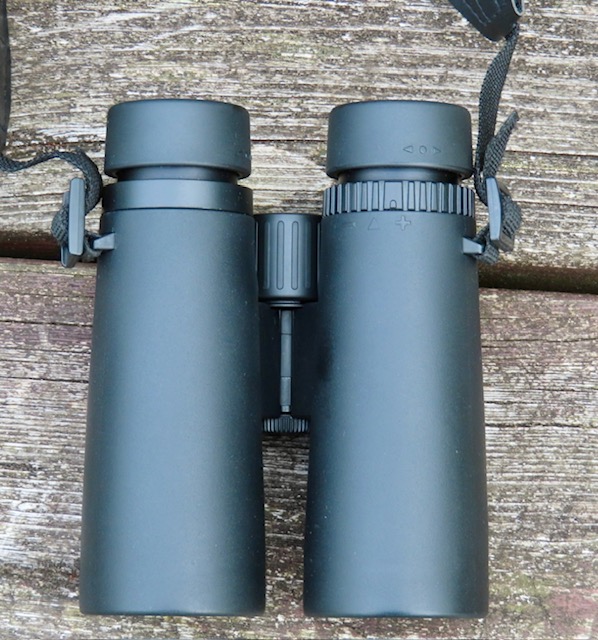
Credit: neilenglish.net
Price And Value Analysis
Choosing between Leica and Zeiss close-focus binoculars depends on price and value. Both brands offer quality, but costs and benefits vary. Understanding these differences helps buyers make smart choices.
This analysis looks at cost differences, warranty and customer support, and long-term investment value for both brands.
Cost Differences
Leica binoculars usually cost more than Zeiss models. Leica uses premium materials and advanced lens coatings. Zeiss offers high quality but at slightly lower prices.
The price gap can be hundreds of dollars. This depends on the model and features like magnification and waterproofing.
- Leica: Higher starting prices, often $1,500 and up
- Zeiss: Generally more affordable, starting around $1,000
- Special editions or larger models increase costs for both brands
Warranty And Customer Support
Both Leica and Zeiss provide solid warranties. Leica offers a two-year warranty with options to extend. Zeiss usually gives a two-year warranty as well.
Customer support is strong for both. Leica has dedicated service centers in many countries. Zeiss offers good online support and repair services.
- Leica warranty: 2 years, extensions possible
- Zeiss warranty: 2 years standard
- Both brands provide reliable repair services
- Leica has more physical service centers worldwide
Long-term Investment
Leica binoculars often hold value better over time. Their build quality and brand reputation keep prices steady in resale markets.
Zeiss models also maintain good value but may depreciate faster. Regular care and maintenance help both brands last many years.
- Leica: Strong resale value due to premium quality
- Zeiss: Good value retention, slightly faster depreciation
- Both brands last long with proper care
User Feedback And Expert Opinions
Choosing between Leica and Zeiss close-focus binoculars can be tricky. Both brands have strong reputations. Users and experts often compare their field performance and design.
This article reviews feedback from real users and professional experts. It looks at field test results, professional reviews, and common user experiences.
Field Test Results
Field tests show how binoculars work in real conditions. Leica models often have sharp images and good color contrast. Zeiss binoculars provide clear views with good brightness. Both brands perform well close-up, but Leica may have a slight edge in focus speed.
- Leica offers excellent sharpness in close focus
- Zeiss excels in brightness and color accuracy
- Leica focuses faster at short distances
- Zeiss models sometimes have a wider field of view
Professional Reviews
Experts praise both brands for quality optics. Leica binoculars get high marks for build and detail. Zeiss is valued for ergonomic design and consistent performance. Some reviews highlight Leica’s superior close-focus range. Others note Zeiss’s better eye relief for glasses wearers.
| Aspect | Leica | Zeiss |
| Optical Sharpness | Very High | High |
| Build Quality | Robust | Sturdy |
| Close Focus Range | Better (closer) | Good |
| Eye Relief | Standard | Better for glasses |
| Weight | Lighter | Slightly Heavier |
Common User Experiences
Users report that Leica binoculars feel comfortable and perform well in nature. Many say Leica offers clearer details at close range. Zeiss users like the bright and vivid images. Some mention Zeiss binoculars are easier to handle for long use. Both brands have loyal fans who trust their quality.
- Leica users praise close-focus clarity
- Zeiss users appreciate bright, natural colors
- Both brands receive positive feedback on durability
- Leica preferred for short-range wildlife spotting
- Zeiss chosen for general outdoor use and comfort
Choosing The Right Binoculars
Choosing binoculars can be tricky. Different brands offer different features. Leica and Zeiss are two top brands for close-focus binoculars.
Understanding what you need helps pick the right pair. This guide looks at key points to consider.
Intended Use Cases
Think about where and how you will use the binoculars. Close-focus binoculars are good for viewing things nearby.
Leica models often suit bird watching and nature observation. Zeiss binoculars may work well for sports and outdoor activities.
- Leica: Great for detailed close-up views
- Zeiss: Good for general outdoor use
- Consider your main activities before choosing
Personal Preferences
Your comfort and style matter. Weight, size, and grip affect how you feel using binoculars.
Leica binoculars tend to have a sleek design and feel light. Zeiss models may offer more rugged builds and different color options.
- Try holding both brands to see what feels best
- Check if the focus mechanism is easy to use
- Look for clear and bright lenses
Budget Considerations
Binocular prices vary. Leica models often cost more. Zeiss offers options at different price points.
Think about how much you want to spend. Sometimes spending more means better quality and durability.
- Set a budget before shopping
- Compare features within your price range
- Remember the cost of accessories like cases and straps
Frequently Asked Questions
Are Leica Close-focus Binoculars Better For Macro Viewing?
Leica close-focus binoculars excel in sharpness and color accuracy. They offer superior detail for macro viewing compared to many competitors, including Zeiss. Their close-focus distance allows clear observation of objects just a few feet away, enhancing the experience for nature and insect enthusiasts.
How Do Leica And Zeiss Binoculars Compare In Build Quality?
Both Leica and Zeiss produce high-quality, durable binoculars. Leica often uses premium materials with robust weather sealing. Zeiss models also feature excellent craftsmanship but may vary slightly in weight and ergonomics. Overall, both brands offer reliable, long-lasting optics suitable for outdoor use.
Which Brand Offers Better Value For Close-focus Binoculars?
Zeiss binoculars generally provide good value with advanced optics at a competitive price. Leica, while pricier, delivers exceptional optical performance and clarity. Choosing between them depends on budget and specific needs, as Leica offers premium features that justify the higher cost for some users.
Do Leica Close-focus Binoculars Have Better Color Accuracy?
Yes, Leica binoculars are known for their vibrant and natural color rendering. Their coatings reduce glare and enhance contrast, providing more accurate colors. Zeiss also offers excellent color fidelity, but Leica’s optics often stand out in close-focus scenarios.
Conclusion
Choosing between Leica and Zeiss close-focus binoculars can be tough. Both brands offer great features. Leica shines with its sharp images. Zeiss impresses with its durability. Consider what you need most. Portability or clarity? Both brands excel in quality. Your decision depends on personal preference.
Think about your main use. Wildlife watching or stargazing? Each brand has its strengths. Compare their features closely. Make an informed choice. Happy exploring with your new binoculars!