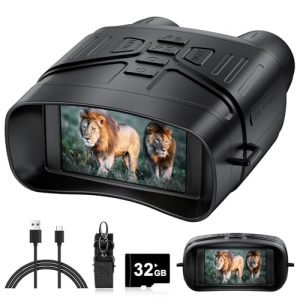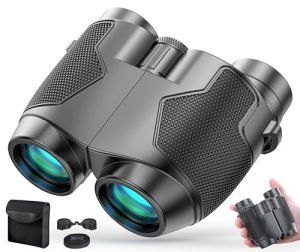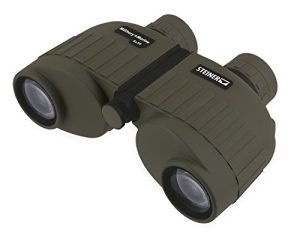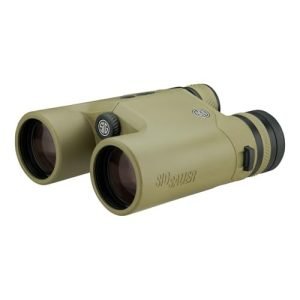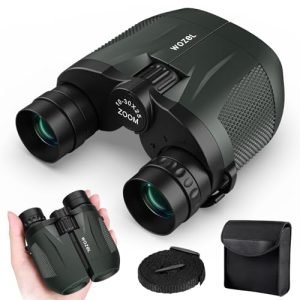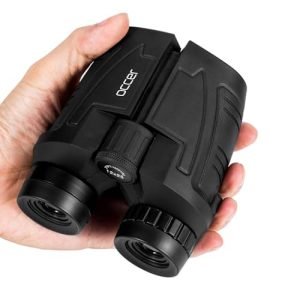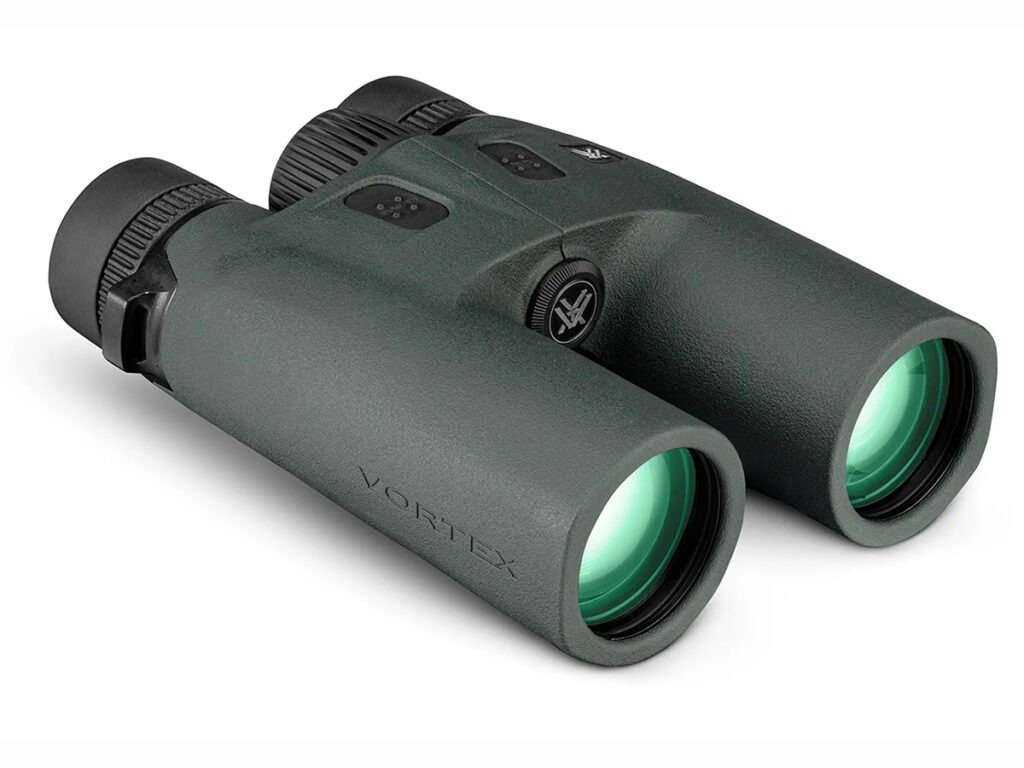
Are you curious if tactical binoculars come with laser rangefinders? If you’ve ever wondered how these two powerful tools work together, you’re in the right place.
Understanding whether your binoculars have this feature can change how you spot, measure distances, and make quick decisions in the field. Keep reading to discover the truth about tactical binoculars and laser rangefinders—and find out what you really need for your next adventure or mission.
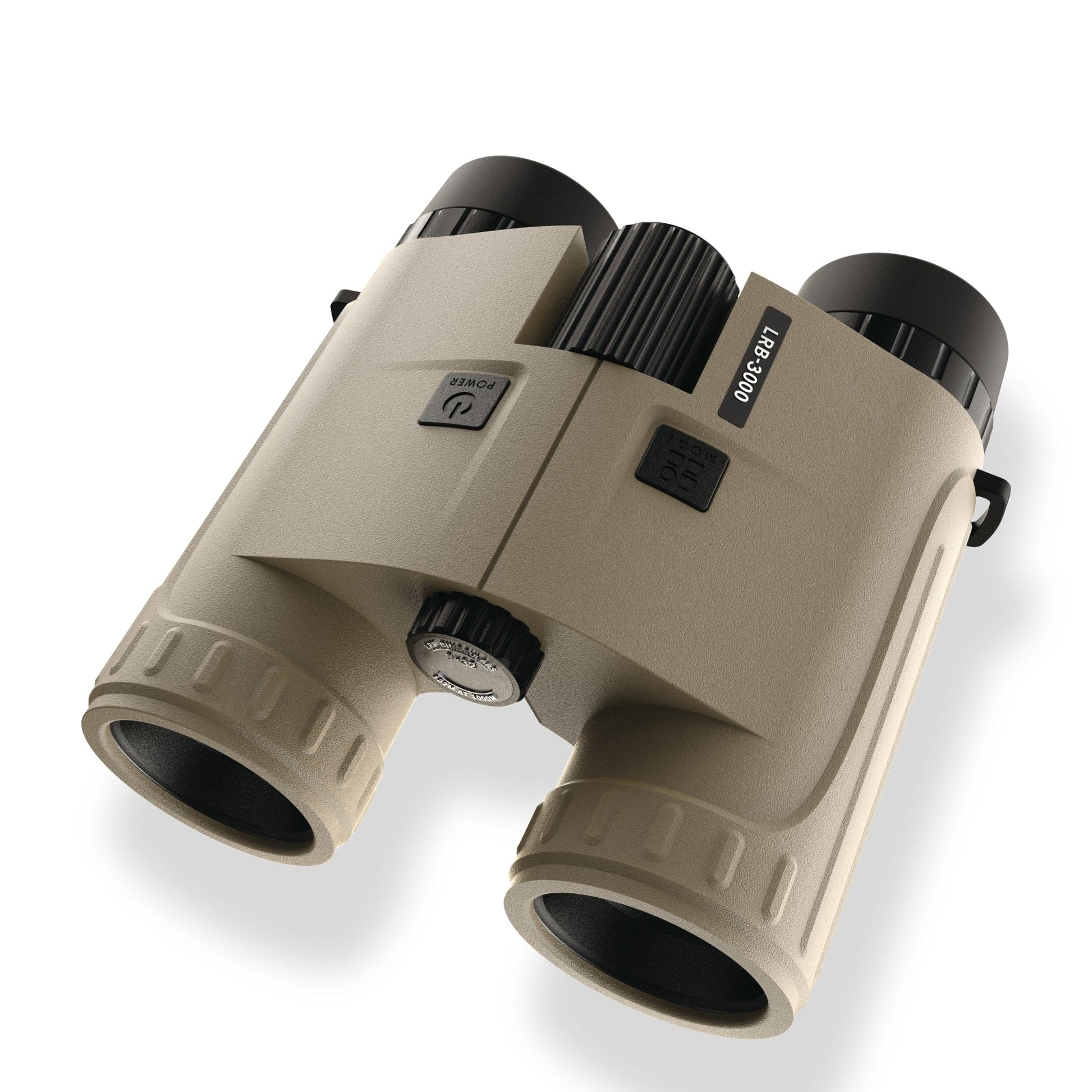
Credit: mcjoptics.com
Tactical Binoculars Basics
Tactical binoculars help users see distant objects clearly. They are built for tough conditions and sharp viewing.
People often ask if these binoculars come with laser rangefinders. Understanding their key features and uses helps answer this.
Key Features
Tactical binoculars focus on durability and clear vision. They usually have strong lenses and a rugged body. Some models include extra tools, but not all have laser rangefinders.
- High-quality lenses for sharp images
- Waterproof and shockproof design
- Night vision or low-light capabilities on some models
- Built-in compass or reticle for aiming
- Laser rangefinder available only in select models
Common Uses
Tactical binoculars suit many outdoor activities. They help users see far distances and track moving targets. Some models with laser rangefinders measure distance precisely. This feature is useful for hunting and military work.
| Activity | Use of Tactical Binoculars | Laser Rangefinder Needed |
| Hunting | Spot animals and judge distance | Yes, helps with accurate shots |
| Military | Observe targets and plan moves | Sometimes, for precise distance data |
| Hiking | View landscapes and landmarks | No, basic binoculars work well |
| Bird Watching | See birds clearly at a distance | No, laser rangefinder is not necessary |
Laser Rangefinder Technology
Tactical binoculars often include laser rangefinder technology. This helps users measure distances quickly and accurately. It is useful for hunting, shooting, and outdoor activities.
The laser rangefinder sends a laser beam to a target. It then measures how long the beam takes to return. This time helps calculate the distance.
How It Works
The rangefinder sends out a laser pulse toward the target. The pulse hits the target and bounces back to the binoculars. The device measures the time between sending and receiving the pulse.
Using the speed of light, the device calculates the distance. This gives an accurate reading in seconds. The result shows on the binocular display or in the viewfinder.
Types Of Rangefinders
There are several types of rangefinders used in tactical binoculars. Each has strengths and suits different tasks.
- Laser Rangefinders:Use laser beams to measure distance. They are precise and fast.
- Optical Rangefinders:Use lenses and mirrors to estimate distance. They are simpler but less accurate.
- GPS Rangefinders:Use satellite signals to find location and distance. They work well over long ranges.
Integration Of Rangefinders In Binoculars
Tactical binoculars sometimes include laser rangefinders. This feature helps users measure distance quickly. It combines viewing and distance measuring in one tool.
Adding a rangefinder to binoculars improves accuracy in outdoor activities. It is useful for hunting, surveying, and military use. The integration makes the device more versatile.
Design Challenges
Combining a laser rangefinder with binoculars is not easy. Designers must keep the device light and easy to hold. Adding electronics can make it bulky.
Power consumption is another problem. The rangefinder needs a battery, which can add weight. It also requires good lens alignment for accurate distance reading.
- Maintaining lightweight design
- Ensuring battery life lasts long
- Keeping lens and laser alignment precise
- Protecting electronics from weather and impact
Current Models With Rangefinders
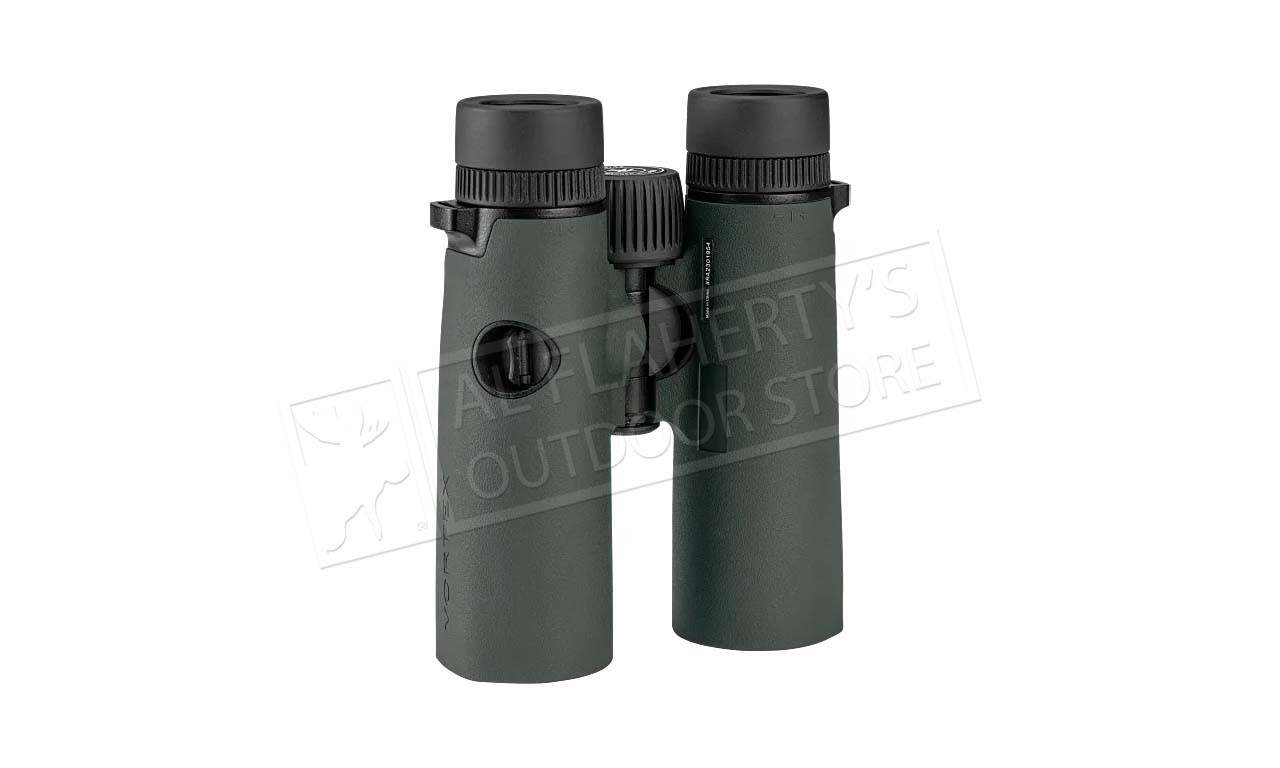
Several tactical binoculars on the market include laser rangefinders. These models offer different range limits and accuracy levels. Some also add digital displays inside the lenses.
Users can find models designed for different budgets and uses. Some focus on ruggedness and water resistance. Others emphasize long-distance measurement and fast readings.
- Models with range up to 1000 yards
- Devices featuring heads-up display (HUD)
- Waterproof and shockproof designs
- Options with adjustable reticles and brightness
Benefits Of Rangefinder Binoculars
Rangefinder binoculars combine magnification with distance measuring tools. They help users see far and know exact distances.
These binoculars are useful in many fields, especially for tactical use. They make targeting and planning easier and faster.
Accuracy And Speed
Rangefinder binoculars give precise distance readings quickly. This accuracy helps users make better decisions fast.
Users can spot targets and measure distances without guessing. The speed of rangefinding saves valuable time in critical moments.
- Accurate distance reduces shooting errors
- Fast readings improve reaction time
- Combines vision and measurement in one tool
Applications In Tactical Scenarios
Tactical teams use rangefinder binoculars for better mission planning. Knowing exact distance helps with navigation and targeting.
These binoculars assist in scouting, surveillance, and coordinating with team members. They increase safety by reducing guesswork.
- Helps in spotting enemies at long range
- Improves accuracy for sniper operations
- Supports quick decision making in the field
Limitations And Considerations
Tactical binoculars with laser rangefinders offer useful features. They help measure distance quickly and accurately.
Still, these devices have some limits and factors to think about before buying or using them.
Cost And Weight
Binoculars that include laser rangefinders often cost more than regular binoculars. This can be a concern for many users.
Adding a rangefinder also makes the binoculars heavier. Extra weight can cause fatigue during long use.
- Higher price due to advanced technology
- Increased weight affects comfort
- May need extra batteries, adding to cost and weight
Environmental Factors
Laser rangefinders can be affected by weather conditions like fog, rain, or snow. These reduce accuracy and range.
Bright sunlight or reflective surfaces can also interfere with the laser’s performance. Users need to consider these limits.
- Fog and rain lower laser range accuracy
- Snow can block or scatter the laser beam
- Sun glare may cause false readings

Credit: alflahertys.com
Alternatives To Laser Rangefinder Binoculars
Not all tactical binoculars include built-in laser rangefinders. Some users prefer other tools to measure distance. These alternatives can offer flexibility and often cost less.
Below are common options to help you find distances without laser rangefinder binoculars.
Separate Rangefinder Devices
Using a standalone rangefinder device is a popular choice. These tools focus only on measuring distance and can be very accurate.
You can carry a separate rangefinder and use your binoculars for clear viewing. This setup works well for hunters and outdoor enthusiasts.
- Rangefinders often use laser or ultrasonic technology
- They are lightweight and easy to carry
- Some models offer quick distance readings
- Can be used independently from binoculars
Smartphone Apps And Gps
Smartphones have apps that help measure distance using GPS or camera features. These apps are handy and often free or low cost.
GPS devices can track your location and calculate the distance to a target point. They work well in open areas with clear satellite signals.
- Many apps use GPS to estimate distances
- Camera-based apps use image processing to guess range
- GPS devices provide coordinates and distance data
- Apps and GPS are easy to update and improve
Future Trends In Tactical Optics
Tactical optics are tools that help users see and measure distances clearly. Many people ask if tactical binoculars have laser rangefinders. The answer is yes, some models include this feature.
Technology in tactical optics is changing fast. New tools make it easier to spot targets and measure distances. This article looks at future trends in this area.
Technological Advancements
New technology improves how tactical binoculars work. Laser rangefinders are getting smaller and more accurate. This means users can measure distances better while using binoculars.
Battery life is also improving. Users can use their binoculars longer without recharging. This helps in long missions or outdoor activities.
- Smaller and lighter laser rangefinders
- Better distance measurement accuracy
- Longer battery life for extended use
- Improved image clarity and zoom features
Emerging Features
New features are being added to tactical binoculars. Some include digital displays that show distance and other data. These displays help users get information quickly.
Some binoculars now connect to smartphones or other devices. This lets users share information and control settings remotely.
- Digital screens with range data
- Wireless connection to mobile devices
- Night vision and thermal imaging options
- Enhanced durability for tough conditions
Credit: alflahertys.com
Frequently Asked Questions
Do Tactical Binoculars Come With Built-in Laser Rangefinders?
Some tactical binoculars include built-in laser rangefinders. This feature helps measure distances accurately in real-time. However, not all models have this. Users should check product specifications before purchasing to ensure they meet their needs.
How Accurate Are Laser Rangefinders In Tactical Binoculars?
Laser rangefinders in tactical binoculars are highly accurate. They typically measure distances within a few meters. Accuracy depends on device quality and environmental conditions like fog or rain. High-end models offer better precision for tactical use.
Can Laser Rangefinder Binoculars Work In Low Light?
Yes, many laser rangefinder binoculars function in low light. They use infrared technology to measure distances in darkness. However, extreme darkness or heavy fog may reduce effectiveness. Choosing models with night vision enhances performance.
Are Laser Rangefinder Binoculars Suitable For Hunting?
Laser rangefinder binoculars are ideal for hunting. They provide quick, precise distance measurements. This helps improve shot accuracy and safety. Hunters benefit from models with durable, weather-resistant designs for outdoor conditions.
Conclusion
Tactical binoculars with laser rangefinders offer precision and convenience. They enhance outdoor experiences by measuring distances accurately. Hunters and outdoor enthusiasts find them particularly useful. These binoculars combine two essential tools into one. This makes them efficient and practical. Consider your needs before purchasing.
Not all models include rangefinders. Research and choose wisely. A good choice can improve your outdoor activities. Whether for hunting or birdwatching, these binoculars serve well. They make observing nature more enjoyable and precise. Investing in the right pair can enhance your adventures.