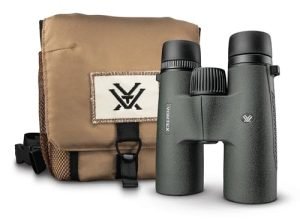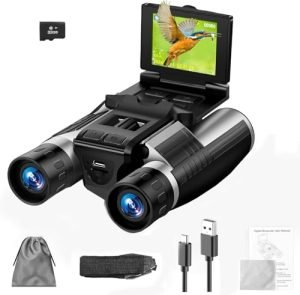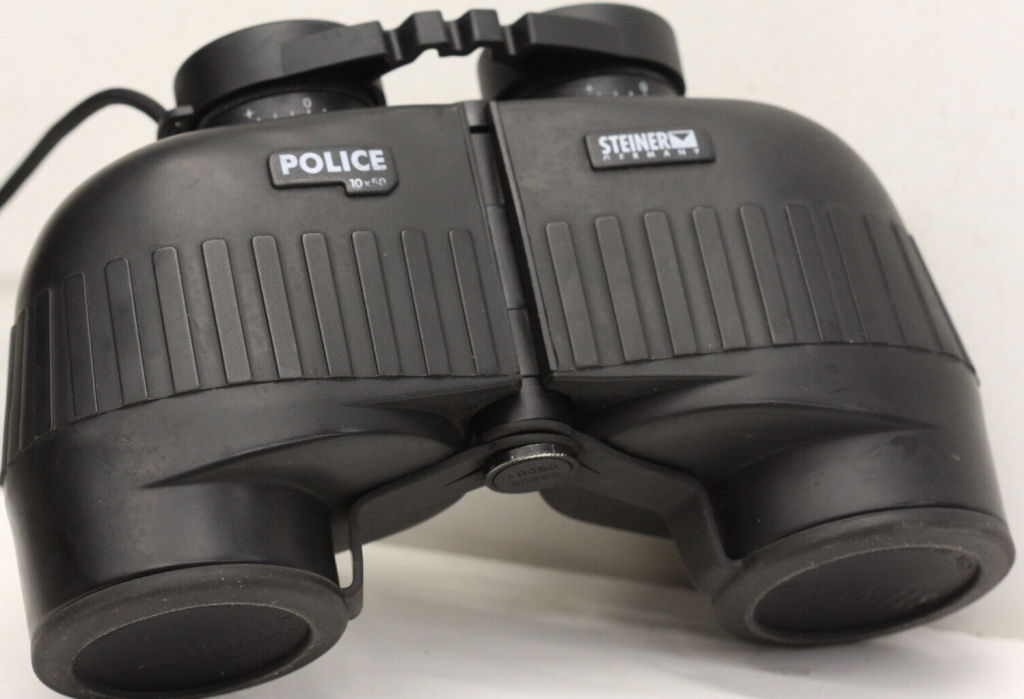
Are you wondering if tactical binoculars are built tough enough to handle rough conditions? You want gear that won’t let you down when it matters most.
Whether you’re out in the wild, on a mission, or simply need reliable optics, understanding the durability of tactical binoculars is key. You’ll discover what makes them heavy duty, why it matters for your use, and how to pick the right pair that stands up to the challenge.
Keep reading to make sure your next binoculars can truly keep pace with your adventures.

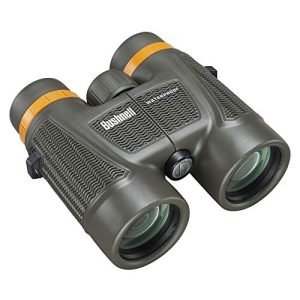
Credit: www.amazon.com
Tactical Binoculars Basics
Tactical binoculars are designed for tough environments. They offer clear vision in many conditions.
These binoculars often have strong bodies and special features to help users see far and steady.
Key Features
Tactical binoculars have features that make them reliable and durable. They are built to handle rough use.
- Strong, shockproof housing to resist drops
- Waterproof and fog-proof for all weather
- Rubber coating for a good grip
- Night vision or low-light capabilities
- Adjustable focus for clear images
Common Uses
Tactical binoculars are used in many situations. They help people see details at a distance safely.
| Use | Description |
| Military | Spotting targets and monitoring areas |
| Hunting | Tracking animals from afar |
| Outdoor Sports | Watching wildlife and landscapes |
| Security | Surveillance and protection tasks |
| Rescue | Finding people in hard places |
Materials And Build Quality
Tactical binoculars are made to last in tough conditions. Their materials and build quality make them strong and reliable.
Heavy duty means these binoculars can handle rough use. Builders choose parts that resist damage and wear.
Frame Construction
The frame of tactical binoculars is usually made from metal or strong plastic. This helps the binoculars stay firm and safe from drops.
Some frames have rubber coatings. These add grip and protect against shocks and scratches.
- Metal frames offer high durability
- Strong plastic frames reduce weight
- Rubber coatings improve grip and shock protection
Lens Protection
Tactical binoculars use lens covers or caps to guard the glass. These keep dirt and scratches away.
Many lenses have special coatings. These coatings protect against water, dust, and glare.
- Lens caps shield against impact and dust
- Waterproof coatings repel moisture
- Anti-reflective coatings improve vision
Weather Resistance
Tactical binoculars are built to perform in tough environments. Weather resistance is key for their durability and use outdoors.
Strong weather resistance helps binoculars last through rain, fog, and humidity without damage.
Waterproofing
Waterproofing stops water from entering the binoculars. It protects the lenses and internal parts.
- Sealed O-rings prevent water and dust from getting inside.
- Special coatings on lenses repel water droplets.
- Waterproof binoculars can work underwater for short times.
- Protects electronics inside digital binoculars from moisture.
Fog Proofing
Fog proofing stops the inside lenses from fogging up in cold or humid weather. It keeps views clear.
| Fog Proofing Method | How It Works |
| Nitrogen or Argon Gas Filling | Displaces moisture inside binoculars |
| Anti-Fog Coating | Prevents fog from forming on lenses |
| Sealed Design | Keeps humid air out |

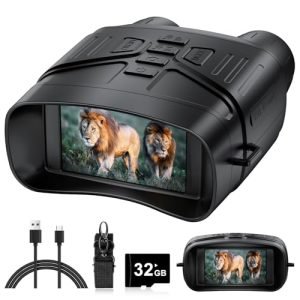
Credit: www.amazon.com
Impact And Shock Resistance
Tactical binoculars are built to withstand tough conditions. Their impact and shock resistance protect internal parts from damage. This makes them reliable in harsh environments.
Strong materials and smart design help reduce damage from drops and shocks. Users can trust these binoculars during active use.
Drop Tests
Drop tests measure how well tactical binoculars handle falls. These tests check if the binoculars keep working after impacts. Manufacturers drop binoculars from set heights onto hard surfaces.
- Height of drop varies by model and test standards
- Impact points include edges, corners, and flat surfaces
- Tests simulate real-life accidental drops
- Binoculars are inspected for cracks and internal damage
- Performance is checked to ensure optics remain clear
Shock Absorption Technology
| Technology | Purpose | Benefit |
| Rubber Armor Coating | Absorbs shocks | Protects housing and lens |
| Internal Cushioning | Shields internal parts | Prevents optical misalignment |
| Reinforced Frames | Increases strength | Enhances drop resistance |
| Waterproof Seals | Blocks moisture and dust | Keeps internals safe |
Comparing Tactical And Standard Binoculars
Tactical binoculars and standard binoculars serve similar purposes. Both help you see distant objects clearly. Yet, they differ in design and use.
Understanding these differences helps you pick the right binoculars for your needs. This article looks at durability and performance in tough environments.
Durability Differences
Tactical binoculars are built to last under rough use. They often have stronger materials and protective coatings. Standard binoculars may not handle hard impacts well.
- Reinforced rubber armor on tactical models protects against drops.
- Standard binoculars usually have lighter plastic bodies.
- Tactical versions are often waterproof and fog proof.
- Standard binoculars may lack full sealing from water or dust.
Performance In Harsh Conditions
Tactical binoculars perform better in bad weather and rough terrain. Their design keeps lenses clear and focus sharp. Standard binoculars may fog or leak in wet conditions.
| Feature | Tactical Binoculars | Standard Binoculars |
| Water Resistance | High (sealed and waterproof) | Low to Medium (may leak) |
| Fog Resistance | Yes (nitrogen or argon filled) | No or limited |
| Impact Resistance | Strong rubber armor | Basic plastic body |
| Grip | Textured, non-slip | Smoother, less secure |
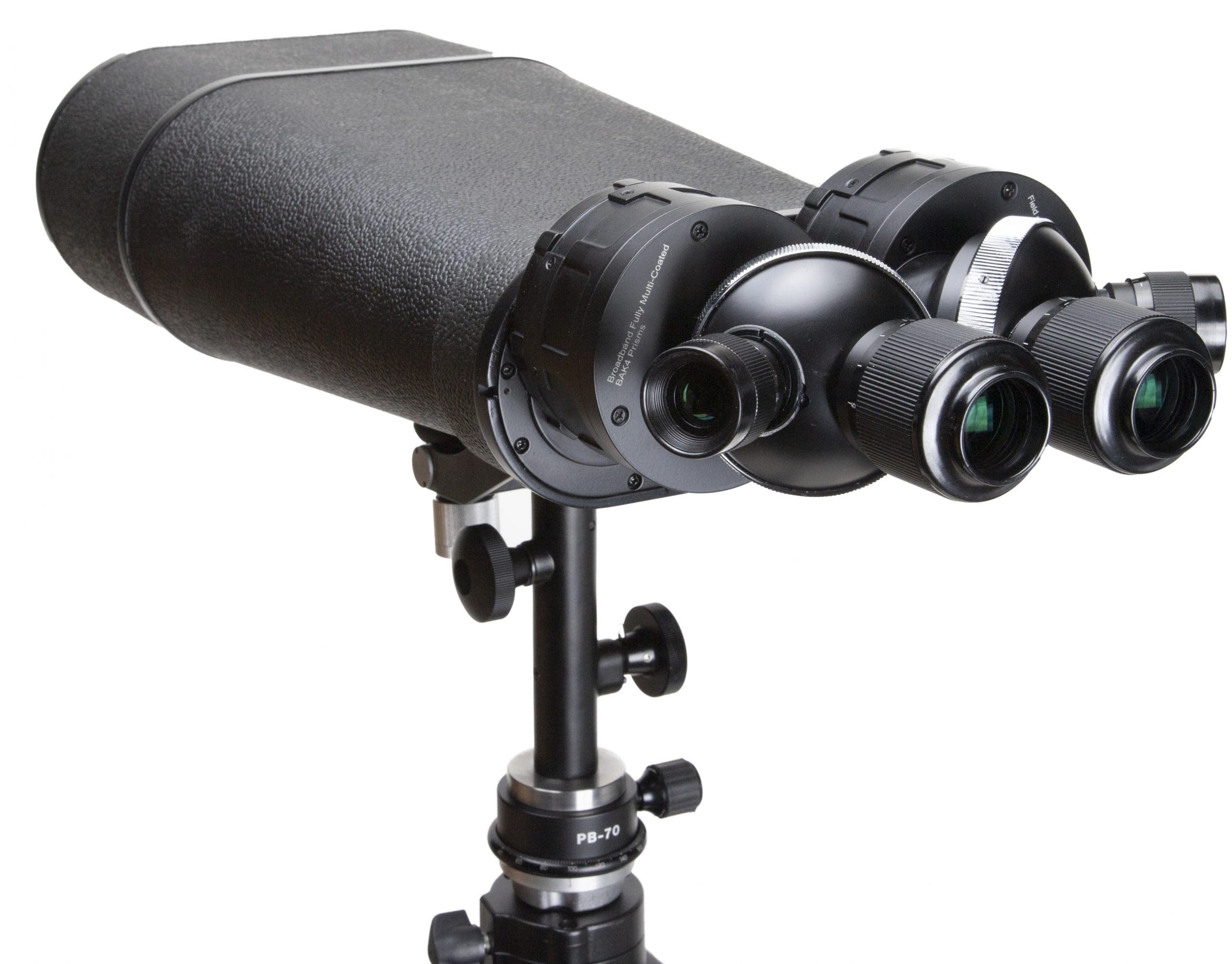
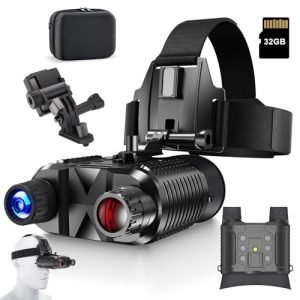
Credit: oberwerk.com
Maintenance Tips For Longevity
Tactical binoculars are made to last in tough conditions. Good care helps keep them working well for years.
Regular cleaning and proper storage protect your binoculars from damage and wear.
Cleaning Procedures
Keep your binoculars clean to avoid scratches and fog. Use soft tools and gentle cleaning methods.
- Use a soft brush to remove dust from lenses.
- Wipe lenses with a microfiber cloth in a circular motion.
- Apply lens cleaner designed for optics if needed.
- Do not use household cleaners or rough cloths.
- Clean the body with a damp cloth and mild soap if dirty.
Storage Recommendations
Store your binoculars in a dry place to prevent mold and rust. Keep them safe from strong impacts.
| Storage Tip | Reason |
| Use a padded case | Protects from drops and bumps |
| Keep in a dry area | Prevents mold and corrosion |
| Avoid direct sunlight | Stops lens and body damage |
| Store with lens caps on | Keeps lenses clean and safe |
Top Brands Known For Rugged Models
Tactical binoculars are made to withstand tough conditions. Many brands focus on durability and reliability. This helps users in outdoor and demanding environments.
Here are some top brands known for their rugged tactical binoculars. Each brand offers models built for heavy-duty use.
Brand Profiles
Nikon is a well-known name in optics. Their tactical binoculars feature tough rubber armor. This protects them from shocks and drops. Nikon models often have waterproof and fog-proof designs.
Vortex Optics is popular among outdoor enthusiasts. Their binoculars have solid construction and are shock resistant. Vortex models include O-ring seals to keep out dust and moisture.
Leica produces high-quality optics with rugged builds. Their tactical binoculars use strong materials like magnesium alloy. Leica models are also waterproof and have anti-fog coatings.
Popular Rugged Models
| Brand | Model | Key Features | Weight |
|---|---|---|---|
| Nikon | Force EX 10×42 | Rubber armor, waterproof, fog-proof | 25 oz |
| Vortex Optics | Razor HD 10×42 | Shock resistant, O-ring seals, waterproof | 28 oz |
| Leica | Trinovid HD 10×42 | Magnesium alloy, waterproof, anti-fog | 23 oz |
Frequently Asked Questions
Are Tactical Binoculars Built For Heavy-duty Use?
Tactical binoculars are designed with durable materials to withstand rough conditions. They often feature waterproof, shockproof, and fog-resistant properties, making them suitable for heavy-duty use in outdoor and tactical environments.
How Heavy Are Tactical Binoculars Generally?
Tactical binoculars vary in weight but are typically heavier than regular models due to rugged construction. Most weigh between 1 to 2 pounds, balancing durability with portability for extended use.
Can Tactical Binoculars Endure Harsh Weather Conditions?
Yes, tactical binoculars are usually weather-resistant. They often have sealed and nitrogen-purged bodies, ensuring they perform well in rain, snow, and humid environments without internal damage.
Do Heavy-duty Binoculars Offer Better Optical Performance?
Heavy-duty binoculars often provide enhanced optics with features like multi-coated lenses and high magnification. This ensures clear, bright images even in challenging environments, supporting tactical and outdoor activities effectively.
Conclusion
Tactical binoculars are indeed heavy duty. They are built to last. With their robust design, they handle tough conditions. Rain, dust, or rough handling? Not a problem. These binoculars offer clear views. Even in challenging environments, they excel. Outdoor enthusiasts and professionals trust them.
Their durability ensures long-term use. So, investing in tactical binoculars is wise. They provide reliability and strength. Perfect for adventures and demanding tasks. Consider them for your next outdoor exploration. You’ll appreciate their rugged performance and dependability.